REVIEW · STOCKHOLM
From Stockholm: Viking Culture and Heritage Small Group Tour
Book on GetYourGuide →Operated by Sweden History Tours · Bookable on GetYourGuide
Runestones start making sense fast once you’re outside Stockholm. This 3-hour small-group tour takes you into Uppland countryside to see grave markers, an ancient-style bridge area, and the remains of a Viking assembly.
What I like most is how you visit real, physical sites you can point at, not Viking stuff built for tourists. And I really enjoy the way the guide connects the details on the stones to everyday life.
A second highlight is the storytelling focus, including the Viking woman Estrid and the shift between pagan and Christian traditions around burials. The guide, Erik, leans hard on facts and clarity, with just enough color to keep it human.
One thing to plan for: there’s no food included, and in winter you’ll want serious layers because the countryside can feel properly cold.
If you want a quick Viking education with a local feel, this is a strong use of a half day. Just treat it like a history walk in real weather, not a warm museum.
In This Review
- Viking Sites in 3 Hours: What You’ll Actually See
- A 3-Hour Viking Time-Travel Ride Out of Stockholm
- Pickup and Small-Group Setup That Keeps It Personal
- Broby bro: The Jarlabanke Runestones Burial Ground
- What to look for
- Estrid and Burial Traditions: How Vikings Used Memory
- A practical note
- Jarlabanke Bridge and the Causeway: Roads, Stones, and Control
- Why this stop feels different
- Arkils tingstad: The Remains of a Viking Parliament
- Quick takeaway
- Countryside Views: The Best Reason to Escape Stockholm
- Price and Value: Is $138 Worth It?
- What I’d Pack and How to Prepare
- Who This Tour Suits Best
- Should You Book This Viking Culture and Heritage Tour from Stockholm?
- FAQ
- How long is the Viking Culture and Heritage small group tour from Stockholm?
- What’s the group size limit?
- Is hotel pickup and drop-off included?
- What sites will we visit during the tour?
- Is the tour in English?
- Is food included?
- Are there any costs besides the tour price?
- What’s the cancellation policy?
- Can I book without paying right away?
Viking Sites in 3 Hours: What You’ll Actually See
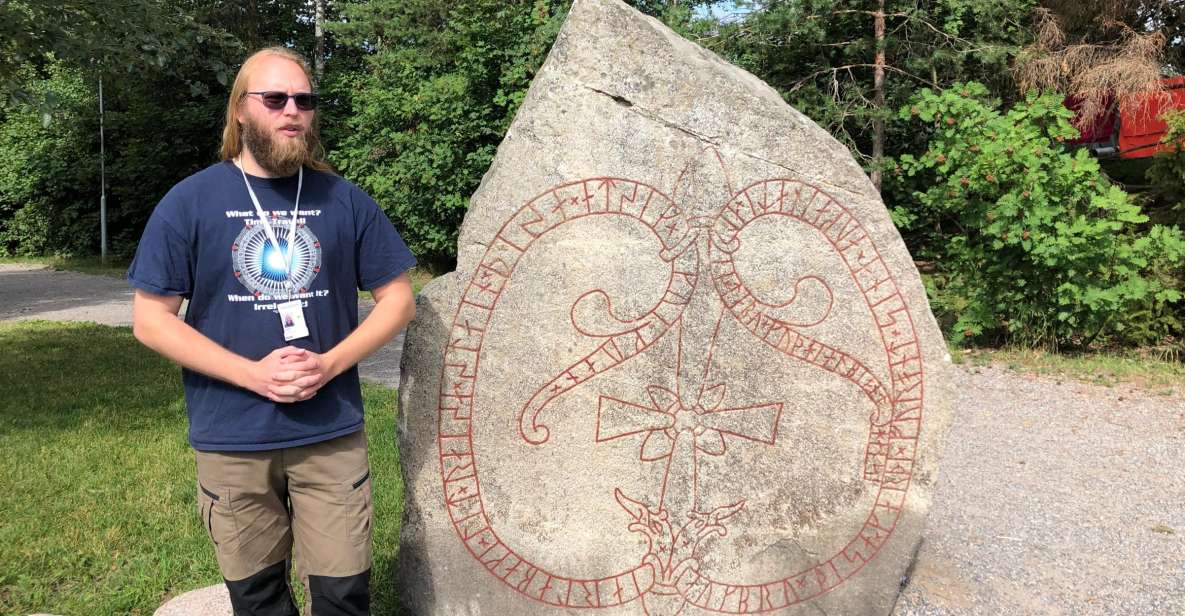
- Broby bro burial ground and the Jarlabanke Runestones, with burial rites explained
- Estrid and stories tying together pagan and Christian-era traditions
- Jarlabanke Bridge and the raised runestones along the causeway area
- How Vikings built roads and bridges, using what you can still see today
- Arkils tingstad remnants of a Viking parliament, with a clear look at society
- A countryside escape from central Stockholm, with time to look slowly, not rush
A 3-Hour Viking Time-Travel Ride Out of Stockholm
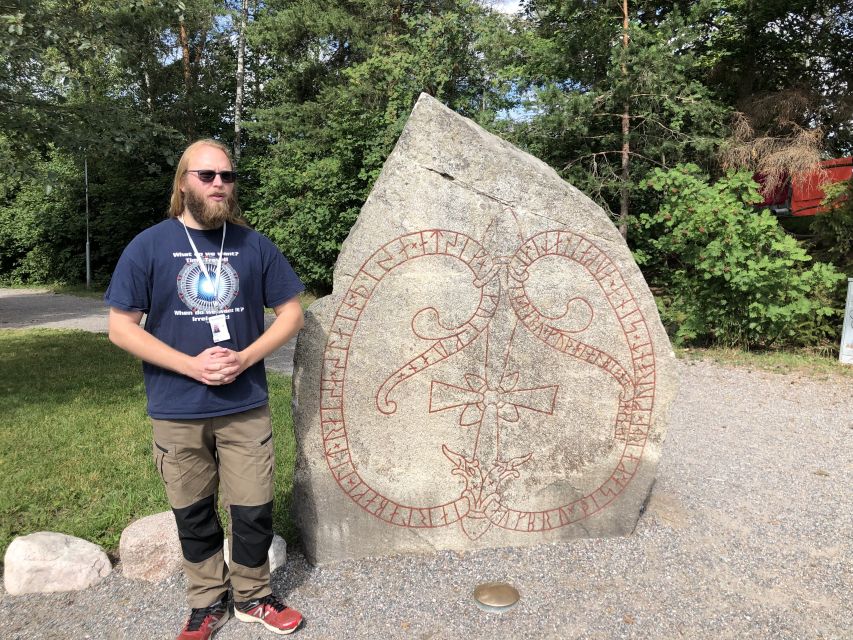
This tour is built for people who don’t want to spend an entire day to get a real Viking hit. In just 3 hours, you move from central Stockholm into the surrounding region that historically fed the Viking world—runestone areas, causeways, and assembly-type sites.
That time pressure is a feature, not a bug. You don’t have to choose between history and a full day of sightseeing. You get a compact route where each stop explains the next one.
Expect a clear “out of the city and back” rhythm. The pace is steady, with brief stops for looking closely and listening as the guide connects what you’re seeing to how Viking society worked.
You can also read our reviews of more historical tours in Stockholm


Pickup and Small-Group Setup That Keeps It Personal
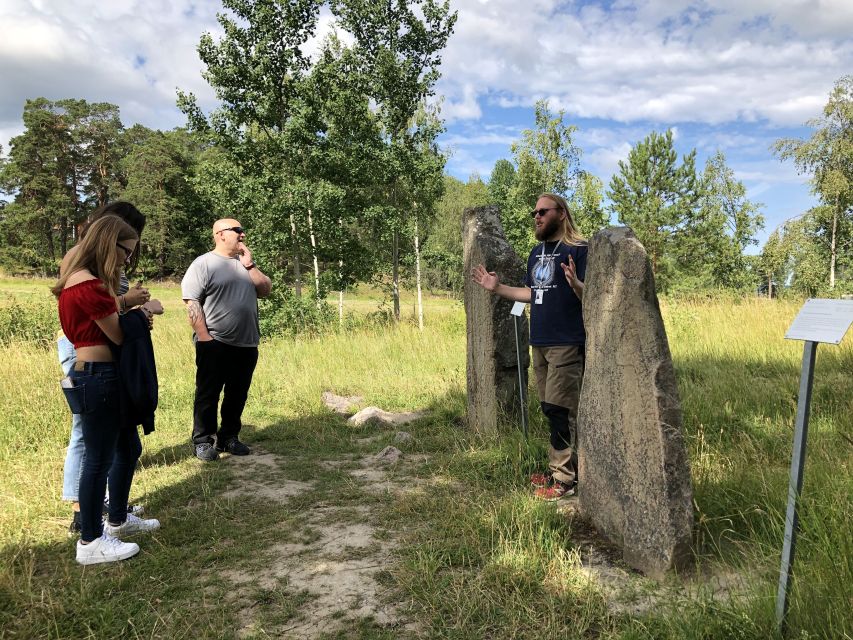
The logistics are simple. Your guide and driver pick you up from hotels or accommodations within 5 kilometers of Stockholm Central Station, then drop you back after the tour. That matters because it saves you the hassle of finding transport for a short outing.
The group is small—no more than 16 people—which changes the feel. It’s easier to ask a question, and it’s less likely the guide has to rush past details to manage a big bus crowd. You’ll spend your time outdoors and listening, not waiting.
Since the tour runs in English and includes a live guide, you’re not left reading labels. You’re given a guided thread: burial practices, runestone messages, building methods, then social organization.
Broby bro: The Jarlabanke Runestones Burial Ground
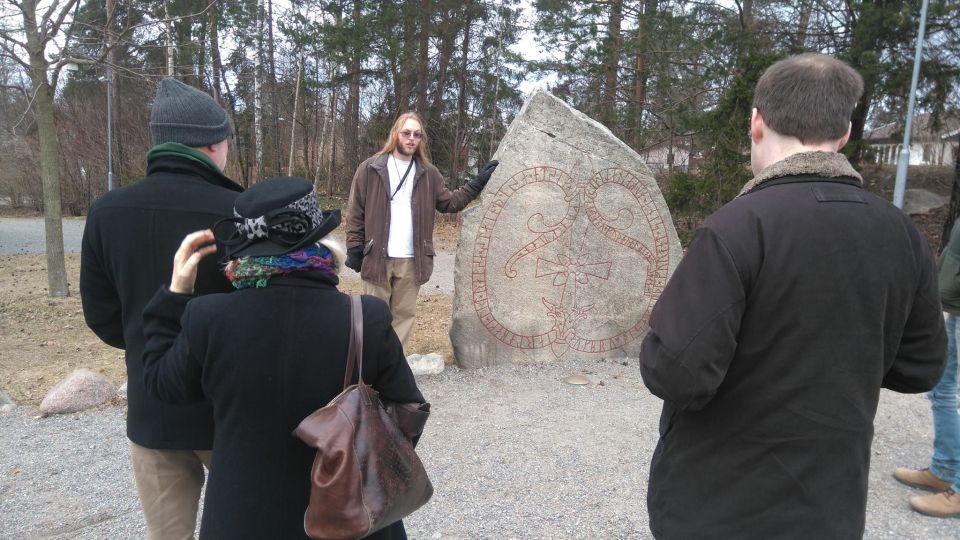
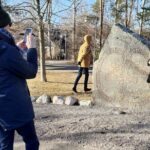
The tour starts with one of the strongest “anchor” sites for Viking history: the burial ground at Broby bro, tied to the Jarlabanke Runestones.
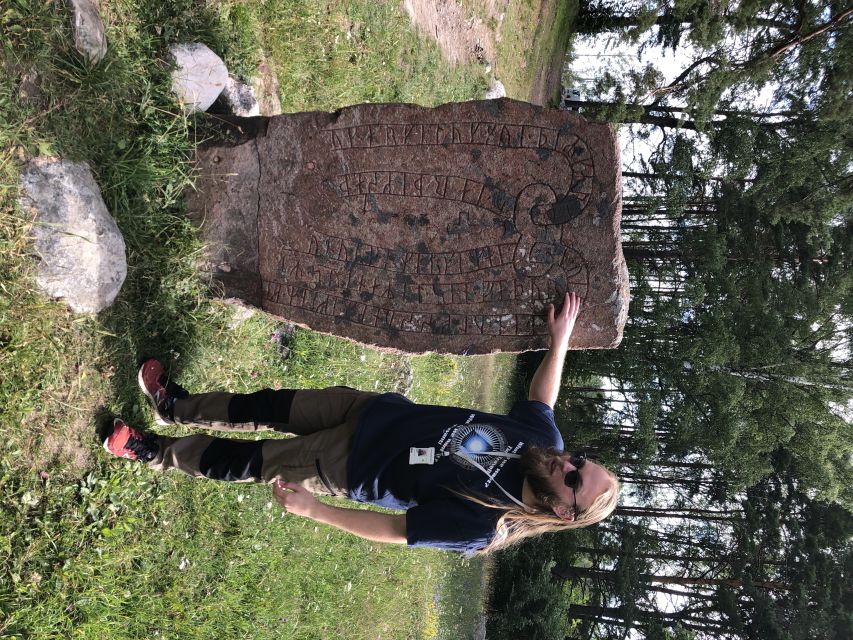
Runestone areas don’t work like a single monument you can admire from one angle. What makes this stop worthwhile is the guide’s explanation of what these stones were doing for the people who raised them. You’re not just seeing carved symbols; you’re learning how memory, status, and family ties were expressed in stone.
The burial ground angle also brings in real cultural complexity. You hear about burial rites and how pagan and Christian traditions overlapped or shifted over time. That’s a big deal because it prevents Vikings from being treated as a single, uniform “before Christianity” group. It’s a more accurate picture: beliefs and practices changed in real life.
This is also where you hear about Estrid, described as a mighty Viking woman. Even if you’ve read Viking history before, this kind of person-centered story helps you understand who had influence, not just what warriors supposedly did.
What to look for
Take a slow minute with the stones. Try to notice how the imagery and inscriptions connect to the people and place the guide is talking about. The carvings can feel abstract at first, but the explanations give them a framework.
Estrid and Burial Traditions: How Vikings Used Memory
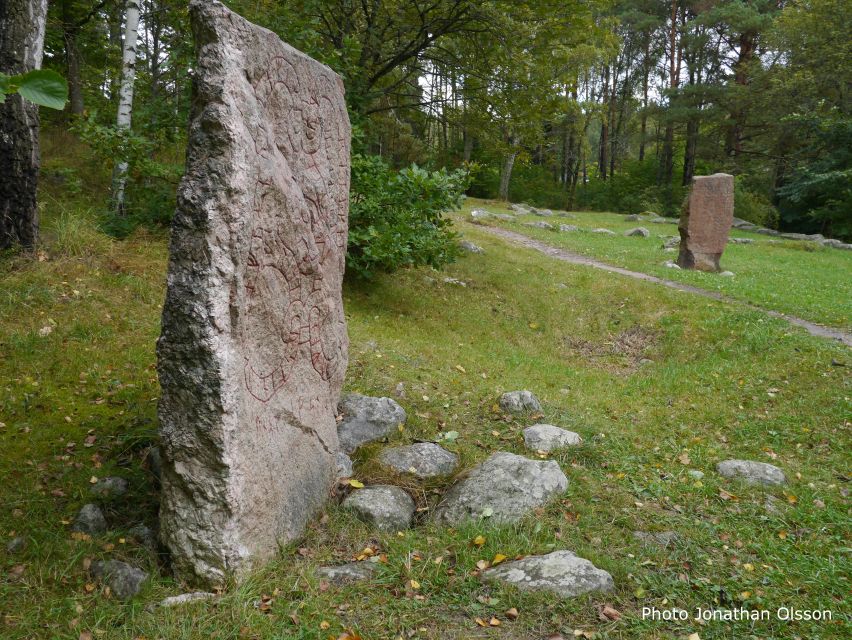
This stop does more than set the mood. It trains your eyes and ears for the rest of the route.
When the guide talks about burial customs, you start seeing the logic behind monuments. Stones become a public statement. They mark relationships—who commanded, who was honored, and which families mattered in that landscape.
The pagan-to-Christian discussion is especially useful for anyone who has only encountered Vikings through stereotypes. You get a sense that history wasn’t a clean switch from one belief system to another. Instead, the story is about transition, overlap, and the choices families made as new religious ideas spread.
Estrid’s inclusion also shifts the Viking story away from only kings and fighters. You get a reminder that social power could exist in households and lineages, not just on battlefields.



A practical note
This part of the tour is outdoors. Wear layers even if it’s bright, and don’t assume you’ll only feel cold in motion. Sitting still for explanations can chill you fast.
Jarlabanke Bridge and the Causeway: Roads, Stones, and Control
Next comes Jarlabanke Bridge, at the entrance to the causeway area. This is where the tour becomes especially satisfying for anyone who likes “how it worked” history.
You’ll see raised runestones that are typical of Viking road and crossing regions. The guide explains how they built roads and bridges—using the evidence still present around you. That’s the big value here: the history isn’t only told, it’s visible.
The bridge-and-causeway focus is also a smart way to understand Viking power. Crossing points weren’t neutral. They were strategic places tied to trade routes, travel, and local authority. When runestones cluster near these areas, you can feel how the landscape became a network of control and communication.
Then the story ties in the Viking chief Jarlabanke and his clan. You’re not just learning vocabulary. You’re learning how a leader’s identity could be made permanent across generations.
Why this stop feels different
A burial ground tells you about remembrance. A bridge area tells you about movement—real daily life: traveling, connecting communities, and keeping routes functional. Put together, you get a more complete Viking picture.
Arkils tingstad: The Remains of a Viking Parliament
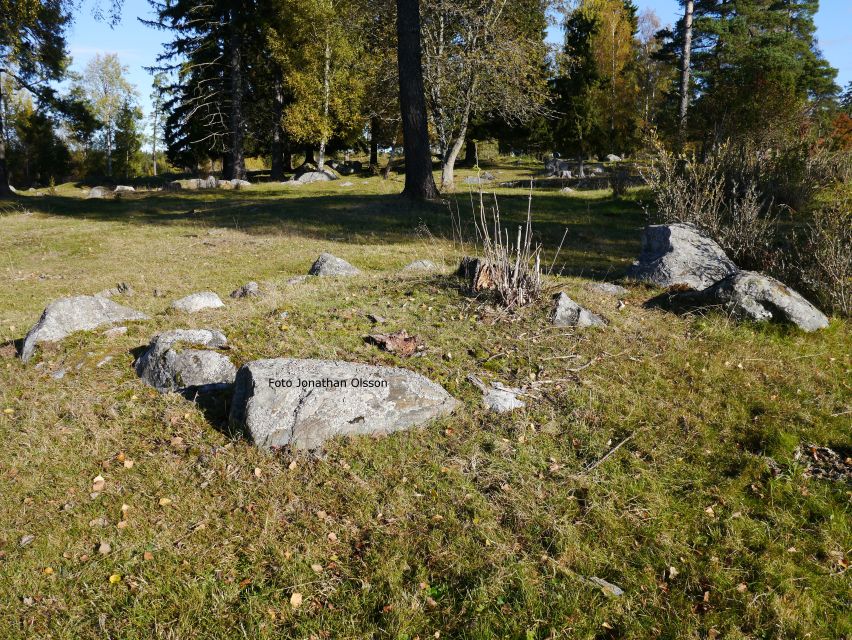
After the crossing and road story, the tour shifts to a different kind of power: collective decision-making. You visit the remains of a Viking parliament at Arkils tingstad.
This stop is valuable because it helps you understand Viking society beyond the warrior image. Viking assemblies weren’t just “gatherings.” They were a way society organized itself, where disputes, decisions, and community authority could play out.
The tour doesn’t ask you to guess. It frames the site and explains how things were structured—enough to make the idea of a parliament feel grounded rather than vague.
Even if the remains are subtle, the point is interpretation. The guide helps you connect the physical traces to social function. That’s how you get real learning in a short time.
Quick takeaway
When you leave Arkils tingstad, you should feel a clearer sense of how leadership worked at the local level. It’s not all about distant kings; it’s about how communities ran themselves.
Countryside Views: The Best Reason to Escape Stockholm
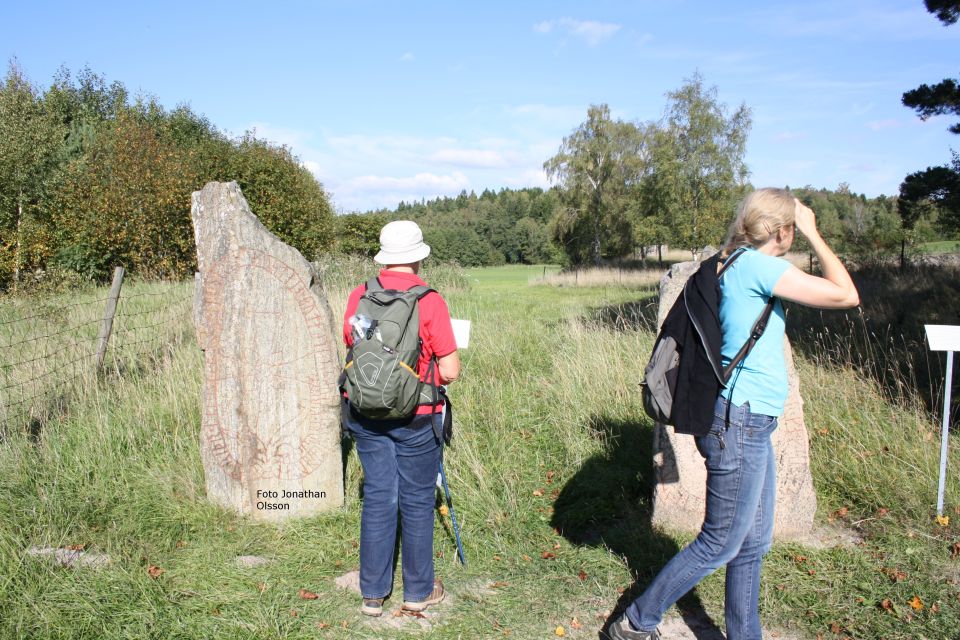
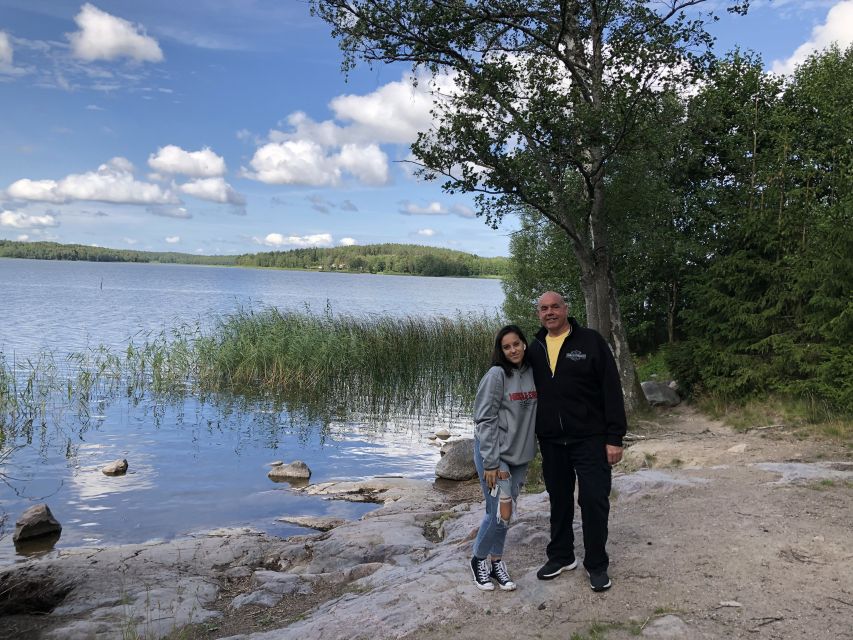
The tour is also a break from the city. You leave central Stockholm behind and spend time in the calmer countryside surrounding the Swedish capital.
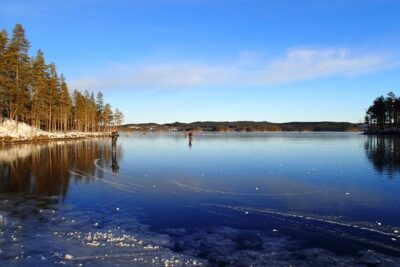
The practical benefit is that your brain gets a reset. You’re walking in an open setting where you can actually look out and see the terrain the Vikings would have recognized. That visual context makes the runestones and causeway feel less like random artifacts and more like part of a functioning world.
Weather matters here. If you’re booking in cold season, plan for real winter conditions. One of the standout things from people’s experiences is how sharply cold it can get, with advice about packing warm gear to comfortably finish the tour.
Price and Value: Is $138 Worth It?
At $138 per person for 3 hours, you’re paying for three things at once: guide expertise, transportation with pickup/drop-off (within the stated area), and entry/related costs being covered.
Is it “cheap”? No. But it isn’t just a scenic drive either. You’re getting:
- A small group (so the guide can actually explain)
- Multiple Viking sites linked by theme (burial → crossings → assembly)
- A live English guide with a factual approach
- All costs included, so you’re not hunting for ticket fees mid-tour
For many visitors, the value comes down to time. If you only have a few hours and you want Viking context tied to specific places, this tour is efficient. If you’d rather wander slowly on your own and you already know the region well, you might not need a guided route.
Also, there’s one value snag to keep in mind: food is not included. If you’re hungry, that can eat into the “short and sweet” logic. I’d treat this tour like a history walk: plan to eat before you go or have a post-tour meal ready.
What I’d Pack and How to Prepare
This experience is short, but it’s not effortless. It’s outdoors, and there are multiple stops.
Bring:
- Warm layers and something windproof if it’s cold
- Comfortable shoes for walking in uneven outdoor areas
- Sunglasses or a hat if it’s bright, even in winter
- A small snack or drink if you get hangry easily (food isn’t included)
If you’re visiting during winter, don’t underdress. Cold can creep in fast when you’re stopped for explanations. One person’s experience highlighted how serious winter temperatures can be, along with a strong suggestion to have properly warm gear so you don’t end up cutting the tour short.
And mentally: go in ready to look closely at stones and listen. The payoff is in attention, not in flash.
Who This Tour Suits Best
This is a great fit for you if:
- You want Viking history tied to specific places around Stockholm
- You like a guided, factual explanation rather than a theme-park style show
- You have limited time and want a structured route in 3 hours
- You enjoy seeing how society worked—family honor, building infrastructure, and community assemblies
You might look elsewhere if:
- You want long, museum-heavy indoor time
- You’re not comfortable with outdoor walking in cool weather
- You’re hoping for hands-on activities, because this is mainly site viewing plus storytelling and interpretation
- You need food included as part of the experience
Should You Book This Viking Culture and Heritage Tour from Stockholm?
Book it if you want a sharp, grounded introduction to Viking life in Uppland—runestones, a causeway and bridge area, and the remains of a Viking parliament, all in one efficient small-group outing. The guide’s fact-focused approach (with Erik’s clear storytelling) is a big part of the appeal, and the short duration helps you fit it into a tight Stockholm itinerary.
Don’t book it if you hate cold weather stops or you’re expecting meals and a fully self-contained day. Plan snacks, dress properly, and treat it like an outdoor history lesson.
If your goal is to understand what the Vikings actually left behind—stone messages, crossing points, and how communities organized—this tour delivers a lot for the time you spend.
FAQ
How long is the Viking Culture and Heritage small group tour from Stockholm?
The tour duration is 3 hours.
What’s the group size limit?
The group is kept small, with no more than 16 people.
Is hotel pickup and drop-off included?
Yes. Pickup and drop-off are included if your hotel or accommodation is located within 5 kilometers of Stockholm Central Station.
What sites will we visit during the tour?
You’ll visit the Broby bro burial ground (associated with the Jarlabanke Runestones), the Jarlabanke Bridge area at the entrance to the causeway, and the remains of a Viking parliament at Arkils tingstad.
Is the tour in English?
Yes, the live tour guide speaks English.
Is food included?
No, food is not included.
Are there any costs besides the tour price?
The tour states that all costs are included.
What’s the cancellation policy?
You can cancel up to 24 hours in advance for a full refund.
Can I book without paying right away?
Yes. The tour offers a reserve now & pay later option, so you can book your spot and pay nothing today.