REVIEW · STOCKHOLM
Stockholm: Nobel Prize Museum and Exhibition Entry Ticket
Book on GetYourGuide →Operated by Nobel Prize Museum · Bookable on GetYourGuide
A Nobel Prize story you can actually walk through. This museum turns big ideas about science, authorship, and peace into video, audio, artifacts, and guided tours right in Stockholm Old Town.
I really like the way it uses real Nobel items and multi-sensory storytelling to make laureates feel close, not distant. Another win is that the ticket covers a museum tour plus temporary exhibition access, so you’re not just wandering.
One practical heads-up: Bistro Nobel is closed (water-damage restoration in spring, and it has been closed since July 2024), so plan your meal elsewhere.
In This Review
- Key things to know before you go
- Nobel Prize Museum at Stortorget: what your ticket really buys
- The permanent exhibition: These Things Changed the World
- Multimedia that turns “history” into stories you can follow
- Guided tour strategy: join English or Swedish for better flow
- How long it takes: plan your “small museum” timing
- Temporary exhibitions: extra value without the added planning
- Nobel shop stop: the chocolate medal souvenir
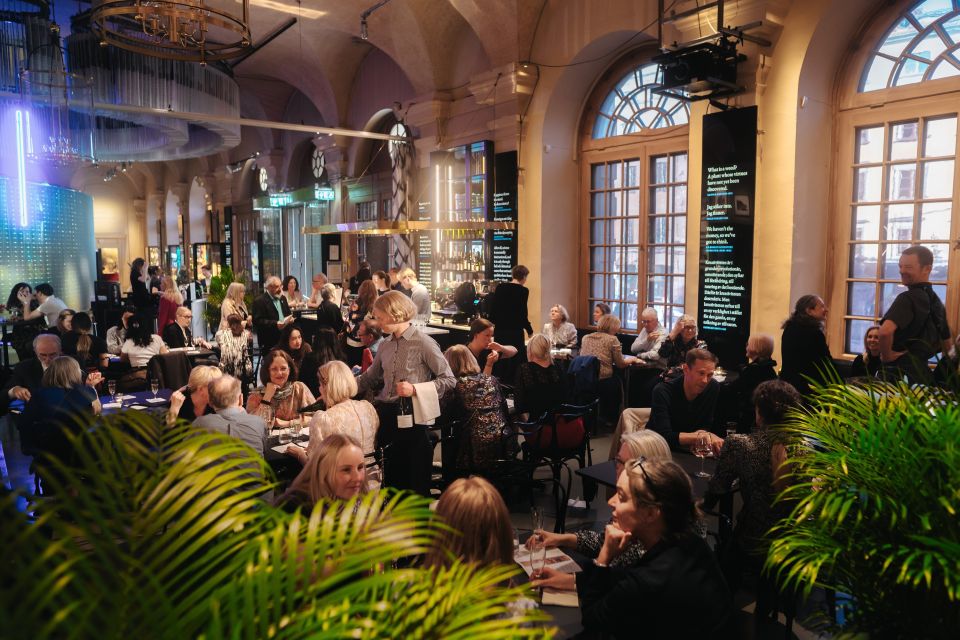
- Food reality check: Bistro Nobel is closed
- Who this Nobel Prize Museum ticket is best for
- Value check: is $18 worth it?
- Should you book this Nobel Prize Museum ticket?
- FAQ
- Where is the Nobel Prize Museum in Stockholm?
- How much does the entry ticket cost?
- How long should I plan for this visit?
- What is included with the ticket?
- Are food and drinks included?
- Are guided tours included, and what languages are offered?
- Is the museum wheelchair accessible?
- Can I cancel or change my plans?
Key things to know before you go
- Stortorget location in Gamla Stan: convenient Old Town walk, easy to fit into a day
- Guided tours included (English and Swedish daily): you can join a session from the entrance team
- Permanent exhibition with 200+ artifacts: objects tied to inventions, peace efforts, ideas, and literature
- Multimedia everywhere: plan to spend time with videos and audio stories
- You can go fast or slow: the museum is small enough for a quick visit, but longer if you watch and read
- Shop stop for the Nobel chocolate medal: a classic souvenir move before you head out
Nobel Prize Museum at Stortorget: what your ticket really buys

This is one of those Stockholm stops that works even if you’re not trying to “do every museum.” The Nobel Prize Museum is compact, very central, and built around stories that connect Nobel laureates to the world we live in now.
For about $18 per person, you get entry, access to a temporary exhibition, and a museum tour. That mix matters. In many museums, your ticket buys the building, but you still have to pay extra for the good context. Here, the tour is included, so you’re more likely to understand what you’re looking at without guessing.
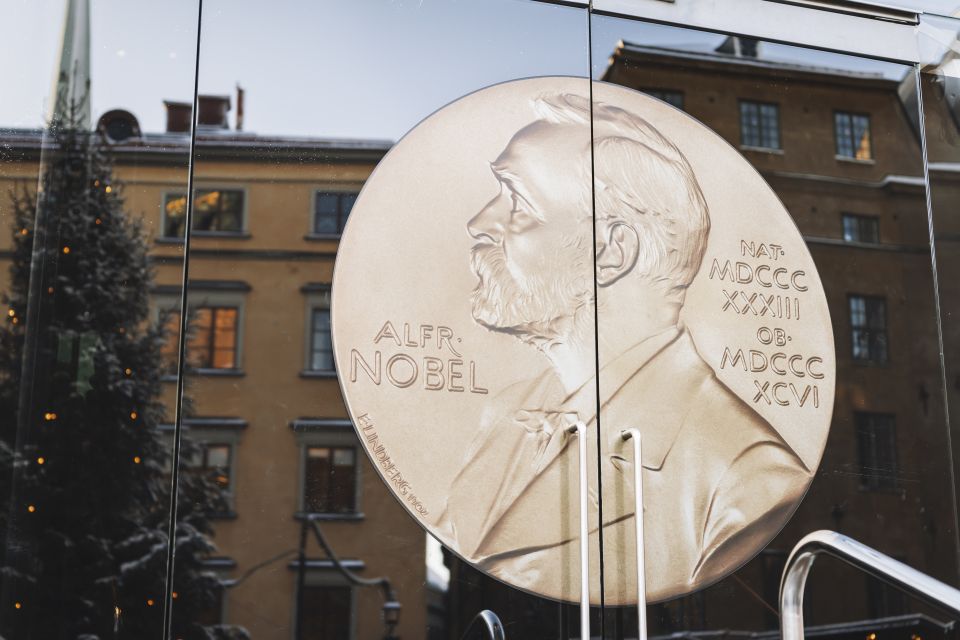
Your meeting point is straightforward: Stortorget in Gamla Stan (Stockholm Old Town). That means you can pair it with a normal Old Town day—coffee, streets, photo stops—without needing extra transportation or planning.
You can also read our reviews of more tours and experiences in Stockholm


The permanent exhibition: These Things Changed the World
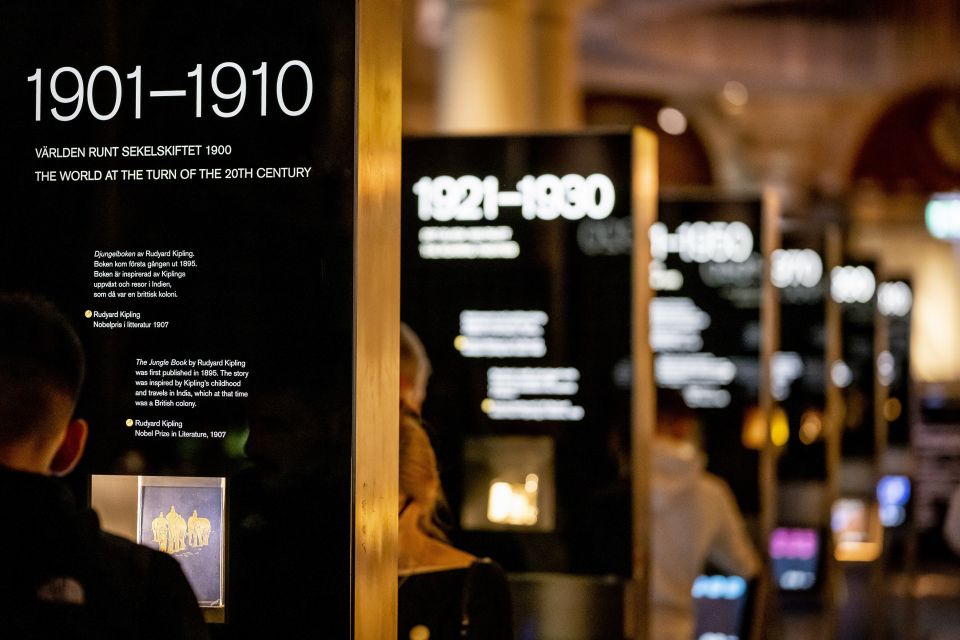
The heart of the experience is the permanent show called These things changed the world. It’s built around objects from the museum’s collection—more than 200 artifacts—with the goal of telling how Nobel work shaped discoveries, peace, and ideas across fields.
What makes this exhibition work is the object-first approach. You’re not just reading names on a wall. You’re seeing tangible links to achievements: inventions, peace efforts, breakthrough thinking, and literature tied to Nobel recognition. Even if the science details aren’t your thing, the human story behind the work is usually the hook.
Here’s how to use the space well: don’t rush the labels. The museum’s size can tempt you to speed-walk. But the best moments tend to be when you stop long enough to connect a specific artifact to the question Nobel is trying to answer: what kind of work changes the world, and why?
Multimedia that turns “history” into stories you can follow
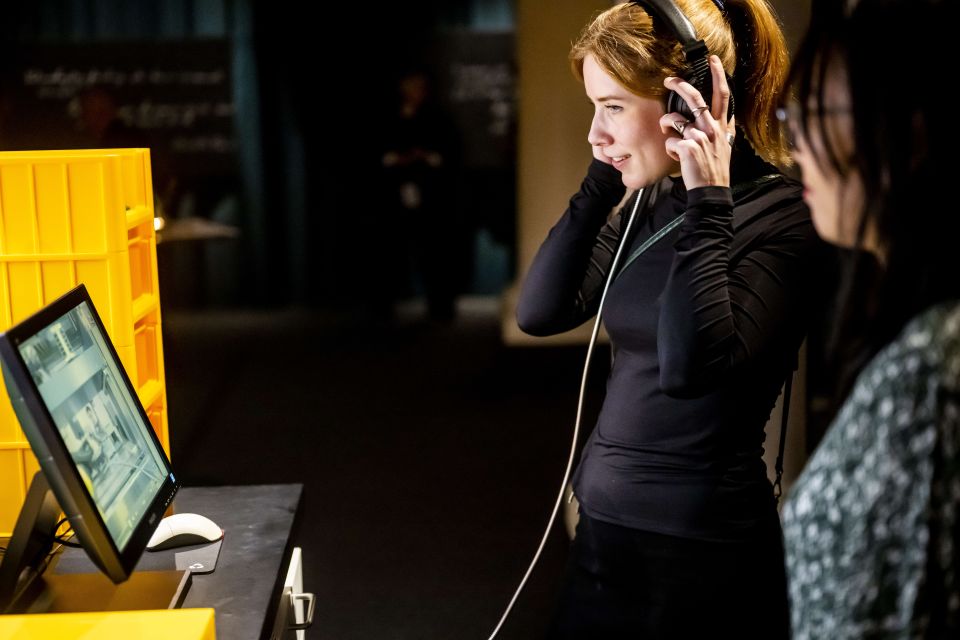
If you like museums that talk to you in more than one format, this is a strong match. The exhibits lean on videos and audio stories, plus artifact displays that give you something solid to look at while you listen or watch.
In practice, that means you should plan your pace. If you’re the type who reads everything, expect you’ll slow down at certain stations. If you’re more visual, you’ll still want time for the video sections, because that’s where the museum often ties together context and meaning.
I like that the multimedia doesn’t feel like background noise. It’s used to explain, not to fill space. You come away with a clearer sense of why the Nobel Prize exists and how different kinds of contributions—scientific, literary, and peace-related—fit into the same overall mission.
Guided tour strategy: join English or Swedish for better flow
Your ticket includes a museum tour, and the museum runs daily guided sessions in English and Swedish. The entrance staff can tell you the current schedule, so your best move is simple: arrive, ask what’s next in English, and choose a session that fits your timing.
Why I recommend prioritizing the guided portion: the museum is small, but it’s packed with stories. A good tour helps you avoid the common mistake of seeing lots of exhibits but missing the through-line. One guide experience stands out in the available details—Ella—noted for strong English explanations and enthusiasm for connecting design and background to what you’re seeing.
Even if you plan to self-explore too, the guided part changes the whole visit. Think of it like getting a map first, then walking the streets.
How long it takes: plan your “small museum” timing
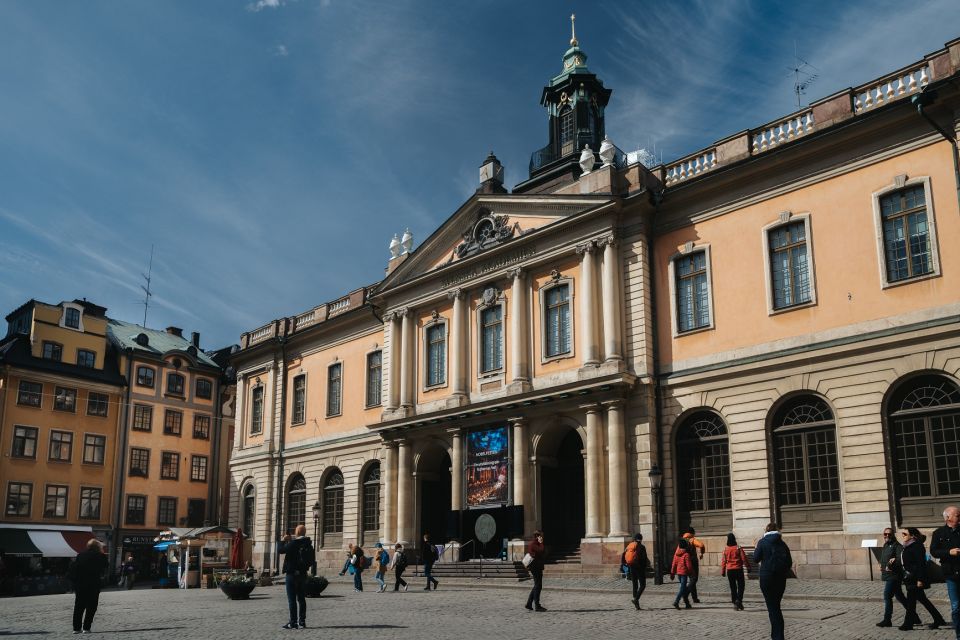
The Nobel Prize Museum is often described as small, which is good news if you don’t want your day eaten up. A typical approach works like this: you can get through the core visit quickly, but you’ll extend your time if you watch videos and read the object descriptions carefully.
A useful way to plan:
- If you want a fast, satisfying stop, you can expect roughly 1–2 hours.
- If you slow down for multimedia and more reading, it can stretch to around 3 hours.
Because the museum is compact, crowding can also matter. If you like elbow room, try to avoid your museum visit being the exact same time everyone else is arriving—especially on busy Old Town days. You’ll still have access, but your experience is more comfortable with a little breathing space.
You can also read our reviews of more museum experiences in Stockholm




Temporary exhibitions: extra value without the added planning
Your ticket includes access to a special/temporary exhibition along with the permanent collection. That’s one of the easiest value boosts in this kind of attraction: you’re not paying for one static show and hoping it’s your favorite topic.
The temporary exhibition changes what you focus on. Sometimes that means more emphasis on specific laureates or themes of the year. Other times it can add a different angle to how Nobel prizes connect to peace, progress, and human rights.
In a small museum, temporary access matters more than it sounds. It increases variety without turning your visit into a whole second museum day.
Nobel shop stop: the chocolate medal souvenir
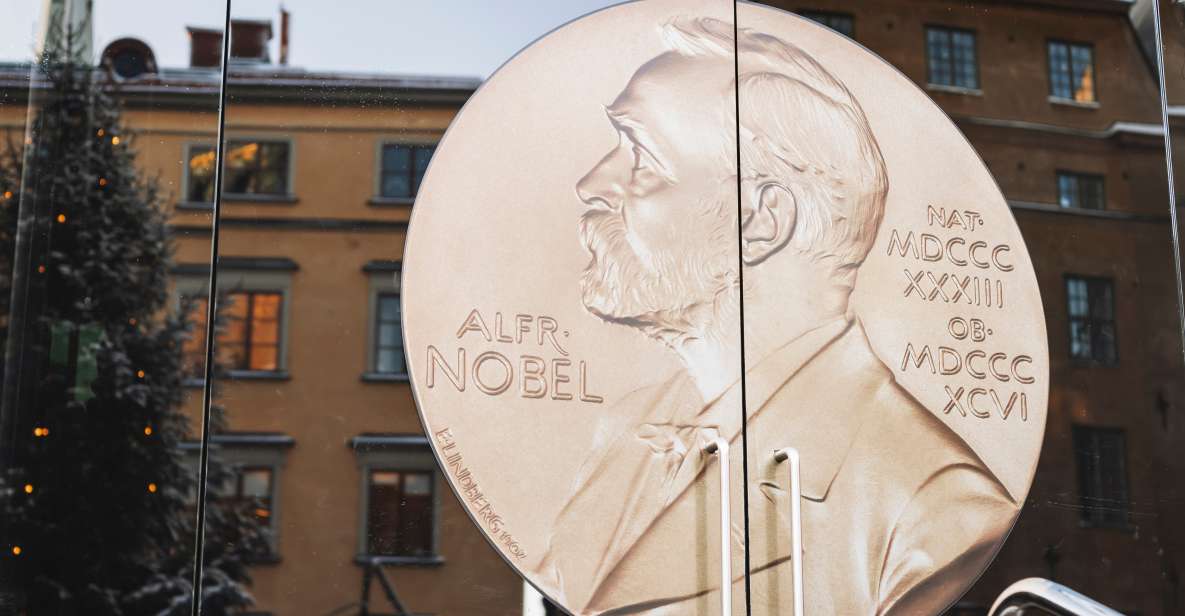
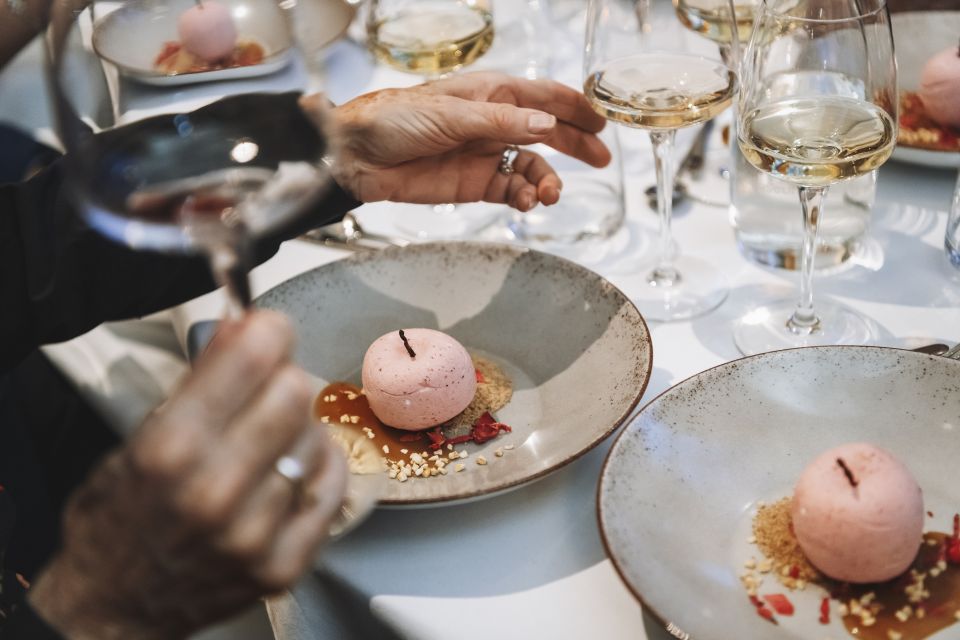
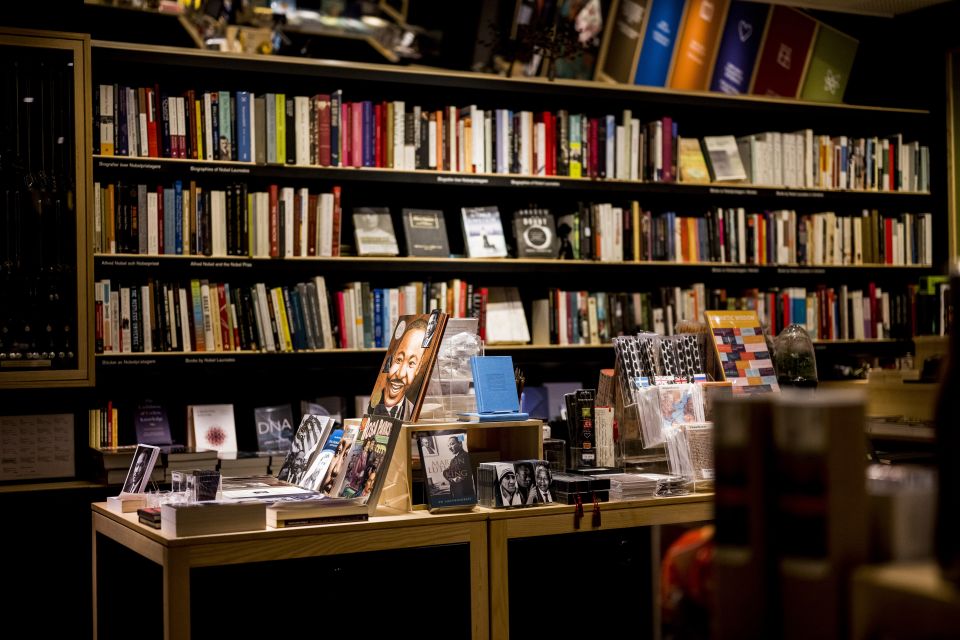
Before you leave, budget time for the museum shop. It has a range of books, gifts, and souvenirs, including the famous Nobel Prize medal chocolate.
This is a fun last stop because it turns the visit into something you can take home. If you’re buying for a teenager, a science-minded friend, or someone who likes playful collectibles, this is one of the simplest ways to bring the theme home without adding clutter.
I also like using the shop as a timing check. If you’re early and energized, grab your souvenir and then go back into the galleries for one more careful pass at the multimedia sections.
Food reality check: Bistro Nobel is closed
This is the one logistical thing that can change your day. Bistro Nobel is closed during spring restoration work after water damage, and it has been noted as closed since July 2024.
So don’t build your schedule around eating inside. Instead:
- treat this museum as a walk-in cultural stop, then plan lunch nearby in Gamla Stan
- if you’re traveling with kids, bring a snack or plan a meal pause right before or after your museum time
The ticket doesn’t include food or drinks anyway, so your best move is to treat the museum like a focused educational block, then switch gears back to strolling and eating in the Old Town.
Who this Nobel Prize Museum ticket is best for
This experience fits best when you want peace and world history themes explained through people, objects, and media—without needing a big, time-consuming museum plan.
You’ll likely enjoy it if:
- you’re curious about Nobel laureates beyond just the headline names
- you like exhibitions with audio and video, not only text panels
- you’re traveling with a student or teen who likes learning in a structured way
- you want a central stop that doesn’t require public transport juggling in Old Town
It also works well for a mixed group. The Nobel categories can be broad—science, literature, and peace efforts—so there’s usually something that grabs someone, even if everyone has different interests.
Value check: is $18 worth it?
For many museums, the real question is what you get for your time. Here, your money buys more than an entrance stamp: you get a tour, permanent exhibits with 200+ artefacts, and temporary exhibition access. That combination makes the price feel more reasonable.
Also, the location helps the value. Since it’s right by Stortorget in Gamla Stan, you’re not wasting half a day traveling or searching for the entrance. You can slot it into a broader Old Town route.
If you’re the type who tends to skip guided tours, this ticket can still be a good deal because the museum is organized and easy to navigate on your own. But if you do take the included tour, you’ll almost certainly get more out of the objects and the stories behind them.
Should you book this Nobel Prize Museum ticket?
I’d book it if you want a high-impact, low-stress museum visit in Stockholm—one that explains Nobel ideas through real artifacts and multimedia, with a tour included in the ticket price. It’s also a great pick if you have limited time in Gamla Stan and want something educational that won’t swallow your whole day.
Skip or rethink if you’re looking for a huge museum campus or a place where you’ll also eat a long sit-down meal. The space is compact, and Bistro Nobel is closed, so plan your food off-site.
If that sounds fine, you’ll likely appreciate how the exhibits connect Nobel laureates to the big, practical questions of peace, discovery, and human progress—right where you’re already wandering.
FAQ
Where is the Nobel Prize Museum in Stockholm?
The museum is located at Stortorget in Stockholm Old Town (Gamla Stan).
How much does the entry ticket cost?
The price is $18 per person.
How long should I plan for this visit?
It’s listed as a 1-day experience. The museum is small, and many people can finish in about 1–2 hours, or longer if they watch videos and read more.
What is included with the ticket?
Your ticket includes entry, access to a special/temporary exhibition, and a museum tour.
Are food and drinks included?
No. Food and drinks are not included.
Are guided tours included, and what languages are offered?
Yes, daily guided tours in English and Swedish are included. You should ask the entrance staff for information about the current tour times.
Is the museum wheelchair accessible?
Yes, it’s wheelchair accessible.
Can I cancel or change my plans?
There’s free cancellation up to 24 hours in advance for a full refund. You can also use reserve now & pay later.