REVIEW · STOCKHOLM
Introduction to Ice Skating on Natural Ice in Stockholm
Book on Viator →Operated by Stockholm Adventures ICEguide · Bookable on Viator
A frozen pond can feel like a private Sweden postcard. This small-group natural-ice skating outing turns a normal winter day into an active, classic local sport, with coaching and gear so you can actually enjoy the glide. I like how the guides keep it practical and safety-first, and I also love the contrast of skating outside on real ice instead of a groomed indoor rink. One thing to consider: this experience depends on ice and weather, so the guide may change the plan—or cancel for safety—if conditions aren’t right.
You’ll start in central Stockholm, get fitted with the right equipment, and then head out to where the ice is best that day. Once you’re on the water, you’ll learn real tips for Nordic skating balance and control, then you’ll take a break with an outdoor lunch by a bonfire. I especially like that the experience is suited for beginners through advanced skaters, so you’re not stuck feeling lost while others fly past you. The main drawback is that you need winter-appropriate clothing and some readiness for cold, since you’ll be outside for much of the day.
In This Review
- Key Things You’ll Notice on This Natural-Ice Day
- Why Natural-Ice Skating Near Stockholm Feels Different
- The 8:00 AM Start and How Your Day Gets Moving Fast
- Getting Fitted for Nordic Skates and Staying Safe on Real Ice
- How the Guide Picks Your Skating Spot (And Why That’s Smart)
- What to Expect When You First Step Onto Natural Ice
- The Outdoor Lunch by Bonfire: Warm Fuel, Real Atmosphere
- Second Skating Session: Practice With Real Momentum
- Clothing and Footwear: The One Thing That Can Make or Break Your Day
- Price and Value: What $241-ish Buys You
- Logistics That Matter: Mobile Tickets, Minimum Numbers, and Easy Returns
- Who This Tour Is For (and Who Might Want Another Option)
- A Quick Should-I-Book Decision
- FAQ
- What time does the ice skating tour start?
- How long is the tour?
- What’s included in the price?
- Do I need skating experience?
- What should I wear?
- What happens if weather is poor?
Key Things You’ll Notice on This Natural-Ice Day
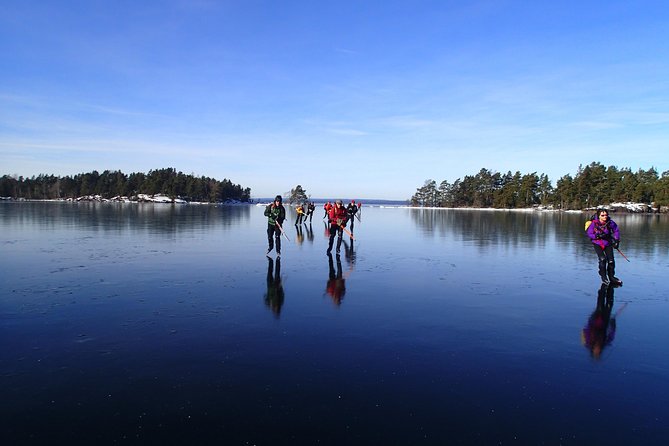
- Small group (max 8) means more hands-on help and less waiting around
- Natural ice, chosen daily by the guide so you skate where conditions are best
- Skating instruction plus safety gear so you’re not guessing on an outdoor rink
- Bonfire lunch with hot/cold drinks keeps energy up between skating sessions
- All-weather operation unless unsafe with the guide making the call in real time
- English instruction plus approachable coaching that helps nervous first-timers
Why Natural-Ice Skating Near Stockholm Feels Different
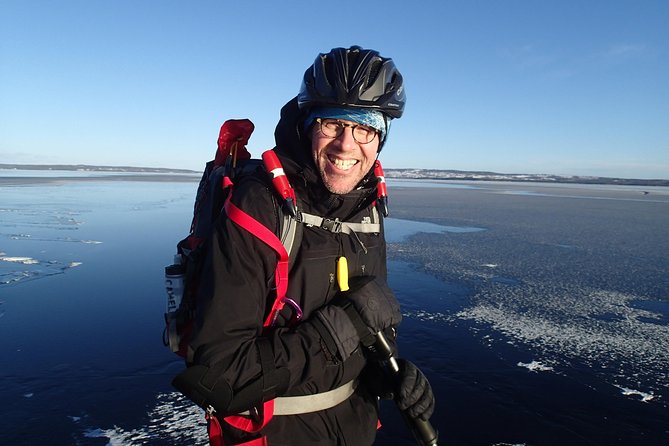
Indoor skating rinks are controlled. Natural ice isn’t. That’s the point, and it’s also what makes this day so much more memorable. When you skate on a pond, river, or lake, the ice has its own personality—slightly uneven spots, natural texture, and the way your edges grip (or don’t) compared with a smooth rink surface.
What I love is that the experience doesn’t pretend you’ll be fearless on day one. You’ll get orientation and tips before you set out, and the guide stays close enough to help you find comfort. You’re also skating in a Scandinavian winter setting that’s hard to replicate indoors: cold air, open space, and the kind of quiet you only notice when you’re actually outside moving through it.
There’s also a cultural angle. Outdoor ice skating is part of Sweden’s winter life, not just a tourist activity. Even if you’ve never skated before, you’ll feel like you’re doing something genuinely Swedish instead of checking a box.
You can also read our reviews of more tours and experiences in Stockholm.



The 8:00 AM Start and How Your Day Gets Moving Fast
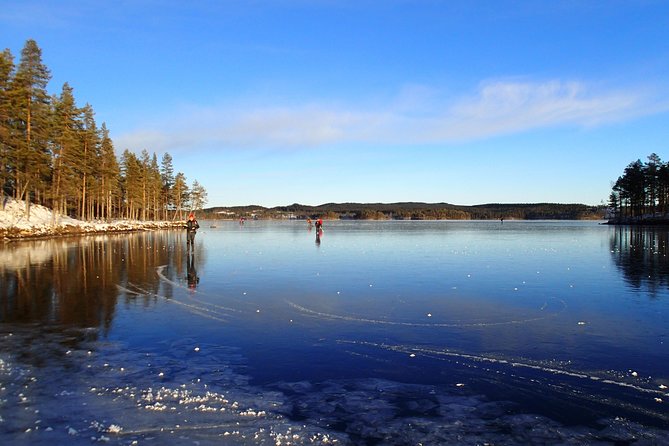
The tour meets at Stockholm Adventures / ICEguide at Kungsbro strand 21. You start at 8:00 am, and check-in is 15 minutes before departure—arrive late and you risk missing the tour.
This early start matters for two reasons. First, natural ice skating is time-sensitive: the best ice tends to be when conditions are stable. Second, an all-day outdoors plan works better when you get your first skating session done early, before fatigue and temperature start working against you.
You’ll begin by meeting your guide and the group in central Stockholm, then you’ll move into equipment fitting. The guide chooses the destination based on where the ice is best that day. That may sound like a small detail, but it changes the whole experience: good ice makes the coaching easier, and it’s the difference between fun edges and constant worry.
Getting Fitted for Nordic Skates and Staying Safe on Real Ice
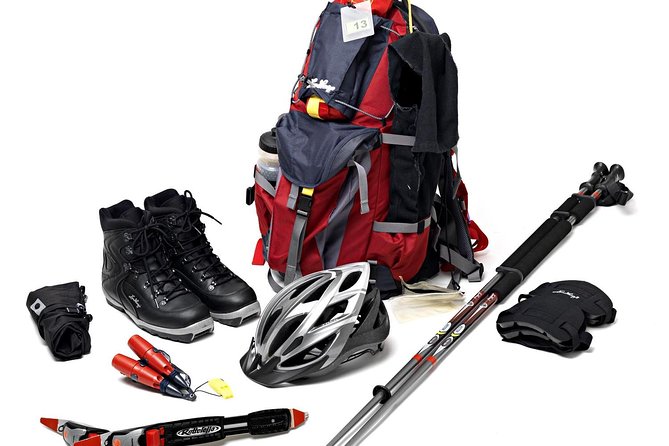
Before anyone hits the ice, you’ll be fitted for the necessary skating gear and safety equipment. This is not a casual, DIY rental. The gear is part of the learning process because skating outside can feel awkward at first—especially with styles designed for natural ice.
You’ll also get an orientation and a lesson with skating tips. The goal isn’t to turn you into an expert. It’s to give you a working feel for balance and control so you can glide without fighting the ice.
The reviews back up what you’ll feel during the day: the guides take safety seriously and they don’t act like speed is the only measure of success. Guides like Johan and Peter are highlighted for being patient, friendly, and willing to teach as questions come up. If you’re nervous—too uncoordinated, out of shape, or worried you won’t keep up—this is the kind of group setting where that fear usually fades fast because the coaching is direct and supportive.
How the Guide Picks Your Skating Spot (And Why That’s Smart)
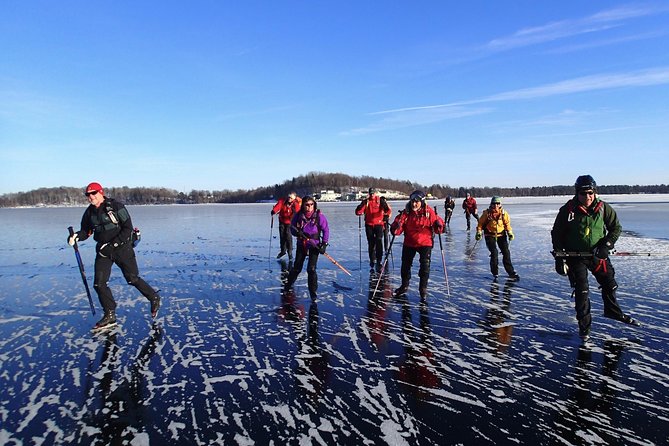
One of the clever parts of this tour is that your guide decides where you skate based on the best ice that day. You’re not locked into one fixed location hours away from town, no matter what the weather does overnight.
This makes practical sense. Outdoor ice conditions vary. Some areas freeze more reliably. Some get warmer faster in the sun. Some ice holds up better depending on wind and temperature swings. By adapting, the guide is effectively reducing the odds that you’ll waste the day on marginal ice.
Transport is also flexible. You’ll travel from central Stockholm either by public transportation or a private bus/minivan, depending on group size and ice/weather conditions. The key point: the logistics are set up so you spend time skating, not debating routes.
What to Expect When You First Step Onto Natural Ice
Once you arrive at the skating area, the day breaks into two distinct modes: learning and then testing your skills on the pond, river, or lake.
Expect the first moments to feel different from an indoor rink. The surface is natural, and your instincts might need a minute to adjust. You may feel your footing change when you shift weight, and you’ll likely notice how your edges bite compared with a groomed surface.
That’s why the lesson before you go out matters. Your guide will help you get set, explain what to focus on, and steer you toward techniques that work in outdoor conditions. And if it’s your first time, you’ll usually find the coaching is oriented toward comfort first—then control—then confidence.
Also, because this is outside, the scenery is part of the experience. You’re skating through open winter space with views you can’t fake. The air feels sharp, and you can tell you’re in real Sweden winter time.



The Outdoor Lunch by Bonfire: Warm Fuel, Real Atmosphere
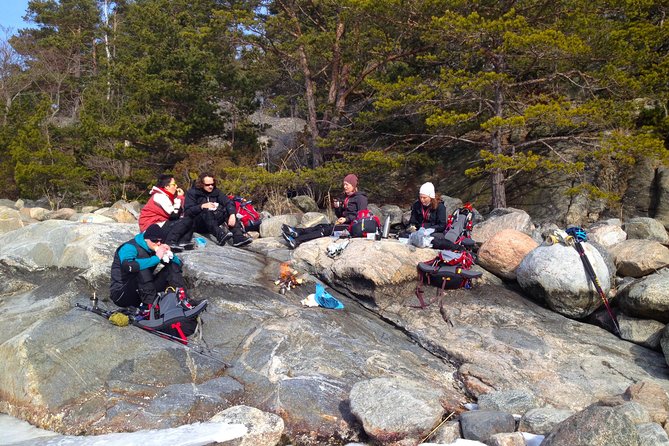
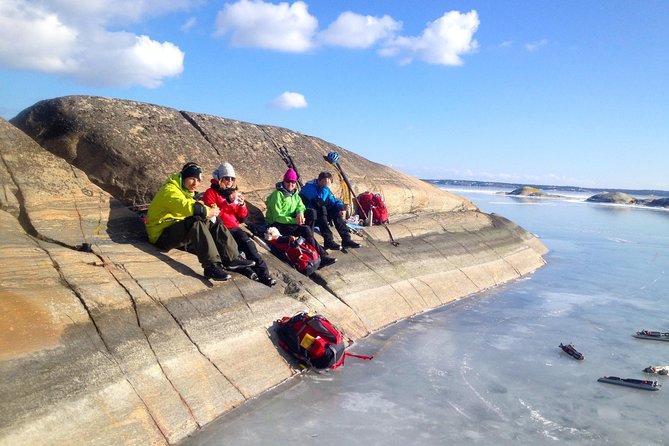
After the first skating session, you’ll head to a traditional outdoor lunch served with hot/cold drinks. This break is more than a meal. It’s a reset for your body and your mind.
Skating uses different muscles than normal walking. Cold also drains energy fast. A warm lunch by a bonfire gives you two things: you get calories back in your system and you get a chance to relax so the second skating block feels like fun instead of survival.
The lunch is also tied to the setting. Being outside, sitting near a fire, and taking in that winter quiet while you eat—this is exactly the kind of “I’m really here” moment you can’t recreate later with photos alone. And yes, multiple accounts call the lunch delicious, which matters because cold days punish anyone who underestimated hunger.
If the weather turns less cooperative, your guide may add something extra—one example from a past day was a side hike and short nature learning when conditions didn’t cooperate fully. So don’t think of the lunch as dead time. It’s often when the guide shifts gears and keeps the day interesting.
Second Skating Session: Practice With Real Momentum
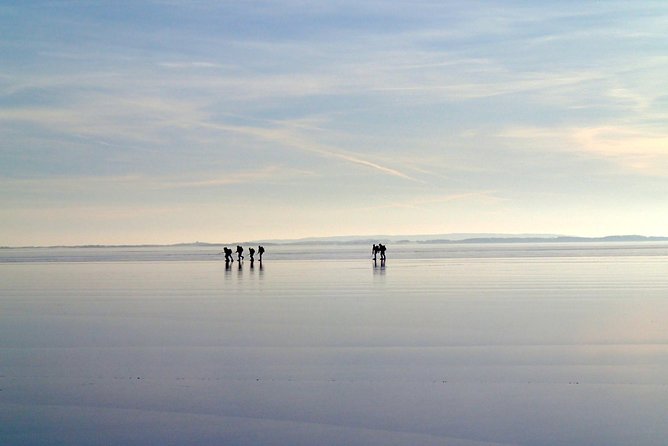
After lunch, you go back out on the ice for more skating time and skill work. This is where you benefit most from having a guide in front of you.
The pattern usually looks like this: you try what you learned earlier, you stumble a bit, and then you get corrected in a way that makes sense for natural ice. That second session is also when you start trusting your own balance more, because your body is warmed up now and your confidence has caught up.
You’ll also notice that the group size helps. With a max of 8 travelers, it’s easier for the guide to manage pacing and check in on individuals. This avoids the big-tour problem where you’re basically on your own once everyone’s outfitted.
Clothing and Footwear: The One Thing That Can Make or Break Your Day
The tour provides a list of suggestions for how to dress, but they don’t supply your winter clothing. You need to come ready for outdoor skating, which means layers, warmth, and gear that can handle wind and cold.
A couple practical reminders:
- Bring winter-appropriate gloves and outer layers. Cold hands ruin focus fast.
- Wear clothes you can layer without feeling bulky on the ice.
- You’ll be fitted with skates, but you’re asked to advise your EU shoe size ahead of time, so your footwear matters for the fit.
Because the weather can change, plan for staying outside longer than you expect. You’ll be outside for multiple phases: meeting, travel, fitting, skating sessions, and lunch.
Price and Value: What $241-ish Buys You
At $241.21 per person for about 6 hours, this isn’t cheap. But it’s also not just a “tour.” You’re paying for a protected experience with real structure: professional guiding, all skating and safety equipment, transport to/from the ice, and a traditional lunch with drinks.
That combination is where the value shows. If you try to DIY this, you’d need transport out of the city, access to reliable ice, rental or gear sourcing, and then the knowledge of how to skate safely outdoors. Those pieces are exactly what the guide handles.
The other value lever is group size and coaching. With a small group, you’re more likely to actually learn something—and feel safer doing it—than you would on a larger crowd setup.
Logistics That Matter: Mobile Tickets, Minimum Numbers, and Easy Returns
You’ll receive a mobile ticket, and the tour offers operation in various conditions unless the guide judges it unsafe. If safety is an issue or there’s poor weather, you’ll be offered another date or a full refund.
The tour also has a minimum of 2 participants. So if you’re booking last minute and the group is light, you might see date adjustments. The upside: if weather is bad and it must be canceled, there’s a clear resolution path.
You’ll finish back at the meeting point in central Stockholm. That makes the day feel complete—no “now go figure out how to get home after your ice adventure” moment.
Who This Tour Is For (and Who Might Want Another Option)
This experience fits a wide range of abilities because it’s designed for all experience levels. If you’ve never skated, you’re still in the right place. The coaching focus is on comfort, safety, and control.
It also makes sense if you’re moderately fit but not athletic. You’re skating and moving outdoors, but you’re not signing up for an endurance race.
You should consider whether you’re comfortable with outdoor winter time. If cold weather drains you quickly, you’ll want to take the clothing advice seriously.
There are also clear limits:
- Minimum age: 15
- Maximum weight: 130 kg
- Maximum group size: 8 travelers
If any of those are relevant for you, check them before booking so you’re not surprised later.
A Quick Should-I-Book Decision
Book this if you want a true Swedish winter activity with guidance, not just a photo stop. I’d also book it if you’re the type who gets nervous trying something new—because the setup is made to reduce fear with instruction and patient support.
Don’t book it if you hate cold, hate waiting outdoors, or you’re hoping for a guaranteed indoor-rink experience. Natural ice depends on conditions, and the guide prioritizes safety over sticking to a plan.
If you’re coming to Stockholm in winter and you want more than city sights, this is one of the best “active Stockholm” choices. You’ll get skating practice, real scenery, and a meal that feels part of the day—not an afterthought.
FAQ
What time does the ice skating tour start?
The tour starts at 8:00 am in central Stockholm.
How long is the tour?
It runs for about 6 hours (approx.).
What’s included in the price?
The price includes a professional guide, all skating and safety equipment, transport to and from the ice, and a classic outdoor lunch with hot/cold drinks.
Do I need skating experience?
No. The tour is suited for all experience levels, and you’ll receive an orientation and lesson with skating tips.
What should I wear?
You should come dressed for a day on the ice. The operator provides a list of suggestions when you book, but you need to bring winter clothing appropriate for outdoor conditions.
What happens if weather is poor?
The tour requires good weather and runs in all weathers unless the guide deems it unsafe. If it’s canceled due to poor weather, you’ll be offered a different date or a full refund.
If you tell me your skating comfort level (first-timer vs. comfortable gliding) and when you’re traveling, I can suggest how to pack for that specific kind of cold and what to focus on during your first session.