REVIEW · STOCKHOLM
Millesgården Museum: sculpture park and art galllery
Book on GetYourGuide →Operated by Millesgården Museum · Bookable on GetYourGuide
Carl Milles makes sculpture feel walkable. Millesgården Museum is one of the best reasons to leave central Stockholm for a while: you get a sculpture park with fountains plus the artist’s own home and studio, all in one easy outing. It’s close enough for a 1-day stop, but it still feels like a calm art world of your own.
I especially love the outdoor terrace views over Stockholm and the way the gardens guide you from sculpture to sculpture without rushing. I also like touring Carl and Olga Milles’ rooms, because the collection feels built by a working artist, not staged for quick selfies. Anne’s House is another strong stop, with décor linked to Estrid Ericson and Josef Frank from Svenskt Tenn.
One thing to plan for: the experience moves on foot with several outdoor sections, and there are rules about oversize luggage and large bags, so travel light. Also, a museum swap in the art gallery can mean you’ll see an exhibition change during your visit, so don’t assume every room will look the same every day.
In This Review
- Key things to know before you go
- Millesgården in Lidingö: the 20-minute Stockholm reset
- The sculpture park and fountain terraces: Carl Milles on foot
- Inside Carl and Olga Milles’ home: studios, antiques, and a blue breakfast room
- Anne’s House decorated by Estrid Ericson & Josef Frank
- Art Gallery stops and what to expect in the exhibition rooms
- Millesgården Lanthandel lunch and how to time your coffee
- Price and logistics: getting there from central Stockholm without stress
- The smooth day plan I’d use (so you don’t feel rushed)
- Should you book Millesgården Museum in Stockholm?
- FAQ
- How long does the Millesgården experience last?
- How much does Millesgården Museum cost?
- What are the opening hours?
- How do I get to Millesgården from central Stockholm?
- Is an audio guide included, and what languages are available?
- Can I pay with cash?
- Is it wheelchair accessible, and are there luggage limits?
Key things to know before you go
- Sculpture park first, then interiors: start outdoors for the best rhythm between terraces, fountains, and views.
- Carl Milles’ working home is the point: you’re not just seeing art, you’re walking through studios and collections.
- Anne’s House = design history: décor tied to Estrid Ericson and Josef Frank (Svenskt Tenn).
- Lunch and coffee at Millesgården Lanthandel: refuel before the later house visit.
- Audio guide is included (English and Swedish): it can guide you through home and gallery rooms.
Millesgården in Lidingö: the 20-minute Stockholm reset
Millesgården sits on Lidingö, about a short hop from central Stockholm. The museum is open Tuesdays to Sundays from 11:00 to 17:00, all year, so you can plug it into a wide range of trip schedules.
The best part is that it doesn’t feel like a long museum day. You can cover sculpture gardens, artist’s rooms, and the art gallery in a single afternoon if you move steadily, or slow down if you’re in a “look longer, breathe” mood. Even if you’re not an art superfan, the setting does a lot of the work for you: fountains, flowers, and terraces turn a museum into a calm outing.
The practical upside: this is the kind of place you can visit without planning a whole route across multiple neighborhoods. It’s one destination with everything bundled in.
You can also read our reviews of more museum experiences in Stockholm



The sculpture park and fountain terraces: Carl Milles on foot
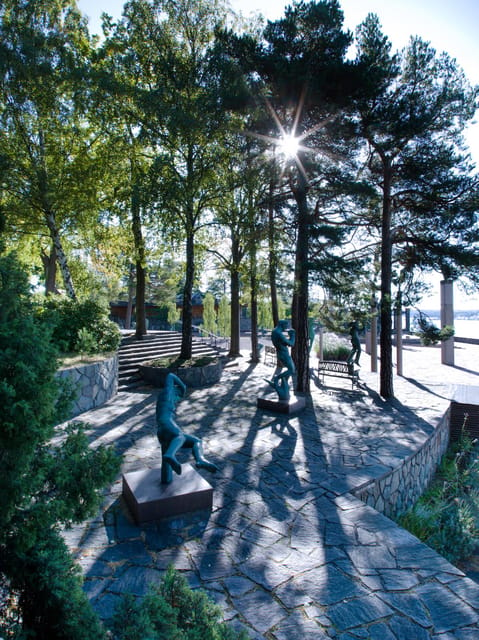
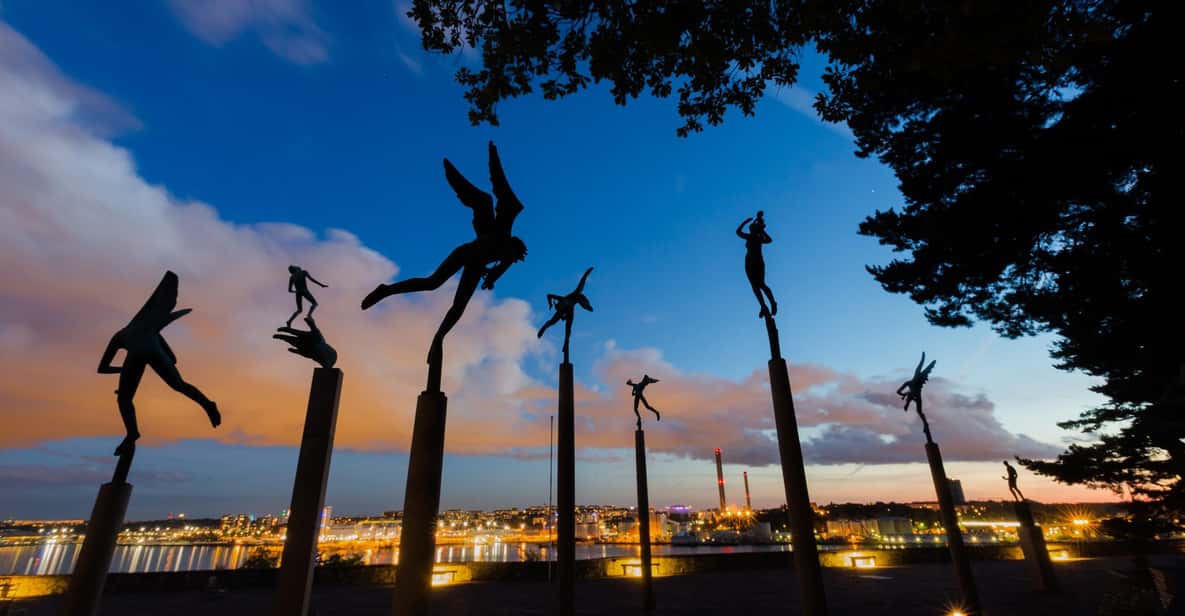
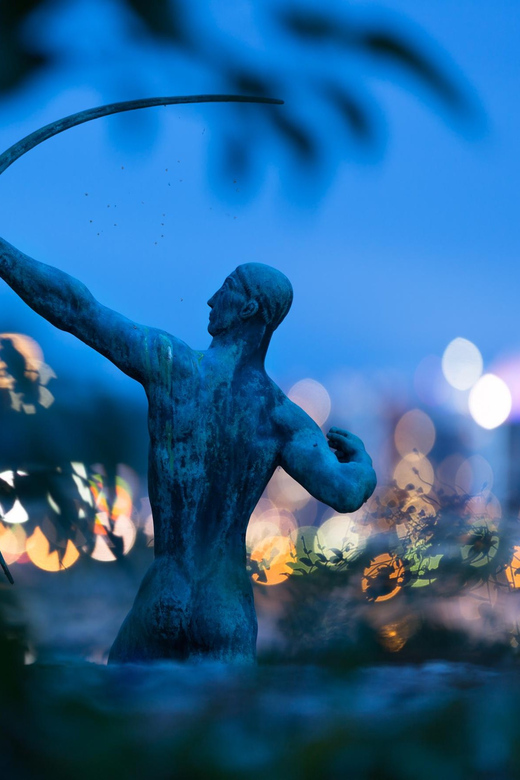
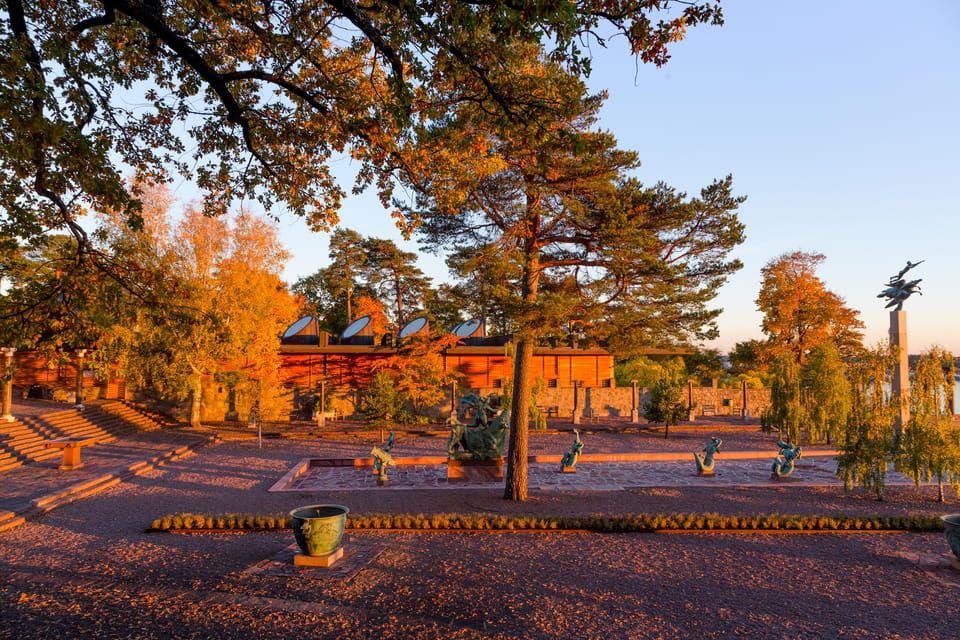
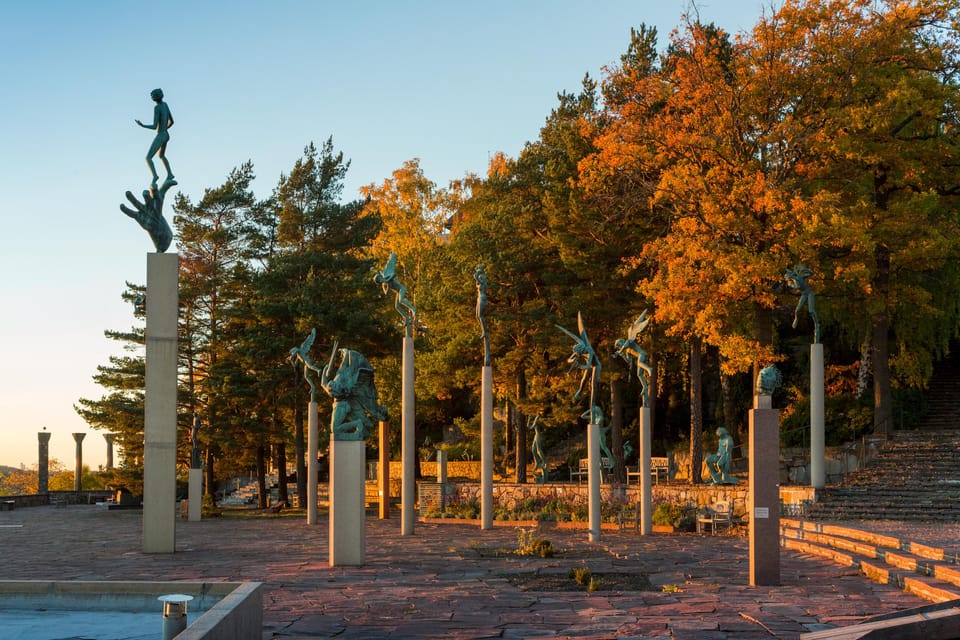
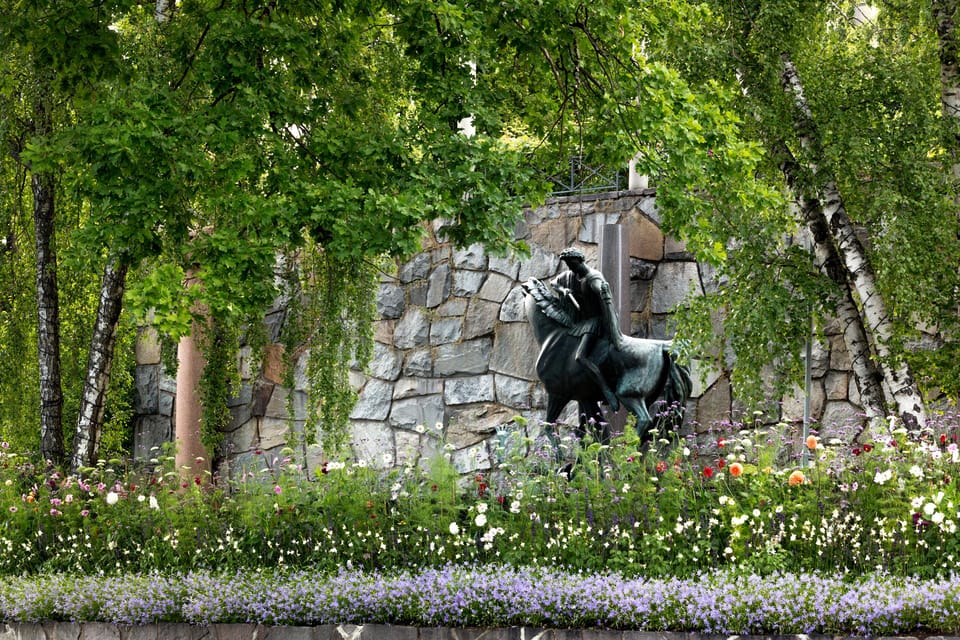
If you only had time for one part, make it the sculpture park. It’s a walking garden of roughly 100 sculptures, including about 10 larger fountain groups, all by Carl Milles. The layout nudges you along paths and across viewpoints, so you keep getting new angles instead of staring at one statue too long.
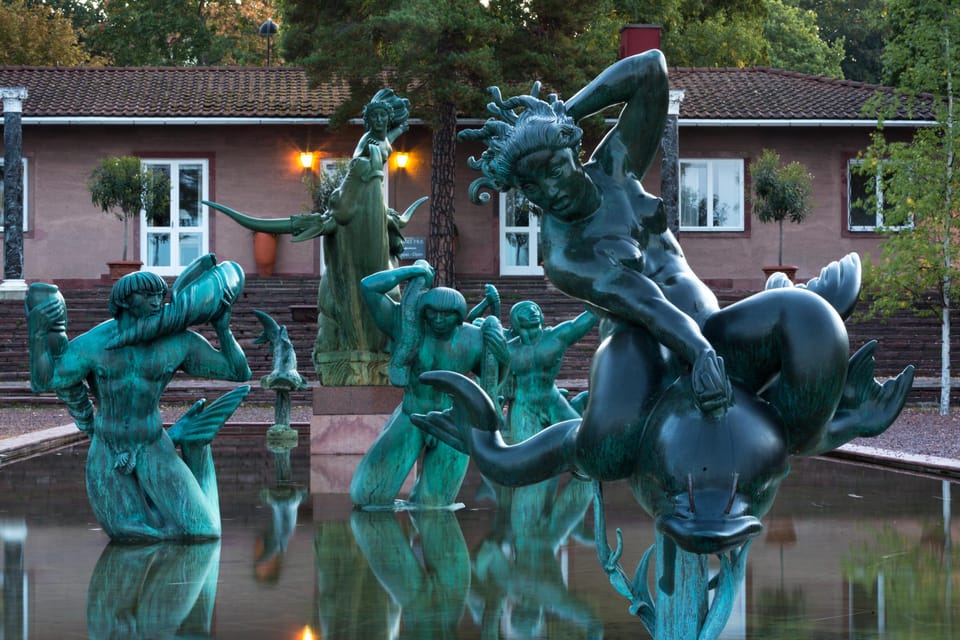
The fountains matter here. They aren’t just background noise. Water creates a different mood around the sculptures—cooler, louder, more dramatic—and it changes how you notice shape and spacing as you move. If you like outdoor art, this is one of those places where the garden feels like part of the artwork.
And then there are the views. From the park terraces, you get a Stockholm panorama that’s way more rewarding than “nice skyline in the distance.” You see how the museum’s hilltop setting gives context to the art—why it was placed here in the first place. The park works even if you’re visiting for a single day and want something “wow” without paying for a full-day tour.
Pro tip: wear shoes that handle garden paths and any wet patches. You’ll be on your feet for a while, and it’s worth it to stay comfortable.
Inside Carl and Olga Milles’ home: studios, antiques, and a blue breakfast room
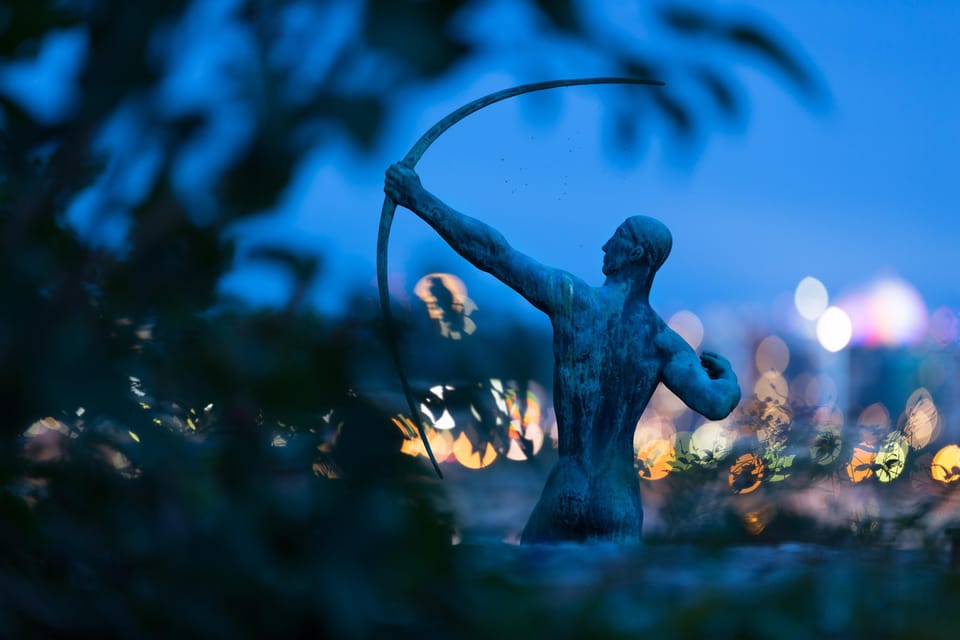
The transition from the garden into the Artist’s Home is where Millesgården becomes more than a pretty park. You go from outdoors to rooms connected to daily life and creative work—Carl Milles’ spaces, plus Olga’s influence through the home setting.
In the home, you’ll want to plan your time around the major highlights:
- The Large Studio, where Carl created large sculptures.
- The breakfast room clad in blue Dutch tiles—a detail you can really notice in person because the tile color changes with light.
- The Pompeii-inspired Gallery, designed to give that classical, antiquity-adjacent feeling.
- Carl’s grand collection of classical sculptures and objects, which adds depth to what you see outside.
What I like about touring this way is the sense of continuity. Outside, you see the end result of sculptural ideas. Inside, you see how those ideas connect to studios and collections. It makes the sculptures feel less like museum pieces and more like a life’s work.
One small practical point: you’ll likely use the audio guide here. It’s provided in Swedish and English, so you can choose your language and follow along through rooms. If you tend to miss instructions, take a minute at the start to find your way to where audio info is available inside, so you don’t lose time later.
Anne’s House decorated by Estrid Ericson & Josef Frank
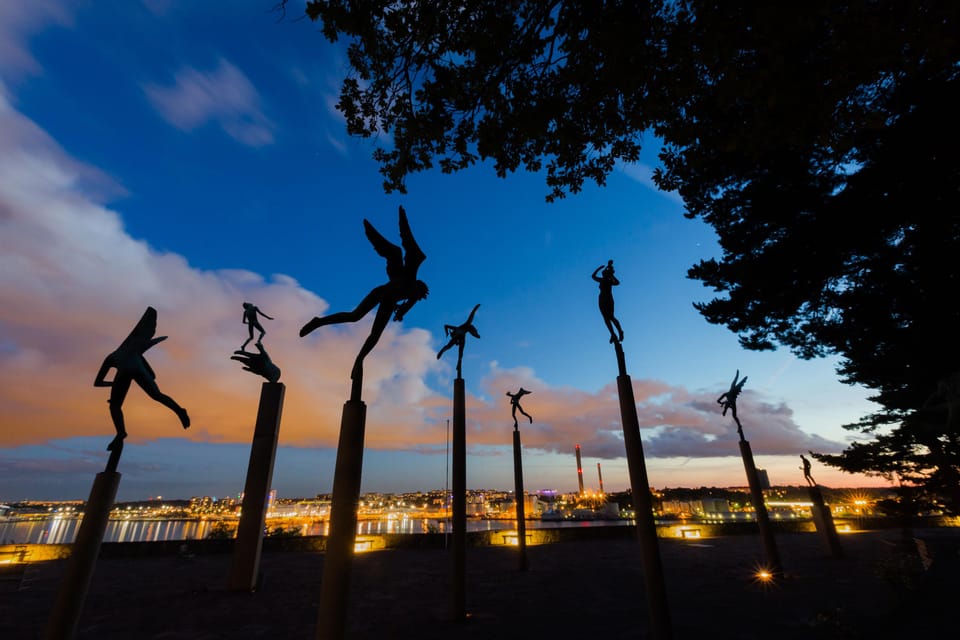
Anne’s House adds a totally different flavor to the day. Instead of focusing only on sculpture, you shift into interior design and decoration tied to Estrid Ericson and Josef Frank from Svenskt Tenn.
This is a strong stop if you like design history, pattern, and the way furniture and décor create a mood. It also gives you a break from the “look at art from every angle” rhythm, because you’re now paying attention to rooms: how light hits surfaces, how colors coordinate, and how the home feels lived-in rather than purely exhibition-like.
Timing helps. If you visit the houses too early, you might feel like you’re marching straight through. If you save Anne’s House for after a break (more on that next), you’ll appreciate the décor more because your brain is fresh, not just tired from walking.
Art Gallery stops and what to expect in the exhibition rooms
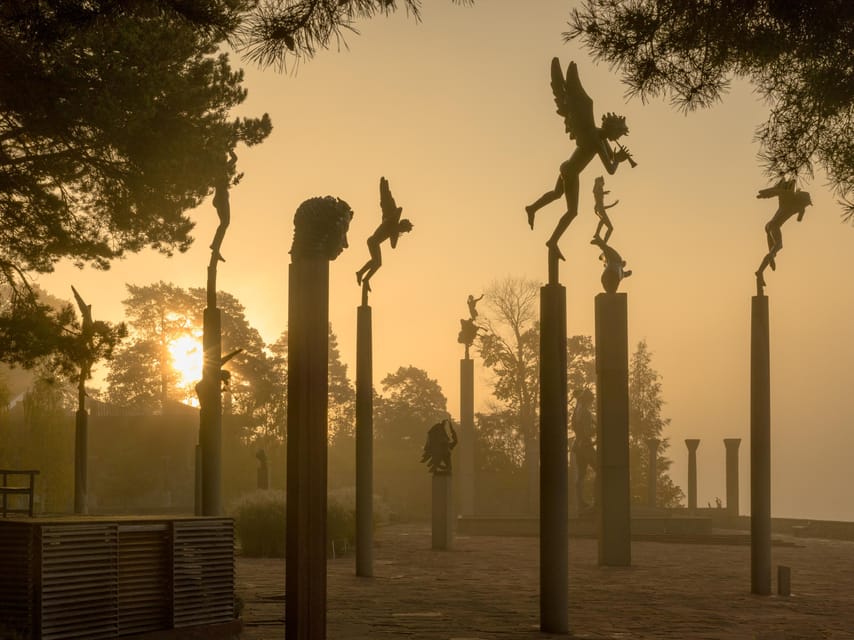
After you’ve taken in the sculptures and the home interiors, the Art Gallery keeps the day moving. It hosts excitings exhibitions, and because the museum schedules changes, your exact show may differ from someone else’s visit.
That’s not a downside if you treat it like a living museum. You’re not trying to “complete” a fixed checklist. You’re seeing what the gallery is doing right now, right here at Millesgården.
If you care about current shows, give yourself enough time to actually stand with the works. If you’re speed-running the day, you might miss what makes the exhibition interesting in the first place—style, theme, or media choices.
I’d also keep one hour as your flexible buffer. That way, if the exhibition room is busy or you want to re-read the room text, you won’t feel rushed.



Millesgården Lanthandel lunch and how to time your coffee
Millesgården Lanthandel is your built-in mid-visit reset. You can grab lunch or an afternoon coffee here, and it’s a smart move because it positions you to enjoy Anne’s House without feeling hungry or sluggish.
This is also useful for pacing. The sculpture park can be physically tiring, even when you’re moving slowly. A sit-down meal helps your energy last through the indoor rooms and keeps the day enjoyable instead of exhausting.
One practical note: this museum is cash-free. You’ll pay with a credit or debit card in the museum shop and restaurant, so keep your card handy.
After Lanthandel, you’ll transition smoothly into Anne’s House and then continue to the Art Gallery. If you’re the type who likes a treat at the end, plan to leave a little time for the museum shop too.
Price and logistics: getting there from central Stockholm without stress
Millesgården is priced at $19 per person and lasts about 1 day. At that price, you’re not paying only for a single building. You’re paying for an entire art environment: sculpture park, artist’s home rooms, Anne’s House, the art gallery, plus access to the antiques collection.
That value matters in Stockholm, where a lot of attractions feel expensive for a single hour of viewing. Here, the time stretches naturally because the site has different “zones.” Even if you’re not rushing, you’ll usually find enough to keep you busy for the day.
Getting there is straightforward:
- Take the subway to Ropsten, then bus 201, 202, 204, 206, 211, 212, or 221 to Torsviks Torg. From Torsviks Torg, it’s about a 7-minute walk following signs.
- Or take the Lidingöbanan tram from Ropsten to Torsvik or Baggeby, then walk about 7 minutes to Millesgården.
From T-Centralen, expect around 20 minutes travel time, depending on connections.
If you prefer biking, you can cycle over the Lidingö bridge via cycle path. There’s free parking available at Herserudsvägen 32, just outside the main entrance, if you’re driving.
Also note the rules: oversize luggage and large bags aren’t allowed, so pack light.
Wheelchair accessibility is supported, which helps if you want to plan a comfortable route with less friction across the day.
The smooth day plan I’d use (so you don’t feel rushed)
If you want the best flow, think in chapters:
1) Start outdoors at the sculpture park so you get the fountain energy and the view early, when you’re still fresh.
2) Move into the Artist’s Home and focus your attention on the studio spaces and the standout rooms like the blue Dutch-tiled breakfast room.
3) Take a break with lunch or coffee at Millesgården Lanthandel.
4) Visit Anne’s House, where you’ll appreciate the design details connected to Estrid Ericson and Josef Frank (Svenskt Tenn).
5) Finish with the Art Gallery and then the museum shop if you want a last look or a small souvenir.
Audio guide tip: it’s included in English and Swedish, so use it. And if you notice audio instructions are easy to miss at first, don’t panic—keep an eye out for where you can access the audio link inside, rather than spending the whole day guessing.
Should you book Millesgården Museum in Stockholm?
I’d book Millesgården if you want a day that mixes art outdoors + art indoors without the stress of travel logistics across town. This is especially worth it if you like sculpture, garden design, and the idea of seeing art in the creator’s own environment. The sculpture park’s fountains and terrace views are the kind of experience you remember even if you forget every label number.
You might skip it if you only have time for one “quick museum” stop and you hate walking between indoor and outdoor spaces. Also, if you’re visiting for a specific exhibition in the Art Gallery, build in flexibility because the gallery program can shift.
If you want a calm, good-value art day near Stockholm, Millesgården fits the bill.
FAQ
How long does the Millesgården experience last?
It’s listed as a 1-day experience.
How much does Millesgården Museum cost?
The price is $19 per person.
What are the opening hours?
Millesgården is open Tuesdays to Sundays from 11:00 to 17:00, all year.
How do I get to Millesgården from central Stockholm?
You can take the subway to Ropsten and then bus to Torsviks Torg (about a 7-minute walk), or take the Lidingöbanan tram from Ropsten to Torsvik or Baggeby (also about a 7-minute walk). Travel time from T-Centralen is around 20 minutes.
Is an audio guide included, and what languages are available?
Yes. The audio guide is included, with Swedish and English available.
Can I pay with cash?
No. The museum is cash-free, and you can pay with credit or debit card in the museum shop and restaurant.
Is it wheelchair accessible, and are there luggage limits?
Wheelchair accessibility is available. Oversize luggage and large bags are not allowed.