
REVIEW · STOCKHOLM
Stockholm: Ghost Walk and Historical Tour
Book on GetYourGuide →Operated by Stockholm Ghost Walk · Bookable on GetYourGuide
Stockholm turns eerie after dark. This ghost walk in Gamla Stan pairs lantern-lit streets with real events, so you get spooky stories plus the kind of history you normally only read at home.
I especially love the storytelling energy. Guides like Cody, Chris, Callum, and Reece are praised for acting out the past with humor, making the darker parts feel gripping rather than just grim. I also like the way you leave main streets for narrow alleyways and hidden courtyards, with moments that make you look closely at the old walls.
One consideration: it’s not a gentle stroll. You’ll walk on cobbled streets and you must be able to climb stairs, so it’s not for everyone, and it can feel quite spooky at night.
In This Review
- Key points that make this tour worth it
- Gamla Stan after Dark: what this ghost walk really feels like
- The stories: murders, plagues, executions, and poltergeist energy
- Stop-by-stop route: narrow alleys, hidden courtyards, and old walls
- Starting in Gamla Stan
- Leaving the main streets
- Touching the past (and using your senses)
- The “best to wear it” part: cobbles and stairs
- Ending in the heart of Old Town, with a crypt moment
- The guides: why storytelling performance matters here
- Price and value: what $31 buys you
- Practical logistics: meeting point, timing, and comfort
- Starting times and how to plan your night
- Where you start and where you end
- What to wear
- Mobility and who should skip it
- Who this tour is best for (and who might not love it)
- What to do to get the most out of it
- Should you book Stockholm Ghost Walk?
- FAQ
- How long is the Stockholm Ghost Walk?
- Where does the tour start and end?
- What’s included in the ticket price?
- Are food and drinks included?
- Which languages are available?
- Is the tour suitable for people with mobility impairments?
- What should I bring or wear?
Key points that make this tour worth it
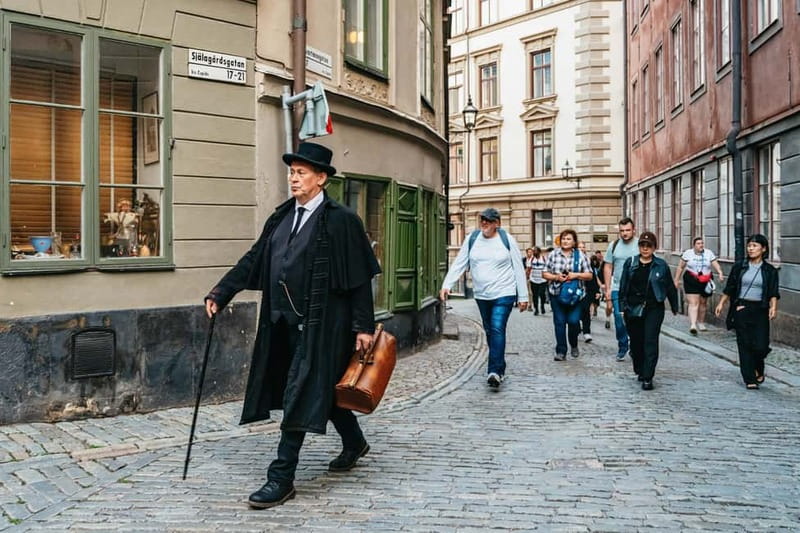
- Gamla Stan by lantern light: you experience Stockholm’s oldest streets at the hour they feel most alive
- Real-and-myth mix: murders, plagues, public executions, and poltergeist-style legends
- You’ll leave the main drag for hidden courtyards and smaller passageways
- Comedy meets chills: guides like Chris and Callum are repeatedly described as funny and theatrical
- A strong ending moment: many people mention a final stop that involves a crypt
Gamla Stan after Dark: what this ghost walk really feels like
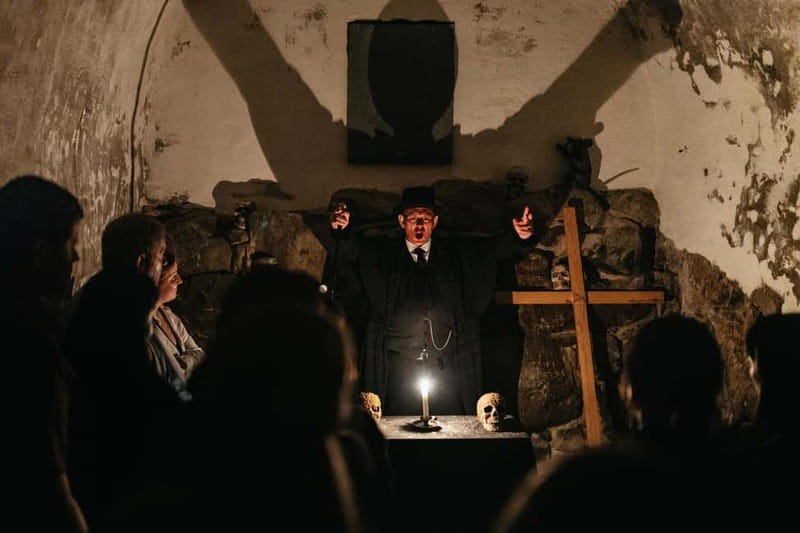
This isn’t a quiet museum-style tour. It’s a night walk designed for the street setting. Gamla Stan is already one of Europe’s most walkable historic cores by day. By night, with lantern light and a guide in storyteller mode, it turns into something else: tighter, older, and more personal.
The tour runs about 1.5 hours and starts in Gamla Stan with stops across the oldest parts of Stockholm. The goal is simple. You’ll hear how the city began, how it grew, and then you’ll get the grittier side of that growth: murders, diseases, public executions, and eerie legends. Expect a tone that mixes fear and dark comedy, not constant terror.
If you like your history with atmosphere, this kind of format can be a big win. Self-guided wandering is nice, but it often leaves you with more questions than answers. Here, your guide connects the dots as you move, so the streets start to make sense in real time.
You can also read our reviews of more walking tours in Stockholm



The stories: murders, plagues, executions, and poltergeist energy
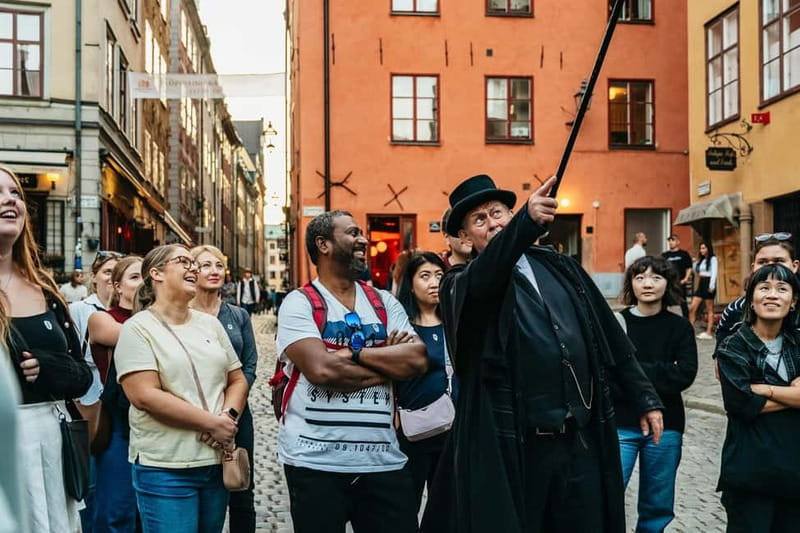
The promise is a blend of the macabre and the mythical. You’ll hear tales about things like poltergeists, plagues, and public executions, plus murders tied to specific locations you visit. The tour doesn’t treat these as just scary campfire tales. It frames them as part of how Stockholm functioned when life was harder and death was closer.
What makes this setup work is timing. Hearing about executions in a place where an old building still stands changes how your brain processes the story. Same with plague-era disease references. You’re not picturing it in abstract. You’re standing in the physical neighborhood where the past actually unfolded.
You should also know that the tour leans into the darker material. Multiple guides earn praise for making the morbid stories entertaining and easy to follow, but the subject matter is still heavy by daylight standards. If you’re the type who wants only gentle spooky vibes, you’ll still probably have fun, but go in with the right expectations.
Stop-by-stop route: narrow alleys, hidden courtyards, and old walls

You’ll spend most of your time where Stockholm feels most medieval: narrow alleyways, small passageways, and places that don’t appear on the big postcard routes. One of the most consistent themes in the experience is that you get to see Stockholm in a way you can’t easily reproduce on your own.
Here’s how the flow usually works:
Starting in Gamla Stan
You begin in Gamla Stan and start building the mental map fast. Your guide sets up Stockholm’s beginnings and helps you understand why the city developed the way it did. This early framing matters because later stories land better when you know what kind of town you’re standing in.
Leaving the main streets
Then you break away from the obvious lanes. You move through forgotten courtyards and smaller areas where it feels like you’ve found a seam in the city. This is where you get the most “how did I not notice this before” moments, especially if you’ve walked Gamla Stan during the day already.
You can also read our reviews of more historical tours in Stockholm




Touching the past (and using your senses)
You’ll get more than visual sightseeing. The tour format is designed to bring medieval Stockholm closer through sensory cues. The experience includes moments that encourage you to smell, taste, and see what medieval life might have been like. The exact details can vary by guide and story, but the intent is consistent: you’re meant to feel like you’re in the scene, not just listening to facts.
The “best to wear it” part: cobbles and stairs
A big real-world note. You’ll be on cobbled streets, and you must be able to climb stairs. That’s not just a minor inconvenience; it affects how you move and how long you can comfortably focus. If you’re carrying a camera bag, wear layers you can move in, and take your time on uneven stones.
Ending in the heart of Old Town, with a crypt moment
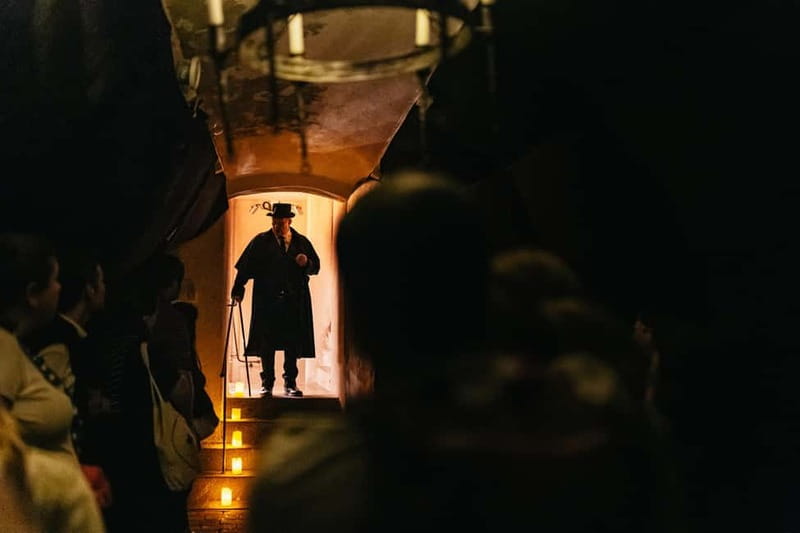
The tour ends back at the starting area/meeting point area, and many people specifically mention an ending stop that involves a crypt. One person even noted that this crypt story might run long at the end. If you like a shorter final payoff, go in knowing the last part may be the most theatrical.
The guides: why storytelling performance matters here
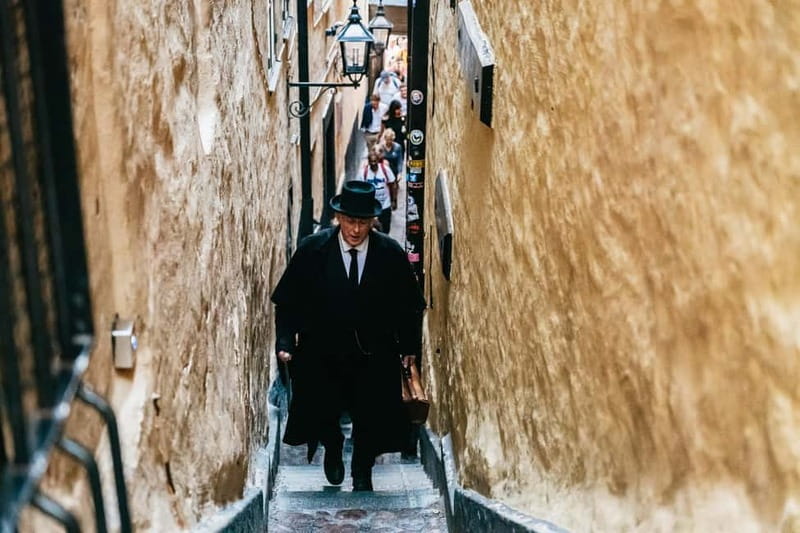
The guides are a core reason this tour gets such strong results. You’re not just collecting dates; you’re watching someone shape the night into a narrative.
I noticed a few repeating strengths from people’s experiences:
- Guides are described as funny and able to keep the group moving without losing the plot.
- The best ones bring characters to life, not just explain them.
- People mention the guide being loud enough to carry the group while still sounding natural, which is key on narrow streets.
Names that show up in the praised experiences include Cody, Chris, Callum (also spelled Calum in one note), Reece, and Louis. Different styles exist, but the consistent thread is that your guide gives you a show. The history stays anchored to specific places, but the delivery keeps you engaged for the full 1.5 hours.
If you’re traveling with a teen or a curious kid, it helps that some guides handle the material with humor without flattening the subject matter. One family mentioned their teens (ages 12 and 14) having a great time, which is a useful signal that the tour can be lively rather than lecture-like.
Price and value: what $31 buys you
At about $31 per person for roughly 90 minutes, the cost feels reasonable for a few reasons.
First, you’re paying for a live guide plus coordinated route timing. In a place like Gamla Stan, the “where do I go next?” problem is real. This tour removes that. You’re guided into the alleys and courtyards that are easy to miss.
Second, you’re getting a package of attention. Instead of reading about Stockholm’s grim past at your own pace, the guide delivers it in bite-sized scenes as you walk. That makes the experience efficient.
Third, there’s a real value in how it changes your day-after recall. One of the most common takeaways from this kind of tour format is that you leave with a Stockholm map in your head. Even if you don’t remember every detail, you remember what kind of city it was and why it felt that way.
A small practical point: food and drinks aren’t included unless you select an add-on option. The tour is short, so plan to eat before you start, especially if you’re sensitive to cold or you tend to get distracted when you’re hungry.
Practical logistics: meeting point, timing, and comfort

Starting times and how to plan your night
The tour runs in dark hours and uses lantern light, which means you should book the time that fits your schedule rather than assuming a single start. Check availability for starting times so you’re not stuck waiting too long in the evening.
Where you start and where you end
The meeting point may vary depending on the option you book, and you end back at the meeting point area. That’s helpful because you don’t need to worry about transit after.
What to wear
Bring comfortable shoes and comfortable clothes. Given the cobblestones and stairs, “comfortable” needs to mean stable soles, not just soft sneakers.
Cold is part of the experience. One note specifically calls out cold weather but says it’s worth it. So dress for the season, and consider layers you can adjust when you heat up during the walk.
Mobility and who should skip it
The tour is not suitable for people with mobility impairments. You need to climb stairs and walk along cobbled streets. If that’s a challenge for you, it’s better to choose a different style of Stockholm tour that matches your pace and footing.
Who this tour is best for (and who might not love it)
This is a great fit if you:
- love Gamla Stan but want the backstreets and courtyards, not just the main lanes
- enjoy history with a spooky edge, especially when a guide makes it fun
- want a short night activity that feels different from standard sightseeing
- like comedy mixed into tense or dark topics (guides are repeatedly described as funny)
You might not love it if you:
- need step-free, low-stair walking
- strongly dislike scary themes, even if they’re played with humor
- prefer quiet, self-paced tours where you don’t have to follow a group
For most people, it lands in the sweet spot: educational enough to feel worthwhile, spooky enough to be memorable.
What to do to get the most out of it
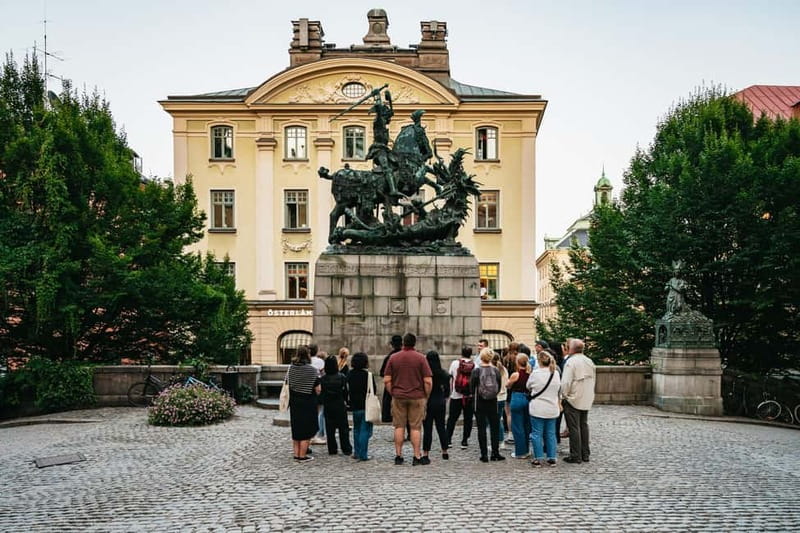
A few small choices make a difference:
- Arrive early so you’re not rushing in cold weather. You want a calm start, not a flustered one.
- Wear shoes you can trust on uneven stones. This is the kind of walk where foot confidence helps your brain focus.
- Keep an eye on details the guide points out. The tour works because your listening is matched to where you stand.
- If you’re doing other Gamla Stan activities the same day, don’t overpack. This is an evening show, and you’ll likely want your energy for it.
Should you book Stockholm Ghost Walk?
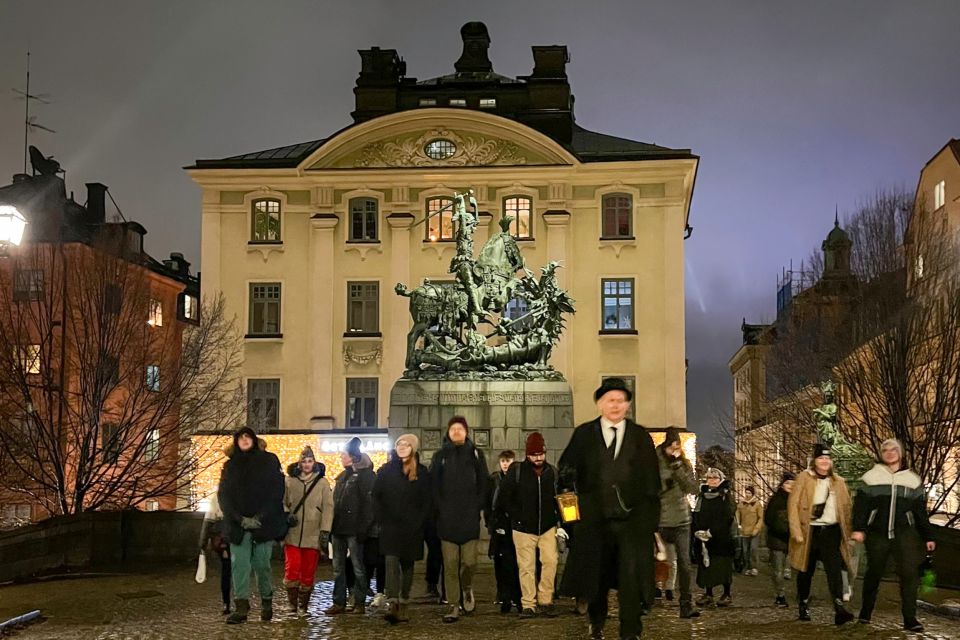
If you’re visiting Stockholm for the first time and you want a memorable night in the oldest streets, I’d say yes, book it. The price is fair for a guided experience, the storytelling reputation is strong, and the route gives you a version of Gamla Stan that’s hard to replicate alone.
But be honest with yourself about comfort. If cobbles and stairs are a no-go, skip it. If you’re excited by murders, plagues, executions, myths, and a guide who can keep things lively, this tour is one of the better ways to see Gamla Stan after dark.
FAQ
How long is the Stockholm Ghost Walk?
The tour lasts about 1.5 hours.
Where does the tour start and end?
It starts in Gamla Stan. The meeting point may vary by option, and the activity ends back at the meeting point.
What’s included in the ticket price?
You get a tour guide and the stories. Hotel pickup and drop-off are not included.
Are food and drinks included?
Food and drinks are not included unless you select an option that includes them.
Which languages are available?
The live tour guide speaks Swedish and English.
Is the tour suitable for people with mobility impairments?
No. It is not suitable for people with mobility impairments because you must be able to climb stairs and walk along cobbled streets.
What should I bring or wear?
Wear comfortable shoes and comfortable clothes, and dress appropriately for the weather. Expect cobbled streets and stairs.