REVIEW · STOCKHOLM
Stockholm: Old Town Walking Tour with Local Guide
Book on GetYourGuide →Operated by NORDIC FREEDOM TOURS · Bookable on GetYourGuide
Old Town turns into a storybook fast. In two hours with an English guide, you walk Gamla Stan lanes, get the waterfront feel of Riddarholmen, and finish at the Royal Palace area.
Two things I really like: the very clear start point by the Gamla Stan metro exit (look for the Nordic Freedom Tours sign), and the way the guide turns streets and buildings into easy-to-follow Swedish history. Guides such as Julia and Ben are praised for keeping the group moving at a good pace while still answering questions.
One thing to consider: it’s a public tour, so you’ll share the route with other participants, and that can make narrow stretches feel a bit crowded.
In This Review
- Key highlights to know before you go
- Meeting at Gamla Stan: getting started fast (and avoiding the wrong café)
- The 2-hour pace: short stops, steady walking, good photo timing
- From Mälartorget into Gamla Stan’s medieval lanes
- German Church stop: a quick window into the old port-city mix
- Mårten Trotzigs Gränd: the alley that teaches you to slow down
- Iron Boy and the story behind the small icon
- The Royal Palace finish: scale, drama, and a satisfying landing spot
- Stockholm Cathedral: a photo stop that still helps you orient
- Nobel Museum and the House of Nobility: Old Town beyond castles
- Runestone: the kind of stop that pays off later
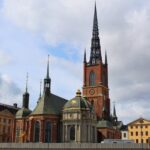
- Riddarholmen and Riddarholmen Church: the Knights’ Islet waterfront moment
- What makes the guides matter: storytelling that stays practical
- Value check: $15 for a 2-hour Old Town orientation
- Who should book this tour (and who might skip it)
- Should you book the Stockholm Old Town Walking Tour?
- FAQ
- Where is the meeting point?
- How long is the tour?
- Is this a private tour?
- Is the tour offered in English?
- Is it suitable for wheelchair users?
- What should I bring?
- What is the cancellation policy?
- Are party groups allowed?
Key highlights to know before you go
- Easy meet-up at Gamla Stan metro: right outside the station exit leading toward the Old Town, with a Nordic Freedom Tours sign.
- Two-hour structure that works: enough time to see major landmarks without feeling trapped all day.
- Mini photo stops that don’t slow you down: you pause for the famous views, then keep walking.
- Riddarholmen’s Knights’ Islet views: medieval-looking waterfront scenery and church stops.
- Royal Palace as a strong finish: you end with the scale and drama of Sweden’s royal residence.
- English-led storytelling: guides are specifically called out for turning facts into an enjoyable walk.
Meeting at Gamla Stan: getting started fast (and avoiding the wrong café)
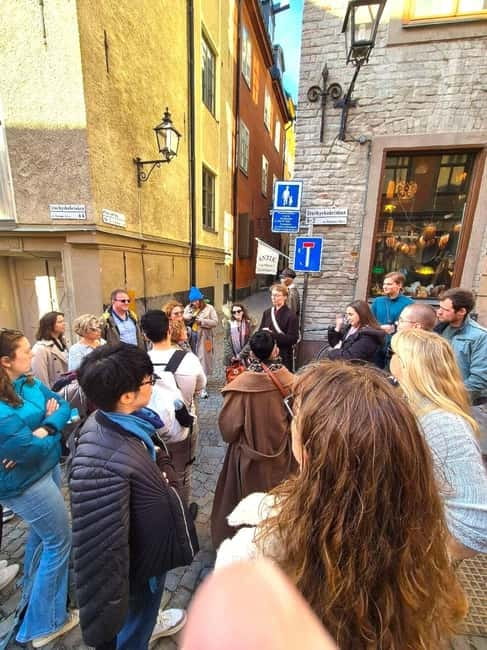
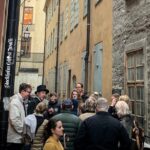
The whole experience hinges on a smooth start, and this tour does a good job with that. You meet at Mälartorget 4, and the guide is waiting right outside the Gamla Stan subway station exit that leads toward the Old Town. The sign you’re looking for is Nordic Freedom Tours.
Here’s the practical part: don’t aim for the wrong streetfront. The meeting point is not in front of Vapiano, and it’s not in front of Express Café. Instead, go straight to the exit that drops you toward Old Town and scan for the sign. If you hate fumbling around in crowds, this matters a lot.
You can also read our reviews of more walking tours in Stockholm
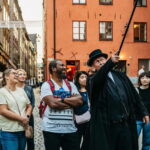
The 2-hour pace: short stops, steady walking, good photo timing
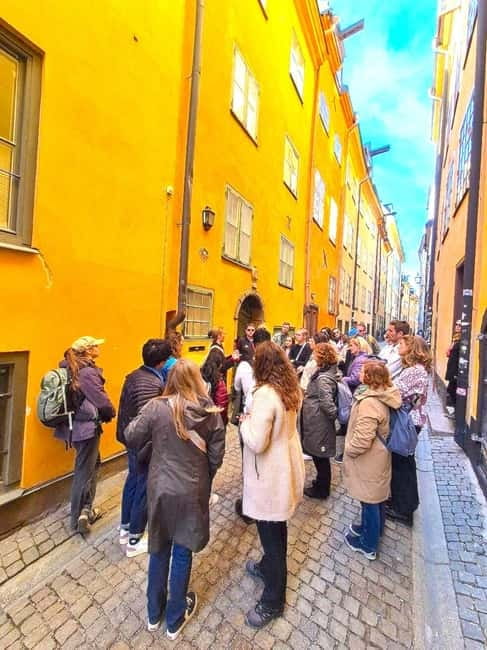
This is a 2-hour walking tour, so it’s built around short sightseeing segments and quick story beats. Expect a mix of guided walks (where you’ll actually move with the group and hear the narrative) and brief pauses for photos.
From the way the tour is described and how guides get praised, the pacing is meant to be workable even if your group includes different ages. Several guides are singled out for “right pace” and for keeping attention through the cold, through the walking, and through the constant changes in scenery.
What that means for you: you’ll spend enough time to recognize the places, understand why they matter, and take a few solid photos—without trying to “do everything” in one go.
From Mälartorget into Gamla Stan’s medieval lanes
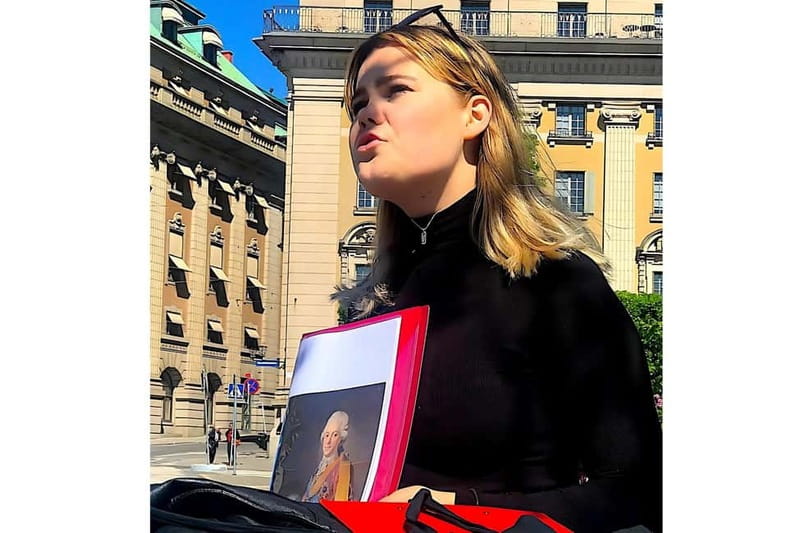
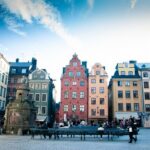
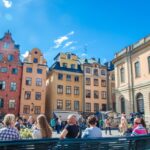
Your tour opens in the Old Town area and then funnels into Gamla Stan, Stockholm’s historic core. This is where the feeling changes from modern city blocks to tight medieval street geometry—narrow passages, stone textures, and buildings that look like they’ve been standing there for centuries.
The best part isn’t just the scenery. A good Old Town walk is about interpretation—why the streets are laid out the way they are, what different corners used to represent, and how Swedish culture shows up in everyday city design. That’s exactly what the guide-style emphasizes: stories that connect the buildings to people, not just dates and names.
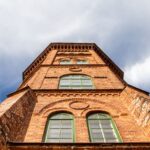
If you’re the type who likes to look up while walking, this section will reward you. If you prefer to keep your eyes forward, you still get the landmarks explained clearly as you pass them.
German Church stop: a quick window into the old port-city mix

One of the early stops is the German Church (Tyska kyrkan) area. Even with a short sightseeing moment, it’s useful because it expands the story beyond “Sweden only.” It hints at how Old Town life mixed different communities and influences over time, especially through trade and the city’s connections.
You don’t need to be an architecture expert to appreciate this stop. The value is in the guide’s framing: what to notice from outside, how the building fits the neighborhood, and how it supports the broader Old Town narrative.
Mårten Trotzigs Gränd: the alley that teaches you to slow down
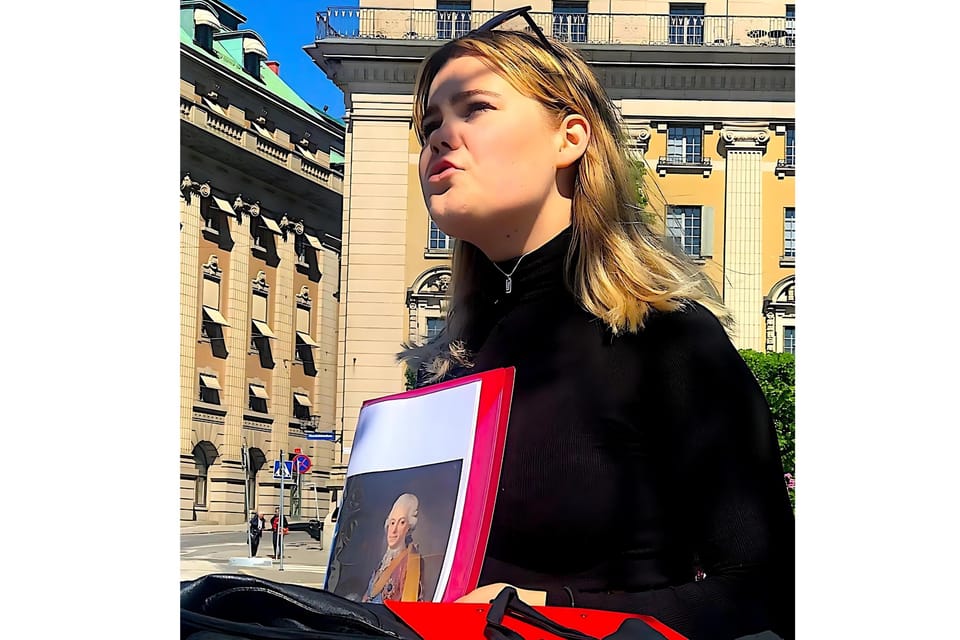
Next comes a street-level star: Mårten Trotzigs Gränd. This is one of those Stockholm moments where the city shape becomes the attraction. The alley is famously narrow, so it changes your walking rhythm immediately.
This is a great example of why joining a guided Old Town tour beats doing it alone. Yes, you can find the alley on your own, but a guide helps you understand what you’re seeing and why it’s there. And you’ll likely get a clear “what to look for” so your camera doesn’t just chase walls.
You can also read our reviews of more guided tours in Stockholm




Iron Boy and the story behind the small icon
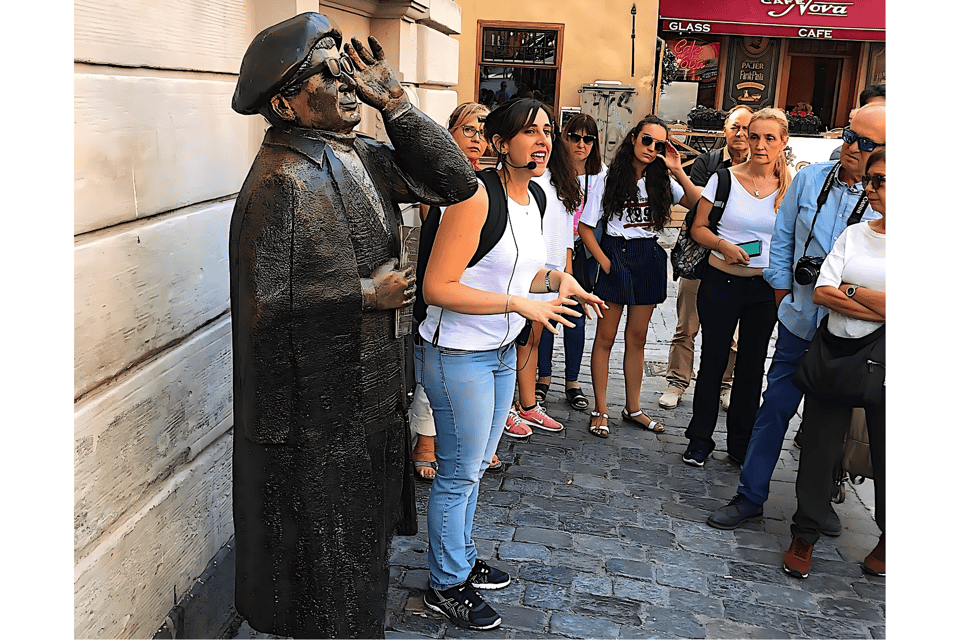
Then you pass Iron Boy (the Boy who watches the moon). This stop is short, but it works because it adds character to the route. Small landmarks like this are the kind you’d otherwise miss—especially if you’re just sweeping through Old Town using a map.
The tour uses these mini photo stops strategically. You get to capture the moment, hear the quick context, and then move on without turning the whole walk into a series of long interruptions.
If you like your history light enough to stay fun, these quick “human-scale” stops are a big reason this tour gets such consistent praise.
The Royal Palace finish: scale, drama, and a satisfying landing spot
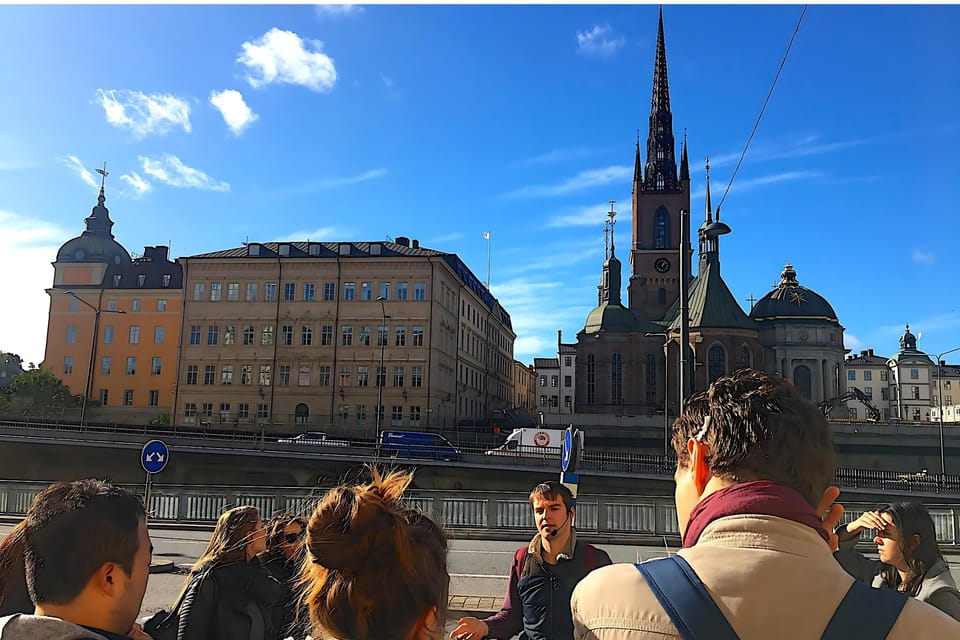
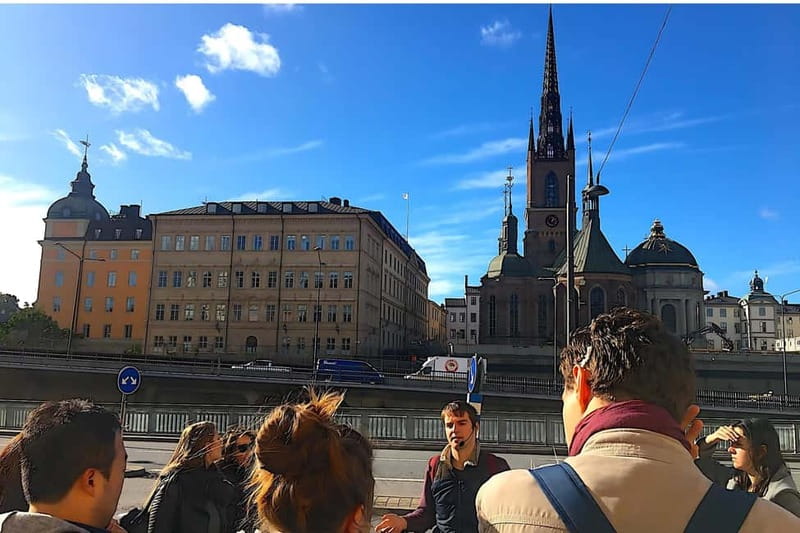
The final major landmark is the Royal Palace. This isn’t just another building to tick off. It’s the end point, so the tour is designed to bring you there after you’ve already learned how to “read” Old Town streets.
By the time you reach the palace area, you’re not just seeing grandeur—you understand the why behind it. The Royal Palace is the official residence of the king, and the tour leans into that sense of official power and presence.
One important planning note: the itinerary indicates the finish at the Royal Palace. At the same time, the activity info also mentions the tour ends back at the meeting point. Don’t overthink it, but do check your day-of details so you know whether you’ll finish right by the palace or be routed back toward the metro meeting area.
Stockholm Cathedral: a photo stop that still helps you orient
You also stop near Stockholm Cathedral. This portion is described as a photo stop with some sightseeing and walking time. Even if you don’t go deep inside, it’s still a useful “anchor” because it gives your brain another reference point.
After walking Gamla Stan, it can feel like everything blurs together—same stone vibe, same street feel. A cathedral stop breaks that pattern and helps you orient what you saw earlier.
Nobel Museum and the House of Nobility: Old Town beyond castles
You’ll pass by the Nobel Museum and the House of Nobility. These aren’t random add-ons. They broaden your sense of Old Town from medieval power and churches into institutions that shaped Swedish identity in later centuries.
The House of Nobility, in particular, connects to how Sweden organized status and social structure over time. The Nobel Museum area adds a modern layer—proof that Old Town isn’t frozen in the medieval look alone.
If you’re worried your tour will feel like only “old walls and old stories,” these stops help. They keep the walk from becoming one-note.
Runestone: the kind of stop that pays off later
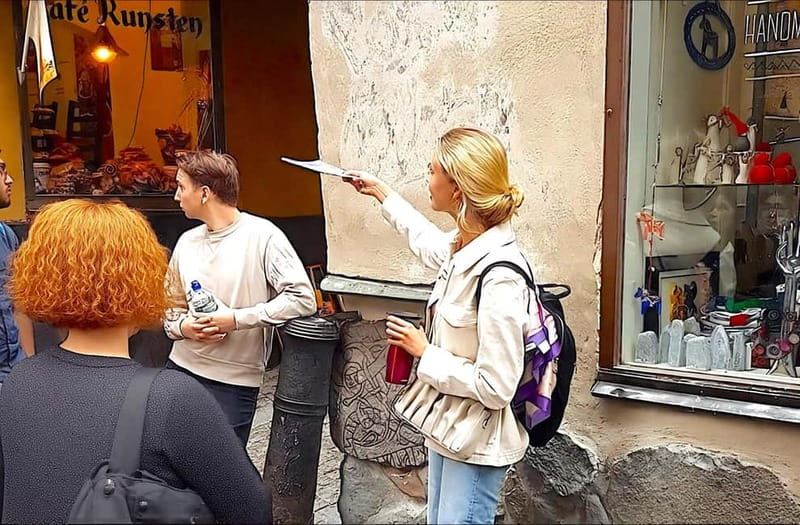
The tour includes a Runestone stop with a short guided segment. Runestones are special because they tie directly into older Scandinavian writing traditions. Even when the stop is brief, it’s the sort of thing that sticks in your memory and makes you notice similar details later when you’re walking around Sweden.
This is one of those moments where a guide helps you interpret what’s easy to ignore. Without the explanation, you might photograph it and move on. With the explanation, you’ll know what to look for and what it connects to.
Riddarholmen and Riddarholmen Church: the Knights’ Islet waterfront moment
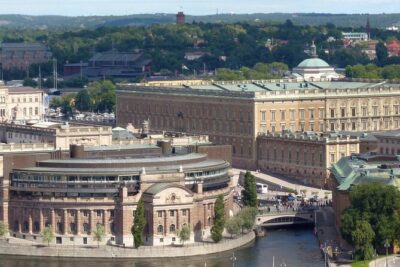
If you want one “wow” segment, it’s Riddarholmen. The tour describes Riddarholmen as the Knights’ Islet area, with medieval architecture and waterfront views. This is where the city opens up visually and you get that classic Stockholm feeling of water threading through historic streets.
The tour also includes Riddarholmen Church, with a visit and guided tour. Even though your time inside may be limited (since the tour is only two hours), having a guided visit is a real value. Churches like this are best with context; otherwise you just see stone and stalls and forget to connect it back to the rest of the story.
I also like that this section balances the earlier tight alley energy with wider views. It gives your eyes a break and helps the whole route feel like a real “walk through the city,” not just a checklist.
What makes the guides matter: storytelling that stays practical
This tour’s reputation isn’t just about landmarks. It’s about how guides run the walk.
Multiple guides are praised for keeping the group engaged and for storytelling that works even when it’s cold (a Ben-led walk gets specifically called out for that). Others are praised for detailed explanations and patience—people mention being heard clearly and being given time for questions.
You’ll also notice a pattern in the feedback: the best guides don’t just explain facts. They guide your attention—where to stand, what to notice, and how to connect one stop to the next. That’s what makes a short tour feel longer and more useful.
Value check: $15 for a 2-hour Old Town orientation
At $15 per person, this is priced for people who want a fast orientation in Stockholm’s most famous area. You’re buying two things: a guided path through Old Town and a chunk of interpretation you’d otherwise have to piece together from apps, maps, and your own reading.
Two practical advantages for value:
- You save time because the guide points you toward the right corners and viewpoints.
- You get cultural context so your photos don’t turn into random souvenirs.
This tour won’t replace a deeper museum day. But as a first introduction to Gamla Stan and the surrounding landmarks, it’s a smart way to spend a couple hours without burning your whole day.
Who should book this tour (and who might skip it)
I think this tour is a great fit if:
- You want a high-efficiency Old Town walk.
- You like stories about how Sweden’s culture shows up in everyday city spaces.
- You want an English guide and a steady route rather than self-planning every stop.
It may be less ideal if:
- You need wheelchair-friendly access (this tour is not suitable for wheelchair users).
- You hate sharing a route with other people on narrow streets (it’s not private).
- You’re traveling with a party group (party groups and bachelor/bachelorette groups aren’t allowed).
Should you book the Stockholm Old Town Walking Tour?
If your goal is to get your bearings fast and understand what you’re seeing, I’d book it. The route is built around the Old Town’s big visual hits—Gamla Stan lanes, Riddarholmen waterfront, and a Royal Palace finish—while still mixing in smaller, memorable stops like Mårten Trotzigs Gränd and Iron Boy.
The best reason to go is the guide factor. When guides like Julia or Mikael are praised for pacing and storytelling, that’s exactly what turns “photos of buildings” into an actual sense of place.
Just do two things to set yourself up for success: wear comfortable shoes, and arrive at the Gamla Stan metro exit on time so you start together as a group.
FAQ
Where is the meeting point?
You meet right outside the Gamla Stan subway station at the exit that leads toward the Old Town. Your guide will be waiting with a Nordic Freedom Tours sign.
How long is the tour?
The tour is 2 hours. Starting times vary, so check availability to see when tours begin.
Is this a private tour?
No. It’s a public walking tour with a limited number of participants, so you’ll share it with others.
Is the tour offered in English?
Yes, the tour guide is English-speaking.
Is it suitable for wheelchair users?
No. It’s not suitable for wheelchair users.
What should I bring?
Comfortable shoes are the main item to bring for this walking route.
What is the cancellation policy?
Free cancellation is available up to 24 hours in advance for a full refund.
Are party groups allowed?
No. Party groups and bachelor/bachelorette party groups aren’t allowed.