REVIEW · STOCKHOLM
Stockholm: Old Town Historical Walking Tour
Book on GetYourGuide →Operated by Stockholm Tours by Kiki · Bookable on GetYourGuide
Stockholm’s Old Town packs a lot into two hours. What makes this walk special is the storytelling-led pace through medieval alleys and major landmarks, guided by Kiki, an authorized Stockholm guide who keeps it lively and easy to follow. I especially like how you start at Mynttorget 1 and quickly get your bearings, and how the route mixes famous sights with smaller stops that explain how the city actually formed.
The one thing to consider is that the tour is not wheelchair-friendly and it’s on cobblestones. It’s still an easy, casual walk without steep hills or stairs, but your shoes matter.
In This Review
- Key points to know before you go
- Why this Old Town walk works so well (and for whom)
- Starting at Mynttorget 1: the gateway into Gamla Stan
- Gamla Stan streets, medieval shapes, and the stories behind them
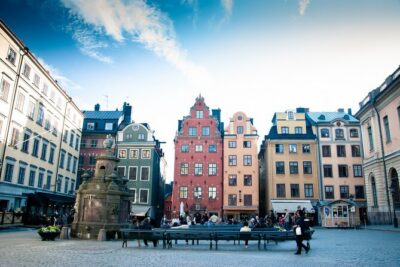
- Main square and Old Town’s oldest layers
- A rune stone and the German church stop: religion and culture in layers
- The busy tourist street and the narrowest street: why both matter
- Former marketplace and financial square: where commerce shaped the city
- A famous restaurant with history, plus shopping streets with personality
- The St. George and the Dragon statue, a famous painting, and the smallest statue
- Royal Palace segment: kings and queens, explained in plain terms
- Religious history and Stockholm Cathedral: a satisfying finish inside the stone
- The small-group factor: why up to 10 people feels right
- Price and value: is $52 worth it?
- What to bring and how to dress for success
- How this tour fits into your Stockholm days
- Should you book this Stockholm Old Town walk?
- FAQ
- Where does the tour start?
- How long is the Old Town historical walking tour?
- What language is the tour in?
- How big is the group?
- Will the tour run in bad weather?
- What should I wear and bring?
- Is the tour suitable for wheelchair users?
- Are there discounts for children?
- Can I cancel for a refund?
- Where does the tour end?
Key points to know before you go
- Small group of up to 10 means more time to ask questions and actually talk.
- Kiki’s style blends facts with humor and real context, so the streets make sense.
- A tight route in 2 hours covers the big Old Town hits plus lesser-known corners.
- Practical suggestions at the end include a tip card with place names and recommendations.
- All-weather walking means bring layers and plan for rain.
Why this Old Town walk works so well (and for whom)
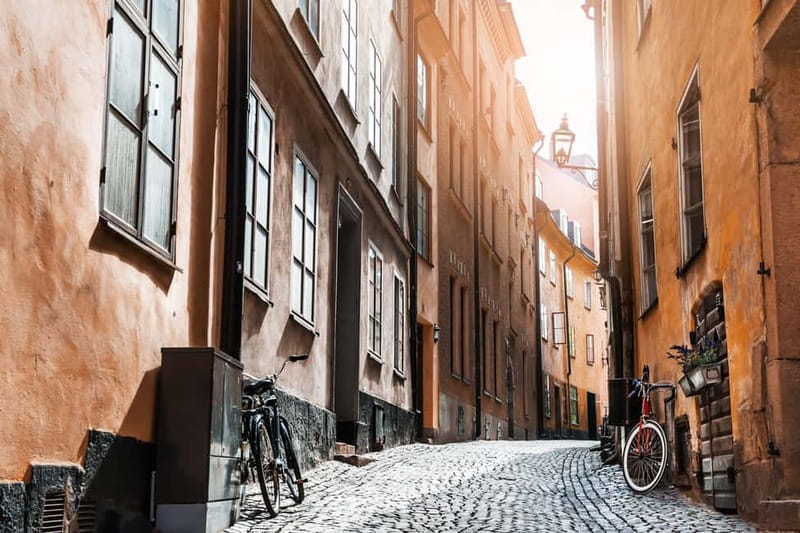
If Stockholm is your first stop on a Scandinavian trip, this tour is a smart way to get your bearings fast. Old Town can feel like a movie set—pretty, yes—but you also want the why behind the walls, streets, and statues. This walk gives you that. You’ll move through cobblestone lanes, narrow passages, and major squares at a pace that feels relaxed, not rushed.
I also like the balance here. You get the big postcard moments, but you’re not stuck staring at them from the outside. The guide links places to stories—sometimes calm, sometimes brutally honest about the past. That matters, because history becomes memorable when it’s tied to the exact spot you’re standing in.
This tour fits best if:
- you only have a day or two in Stockholm and want a high-value first pass through Gamla Stan
- you enjoy guided walking with time for questions
- you want English explanations that aren’t just dates and names
You might skip it if you hate walking on cobblestones, prefer self-guided wandering, or need a wheelchair-accessible route.
You can also read our reviews of more walking tours in Stockholm

Starting at Mynttorget 1: the gateway into Gamla Stan
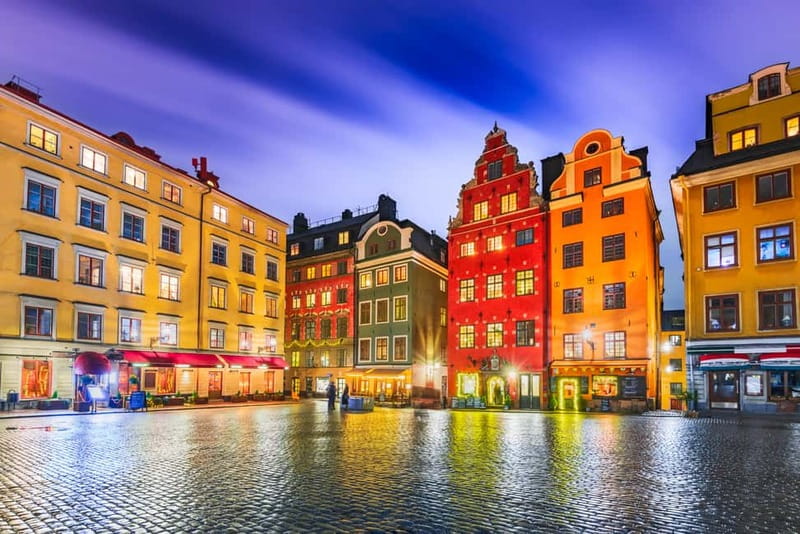
The tour begins at Mynttorget 1, which is the Mint Square area that acts like a practical gateway to the Old Town. It’s a good meeting point because it’s close to major city landmarks and easy to orient yourself. You’ll meet the guide at one of the benches on the square in front of Mynttorget 1, and Kiki holds a small sign that identifies the tour.
This start matters more than it sounds. When you enter Old Town from a real, lived-in city edge, the medieval core stops feeling like a sealed theme park. The guide also touches on modern-day Sweden briefly before switching gears into the deeper Gamla Stan story. That small bridge makes it easier to understand what you’re seeing instead of treating it like a museum exhibit.
Practical note: bring comfort-first shoes. Even though this walk is at an easy pace and avoids steep hills or stairs, cobblestones are still cobblestones.
Gamla Stan streets, medieval shapes, and the stories behind them
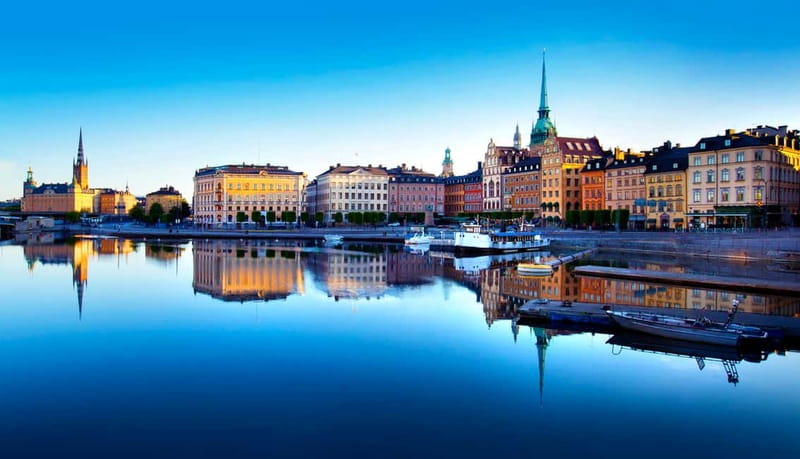
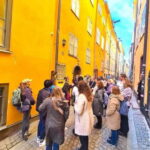
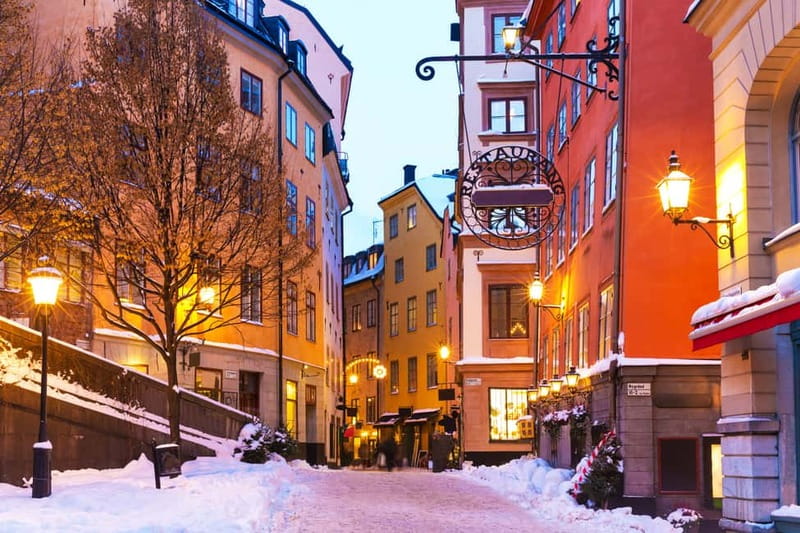
Once you’re inside Old Town, the tour becomes a kind of outdoor lesson. You’ll wind through narrow alleys and medieval architecture while learning how Stockholm grew and what life looked like at key moments. The guide frames things with a mix of city origins and the more dramatic, occasionally bloody, chapters of the past. It’s history you can picture, because you’re seeing the street geometry that shaped it.
One early pattern I liked: you’re not just marched from stop to stop. You’re guided to notice details—street width, building color and placement, and the meaning of key sites—then you get the story right there. That’s what turns a quick walk into real understanding.
Main square and Old Town’s oldest layers

A major early stop is the main square. This is where Old Town’s public life gathered, and it’s a natural place for the guide to set the stage. If you’ve ever wondered why certain cities feel built around plazas, this is the moment you’ll get the practical answer.
From there, you head to one of the oldest streets in Old Town. Streets like this are more than charming backdrops. They often reflect trade routes, how power moved, and what the city prioritized when it was still forming its identity. The guide uses these stops to explain how everyday movement became part of Stockholm’s long-term layout.
If you like learning by seeing, this part is your sweet spot. You’ll start to connect what you see with what you’re told.
A rune stone and the German church stop: religion and culture in layers
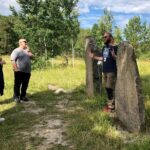
Two of the most interesting mid-route stops are a rune stone and the historic German church.
The rune stone adds an older, almost prehistoric-feeling layer to the city’s story. It’s a reminder that places like Gamla Stan weren’t born overnight; there are deeper cultural threads under the medieval buildings.
The German church stop brings the story forward into the era when foreign trade communities and religious institutions shaped the city. You’ll get context for why this church is significant and how it fits into the wider mix of Stockholm’s medieval population.
One small downside of these kinds of stops: some structures are harder to take photos of cleanly because you’re in the street, not on a perfect viewing platform. If you want photos, be ready to shoot quickly and reposition.
You can also read our reviews of more historical tours in Stockholm



The busy tourist street and the narrowest street: why both matter
The tour includes a brief pass by a more busy tourist street, followed by a stop at the narrowest street in the city.
That combo is smart. The busy street gives you contrast—how Old Town operates today, including the fact that this area is still a living neighborhood, not only a historical set. Then the narrowest street resets you back to the medieval reality: tight passageways tell you how compact life once was and how streets evolved based on practical constraints.
Also, the guide uses these streets to highlight different kinds of “Old Town charm.” One is about today’s foot traffic and shops. The other is about how the city physically squeezed people into smaller spaces. Both are worth seeing, but they tell different stories.
Former marketplace and financial square: where commerce shaped the city

Next comes the former marketplace and financial square—stops that help explain Stockholm as a trading city, not just a royal or religious one.
If you care about how cities make money and grow, this is where the tour gets extra useful. You’ll hear how economic power influenced what was built, where it clustered, and how the city’s identity formed around commerce.
This portion also tends to land well because it connects to stuff you can still feel walking through Old Town today—shopfront energy, street bottlenecks, and the sense that people always needed a place to gather and transact.
A famous restaurant with history, plus shopping streets with personality
Along the route you’ll stop at a famous restaurant with a rich past and then visit one of the unique shopping streets. The guide doesn’t treat shopping as an afterthought. Instead, these stops show you how Old Town stayed economically active over time.
I particularly liked that the guide mixes “what to look at” with “what to do next.” In the free-form conversation, you’ll get restaurant suggestions that fit different budgets and tastes, plus ideas for what else to see around Gamla Stan.
If you’re the type who likes to shop for one or two special items instead of turning a tour into a full shopping trip, this segment is a good match. It gives context, not pressure.
The St. George and the Dragon statue, a famous painting, and the smallest statue

As you move deeper back into Old Town’s historical symbolism, you’ll reach the St. George and the Dragon statue. It’s a classic kind of public art that helps anchor medieval storytelling in the physical space you’re walking through.
After that, the guide uses a famous painting to illustrate the city’s medieval birth. You don’t have to be an art person to appreciate this step—it’s a visual shortcut that helps the architecture and street layout feel like part of a larger story.
Then comes a funny and memorable moment: you’ll be greeted by the smallest statue in town. It’s the kind of stop that makes people smile because it breaks the idea that every landmark has to be huge to matter. It also fits the tour’s overall tone: serious stories, but never stiff.
Royal Palace segment: kings and queens, explained in plain terms
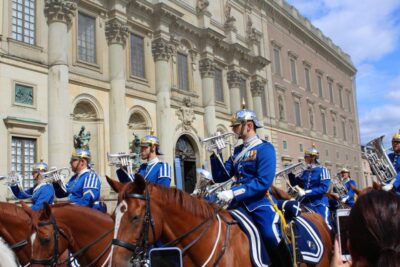
Later, the tour heads to the Royal Palace to talk about Sweden’s royal history of Kings and Queen’s. This is where Old Town’s political power comes into focus.
If you’ve ever looked at a palace and wondered what it actually did for the country beyond looking impressive, this part helps. You’ll connect the royal story to the places you already saw in the medieval core, so the palace doesn’t feel like a separate stop—it feels like the end of a chain.
This segment works well for first-timers because it organizes a lot of royal-era context without turning into a lecture.
Religious history and Stockholm Cathedral: a satisfying finish inside the stone
The finale shifts to Sweden’s religious history, ending with a stop by Stockholm Cathedral—one of the oldest structures in the city.
This ending is satisfying because it brings you full circle. Early on you’re seeing street-level life, trade, and older cultural markers. Near the end, you’re seeing how belief systems shaped community identity and how power and religion became intertwined over centuries.
It also gives you a clear mental picture of what Gamla Stan protected and promoted over time. When you step away from the cathedral area, it’s easier to see why Old Town became the heart of the city for so long.
The small-group factor: why up to 10 people feels right
The group is capped at 10 participants, and that’s not just marketing fluff. In practice, a smaller group means:
- easier pace control (less dragging everyone along)
- more time for the guide to answer your questions
- better interaction instead of only listening
Many people also liked how Kiki adjusts the tour to the group’s energy. That matters when you have a mix of first-timers and people who’ve been to Stockholm before.
And yes, you’ll still cover a lot in two hours. The route is tight, so you get value without feeling like you’ve spent your day walking in circles.
Price and value: is $52 worth it?
At $52 per person for a 2-hour, English-language, city-authorized guide walk in a small group, the value is in three places.
First, you’re paying for a guide who can connect details to meaning. Old Town is dense with sights, but it’s easy to miss the thread that links them. Kiki’s approach turns the walk into a coherent story.
Second, you get practical help beyond the history: restaurant and sightseeing suggestions during and after the tour. A tip card at the end includes names of places you visited and helpful recommendations, which makes it easier to plan your next moves without guesswork.
Third, the group size keeps the experience personal. You’re not just buying access to monuments. You’re buying time with a local guide who can answer questions in context.
If you’re the kind of traveler who wants a good first overview and then uses that to explore on your own, this price usually feels fair.
What to bring and how to dress for success
This is an all-weather walking tour. That doesn’t mean it’s a misery-fest. It means you should show up prepared.
Bring:
- comfortable shoes for cobblestones
- water
- sunglasses and sunscreen
- camera
- layers and a raincoat or umbrella
The walking pace is easy and casual. The route avoids stairs and steep hills, but you still need basic comfort for uneven ground.
Also, since the tour is storytelling-heavy, having a good-to-high understanding of English will help you catch the details and keep the flow enjoyable.
How this tour fits into your Stockholm days
If you’re short on time, I’d place this tour early—ideally in your first 24 to 48 hours. You’ll leave with a mental map of Old Town and a list of next steps that feel natural, not random.
It also pairs well with self-guided wandering afterward. Because the tour ends back at the meeting point in Old Town, you can extend your day without needing a transit plan.
Should you book this Stockholm Old Town walk?
Book it if:
- you want a fast, well-paced introduction to Gamla Stan
- you like history explained through the actual streets and landmarks
- you’d rather spend your limited time learning from a local guide than reading plaques alone
- you appreciate small-group dynamics and Q&A
Skip or rethink if:
- cobblestones are a problem for your feet
- you need wheelchair accessibility
- you prefer fully independent travel with no guide
If you fit the first group, this is a strong way to start Stockholm. Kiki makes the Old Town feel like a real place with a long memory, and you’ll finish with both a sense of the city and a plan for what to do next.
FAQ
Where does the tour start?
The meeting point is Mynttorget 1 (Mint Square), in front of the building Mynttorget 1. Kiki will be standing near one of the four benches and holding a small sign.
How long is the Old Town historical walking tour?
It lasts about 2 hours.
What language is the tour in?
The tour is conducted in English by a native English speaker and certified Stockholm guide.
How big is the group?
It’s a small group limited to 10 participants.
Will the tour run in bad weather?
Yes. The tour takes place in all weather conditions, so dress for the season and consider bringing an umbrella or raincoat.
What should I wear and bring?
Wear comfortable shoes for cobblestones. Bring water, sunscreen, sunglasses, and a camera. Dress in comfortable layers for the weather.
Is the tour suitable for wheelchair users?
No, it is not suitable for wheelchair users.
Are there discounts for children?
Children 13 and under are free of charge.
Can I cancel for a refund?
Yes. You can cancel up to 24 hours in advance for a full refund.
Where does the tour end?
It ends back at the meeting point in Old Town (Mynttorget 1).