REVIEW · STOCKHOLM
Viking History, Runes & Countryside 9h Tour to Sigtuna & Uppsala
Book on Viator →Operated by Sweden History Tours · Bookable on Viator
Rune stones in the countryside, fast.
This full-day trip from Stockholm strings together Viking sites and real-world places tied to Old Norse stories, then adds time in Sigtuna and Old Uppsala. You’ll cross a reconstructed Viking bridge, hear messages on rune stones, and see burial mounds tied to Sweden’s early royal past.
I love the blend of sites that feel both physical and explainable: Broby Bro’s graveyard context, Arkils tingstad’s preserved thing-assembly setting by the lakeside, and the Jarlabanke area where you can actually walk onto a Viking-style causeway bridge. I also like the pacing for a long day: small groups (up to 19), air-conditioned comfort, and regular breaks along the way, with guides such as Olof, Calle, and Gabriel bringing the stories to life.
One consideration: you’re packing a lot into a single day, so time inside Sigtuna and Uppsala is limited. If you want a slow wander with extra meals and museums, you’ll likely wish you had stayed longer after the tour ends.
In This Review
- Key things that make this tour worth your day
- From Stockholm hotel pickup to Viking sites by 9:00
- Broby Bro: Estrid, runestones, and burial customs in one stop
- Jarlabanke Runestones: the 150-meter bridge you can actually walk on
- Arkils tingstad: law at a preserved assembly site by the lakeside
- St. Olof church ruins: when the Viking era collides with 12th-century power
- Sigtuna boardwalk: a guided walk, fika time, and room to wander
- Old Uppsala (Gamla Uppsala): the royal burial mounds at full scale
- Uppsala Domkyrka and the 1477 university story
- Uppsala Castle courtyard: photos with a darker edge
- Value and group size: what you’re really paying for
- Comfort tips that make the long day easier
- Who should book this Stockholm-to-Uppsala Viking day tour?
- Should you book this tour to Sigtuna and Uppsala?
- FAQ
- What time does the tour start?
- Is hotel pickup included from Stockholm?
- Do cruise ships get pickup?
- How long is the tour?
- Is lunch included?
- Is fika available?
- How big is the group?
Key things that make this tour worth your day
- Broby Bro and the Estrid story: a Viking woman’s skeleton with a Jerusalem connection, plus runestones and burial customs.
- Jarlabanke Runestones and a 150-meter bridge: walk the reconstructed causeway and learn how power worked.
- Arkils tingstad’s preserved thing site: see how Viking law and social order played out by the water.
- Gamla Uppsala burial mounds: huge mounds tied to an early royal center before the Swedish kingdom.
- Sigtuna’s wooden-town vibe plus free time: a guided 60-minute walk, then an hour to explore on your own.
- Uppsala cathedral and the university origin story: learn why Uppsala became a major learning center in 1477.
From Stockholm hotel pickup to Viking sites by 9:00
The day starts at 9:00 am, and the tour is built around getting you out of Stockholm before the sights feel too rushed. If you’re staying within 3 km of Stockholm Central Station, pickup is included from your hotel, and you’ll get the exact pickup time 1–2 days before you go.
You’ll also be in an air-conditioned vehicle, which matters because you’re doing a lot of sitting between stops. The van size caps at 19 people, and based on the way the day is described by past guests, you can end up in a small group that makes questions easier and the atmosphere calmer.
If you’re arriving by cruise, pickup is included at several Stockholm cruise ports: Frihamnen, Värtahamnen, and Stadsgården. It’s not included for Nynäshamn, since it’s farther from central Stockholm—so plan on getting yourself into the city if your ship docks there.
You can also read our reviews of more historical tours in Stockholm
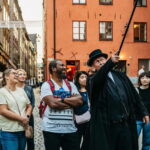
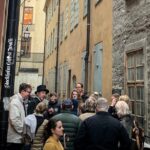

Broby Bro: Estrid, runestones, and burial customs in one stop
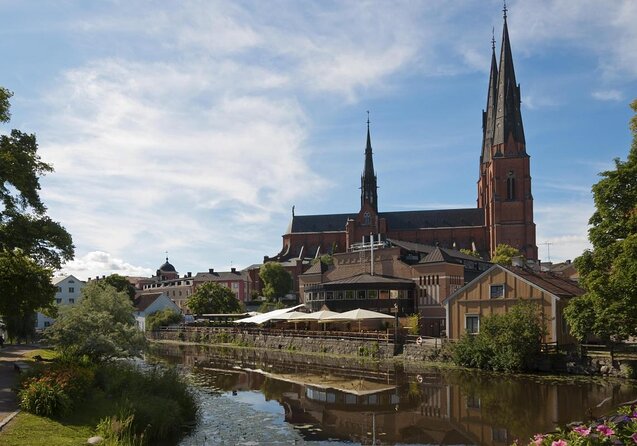
Broby Bro is the start you’ll remember because it sets the tone: you’re not just seeing “cool Viking rocks.” You’re getting the family story tied to the site, plus context on how people lived, spoke (Old Norse), and buried their dead.
This stop focuses on runestones and their messages, along with Viking burial traditions. The standout detail is Estrid, identified as the only well-known Viking woman skeleton in Sweden, and often linked to a journey as far as Jerusalem. Even if you’ve never studied Vikings, this kind of grounded story helps you connect the past to a real human life.
Practical note: expect a bit of walking around outdoor sites. Comfortable shoes pay off here, especially if you’re visiting in cooler months when the ground can be slick.
Jarlabanke Runestones: the 150-meter bridge you can actually walk on
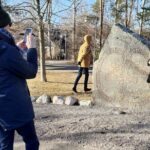
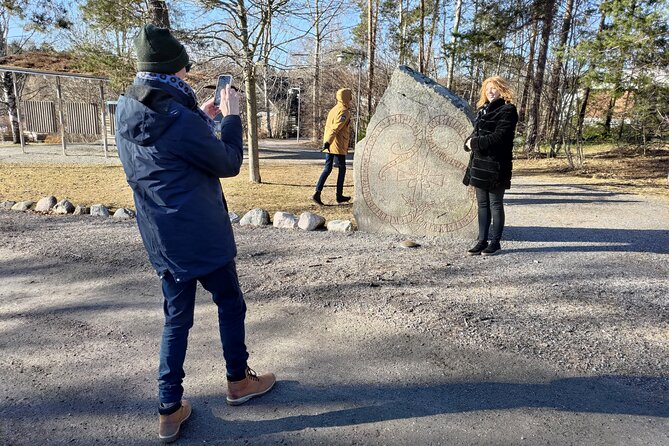
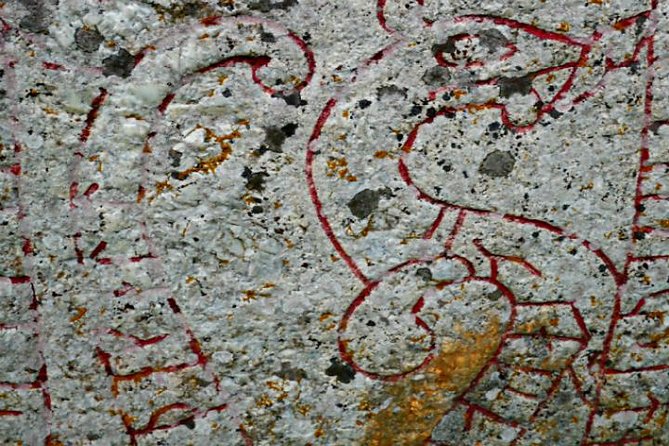
Next comes the Jarlabanke area, where the runestones don’t feel like trivia. You get to listen for the meaning behind the message written on a rune stone, and you’ll learn how Old Norse shaped how people recorded power and identity.
The big visual is Jarlabanke’s bridge, described as 495 feet (150 meters) long, reconstructed to help you picture what it was like when Viking leaders used it as a symbol of authority. Your guide should connect this to Viking politics: not just kings in armor, but a society divided by social groups with real influence at assemblies and local sites.
I like this stop because it turns “runic writing” into something you can stand next to and interpret. It’s not just a photo moment.
Arkils tingstad: law at a preserved assembly site by the lakeside
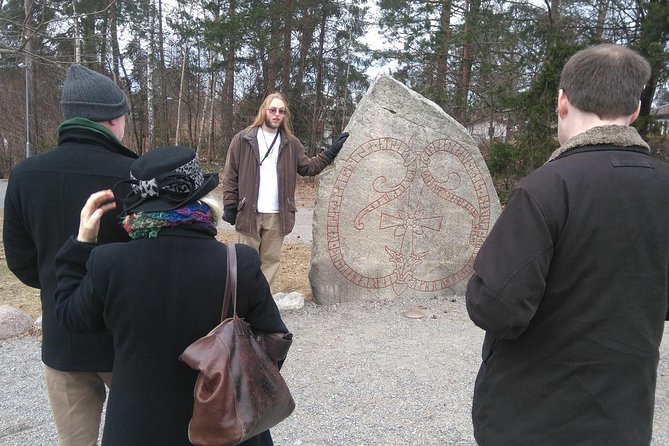
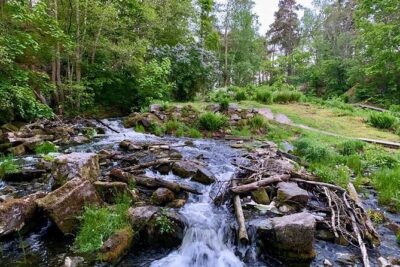
Arkils tingstad is one of those places that makes Viking culture feel practical. The thing site is preserved, so you can visualize how a gathering worked—people coming together for decision-making, rule-following, and community order.
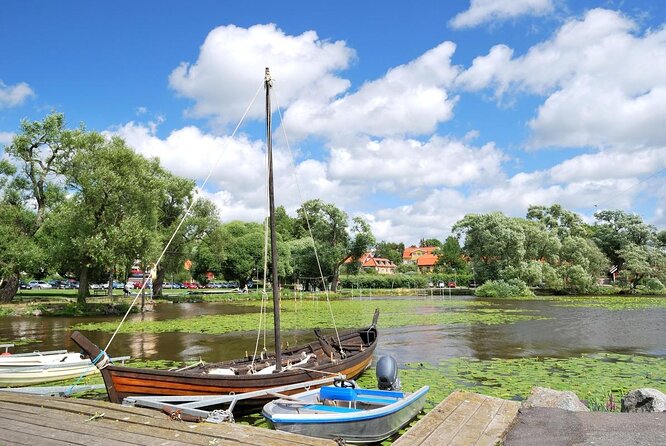
The setting by the lakeside also makes the Viking mindset easier to grasp. You’ll learn about Viking ships and exploration, and why travel and trade mattered so much. When a guide links laws, travel, and status, the Viking world stops feeling like separate topics and starts feeling like one connected system.
This is also a good stop if you like history explained through physical space. Seeing a preserved structure helps you make sense of what you’re hearing rather than just collecting facts.
St. Olof church ruins: when the Viking era collides with 12th-century power
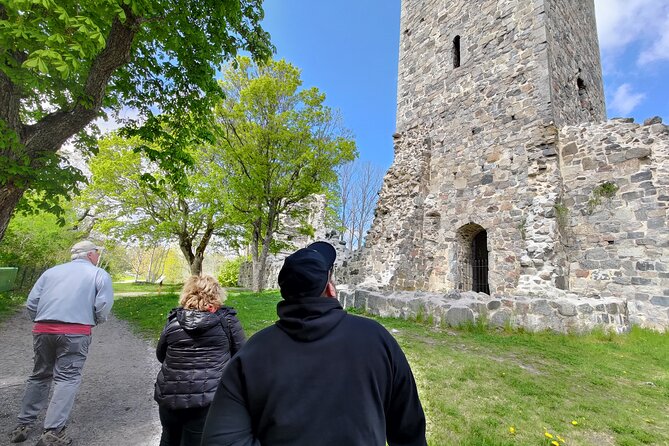
Then the tour shifts to a very different kind of evidence: church ruins tied to St. Olof, dating to around 1120 AD. The story here is about conflict, loss of control, and the messy reality of kingship when politics flips.
It’s a short stop, but it works well as a contrast. Vikings are often pictured as all seafaring and raids; this ruin nudges you toward the bigger change underway in Scandinavia—new religion, new institutions, and new power centers.
If you’re tired from the runestone stops, this brief chapter gives you a moment to reset without losing the thread of what came next.

Sigtuna boardwalk: a guided walk, fika time, and room to wander
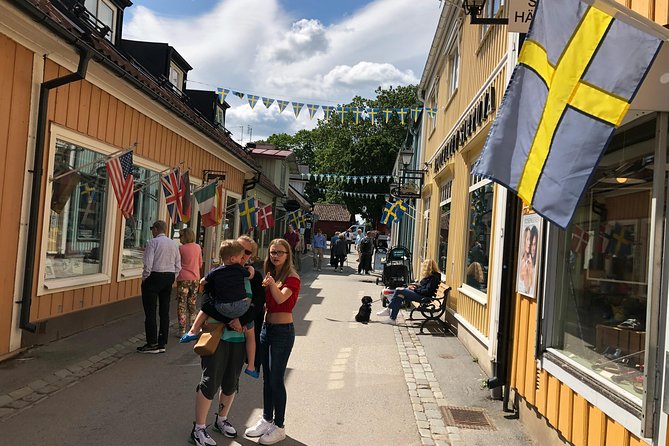
Sigtuna is where the trip breathes. You get a walking tour of this cozy old town area (the wooden-town feel is part of the appeal), then you’ll spend time with a break designed for coffee and a snack—and fika can be added on if you want it arranged.
After the guided segment, you’ll have about an hour of free time to explore on your own. That’s crucial because Sigtuna is the kind of place where you’ll spot details only if you’re not always listening to a lecture. You can also use this time to handle the practical stuff: stretching your legs, grabbing lunch, and finding a shop or viewpoint that catches your eye.
One note based on how people felt about the day: if you love the small-town vibe and want more hours there, this schedule might feel short. You’re getting the highlights, not a deep stay.
Old Uppsala (Gamla Uppsala): the royal burial mounds at full scale
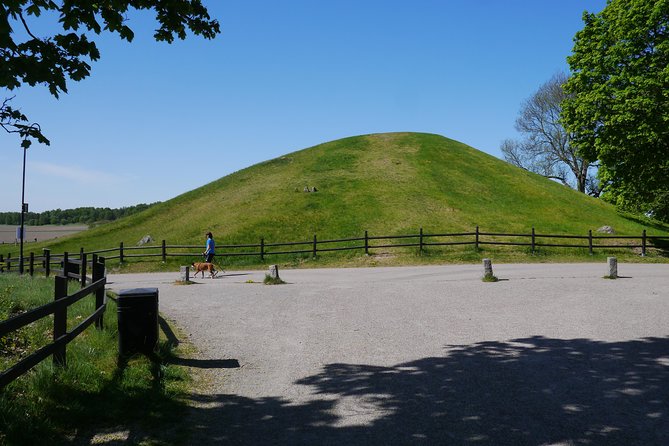
Now the tour moves into one of Sweden’s most dramatic early sites: Gamla Uppsala. Here, you’ll see the largest burial hills in Sweden, with mounds described at about 10 meters high and over 50 meters wide in diameter.
This is where you learn why the place mattered—an early royal center before the Swedish kingdom shaped itself in the way most history books cover. Even if the Vikings you imagine are mostly warriors, this site reminds you that power also meant controlling memory, land, and ritual.
I like that the guide ties the mounds to a broader story of kingship and community. If you’re the type who enjoys big scale evidence, this is likely a highlight.
Uppsala Domkyrka and the 1477 university story
In Uppsala city, you’ll visit Uppsala Domkyrka, the cathedral in the historic district. You’ll also hear how the university was founded in 1477, which is a key reason Uppsala matters beyond the Viking era.
This stop is shorter, but it’s useful because it connects the older burial-world to a later “learners and institutions” Uppsala. The guide points out important historical buildings from later centuries, then you can choose to look inside the cathedral on your own if you wish.
If your brain likes timelines, this is a good place to let things line up: Vikings to ruins to medieval learning.
Uppsala Castle courtyard: photos with a darker edge
The final Uppsala stop is the courtyard area at Uppsala Castle (Uppsala Slott). The point isn’t a long museum session—it’s a quick highlight plus photo-friendly views from a high point.
You’ll get a guided story of the castle’s fascinating and bloody past, and then you’re ready to head back. This is the part of the day that feels like a final bow: you’ve seen Viking power symbols, assembly life, burial rites, and then you close with later conflict and rule.
Value and group size: what you’re really paying for
At $298.53 per person for a roughly 9-hour day, the price only makes sense if you’re getting what this tour is designed to deliver: a serious route, a professional guide, and pickup/drop-off help that saves you hassle.
Here’s the value logic I see:
- Time-saving transfers: hotel pickup within 3 km of Stockholm Central Station, plus specific cruise ports handled.
- Expert guide-led interpretation: rune stones, Old Norse context, thing-site law, and the “why this mattered” angle.
- Compact admissions: the stops list admission tickets as free for each site, so you’re not paying repeatedly at every turn.
- Comfort in transit: an air-conditioned vehicle for the long travel legs.
Group size caps at 19, and many people enjoy that it can be small enough for real questions. Still, this is a long day with several sites outdoors, so your comfort will depend partly on weather and your walking tolerance.
Comfort tips that make the long day easier
This is not an all-freeways, sit-and-watch tour. You’ll do outdoor walking through fields and between monuments, and you’ll spend real time standing while the guide explains rune details and burial customs.
I’d pack:
- Comfortable walking shoes you trust on uneven ground
- A layer for colder or windy days near lakes and open sites
- Water and a small snack so you’re not stuck waiting for the next break
- A phone charger/camera storage, because the bridge, mounds, and cathedral views beg for photos
One practical upside from people who’ve done it: the day has room for bathroom and snack stops, which matters when you’re out for most of the day.
Who should book this Stockholm-to-Uppsala Viking day tour?
Book it if:
- You want Viking runes, assembly sites, and burial context in one day.
- You like when guides turn stones and mounds into stories you can picture.
- You’re short on time and still want Sigtuna plus Old Uppsala rather than choosing just one.
You might want to skip (or add extra nights) if:
- You want lots of time to linger in Sigtuna or Uppsala towns.
- You’re not interested in Old Norse, rune messages, and the “how society worked” part—this tour leans into interpretation.
One more thought: guides can make a big difference on a long day. Past experiences highlight instructors like Olof, Calle, Gabriel, Karl, Philip, and Jacob, plus driver Christian in some cases, for being patient with questions and keeping the day moving. That’s the kind of energy you want when you’re asking a lot from a single day.
Should you book this tour to Sigtuna and Uppsala?
Yes, if your goal is a one-day Viking-and-beyond sampler done with a guide who connects each place to the larger story of power, law, exploration, and belief.
If your goal is a slow art-and-café weekend, this schedule may feel rushed. For best results, treat the tour as your “hit the highlights” day, then stay overnight in Uppsala or Sigtuna to slow down afterward—especially if you want longer meals and more wandering in the town centers.
FAQ
What time does the tour start?
It starts at 9:00 am.
Is hotel pickup included from Stockholm?
Yes, pickup is included from any Stockholm hotel within 3 km of Stockholm Central Station.
Do cruise ships get pickup?
Yes, cruise port pickup is included for Frihamnen, Värtahamnen, and Stadsgården. Nynäshamn is not included.
How long is the tour?
The tour is about 9 hours (approximately).
Is lunch included?
Lunch is not listed as included. You’ll have a built-in lunch opportunity during the Sigtuna portion, and lunch can be added.
Is fika available?
Coffee and/or tea is included, and traditional Swedish fika is possible as an add-on.
How big is the group?
The tour has a maximum group size of 19 travelers.