REVIEW · STOCKHOLM
Stockholm: Old Town Guided Walking Tour (English / Deutsch)
Book on GetYourGuide →Operated by Stockholm Summer Tours · Bookable on GetYourGuide
Two hours in Gamla Stan tells a lot. You get a guided way to understand medieval Stockholm, with historic pictures used at each stop so the place doesn’t feel like a list of buildings. I like that the tour answers the big questions head-on, from the Stockholm Blood Bath to who lived in the Old Town.
One thing to consider: it’s mostly outdoor walking on cobblestones and narrow streets, so you’ll want comfortable shoes and weather-proof clothing.
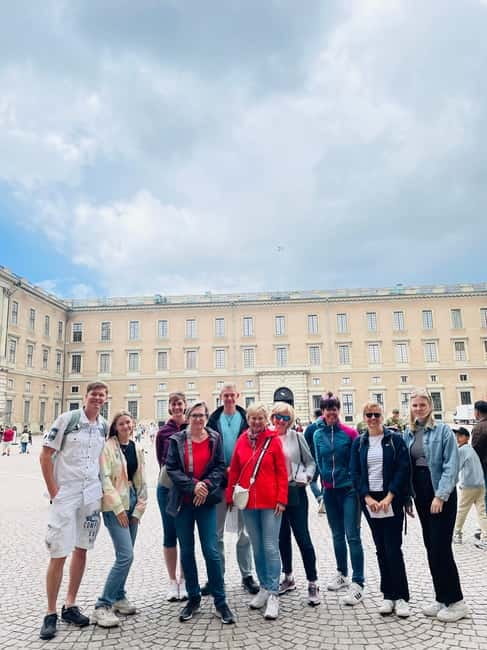
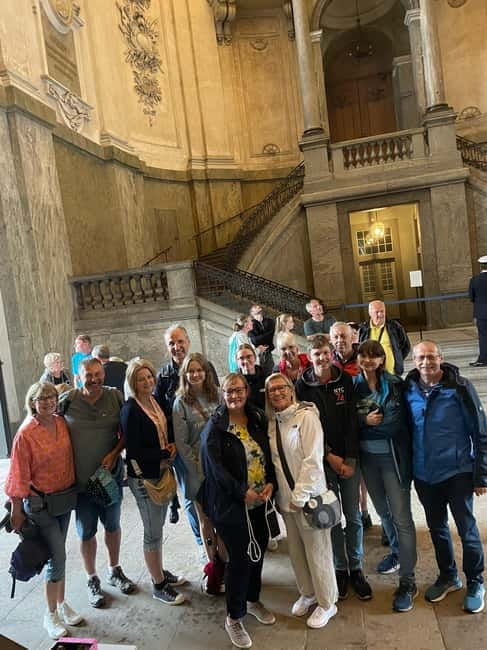
I also liked the relaxed feel. When guide Sophie led the stories using visual aids, it made the “who lived where and why” details click fast, and another guide like Andre kept things friendly (and even helped with family photos). The main drawback is simple: the live guide is listed for German and English, so if your language matters most, confirm when you book.
In This Review
- Key highlights to look for
- Why Gamla Stan is perfect for a first visit
- Getting started at Birger Jarls Torg (and why location matters)
- The walk’s rhythm: photo stops, short lanes, and a manageable pace
- Stop-by-stop: what each part of the Old Town gives you
- Birger Jarl statue: the orientation point
- Riddarholmen area: church views and a classic Old Town atmosphere
- Narrow lane sequence: Stora Gråmunkegränd and Ignatiigränd
- Västerlånggatan and Svartmangatan: where movement turns into structure
- Mårten Trotzigs Gränd: the narrowest-alley moment
- German Church, Stockholm: the Hanseatic-era connection in plain sight
- Prästgatan and Österlånggatan: street names as story clues
- Stortorget: the Old Town square that pulls it all together
- Nobel Museum: modern Stockholm’s surprise link
- Köpmangatan and Iron Boy: the street-level icons
- Royal Palace and Stockholm Cathedral: exterior views with a story thread
- Finish at Gustav III:s Obelisk (and what that means for your plans)
- The stories you’ll remember: the questions that make history click
- Mini fika and local recommendations: don’t skip this part
- Price and value: is $29 worth it?
- What to bring, what to skip, and who this fits
- Should you book Stockholm’s Old Town Guided Walking Tour?
- FAQ
- How long is the Stockholm Old Town guided walking tour?
- What’s the meeting point for the tour?
- Which subway station is closest?
- What languages are offered for the live tour guide?
- Is there an entrance fee to the sights?
- What’s included in the ticket price?
- What should I wear or bring?
- Is the tour wheelchair accessible?
- Do I need to pay right away?
- Will I get local recommendations after the tour?
Key highlights to look for
- Birger Jarls Torg as your starting anchor: get oriented immediately with the Birger Jarl statue right by you
- Short photo stops built into the route: you won’t feel rushed, but you also won’t lose time hunting for sights
- Historic pictures at every stop: the visuals help explain how medieval life could have looked
- Gamla Stan’s narrow street hits: you’ll include Mårten Trotzigs Gränd, one of the Old Town’s most famous squeezes
- Iconic landmarks without long lines: Royal Palace exterior views, Stockholm Cathedral exterior views, and more
- Mini fika plus a post-tour WhatsApp of local ideas: a sweet snack on the way out and recommendations to keep exploring
Why Gamla Stan is perfect for a first visit
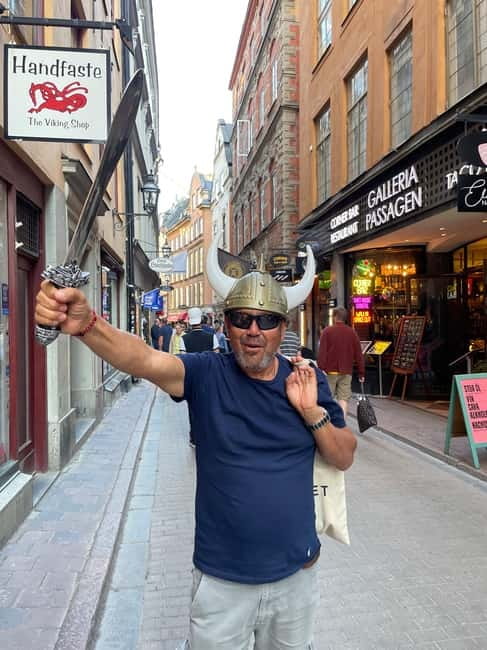
Gamla Stan is the medieval core of Stockholm, and it’s one of those places where you can walk in a straight line for a while and still feel like you’ve stepped into a different era. This tour is a practical way to learn the layout without spending your time getting lost in the streets that all look similar from far away.
I like that the tour mixes medieval Stockholm with the modern city you’re actually in now. You don’t just get names and dates; you get context about how the area connects to broader Nordic and European stories.
And because it’s only about 2 hours, it fits neatly into a busy sightseeing day. It’s long enough to get your bearings, but short enough that you’re not paying for a full afternoon of walking.
You can also read our reviews of more walking tours in Stockholm
Getting started at Birger Jarls Torg (and why location matters)
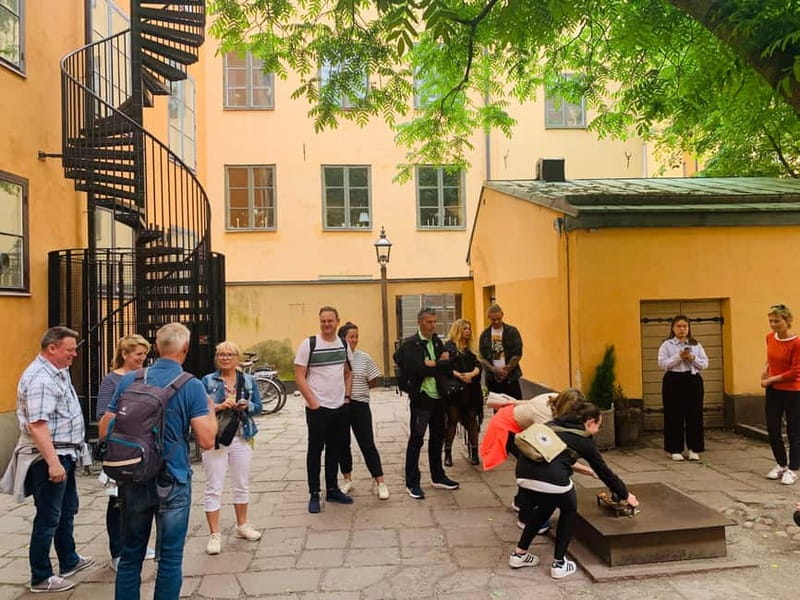
You meet at Birger Jarls Torg, right by the Birger Jarl statue. This is one of the easiest starting points to find on foot, and it keeps the group together because you’re starting on solid, open ground before the streets tighten.
The nearest subway station is Gamla Stan (green and red lines). That matters because Stockholm’s transit is so convenient that you can plan to arrive early, use the station to orient yourself, and then meet the guide without stress.
Your guide wears a visible vest, which helps if you’re arriving from a side street or the weather flips fast. The timing also matters: the tour starts punctually, so if you’re even a few minutes late, it’s worth letting the organizer know before departure so the group doesn’t wait.
The walk’s rhythm: photo stops, short lanes, and a manageable pace
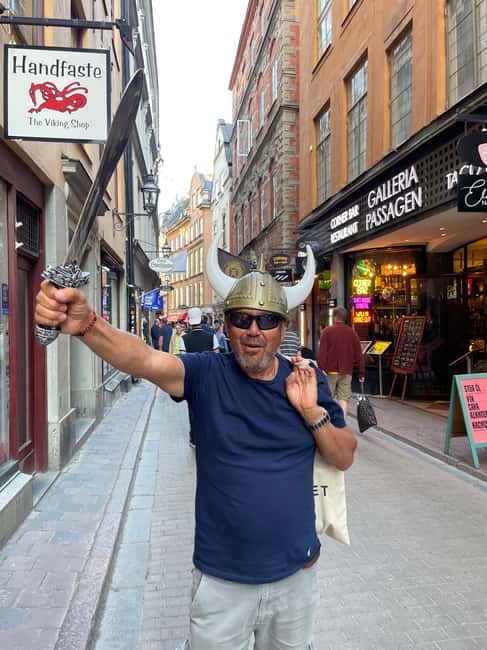
The route is built around a simple rhythm. You’ll have short walks between stops, frequent photo pauses, and a steady flow through lanes and squares that make Gamla Stan feel like a lived-in maze.
The pacing is generally relaxed, which is a big deal in a place like this. If you try to do Gamla Stan solo, it’s easy to burn energy just trying to find the next landmark. Here, you’re moving with a plan.
Most segments are short, but the streets can still be uneven and tight. Plan for that reality. Bring comfortable shoes and expect you’ll get some steps in even if the walking time doesn’t sound huge on paper.
Stop-by-stop: what each part of the Old Town gives you
Birger Jarl statue: the orientation point
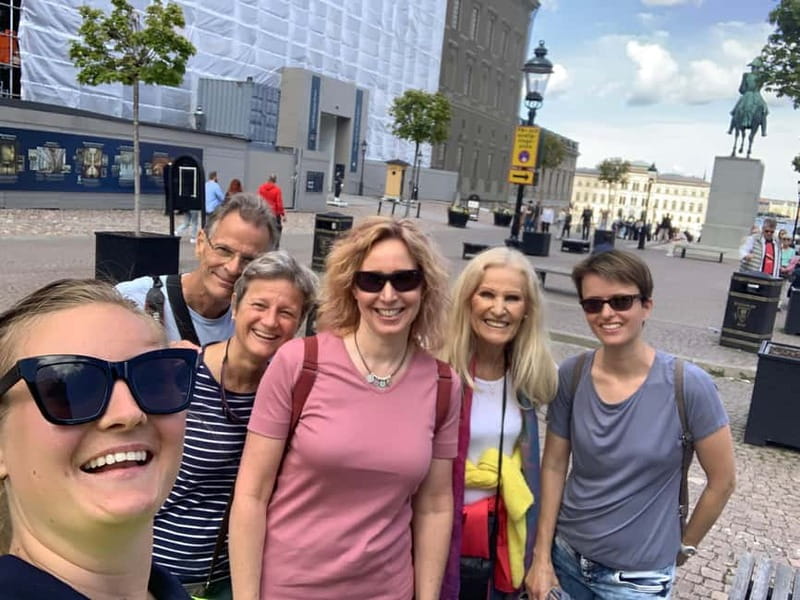
The tour begins with the Birger Jarl statue. It’s not just a landmark; it’s a mental starting point. From here, you start understanding how the medieval town’s geography and power centers relate to where you’re standing.
This first stop is where you begin hearing the broader “why” stories that later connect to churches, squares, and alleys.
You can also read our reviews of more guided tours in Stockholm




Riddarholmen area: church views and a classic Old Town atmosphere
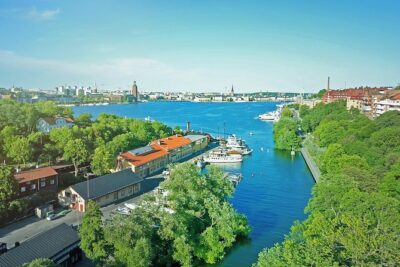
Next comes Riddarholmen, with a photo stop and a short walk. This is a good place to start noticing how Gamla Stan blends architecture with water-adjacent views and how the skyline changes as you move.
Even if you don’t go inside, the exterior viewpoints help you understand how the Old Town’s religious buildings shaped the look and feel of daily life.
Narrow lane sequence: Stora Gråmunkegränd and Ignatiigränd
You then pass through smaller streets like Stora Gråmunkegränd and Ignatiigränd. These stops are quick, but they matter because they train your eye to what makes Gamla Stan unique: the tight lanes, the turns that feel almost secret, and the scale difference between main streets and side passages.
If you’ve only ever seen old towns from postcards, this is the part that corrects your mental map.
Västerlånggatan and Svartmangatan: where movement turns into structure
The tour continues to Västerlånggatan and Svartmangatan. These streets help you see the Old Town as more than “pretty medieval stuff.” They start showing you how people would have moved around the area and how the town organized itself spatially.
You’ll also get stories tied to these areas, including questions about where different communities lived and how external influences shaped parts of the town.
Mårten Trotzigs Gränd: the narrowest-alley moment
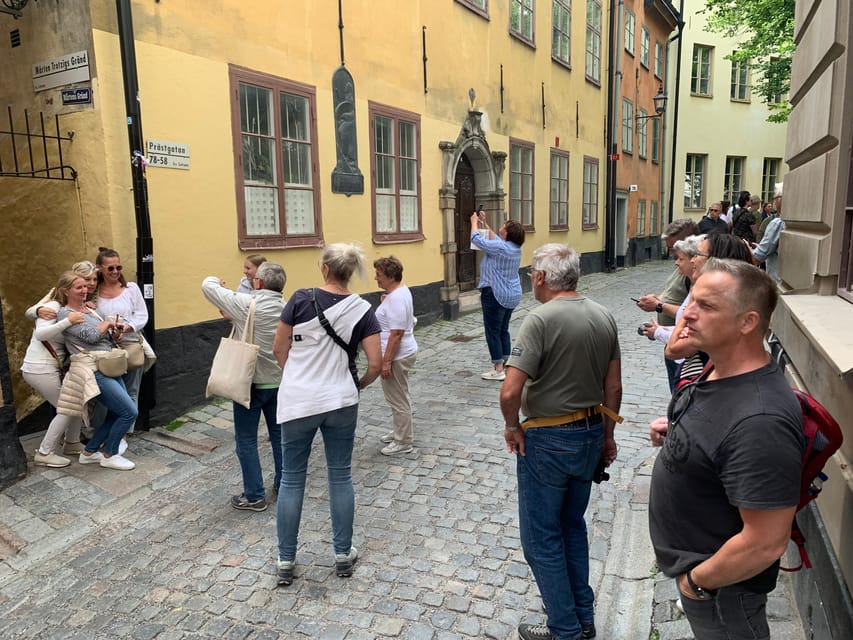
Then you hit Mårten Trotzigs Gränd, with a photo stop and a short walk. This is the “how is that even a street” alley that people talk about for a reason: it’s famously tight, and walking it gives you instant scale.
This is also where the guide’s story style really helps. When someone explains why certain alleys mattered to everyday life, the alley stops being just a photo.
German Church, Stockholm: the Hanseatic-era connection in plain sight
Next is the German Church, Stockholm, with a photo stop. The stop is designed to connect architecture to trade-era influence. The tour specifically raises the question of whether Gamla Stan was a German colony during the Hanseatic League period, and you’ll hear the story tied to what you see here.
It’s a smart way to understand the Old Town without turning the whole walk into a lecture. You’re standing in front of evidence, so the topic doesn’t float in theory.
Prästgatan and Österlånggatan: street names as story clues
The route then includes Prästgatan and Österlånggatan. Street names can be a shortcut into local history, and this tour uses that idea to help you read the place like a map.
You’ll get more questions answered here too, including themes about who lived in the Old Town and what life might have looked like.
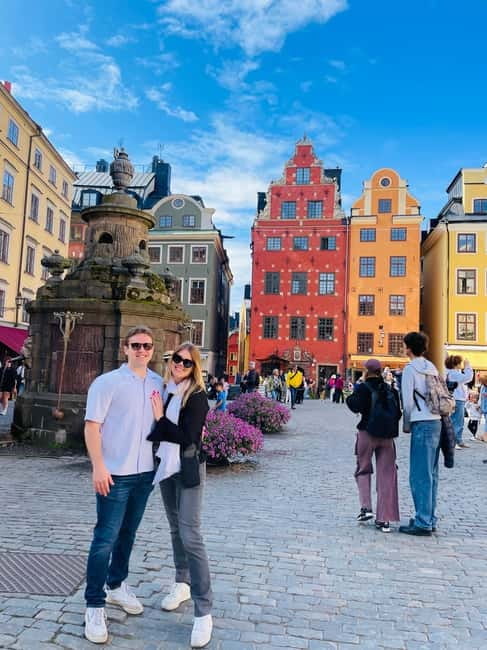
Stortorget: the Old Town square that pulls it all together
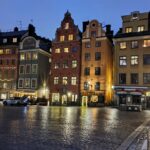
You reach Stortorget, with a photo stop and short walk. Squares like this are where you can imagine markets, public gatherings, and political tension. Even from outside, it’s a natural place to connect the alley story back to the bigger “city life” story.
This stop is useful if you want the tour to feel like it has a center, not just a chain of corners.
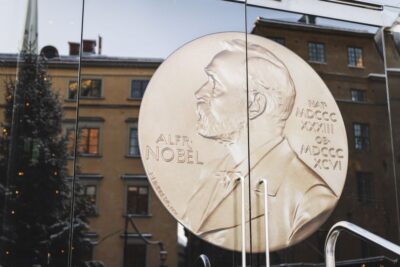
Nobel Museum: modern Stockholm’s surprise link
Next is a photo stop by the Nobel Museum. It might feel like a curveball compared to medieval streets, but that contrast is part of the value. You see how Stockholm layers eras on top of each other rather than treating history like a sealed-off museum zone.
It also gives you a place to reset your attention before the walk shifts back toward symbols and royal sites.
Köpmangatan and Iron Boy: the street-level icons
The walk continues through Köpmangatan and then to the statue of the Iron Boy (the boy who watches the moon). This is one of those moments that makes the Old Town feel alive because you’re seeing a recognizable symbol people seek out for modern Stockholm.
The guide also ties the symbolism back to broader town stories, so it’s not just a random photo moment.
Royal Palace and Stockholm Cathedral: exterior views with a story thread
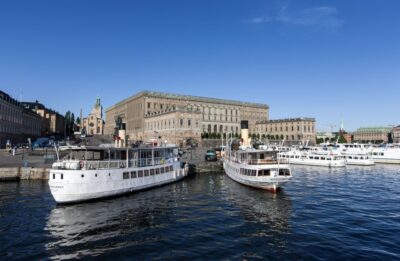
Next up are two big names: the Royal Palace and Stockholm Cathedral, each with photo stops. The tour focuses on seeing these from the outside, which is practical if you’re short on time or you don’t want to deal with entrances.
You’ll also get guided context that connects power, religion, and how the city’s centers of importance showed up in the Old Town’s layout.
Finish at Gustav III:s Obelisk (and what that means for your plans)
The tour lists the finish at Gustav III:s Obelisk. Separately, the activity info notes that the tour ends back at the meeting point. In practice, either way you’ll finish in the same Old Town core where you can continue exploring nearby.
Plan your next stop with flexibility, but don’t worry too much: you’re still in central Gamla Stan when the tour wraps.
The stories you’ll remember: the questions that make history click
This tour isn’t built around trivia for trivia’s sake. The guide’s approach is question-driven, and you’ll hear answers to prompts like:
- Where is the oldest building?
- Where is the most narrow alley?
- Do people still live in Gamla Stan?
- Was Gamla Stan influenced by German merchants in the Hanseatic League era?
- What happened during the Stockholm Blood Bath?
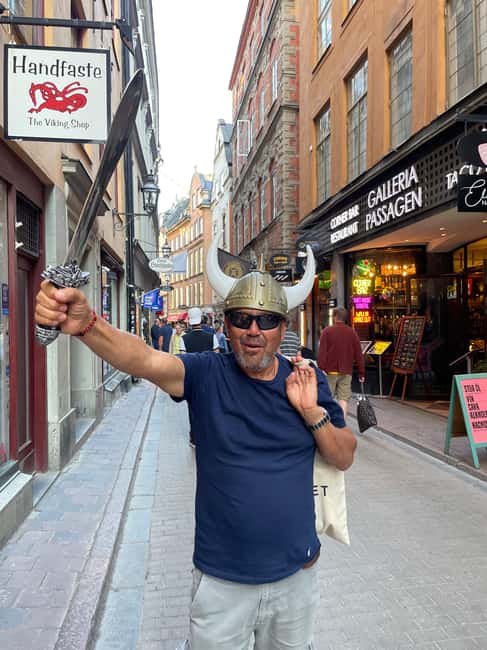
- Did Vikings live in Stockholm?
- Where did the executioner live, and what is the story behind street names tied to fear and punishment?
- Why did a French officer become Swedish King in the early 1800s?
- Is there still rivalry with Denmark?
I like question-based guiding because it gives you something to watch for as you walk. When you’re standing at a church, a square, or a tight lane, you’re not just staring at stone. You’re looking for the story connection the guide is setting up.
And the historic picture aids matter here. Seeing an old photo next to the modern street view helps you picture what the guide describes, even if you’re not a big museum person.
Mini fika and local recommendations: don’t skip this part
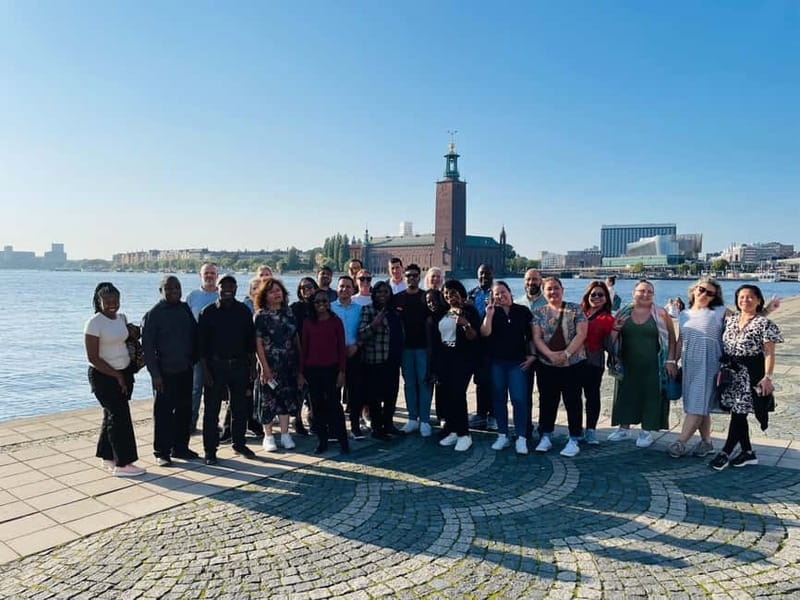
At the last stop, you enjoy a mini fika (a Swedish sweet snack). This is simple, but it’s also smart. Fika is part of how locals pace the day, and it gives you a natural break after the walking and the nonstop story context.
After the tour, you’ll receive a WhatsApp message to your booking phone number with the guide’s local recommendations. The list includes ideas for restaurants and fika, plus viewpoints, archipelago islands, and budget-friendly options.
If you’re trying to build the rest of your Stockholm day, this is one of the most useful “value extras” on the itinerary. It helps you go from guided route to your own plan.
Price and value: is $29 worth it?
At about $29 per person for roughly 2 hours, this tour is priced to be an easy add-on. You’re paying for a local guide, story coaching, and a route that hits key medieval structures plus street-level icons like the Iron Boy.
Here’s how I judge value in tours like this:
- If you’d otherwise wander Gamla Stan without direction, the guide saves you time and mental effort.
- If you like history but find pure lectures boring, the stop-and-start photo approach keeps it moving.
- If you want the highlights without paying entrance fees, this tour keeps it practical by passing sights from the outside.
The “no entrance fees” detail matters. You get exterior views and story context without needing to budget extra ticket time.
What to bring, what to skip, and who this fits
Bring:
- Comfortable shoes
- Weather-appropriate clothing (Scandinavia can change fast)
- A charged smartphone (you’ll want it for the WhatsApp follow-up and photos)
Skip:
- Intoxication
- Unaccompanied minors
- This tour is not suitable for wheelchair users
Who it’s for:
- You want a guided overview of Gamla Stan that doesn’t eat your whole day
- You like story-driven walking tours with lots of stops and photo moments
- You’re traveling in English or German and want a friendly, relaxed pace
Who might want a different style:
- If you hate walking on uneven cobblestones, you might find the street segments tiring
- If you need step-free access, this one isn’t listed as wheelchair-friendly
Should you book Stockholm’s Old Town Guided Walking Tour?
I’d book this tour if you’re the kind of traveler who wants to walk out of a place with understanding, not just photos. The best part is how the guide links streets, churches, squares, and even modern symbols like Nobel-related sites to the big questions that shaped Stockholm.
The guides stand out for being friendly and using visual aids to make the stories easier to picture. That’s exactly what you want in a town where the street layout can confuse you if you’re doing it alone.
I’d think twice only if your mobility is limited or if you strongly prefer fully indoor sightseeing. Otherwise, at $29 for two hours, it’s a solid, low-stress way to start your Stockholm time in the right place.
FAQ
How long is the Stockholm Old Town guided walking tour?
It runs for about 2 hours.
What’s the meeting point for the tour?
You meet at Birger Jarls Torg, right by the Birger Jarl statue.
Which subway station is closest?
The nearest subway station is Gamla Stan on the green and red lines.
What languages are offered for the live tour guide?
The live tour guide is listed as available in German and English.
Is there an entrance fee to the sights?
No. There are no entrance fees included because the tour passes sights from the outside.
What’s included in the ticket price?
You get a local guide, historic pictures at each stop, a mini fika, and your guide’s list of local recommendations.
What should I wear or bring?
Wear comfortable shoes, dress for fast-changing weather, and bring a charged smartphone.
Is the tour wheelchair accessible?
No, it is not suitable for wheelchair users.
Do I need to pay right away?
You can reserve now and pay later, keeping travel plans flexible.
Will I get local recommendations after the tour?
Yes. You receive a WhatsApp message with the guide’s local recommendations after the tour.
If you tell me your travel dates (and whether you’re more into churches, street photos, or story history), I can also suggest what time of day to schedule it for the best light and fewer crowds.