REVIEW · STOCKHOLM
Stockholm: Sunset Hike in Tyresta National Park with Meal
Book on GetYourGuide →Operated by Stockholm Nature · Bookable on GetYourGuide
A dusk hike in Tyresta feels like a pocket of calm. I love the small-group pace and the way the guide times the walk so you’re out in the woods as light fades, when wildlife activity tends to pick up. I also love the hands-on Swedish meal break (Swedish Midsummer food in warmer months, hot soup in winter) that turns a hike into a proper evening. One thing to keep in mind: the route can include uneven ground and some short scrambling, and sightings of animals are never guaranteed.
You start in the city, ride out by public transport, then get off the beaten path into an ancient-feeling forest. The tour aims to be responsible about its footprint, using the bus rather than private transfers. If you’re expecting a flat stroll, plan for a real forest walk—sturdy shoes matter.
In This Review
- Key things that make this sunset hike work
- Tyresta at sunset: why this feels different from a regular city outing
- From Gullmarsplan to the trail: getting out of Stockholm without drama
- The first hike stretch through Tyresta: dusk, forest paths, and animal-spotting odds
- The half-way meal break by the lake: fika comfort plus Swedish Midsummer flavor
- The return hike after dark: quiet forest sounds and careful steps
- Guides and group size: why up to 8 people matters on a real trail
- Price and value: does $144 buy enough to feel worth it?
- What to pack (and what to remember when the forest goes dark)
- Who this sunset hike suits best (and who should sit this one out)
- Should you book the Stockholm Tyresta sunset hike with meal?
- FAQ
- How long is the Stockholm Tyresta sunset hike with meal?
- Where do we meet for the tour?
- How do you get to Tyresta National Park?
- What food is included during the hike?
- Can the meal be adapted for dietary needs?
- What should I bring, and is it really rain or shine?
Key things that make this sunset hike work
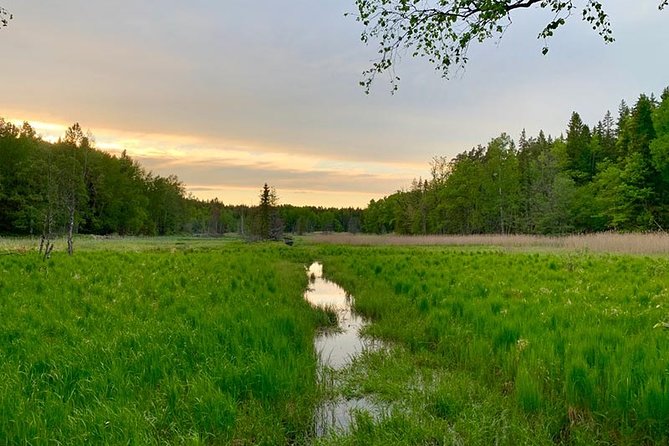
- Guided dusk timing: the best odds for animal spotting come when daylight turns to evening.
- Tyresta National Park access without a big travel day: you’re in nature fast from central Stockholm.
- A warm meal at the half-way point: Swedish Midsummer dishes in summer, hot soup in winter.
- Small group (up to 8): easier conversation, more attention, and less crowd pressure on the trail.
- Off-the-main-trail moments: you’ll see parts of the park that most people miss.
- Practical field advice: bring what you need for mud, rocks, and bugs—especially in summer.
Tyresta at sunset: why this feels different from a regular city outing
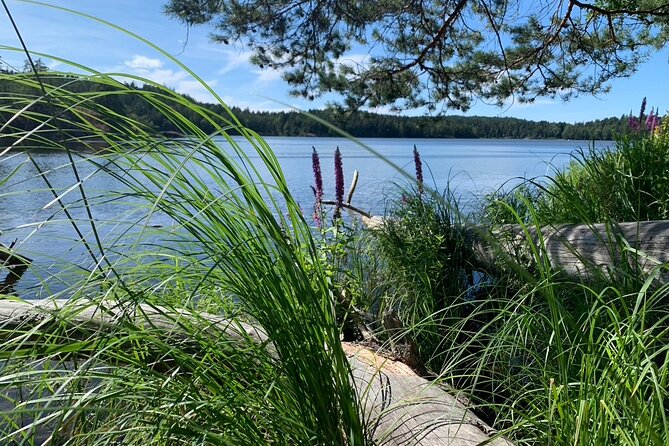
Stockholm is easy to enjoy from the water, the museums, and the pretty streets. But an evening hike in Tyresta National Park flips the rhythm. You’re trading indoor plans for forest air and fading light, with the guide pointing out what to look for as the park shifts from day mode to dusk mode.
What makes this tour special is the combination of timing and comfort. You’re not just walking for the sake of walking—you’re walking when the park wakes up. Dusk is when you’re most likely to spot movement: a deer pausing at the edge of the trees, a flash of something near the water, or (if you’re lucky) bigger wildlife. That’s never promised, but the tour is built around your odds improving as the light changes.
I also like that this experience ends up feeling social without turning into a group slog. With a maximum of 8 participants, you get more chances to ask questions, compare notes, and keep your footing in the darker forest.
You can also read our reviews of more evening experiences in Stockholm
From Gullmarsplan to the trail: getting out of Stockholm without drama
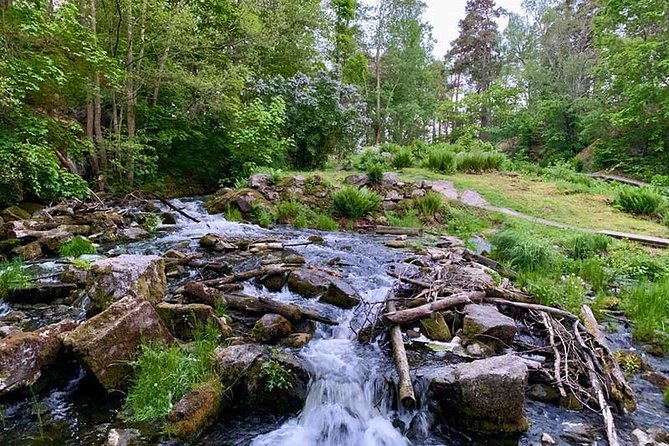
The meeting point is straightforward: you’ll meet in front of a 7-Eleven at Gullmarsplan 2, outside by the subway station. From central Stockholm, the green metro line takes you to Gullmarsplan in about 8 minutes, and then the group rides by local bus for roughly 30 minutes before you start hiking.
This transit piece matters more than it sounds. Going by public transport keeps it simple and keeps the day from eating up time you’d rather spend in the woods. It also matches the tour’s overall goal of a minimal environmental impact approach—small choices, added up.
If you hate rushing, show up early enough to get oriented at Gullmarsplan. You’ll want to feel steady before you switch from city sidewalks to forest footing. And yes, in Sweden the weather can turn fast—so being prepared for rain or wind matters.
The first hike stretch through Tyresta: dusk, forest paths, and animal-spotting odds
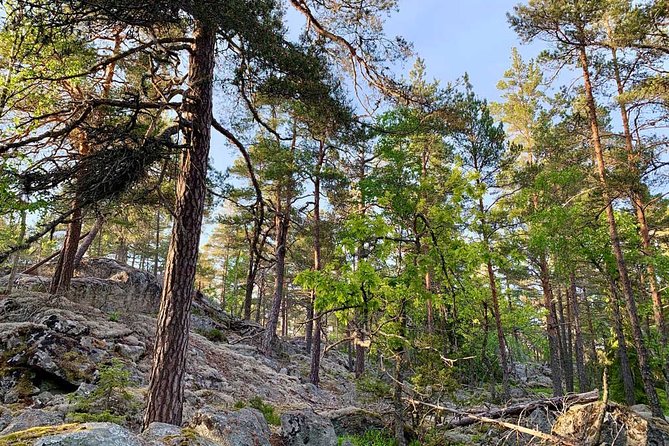
Once you’re in the park, you’ll start with guided hiking for about 1.5 hours. The best way to picture this: you’re walking into an ancient-feeling forest, with the trail moving between more open stretches and darker, denser areas. You’ll go off the main lines often enough to feel like you truly left the crowd behind, but the paths are still set up so you’re not constantly guessing where to step next.
The guide’s job is practical and fun. They share what’s in front of you—plants, signs of animals, and how the forest works. And they keep an eye out along the way. You may hear about moose sightings, deer, beavers, and other wildlife that groups have spotted on previous walks. That doesn’t mean you’ll see them, but it tells you the guide knows where to focus and when.
What I like here is how the pace is built around the fading light. Dusk photography is different from midday. Colors deepen, shadows stretch, and the forest starts to sound louder. One guest even described the value of the hike as something “more than a walk in the woods,” with lakes along the route and a few moments that demand care.
The half-way meal break by the lake: fika comfort plus Swedish Midsummer flavor
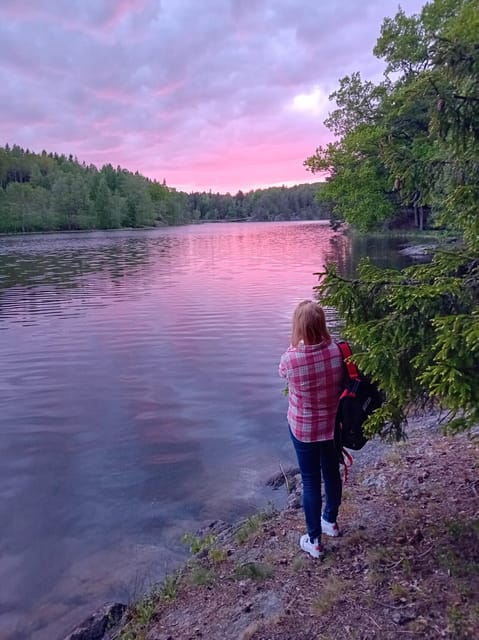
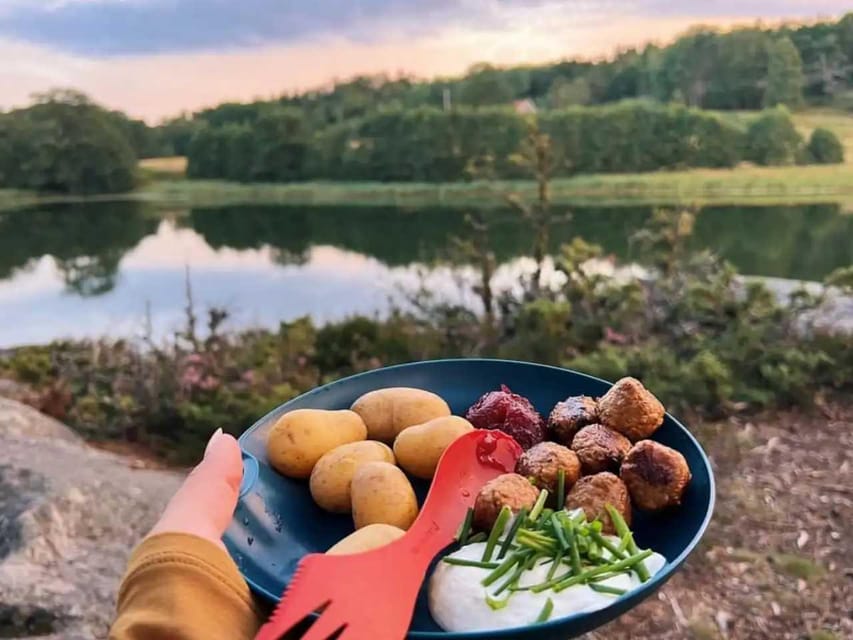
After your first hike stretch, you’ll stop for about 30 minutes for a lakeside picnic and meal. This is where the tour stops being just an activity and starts feeling like an evening.
In summer months, the meal is described as a Swedish Midsummer setup—often including meatballs, potatoes, and lingonberry jam. In winter months, that same concept shifts to a warm bowl: hot soup. Either way, it’s timed so you’re not running on empty while the light drops.
You’ll also get Swedish fika as part of the experience—snacks plus coffee and tea. Fika is one of Sweden’s best exports: small breaks that turn “I’m tired” into “okay, I’m good again.” On this tour, the fika and the meal combine into a real reset. One rainy-evening guest said the hot soup was a welcome pick-me-up, which tells you the comfort factor is real, not just marketing.
A note on dietary needs: vegetarian, vegan, and gluten-free options are available on request. If you have restrictions, don’t wait—send the details early so the guide can prepare appropriately.
The return hike after dark: quiet forest sounds and careful steps
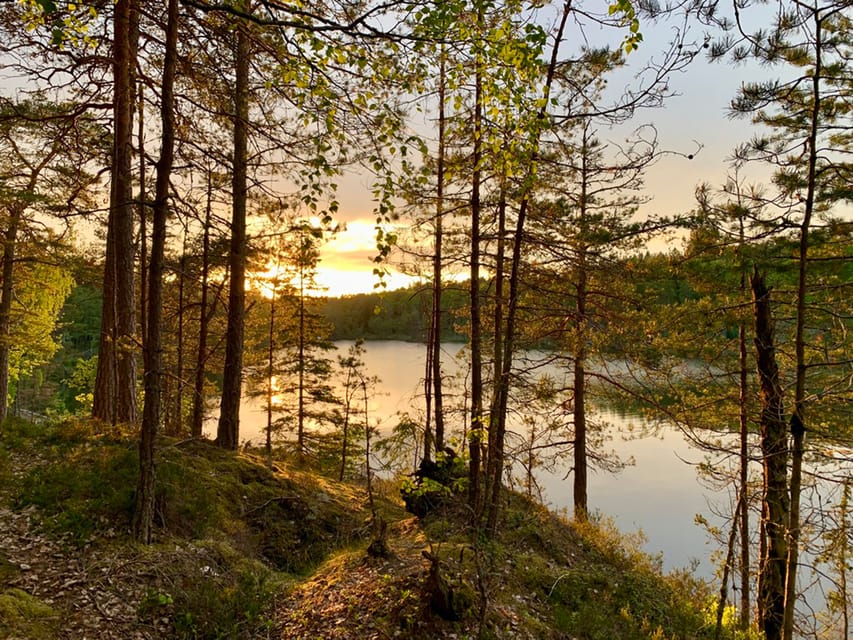
As darkness falls, you continue hiking for another 1.5 hours. This is the part that surprises many people in a good way. The forest changes fast. During dusk, you’re still reading the path by light. Then the sound takes over—footsteps, birds going quiet, water trickling, wind moving through branches. It’s calm, not scary, but you’ll want your footing to be second nature.
Some guests mention uneven ground and recommend sturdy waterproof shoes. Others point out that the trek includes short scrambling moments—more about balance and dexterity than endurance. If you’re the type who struggles on rocky edges, you’ll probably want trekking shoes with good grip and ankle support.
And if you’re going in warmer months: bring bug spray. One guest specifically warned about it, and it makes sense. The tour has you outside for hours, and lakes plus forest edges tend to bring insects.
Wildlife sightings can happen at any point, but the overall pattern is that dusk is your best window. A few past outings included moose sightings, and others included smaller wildlife like beaver and deer. You can’t plan on it—but you can plan around it by staying present and letting the guide lead your attention.
You can also read our reviews of more hiking tours in Stockholm
Guides and group size: why up to 8 people matters on a real trail
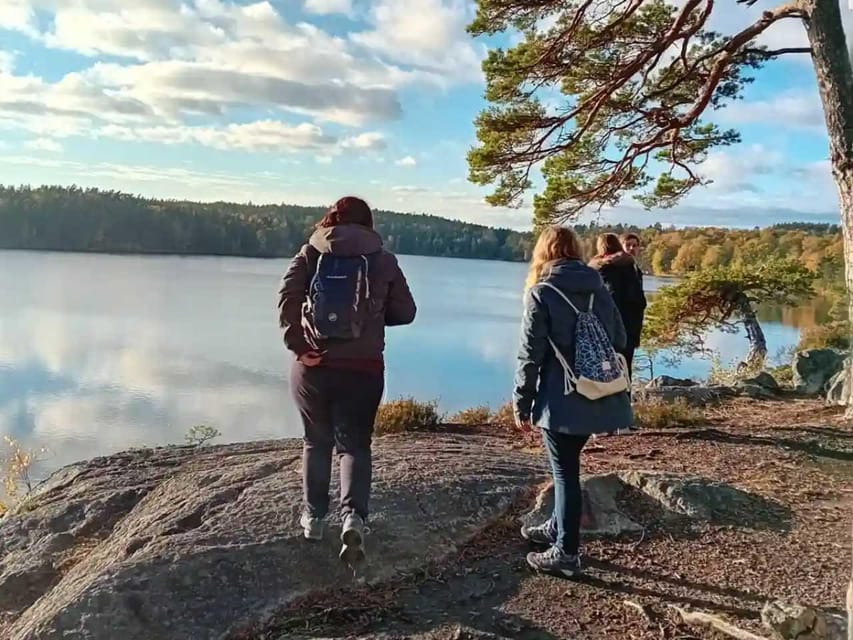
This tour runs with an English live guide and keeps groups small—up to 8 participants. That size changes the whole experience. It’s easier to hear instructions, easier to pause for photos without holding up a long line, and easier for the guide to offer help.
The guide quality shows up in the small moments. Different guides have led groups—names you may hear include Paloma, Jasmin, Eleanor, Une, Jakob, Leo, and Rene. The common thread is that they’re friendly, chatty when you want it, and attentive to your comfort. One guest shared they had a fear of heights, and the guide helped them climb a rock safely. That kind of support matters when the trail gets uneven or when the path edges drop away.
If you like conversation with local context, you’ll probably enjoy the way the guide connects the forest to Swedish traditions. If you prefer quiet, it can still work—you can keep your focus on the sounds and the scenery and ask questions when you want.
Price and value: does $144 buy enough to feel worth it?
At $144 per person for about 4.5 hours, you’re paying for more than a hike. You’re paying for:
- A trained guide who manages the timing and your safety in changing light
- A small group size (which usually means better attention on uneven terrain)
- Round-trip local transport by public bus from central Stockholm
- Included Swedish fika (snacks, coffee, tea)
- A warm meal component: Swedish Midsummer meal in summer, hot soup in winter
If you compare it to the cost of doing this solo—getting out to the park, figuring out a route, then buying food and coffee—you’d likely spend a similar amount without the guide’s interpretation or the meal break. And because it’s timed for dusk, the value isn’t just food. It’s the practical planning that gets you into the forest when it matters.
That said, one person felt the meal portion was a bit small and not filling. So if you’re the kind of eater who needs more to stay satisfied, plan to eat your fika snacks mindfully during the day and consider what your appetite usually looks like on a hike.
What to pack (and what to remember when the forest goes dark)
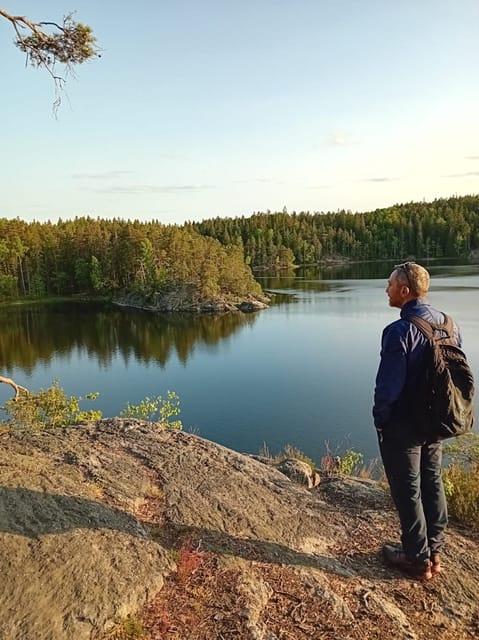
The tour gives clear basics, and the reviews add real-life upgrades. Here’s what I’d stick to for a comfortable evening:
- Hiking shoes (sturdy is better than fashion sneakers)
- Water
- Outdoor clothing for rain or shine
- Bug spray for summer
- Something you can move in on uneven ground
If rain is in the forecast, treat it as a normal part of the plan. The tour runs in rain or shine unless conditions become unsafe. That means you’re not just dealing with wet weather—you’re also dealing with wet rocks and muddy patches, so dry grip matters.
In winter, the hot soup is part of the warmth plan. In summer, the meal break is still a “warm enough” comfort moment, but the main temperature shock tends to come from the shift into night. Dress in layers so you can add or peel as dusk changes.
Who this sunset hike suits best (and who should sit this one out)
This tour is designed for people with normal fitness and health conditions. It’s not presented as extreme, but it is not a stroller-level stroll. You’ll be walking several hours with uneven terrain and occasional scrambling.
It’s also not suitable for:
- Pregnant women
- People over 70
If you’re visiting Stockholm and want to trade one more indoor evening for real nature time, this is a strong pick. I’d also recommend it if you like guided experiences—especially if you want someone to spot details you’d otherwise miss: animal signs, forest plants, and how Swedish outdoor traditions show up in food and pacing.
Should you book the Stockholm Tyresta sunset hike with meal?
Yes, if you want a genuinely Swedish evening outdoors without turning it into a whole-day logistics project. The combination of dusk timing, a small group, and a real included meal (not just snacks) makes it feel like good value for your time.
Book it especially if:
- You enjoy nature walks and want wildlife odds to improve as light fades
- You want coffee and tea breaks plus a warm meal at the half-way point
- You like the idea of using public transport for a more responsible day
Skip it if:
- You need a flat, easy route with no scrambling
- You’re very sensitive to uneven footing in low light
- You’re relying on guaranteed animal sightings (there’s always a chance you won’t see wildlife)
If you’re on the fence, here’s my simple rule: bring solid shoes, dress for the weather, and treat the forest as the main event. The rest—fika, the Swedish meal, and the quiet dark walk—falls into place.
FAQ
How long is the Stockholm Tyresta sunset hike with meal?
The tour lasts about 4.5 hours.
Where do we meet for the tour?
You meet in front of the 7-Eleven store at Gullmarsplan, outside to the subway station.
How do you get to Tyresta National Park?
The group takes public transportation, including about 30 minutes by bus, then returns the same way.
What food is included during the hike?
You get Swedish fika (snacks, coffee, and tea), plus a Swedish Midsummer meal during warmer months or hot soup during winter months.
Can the meal be adapted for dietary needs?
Vegetarian, vegan, and gluten-free options are available on request.
What should I bring, and is it really rain or shine?
Bring hiking shoes, water, and outdoor clothing. The tour runs rain or shine unless conditions are unsafe.