REVIEW · STOCKHOLM
Gamla Stan: Essential Tour of Stockholm
Book on GetYourGuide →Operated by Rainbow Tours Stockholm · Bookable on GetYourGuide
Old Town turns into a timeline on your feet. In Gamla Stan, this walk strings together the big moments that shaped Stockholm’s identity, from Viking-era roots to the shock of 1520, with guides like Sophie keeping the pace lively. I love how the tour stays chronological, so you’re not just collecting dates—you’re following cause and effect.
What I like most is the blend of standout sights and tight storytelling. You’ll hit places like Mårten Trotzigs gränd (the narrowest street in Stockholm) and end at Stortorget, and the guide ties each stop to what was happening in that era. I also like the human touch: guides named Gaya, Katherine, and Oscar (along with others) bring humor, wordplay, and an easy Q and A style.
One possible drawback: it’s still a walking tour through narrow streets, so if you’re sensitive to cobblestones or you pick the worst-weather day, you may feel it after 2.5 hours.
In This Review
- Key Points You’ll Actually Care About
- Starting at Gustav Adolfs Torg: the fastest way to get your bearings
- A chronological storyline: Vikings, Germans, Denmark, 1520, then Gustav Vasa
- Gamla Stan streets and Mårten Trotzigs gränd: narrow lanes, big stories
- From Parliament House to Riddarholmen: power and place
- German Church stop: the story isn’t only Swedish
- Royal Palace and the St. George Dragon statue: where symbolism meets politics
- Stockholm Cathedral and Stortorget: finishing in the beating heart
- Guides make the difference: the humor, the wordplay, the Q and A
- Price, time, and value: $21 for 2.5 hours in Old Town
- Walking comfort and weather: how to enjoy it without rushing
- Who this Gamla Stan tour is perfect for
- Should you book this tour?
- FAQ
- How much does the Gamla Stan Essential Tour of Stockholm cost?
- How long is the tour?
- Where do I meet the guide?
- What language is the tour in, and is it wheelchair accessible?
- What stops are included on the route?
- Is the tour chronological?
- Can I cancel for free, and can I reserve now and pay later?
- What should I do about weather or if I’m running late?
Key Points You’ll Actually Care About
- Chronological route from the Viking era through German influence, Danish conflict, and the 1520 Stockholm bloodbath to Gustav Vasa
- Old Town street focus, including Mårten Trotzigs gränd, plus narrow lanes and colorful streets you can actually navigate
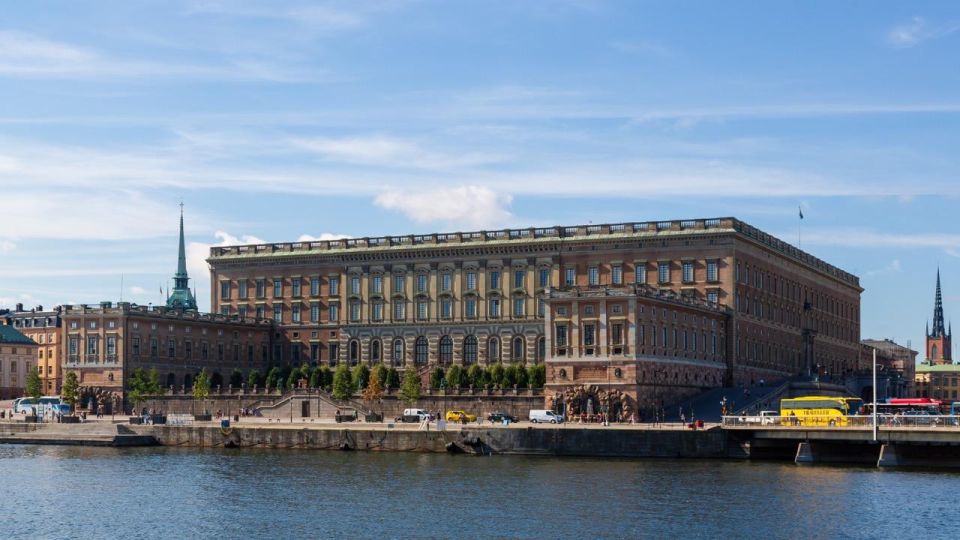
- Major power stops like the Parliament House and Stockholm Royal Palace, all explained in context
- Two churches and a main square, covering the German Church, Stockholm Cathedral, and Stortorget
- High-energy, English-speaking guides with a knack for jokes, wordplay, and answering questions
Starting at Gustav Adolfs Torg: the fastest way to get your bearings
Gamla Stan can feel like a maze at first. That’s why I like the start point at Gustav Adolfs torg, right in the center of the action. You meet the guide in the middle of the square, and you’ll spot them by the rainbow umbrella.
From there, the tour heads into the Old Town’s tight streets with purpose. The idea is to give you a mental map before you wander off on your own later. If you’re the type who needs a starting point (and most people do), this format helps.
The guided stops are timed too, with short visits like 10 minutes per location. That matters because it keeps you moving without turning every stop into a slow museum lecture.
You can also read our reviews of more tours and experiences in Stockholm.



A chronological storyline: Vikings, Germans, Denmark, 1520, then Gustav Vasa
This is the tour’s real engine. Instead of jumping randomly between buildings, you follow the city’s history in order, like Stockholm is telling its own story. You start with the Viking era, then move through German influence, then the Danish conflict that leads to one of Sweden’s most infamous events: the Stockholm bloodbath in 1520. After that, the succession of Gustav Vasa comes into focus.
I like this approach because it mirrors how you actually learn geography and history at the same time. When you know what came first and what changed after, the sights stop feeling like isolated photos. They become clues.
The guide also uses living cultural context, not just old dates. You may notice the guide checking in with questions and perspectives that help explain how today’s Sweden thinks and talks about its past. One of the tour’s strengths is how it gives your brain somewhere to put facts as you walk.
Gamla Stan streets and Mårten Trotzigs gränd: narrow lanes, big stories
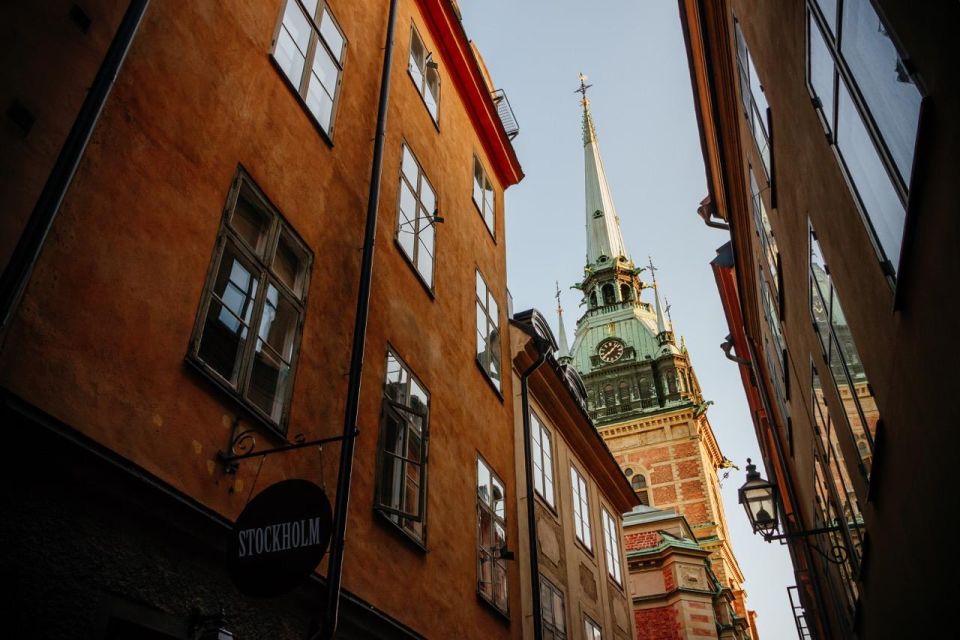
Once you’re on the streets, the tour gets very tactile. Gamla Stan is famous for being picturesque and narrow, and you actually experience that here instead of just staring from a distance.
A highlight is Mårten Trotzigs gränd, the narrowest street in Stockholm. It’s the kind of place where you instantly understand why cities grow the way they do. Tight streets shape how people travel, trade, and even how power shows up.
You’ll also walk through other quaint, colorful lanes. The payoff is that you see the Old Town not just as a postcard, but as a real neighborhood you could continue exploring later. If you want to take photos, this is a good route for it because the views change quickly as you turn corners.
One small practical thought: narrow streets mean you’ll need a little patience with the flow of people moving around you. That’s normal in Old Town, and the timed stops help keep it from turning into a long bottleneck.
From Parliament House to Riddarholmen: power and place
The itinerary builds in layers of authority. After starting at Gustav Adolfs torg, you pass Parliament House (Sweden) for a guided segment. Even without spending forever there, the stop helps ground the history you’re hearing. It gives you a sense of how Stockholm’s governance evolved from older structures into what you see today.
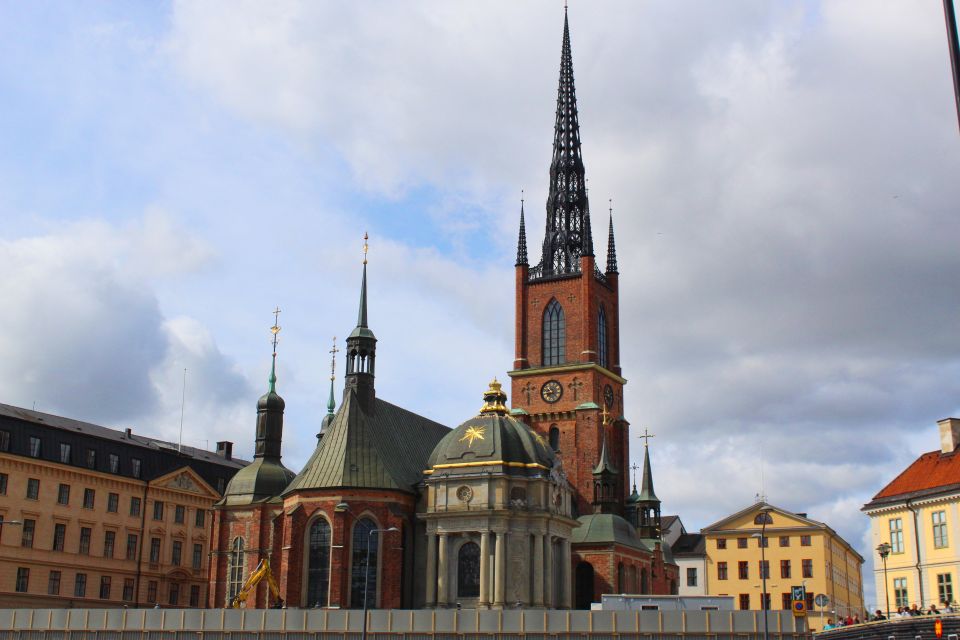
Next comes Riddarholmen, another key piece of the island’s story. You’re not just walking past it; you get a short guided look so it clicks into the timeline you’ve been following. In a chronological tour, stops like these prevent the history from feeling like a separate lecture drifting away from the buildings in front of you.
This kind of routing works best if you’re okay with short explanations and frequent movement. If you prefer long stays at fewer places, you might want to pair this tour with some solo time afterward at the sights that grabbed you most.
German Church stop: the story isn’t only Swedish
Stockholm’s Old Town includes influences that didn’t come from Sweden alone. One of the stops that makes that clear is the German Church.
This matters because the tour doesn’t treat history like a closed box. It explains how German influence connected to the city’s growth, culture, and power dynamics over time. You end up understanding why you see certain architectural and cultural footprints in the Old Town.
If you like history that explains how trading communities and foreign ties change a place, you’ll appreciate this stop. It keeps the timeline from feeling too nationalistic or one-note.




Royal Palace and the St. George Dragon statue: where symbolism meets politics
The route then brings you to the Royal Palace for another guided segment. This is a big stop, and it fits perfectly after the 1520 turning point you hear earlier in the walk. When you connect those eras, the palace stop feels less like a standalone sight and more like the end of a long chain of decisions.
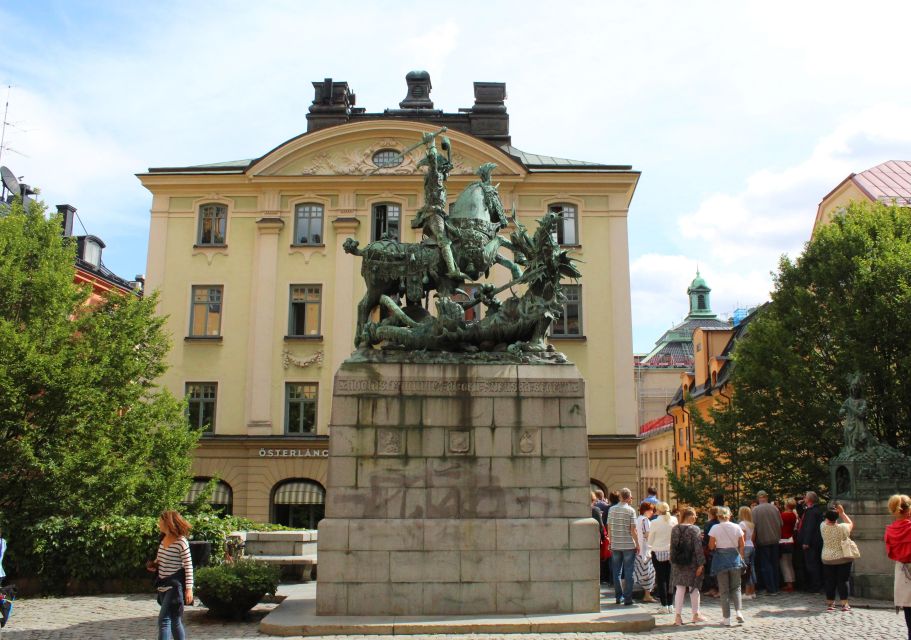
You also get a chance to learn about the statue of St. George and the Dragon. Symbols like that are the kind of thing that can look cool in a photo but still leave you puzzled. With a guide tying it to the surrounding story, you’re more likely to remember why it exists and what it represents.
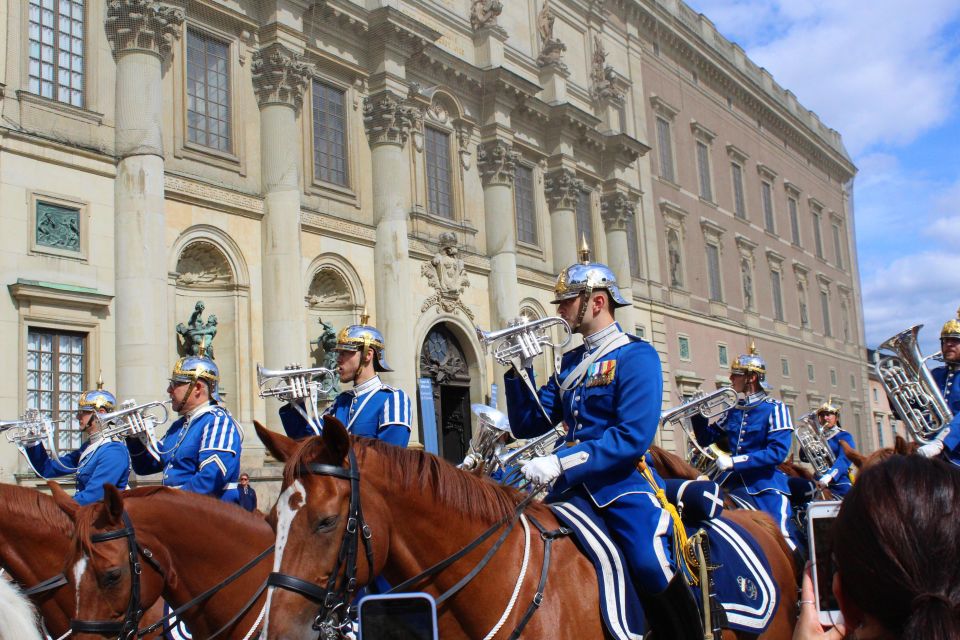
And here’s a bonus possibility: one group reported catching the changing of the guard, complete with a marching band. That’s not guaranteed on every day, but because this stop is part of your structured time in the Royal Palace area, you may catch it if it lines up.
Stockholm Cathedral and Stortorget: finishing in the beating heart
Near the end, you visit Stockholm Cathedral. This is where the tour’s historical story hits another kind of power: religion and community life. Again, the time is short, but you get enough guided context to keep the stop from feeling like a quick photo stop.
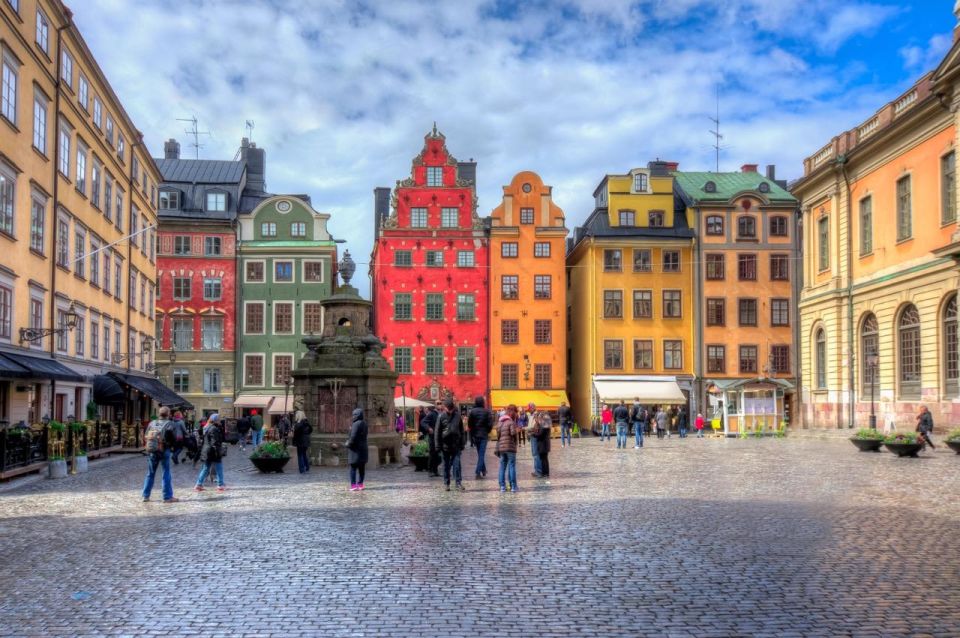
Then you finish at Stortorget, the famous main square. I like ending on a square because it’s naturally a place to absorb the atmosphere. After you’ve walked through narrow lanes, government sites, and churches, Stortorget gives your brain room to breathe and reset.
If you’re planning the rest of your day, this ending point is practical. Stortorget sits in the heart of Gamla Stan, so it’s easy to continue walking or to find a break without having to backtrack.
Guides make the difference: the humor, the wordplay, the Q and A
The biggest reason this tour consistently scores high is the guide style. Multiple guides are described as cheerful, high-energy, and very effective at keeping people engaged. Names that came up include Sophie, Oscar, Gaya, Katherine, and Maria.
Sophie is described as cheerful and enthusiastic, with high energy and the ability to answer all kinds of questions. Oscar comes across as funny, telling Swedish history like it’s happening in the moment. Katherine is praised for a fun adventure pace with plenty of stops and clear explanations. Gaya is noted for wordplay paired with historical knowledge.
There’s also a nice cultural angle. One guide asked Swedish friends questions that foreigners would likely ask, which helps you understand the gap between how visitors see things and how locals frame them. That’s a small detail, but it makes the tour feel more like real conversation than a script read into the street.
Group size also seems thoughtfully handled. One note described a group of about 15, which helps everyone hear without constant pushing or jostling.
If you’re the type who likes to ask questions, this tour is built for that. You’re encouraged to ask anything that sparks curiosity, which is how the experience becomes personal instead of generic.
Price, time, and value: $21 for 2.5 hours in Old Town
At $21 per person for 2.5 hours, this tour is priced like a budget-friendly way to get your bearings and learn meaning, not just scenery. The value comes from the structure: you get a local guide, a guided route, and multiple key stops packed into a time window that doesn’t wreck your whole day.
For first-time Stockholm visitors, time is your most expensive currency. This tour gives you that early-day payoff: you see major places, learn how the eras connect, and get recommendations for what to do next.
It’s also a good spend if you want to avoid the common trap of wandering Gamla Stan with no context. Old Town streets are charming, but without a storyline, it’s easy to forget what you saw five turns ago.
Walking comfort and weather: how to enjoy it without rushing
This tour is wheelchair accessible, which is great news if you need that option. You’ll still be walking in an Old Town setting, though, so good weather matters.
The practical tip is simple: check the weather and dress accordingly. If it’s wet, cold, or windy, the narrow streets can feel extra exposed. Bring what you need to stay comfortable for 2.5 hours.
Also, plan for punctuality. If you’re running late, you should let the local operator know in advance so they can help you reach the tour. With a walking route and timed stops, being late can shrink what you get to see.
If you’re combining this tour with other plans the same day, keep buffer time around it. Gamla Stan rewards slow wandering, and this tour is a good way to start that kind of day.
Who this Gamla Stan tour is perfect for
This tour fits best if you want to understand Stockholm, not just visit it. It’s ideal for:
- First-time visitors who want context fast
- People who like walking and learning side-by-side
- Anyone curious about how Vikings, German influence, and Danish conflict shaped what Stockholm became
- Solo travelers who prefer a guided route that keeps it easy to ask questions and move at a reasonable pace
If you already know Swedish history deeply and prefer super-detailed lectures at each monument, you might find the short 10-minute stop format a little quick. But for most people, that pacing is exactly what keeps the tour fun.
Should you book this tour?
If you’re choosing between wandering Gamla Stan on your own and getting a guided timeline, I’d lean guided. You’re paying for structure, story, and an English-speaking guide who can answer questions while you walk. The route also lands you at practical places—like Stortorget—so you can keep exploring afterward without feeling lost.
Book it especially if you want the Old Town to make sense. The chronological focus—from Vikings through 1520 and Gustav Vasa—gives you a mental map that lasts longer than photos. And with guides described as energetic, humorous, and strong at explaining, it’s not just a checklist tour.
If weather might be rough, dress for it and bring a little patience for the cobbled, narrow streets. Do that, and you’ll come away with the kind of understanding that makes Gamla Stan feel like a living city, not a set of buildings.
FAQ
How much does the Gamla Stan Essential Tour of Stockholm cost?
The price is $21 per person.
How long is the tour?
The tour lasts about 2.5 hours.
Where do I meet the guide?
Meet at Gustav Adolfs torg. The guide will be in the middle of the square holding a rainbow colored umbrella.
What language is the tour in, and is it wheelchair accessible?
The tour is in English, and it is wheelchair accessible.
What stops are included on the route?
The tour includes guided stops at the Parliament House (Sweden), Riddarholmen, Mårten Trotzigs gränd, the German Church, the Royal Palace, Stockholm Cathedral, and it finishes at Stortorget. You’ll also learn about places like the St. George and the Dragon statue.
Is the tour chronological?
Yes. It’s designed chronologically, starting with the Viking era, then covering German influence, the Danish clash leading to the Stockholm bloodbath in 1520, and the succession of Gustav Vasa.
Can I cancel for free, and can I reserve now and pay later?
Yes. There is free cancellation up to 24 hours in advance for a full refund, and you can reserve now and pay later.
What should I do about weather or if I’m running late?
Check the weather and dress accordingly. If you’re going to be late, contact the local operator in advance so they can help you reach the tour.