REVIEW · STOCKHOLM
Private Full Day Viking History Tour from Stockholm Including Sigtuna and Uppsala
Book on Viator →Operated by Sweden History Tours · Bookable on Viator
Runes and mounds start right after pickup. This private day trip mixes Viking-era sites with two Swedish history stops you can’t really understand from a map alone: Sigtuna and Uppsala. I like the way the route layers “then” and “now,” from reconstructed farm life to church ruins and major cathedrals, with time to ask questions along the way.
Two other strengths stand out for me. First, the day includes multiple short, focused stops—runestones, burial ground, a reconstructed causeway, and an assembly site—so you’re not stuck staring at one monument for hours. Second, the private format lets the pacing feel like your pace, not a factory line, and the narration from guides such as Olaf, Calle, Gabriel, Quentin, and Nadia gets praised for turning legends into something you can picture.
The main drawback to consider is price. At $672.45 per person, this is built for smaller groups that truly want the countryside drive and guided stops; lunch isn’t included, and you’ll also pay for fika.
In This Review
- Key Highlights You’ll Actually Feel
- Why This Viking Day Trip Beats a Stockholm-Only Option
- 9:00am Pickup, Real Driving Time, and How the Day Stays on Track
- Broby Bro: Runestones and a Grave Field That Make the Past Feel Close
- Jarlabanke Bridge and Arkils Tingstad: Viking Infrastructure and Community Decisions
- Sigtuna Church Ruins: Walking Old Streets With a Timeline in Your Head
- Uppsala Domkyrka and the Old Town Walk: Sweden’s Big Cathedral Moment
- Gamla Uppsala Mounds: The Viking-Era Feel That Doesn’t Need a Museum Ticket
- Fika at Old Uppsala: A Short Break That Keeps the Day Enjoyable
- Price and Value at $672.45: What You’re Paying For
- What the Best Guides Seem to Do on This Route
- Walking Expectations and What to Bring
- Who Should Book This Tour, and Who Might Skip It
- Should You Book This Viking History Tour?
- FAQ
- What time does the tour start?
- Is this a private tour?
- Where are pickup and drop-off available?
- What’s included in the price?
- Is lunch included?
- Are admissions included for the stops?
- What languages is the tour offered in?
Key Highlights You’ll Actually Feel
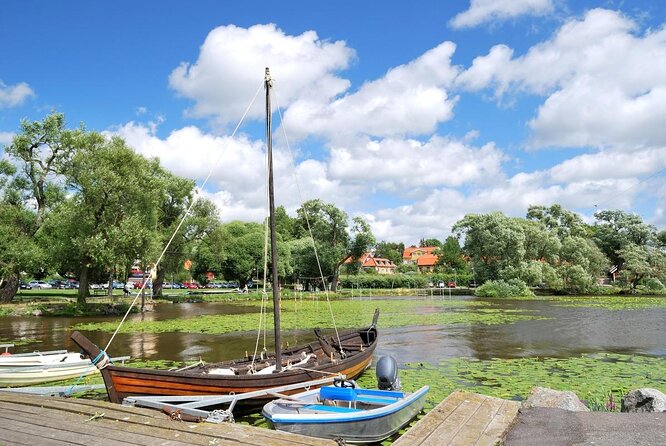
- Reconstructed Viking farm energy at Broby Bro, where Viking life feels less abstract
- Runestones, grave fields, and “place history” in short, easy-to-manage stops
- Sigtuna church ruins + old-town walk for a real sense of the town’s early importance
- Uppsala Domkyrka and Old Uppsala to connect Viking-era sites with later Swedish history
- A dedicated fika stop in Uppsala that keeps the day from running on empty
Why This Viking Day Trip Beats a Stockholm-Only Option
Stockholm is great, but it can trap your thinking in “city time.” This tour pulls you outward, into the countryside where stone, earth mounds, and old roads still shape the story. You trade a few hours of postcard views for a sharper timeline—Vikings, then the shift toward later Swedish power centers.
You also get a smoother kind of learning. Instead of one long museum lecture, you get site after site, each one pointing to a different piece of Viking life: writing (runes), community decisions (assembly places), belief (burial and religious sites), and later connections (Uppsala).
That’s why a private guide matters here. When you’re standing on real ground—stone runes, church ruins, and mounds—it’s the questions that turn “I saw it” into “I get it.”
You can also read our reviews of more private tours in Stockholm



9:00am Pickup, Real Driving Time, and How the Day Stays on Track
The tour starts at 9:00am, with pickup at central Stockholm hotels or the cruise port (if your ship arrives at specific piers). You’ll ride in a comfortable vehicle and spend a good chunk of the day traveling between sites outside the city.
That time in the car isn’t wasted. It’s how you reach places that make sense only when you can see their surroundings. Just plan for the rhythm: short walks, quick stops, then another drive.
For cruise travelers, the key practical point is the meeting method. The guide waits with a sign saying Viking Tours at the approved areas for piers like STADSGÅRDEN (S165, S167), FRIHAMNEN (F638), and VÄRTAHAMNEN (V523). If your ship docks at Nynäshamn, pickup isn’t included, since it’s about 50 km from central Stockholm—so you’ll want to arrange a meeting place in the city.
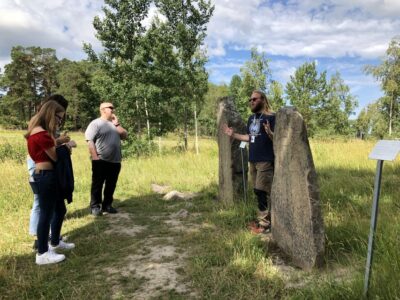
Broby Bro: Runestones and a Grave Field That Make the Past Feel Close
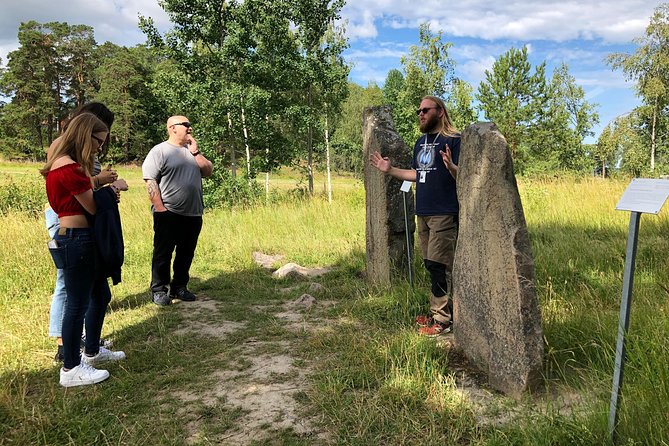
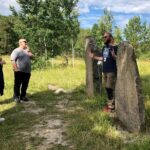
Your first stop is Broby Bro, a place built for seeing Viking memory in physical form. You’ll spend about 30 minutes around runestones and a grave field area where history isn’t behind glass. With admission listed as free, this is the kind of start that doesn’t add stress or fees before you even settle into the day.
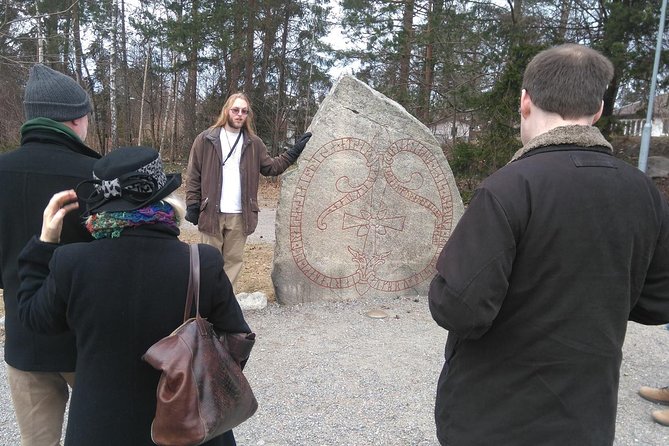
What I like about this opening is the way it sets the tone. Runestones are not just “old rocks.” They’re messages set into landscape—often tied to families, status, and local identity. Once you’ve seen them at ground level, the rest of the day becomes easier to connect.
This stop also has a built-in benefit for first-timers: it’s short enough that you can stay alert, but rich enough to start answering big questions early—who lived here, what mattered to them, and why this spot endured.
Jarlabanke Bridge and Arkils Tingstad: Viking Infrastructure and Community Decisions
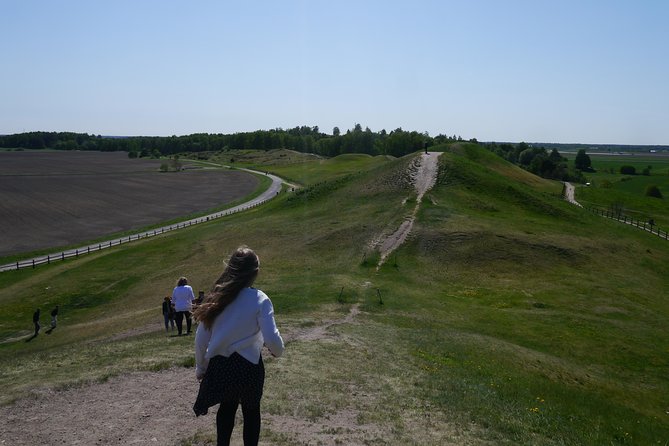
After Broby Bro, you move to Jarlabanke bridge, described as a reconstructed Viking causeway. The value here isn’t just the “Viking look.” Reconstructed sites help your brain picture practical movement—how people crossed wet ground, traveled routes, and used land strategically.
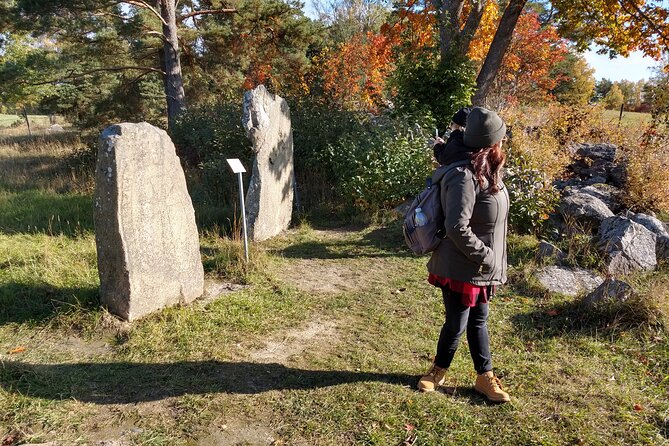
Next comes Arkils tingstad, one of the best preserved Viking assembly places left, with about 30 minutes on site. An assembly site changes how you think about Viking culture. It stops the story from being only raids and ships. Instead, you see governance and community process—the idea that these were societies with rules, meeting places, and shared decision-making.
If you love history that explains behavior—how people organized themselves—this is where the tour feels especially strong. It’s not just what happened, it’s how people handled conflict and consensus at the local level.
Sigtuna Church Ruins: Walking Old Streets With a Timeline in Your Head
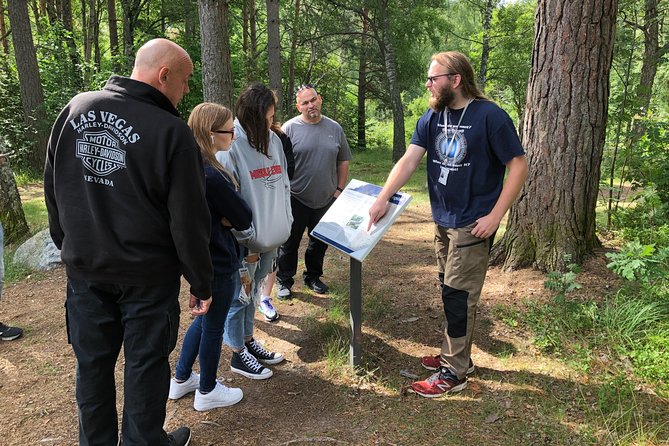
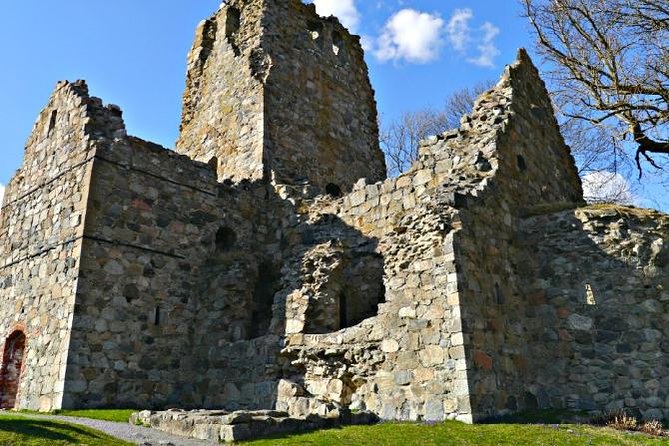
The day’s Sigtuna segment begins at S:t Olofs Church Ruins, with about 1 hour 40 minutes for the stop, including time to walk through Sigtuna and the church ruins. This is where the atmosphere shifts from “Viking site” to “early Swedish town,” and you feel that transition in the layout and the walking.
Sigtuna is described as the country’s oldest town, and that matters. You’re not only looking at ruins; you’re stepping into a town whose timeline runs long. The walk down the main street gives you a mental bridge between Viking roots and later social change.
You also get lunch time here, but it’s not included. If you want the least-stress option, look for something close to the walking route you’re using during the stop, so you’re not losing time trying to coordinate meals with your group schedule.
One practical note: you’ll likely be mixing ruins and town walking. Comfortable shoes help. You don’t need hiking boots, but you do want something that won’t hate you after hours on uneven surfaces.
You can also read our reviews of more historical tours in Stockholm



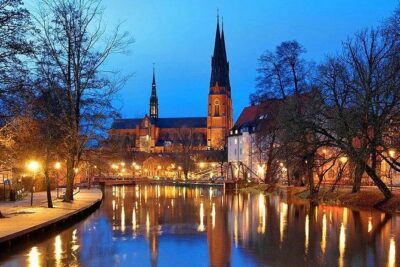
Uppsala Domkyrka and the Old Town Walk: Sweden’s Big Cathedral Moment
Then the tour lands in Uppsala with a visit to Uppsala Domkyrka, plus a city walk around the cathedral area. This stop is about 1 hour, and it’s one of those “this changes the scale of everything” moments.
The cathedral is described as the largest in the Nordic region, and even if you’re not a cathedral person, size helps your imagination. It tells you that power and belief shifted across centuries—yet the city still carries earlier layers underfoot.
This is also where the guide’s storytelling really matters. A good guide connects Uppsala’s later prominence back to what you saw earlier: runestones, assembly life, and burial traditions. The tour’s pacing gives you enough context that these aren’t random stops; they feel like steps on the same ladder.
Gamla Uppsala Mounds: The Viking-Era Feel That Doesn’t Need a Museum Ticket
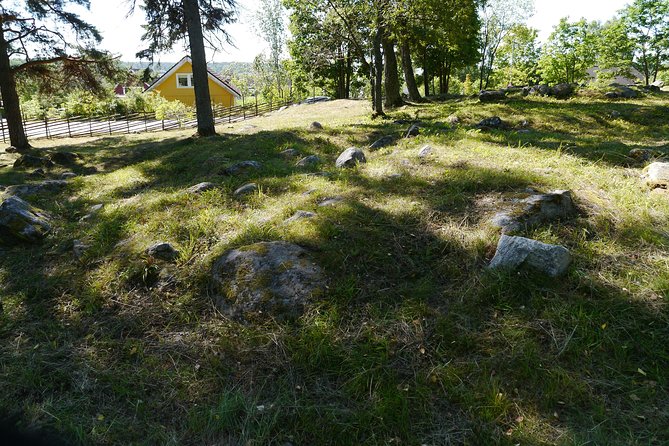
Next is Gamla Uppsala, with about 40 minutes. This is the “old” part of Uppsala—the area known for burial mounds and Viking-era associations. If you’re looking for the most atmospheric piece of the day, this is it.
Mounds are subtle from far away, but up close they’re powerful. They remind you that this history was meant to last. You’re not just walking past artifacts; you’re walking through a landscape shaped by memory.
Also, this stop balances the earlier town walking. You get a bit more “ground and earth” time, which helps keep the day from feeling like only stone buildings and paved paths.
Fika at Old Uppsala: A Short Break That Keeps the Day Enjoyable
Before the day wraps up, you’ll have a dedicated fika stop back at Gamla Uppsala for about 10 minutes. Fika is listed as own expense, so budget a small extra amount for coffee and something sweet.
I like the placement here. By the time you reach fika, you’ve already done the walking, the runestones, the ruins, and the cathedral area. A quick pause helps you reset your focus so you can enjoy the last stretch rather than just endure it.
Even if you’re not picky about desserts, take this break seriously. It’s part of how Swedish days work. You’ll feel more patient and present for the final drop-off.
Price and Value at $672.45: What You’re Paying For
At $672.45 per person, this is not an economy tour. Private pricing can sting. But this price also reflects several things you’d usually have to stitch together yourself: hotel/cruise pickup and drop-off, the driver and vehicle for a full day, and a guide tailored to your group.
Admissions at the listed stops are marked as free, which reduces the hidden cost problem. You’re also not paying for extra ticket lines during the day. The trade-off is lunch and fika are on your own wallet.
To decide if the price fits your trip, ask yourself one question: do you want guidance that connects the sites, or do you just want transport? If you want the connecting part—how runes, assemblies, and later Uppsala connect—the private format is the “value driver.”
If you only want a couple of photos and some quick facts, there are cheaper group options in many destinations. But if your goal is to leave with a clearer story, this format is easier to justify.
What the Best Guides Seem to Do on This Route
The tour’s success rate points to one theme: the guide narrative. Names that show up in guide praise include Olaf, Calle, Gabriel, Quentin, and Nadia. When you get someone with strong command of the subject, the day clicks into place.
What I’d look for in a guide here:
- Clear explanations of runes and what they were used for
- A way to separate movie Vikings from real daily life
- Practical context for why a place was chosen—assembly grounds, burial fields, and town ruins
Because you’re moving through very different kinds of sites—stones to buildings to mounds—you need a guide who can switch gears without losing your thread. A well-run private day makes that transition feel natural, not chaotic.
Walking Expectations and What to Bring
This is a full day with several stops. You’ll do walking at Sigtuna and a cathedral area stroll, plus you’ll be on your feet around stone sites and mounds. The tour recommends comfortable walking shoes, and I agree.
What to pack is simple:
- Comfortable shoes for mixed surfaces
- Weather-appropriate layers (Sweden can change moods fast)
- A small amount of cash or card for lunch and fika
Since you’re in a private vehicle, you don’t need bulky hiking gear. But don’t show up in shoes that pinch. This day rewards people who stay comfortable.
Who Should Book This Tour, and Who Might Skip It
This tour is a good match if you want:
- Viking-era sites beyond the basics
- A day that connects Sigtuna and Uppsala into one narrative
- The flexibility of private pacing and time for questions
It may be less ideal if:
- You want a shorter day with fewer stops
- You’re mainly interested in Stockholm’s own historic sights
- You dislike long car time between locations
If you’re traveling with mixed interests—someone who wants major history plus someone who enjoys peaceful countryside—you’ll usually find common ground here. The route balances stone monuments and human-story places with town walking breaks.
Should You Book This Viking History Tour?
If your goal is to get past the postcard Viking idea and understand how communities lived, met, and remembered—this tour is a smart choice. The combination of runestones, a preserved assembly site, reconstructed Viking context, and two major Swedish history anchors gives you a fuller timeline than a city-only day.
I’d book it if you’re the type who likes turning sites into stories. Bring good shoes, plan for lunch and fika costs, and treat the driving segments as part of the experience, not downtime.
If, instead, you just want a quick tour with minimal walking and minimal spending beyond transport, then the private price might feel like too much. In that case, consider a shorter group outing or a more city-focused day.
FAQ
What time does the tour start?
The tour starts at 9:00am.
Is this a private tour?
Yes. It’s a private tour/activity, and only your group participates.
Where are pickup and drop-off available?
Pickup and drop-off are available from central Stockholm hotels. Pickup and drop-off at the cruise port is also possible (with specific meeting instructions depending on your pier). Pickup is not included for Nynäshamn.
What’s included in the price?
The tour includes hotel pickup and drop-off (central Stockholm), private tour service, all taxes and surcharges, and the driver/vehicle.
Is lunch included?
No. Lunch is not included, and you’ll have a lunch option during the Sigtuna portion on your own expense.
Are admissions included for the stops?
Admission tickets for the listed stops are marked as free.
What languages is the tour offered in?
The tour is offered in English.