REVIEW · STOCKHOLM
Stockholm: Sigtuna and Uppsala Viking History Day Tour
Book on GetYourGuide →Operated by STOCKHOLM EXCURSIONS · Bookable on GetYourGuide
Viking footprints show up fast in this part of Sweden. I really like how the day mixes runestones you can see up close with the feel of everyday life in places like Granby. I also love the shift from quiet lakeside history to Sigtuna’s cobblestone streets, then on to Uppsala’s big-city university vibe. One thing to keep in mind: it’s a packed day, and there aren’t included meals, so you’ll want to handle lunch on your own during the free time.
The tour is built around a van and frequent stops, so you don’t lose half the day figuring out transit. The guide experience matters here, and the best part is often the storytelling. I saw examples of guides like Urban being praised for energy and patience, and even when accents vary (one review noted a non–British accent), it’s still manageable if you’re paying attention to the context.
Comfort helps. Bring sturdy shoes, because you’ll do walking at multiple outdoor sites and you’ll want to move at a calm pace even when the schedule is tight.
In This Review
- Key highlights you’ll remember
- Why this day tour beats hunting Vikings on your own
- Jarlabanke Bridge and Granbyhällen: reading power in runes
- Arkils Tingstad and Lake Vallentuna: laws, decisions, and everyday geography
- Vallentuna Church: why the 12th century feels like a turning point
- Granby Farm: Hökeriet fika and the Viking house foundations
- Sigtuna, Sweden’s oldest town: cobblestones, St. Mary’s, and time to breathe
- Uppsala Cathedral and Gamla Uppsala: academia meets royal burial mounds
- How the 8.5 hours really works in practice
- Price and value: is $255 a fair deal?
- Who should book this tour (and who might skip it)
- Should you book Stockholm: Sigtuna and Uppsala Viking History Day Tour?
- FAQ
- FAQ
- How long is the tour?
- Is hotel pickup and drop-off included?
- What language is the guide?
- Are meals included?
- What should I bring?
- Are pets or large bags allowed?
- Can I cancel for a refund?
Key highlights you’ll remember
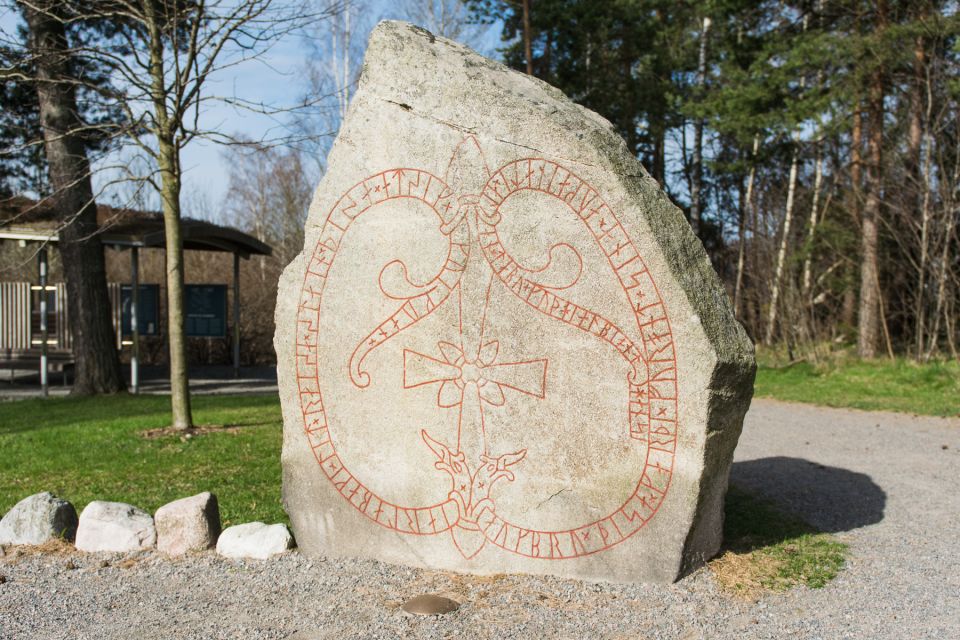
- Jarlabanke Bridge runestones: Viking-era inscriptions and a bridge tied to chieftain Jarlabanke.
- Arkils Tingstad assembly site: Learn how communities handled decisions and disputes.
- Vallentuna Church and Christianization: See how styles and faith shift across the 12th century.
- Hökeriet fika at Granby Farm: A classic Swedish break with regional snacks and Viking-themed shopping.
- Sigtuna’s oldest-town atmosphere: Cobblestones, St. Mary’s Church, town hall, and church ruins.
- Gamla Uppsala burial mounds: Three royal mounds linked to legendary Swedish kings.
Why this day tour beats hunting Vikings on your own
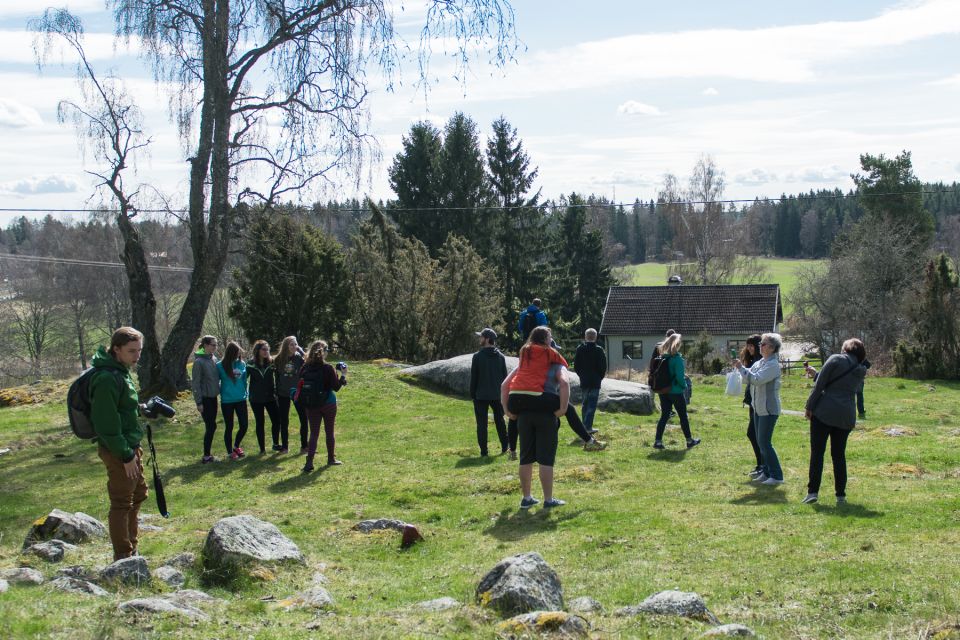
If you’re trying to cover Viking landmarks around Stockholm efficiently, a guided day trip is hard to beat. This route strings together several sites that would be time-consuming to piece together independently, especially when you only have one day.
You also get interpretation, not just photos. At runestone locations and assembly grounds, the guide’s explanations help you connect names, people, and phrases carved into stone to the bigger story of how Sweden changed from Viking society toward Christian rule.
The price is about $255 per person for an 8.5-hour outing with guide and hotel pickup/drop-off plus transport. Meals and drinks are not included, so the best value comes when you plan a simple lunch and treat this as a history-focused day with scheduled breaks (including fika and coffee/snacks during the stop at Granby/Orkesta area).
You can also read our reviews of more historical tours in Stockholm

Jarlabanke Bridge and Granbyhällen: reading power in runes
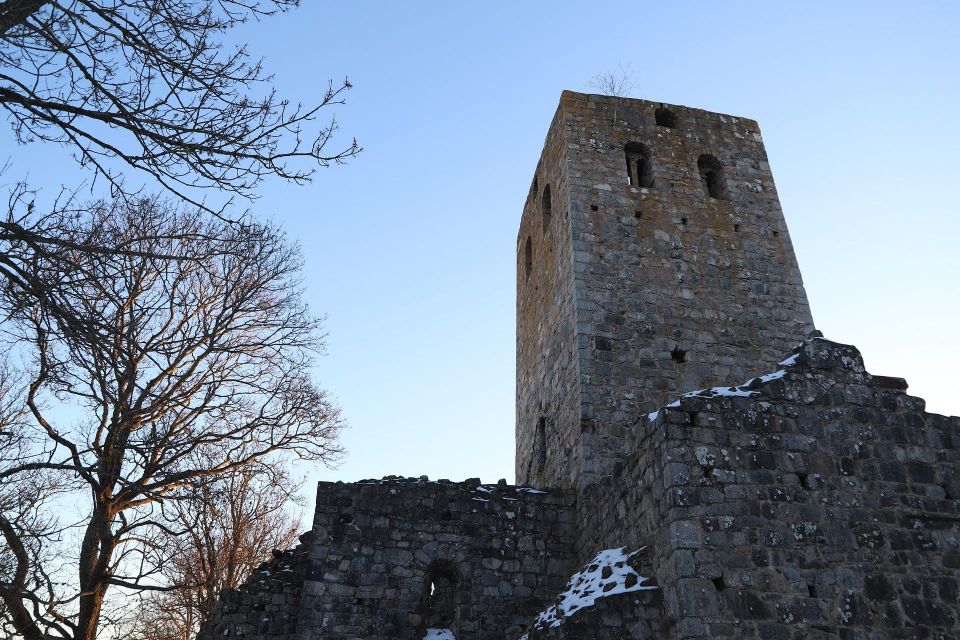
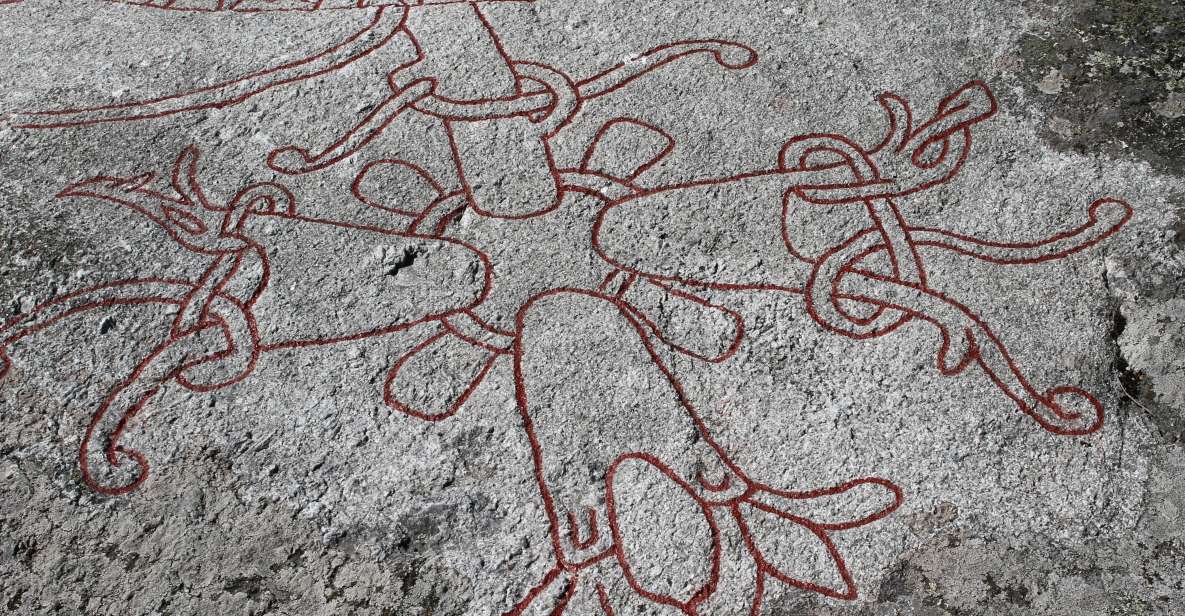
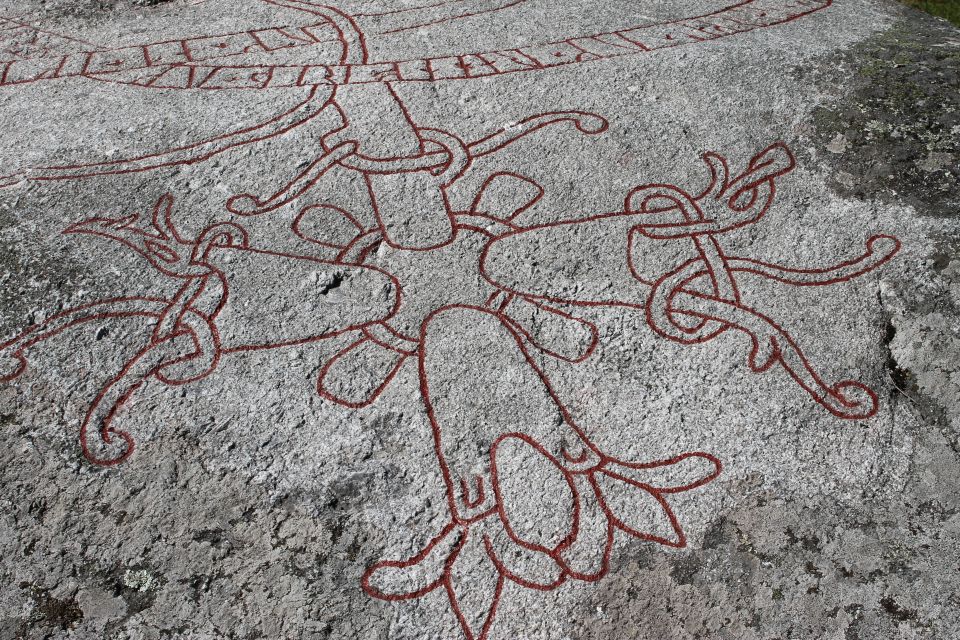
The day starts with a runestone stop that sets the tone: Jarlabanke Bridge. Named after chieftain Jarlabanke, this Viking-age bridge dates to the 11th century and is decorated with runestones connected to Jarlabanke’s power and family. Even if you’ve never tried to read runes before, the experience works because you’re not left alone with mystery symbols. The guide helps you make sense of what you’re seeing and why the carvings mattered.
This is the kind of stop that rewards slow looking. You’ll have time for a photo stop and a guided look, and you can often feel the difference between a stone you’ve seen in a book and one you stand beside in real light.
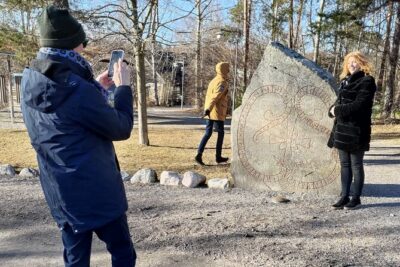
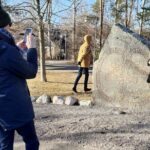
Later, Granby brings the runes closer to daily life. At the Granby Stone (an ancient runestone with a detailed Viking text), you’ll connect the writing you saw earlier with the kind of world that produced it. The point isn’t to memorize inscriptions. It’s to understand that these markings were public, political, and personal all at once.
Arkils Tingstad and Lake Vallentuna: laws, decisions, and everyday geography
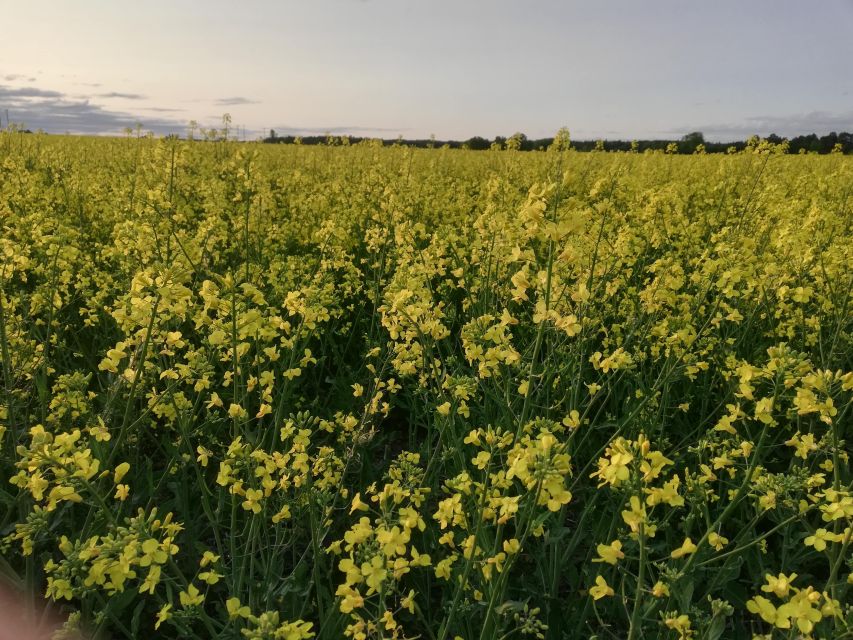
Then you shift from carved stone to community action at Arkils Tingstad. This is an assembly site where people settled disputes, made decisions, and enacted laws. For me, that’s one of the best “wow” moments on the tour because it answers a question people often ask: what did Viking governance actually look like on the ground?
A guided stop here matters, because the site is about process. It’s not a single building you can walk through and imagine life inside. Instead, it’s a place where people came together to govern. When the guide explains that structure, the location starts to feel purposeful rather than just historical.
Right after, you’re given the chance to experience Lake Vallentuna as both scenery and setting. The area is described as having traces of centuries-old human habitation, and the lake is tied to seasonal life—ice skating in winter and hiking in summer. Even if you’re not there in peak outdoor season, it helps to see that Viking-era stories weren’t set in a museum. They were tied to water routes, work, and settlement patterns.
A quick timing note: this tour moves in blocks. You’ll have short guided and photo windows, so if you’re the type who wants to linger for 45 minutes at one view, you’ll need to pick your favorite moment to slow down and accept that the rest will be more “see and learn” than “stroll and wander.”
Vallentuna Church: why the 12th century feels like a turning point
Vallentuna Church gives the day a turning point: the end of the Viking age and Sweden’s Christianization. You’ll visit the 12th-century church, and it’s especially interesting because it blends Romanesque, Gothic, and Baroque styles. That mix tells you the building wasn’t frozen in time—it was changed and reused as Sweden’s culture and religion changed.
What I like most is that it’s not just architecture. The guided explanation ties the building to the broader shift from Viking beliefs toward Christianity, so you leave with context for why a church looks the way it does.
This stop is also a reminder that “Viking history” isn’t one single era. It’s a transition. The tour’s value is that it doesn’t treat the Vikings as a sealed chapter; it shows how the world they built transformed.
Granby Farm: Hökeriet fika and the Viking house foundations
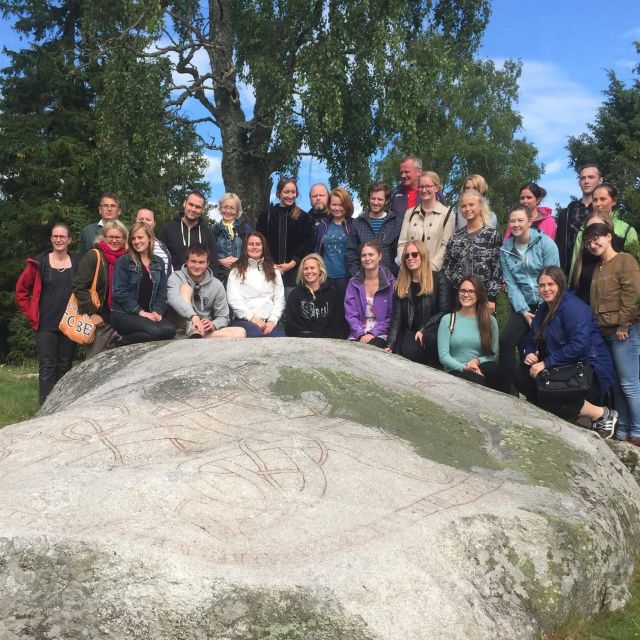
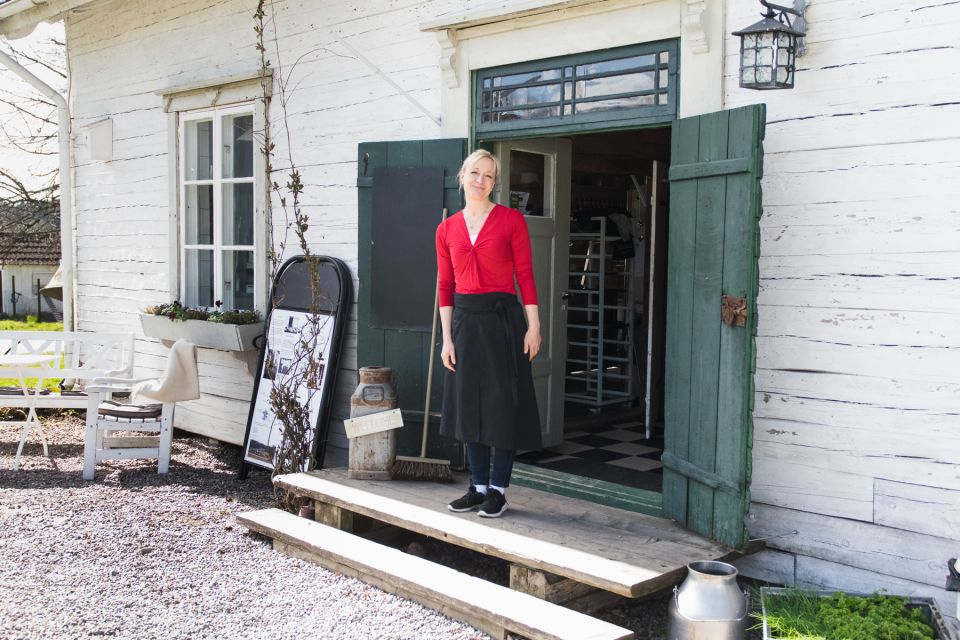
At Granby and Granby Farm, the tour slows down just enough to feel human. You get local snacks and coffee during the break time, and you visit Hökeriet, a traditional Swedish fika spot at the farm. This is where the day turns from lecture mode into practical travel mode: take a breath, warm up, and refuel.
The shopping portion is light but fun. The stop includes access to Viking-themed souvenirs and regional handcrafts, which is often the easiest place to pick up something without turning your whole day into a quest for trinkets.
Then there’s the real history payoff: the best-preserved Viking house foundations at Granby. Seeing foundations instead of reconstructed buildings has a different effect. You’re forced to imagine the structures from clues and scale, and when the guide explains daily life connections, it clicks faster than you might expect.
Combine that with the Granby Stone runic text, and Granby becomes more than a scenic pause. It connects the “written story” to the “lived story.”


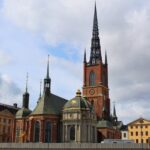

Sigtuna, Sweden’s oldest town: cobblestones, St. Mary’s, and time to breathe
After the Viking-era stops, the day heads into Sigtuna, described as Sweden’s oldest town, founded in AD 980. This is where the tour feels different—more walking through a town that still has an everyday rhythm, even while you’re surrounded by centuries of history.
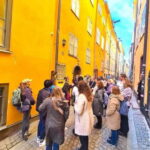
You’ll stroll the cobblestone streets, take in lakeside views, and visit St. Mary’s Church. There’s also time for the town’s heritage spots, including the town hall and church ruins, plus access to the Sigtuna Museum.
The tour schedule gives you about 1.5 hours of free time in Sigtuna. That’s a key detail for comfort and control. You can use that window for a calm loop of the highlights, shop without rushing every second, or simply sit near the water and let the place sink in.
In terms of drawbacks, Sigtuna’s charm can tempt you to overextend. Because it’s a single-day loop, you’ll want to pace yourself so you don’t miss your guided portions later. If you’re sensitive to rushing, focus on one anchor moment in town—St. Mary’s is a good choice—and then keep the rest flexible.
Uppsala Cathedral and Gamla Uppsala: academia meets royal burial mounds
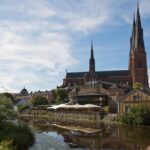
Uppsala brings a different flavor. You’ll pass by Uppsala Cathedral, plus the botanical gardens, historic university buildings, and Uppsala Castle. This part of the day is often appreciated because it shows how Sweden’s story keeps evolving: from Viking-era settlement and religion shifts to education, civic power, and monumental architecture.
You won’t spend hours inside every building here, but the guided look helps you connect the visual cues you see from the outside to why they matter.
Then comes the Viking connection again at Old Uppsala. Here you’ll see the Royal Mounds of Gamla Uppsala: three prominent burial mounds dating to the 6th and 7th centuries, traditionally linked to legendary Swedish kings. This is one of the most symbolic stops on the route. The mounds are plain in appearance compared to churches and castles, but the storytelling is what makes them land. You get a sense of how power, memory, and myth blended in early Scandinavian culture.
How the 8.5 hours really works in practice
This is a full-day tour run on a van with a sequence of photo stops and guided visits. You’ll spend about 30 minutes at Jarlabanke Bridge, 30 minutes at Arkils Tingstad, 20 minutes at Vallentuna Church, and around 45 minutes at the Orkesta/Granby break area. Then you get roughly 1.5 hours in Sigtuna and about 1.5 hours in Uppsala.
That adds up to a day where you’re constantly moving, but not in a frantic way. The schedule is designed so you can learn at each stop without burning hours on transit.
What to do with meals: meals and drinks aren’t included. The tour does include fika and coffee/snacks at scheduled points, but you should plan for lunch and/or a snack on your own during free time. In Sigtuna, the extra time is your chance to handle that.
Comfort tip: wear shoes you can walk in for multiple stops. Even if the walking isn’t long, you’ll be on uneven ground in outdoor historic areas and you’ll want to keep your feet happy.
Price and value: is $255 a fair deal?
For $255 per person, you’re paying for four things: a guide, hotel pickup/drop-off, transportation, and structured time at multiple landmarks.
If you tried to DIY this, the big costs would be time and logistics. You’d need to coordinate transit across Stockholm County, handle getting between runestone sites and small historic villages, and then still find interpretation on your own. Here, the guide does the hard part: connecting each location to the bigger Viking-to-Christianization story.
The value is strongest if you like learning while you look. If your goal is mainly photos and you don’t want explanations, a guided day might feel pricier than you expect. But for most people—especially Viking-history fans—this route packs in more meaningful stops than you’ll manage alone in a day.
Who should book this tour (and who might skip it)
You’ll probably love it if:
- you want a focused day on Viking-era landmarks around Stockholm
- you enjoy guides who explain the meaning behind sites, not just facts
- you like the mix of runes, churches, and actual burial mounds
You might be less thrilled if:
- you hate schedules and prefer slow, unscripted wandering
- you want a meal-centered day (meals aren’t included)
- you’re expecting a full Viking settlement recreation every stop (some sites are assembly grounds, foundations, and mounds, so they’re more “imagine and interpret” than “walk inside”)
Also note the language factor. The tour is in English, and reviews mention guides with accents that can take extra focus if you’re not fluent. Still, nothing about it is presented as a dealbreaker—just plan to listen closely.
Should you book Stockholm: Sigtuna and Uppsala Viking History Day Tour?
I’d book it if you’re the type who wants Viking history to make sense quickly—how people governed, what runes recorded, and how faith shifted in the centuries after the Viking age. The combination of Jarlabanke Bridge, Arkils Tingstad, Granby foundations, and Sigtuna’s oldest-town feel, then topping it off with Gamla Uppsala mounds, is a strong use of one day.
Skip it if your top priority is a long, leisurely pace or if you want all meals built into the experience. This is a guided, structured day, and you’ll get the best outcome by planning around that.
FAQ
FAQ
How long is the tour?
The tour lasts about 8.5 hours.
Is hotel pickup and drop-off included?
Yes. Pickup and drop-off are included, and pickup is possible from accommodations in central Stockholm.
What language is the guide?
The live tour guide speaks English.
Are meals included?
No. Meals and drinks are not included, though the itinerary includes coffee/snacks during a break and fika.
What should I bring?
Bring comfortable shoes.
Are pets or large bags allowed?
Pets are not allowed, and luggage or large bags are not allowed.
Can I cancel for a refund?
Yes. Free cancellation is available up to 24 hours in advance for a full refund.