
REVIEW · STOCKHOLM
Stockholm: Scandinavian Architecture & Design Ostermalm Tour
Book on GetYourGuide →Operated by XperienceSthlm · Bookable on GetYourGuide
Stockholm’s design tastes start on these streets. This Östermalm architecture and design tour strings together real buildings, photo stops, and design-shop time so you can see why Stockholm gets called the Venice of the North. I especially liked the way the guide connects details on façades to the bigger story of Swedish design, and I loved the stop at Östermalms Saluhallen, because it makes the whole aesthetic feel human, not museum-quiet. One thing to consider: the route is timed tightly, so if you’re the type who wants to linger for 30 minutes inside every building, you’ll feel a bit rushed.
You’ll also get a very practical taste of how Stockholm’s “new city” identity grew from the 1800s onward, plus a smart mix of park and theatre views that keep the walk from turning into one long lecture. The small group (max 10) helps—questions stay easy, and you’re not constantly dodging other people’s camera arms. Some guides I’ve heard praised include Olesia and Franky, and the tour runs in English.
In This Review
- Key moments that make this tour worth your time
- Östermalm: the Stockholm neighborhood built for design watching
- Svampen and the pacing of a 3-hour architecture walk
- Stureplan to Danileuska Huset: how the city tells its story
- Östermalms Saluhallen: design meets real life (and snacks)
- Nordiska Galleriet and Svenskt Tenn: shopping with a design-nerd lens
- Strandvägen, the Royal Dramatic Theatre, and Opera views
- National Museum sculpture garden finish and what to do with your last minutes
- Price ($66) and group size: what you’re really paying for
- Should you book the Stockholm Architecture & Design Ostermalm Tour?
- FAQ
- Where does the tour start, and where do I meet the guide?
- How long is the tour?
- Is the tour in English, and what’s the group size?
- What’s included in the experience?
- What should I bring and what can’t I bring?
- Is there free cancellation?
Key moments that make this tour worth your time
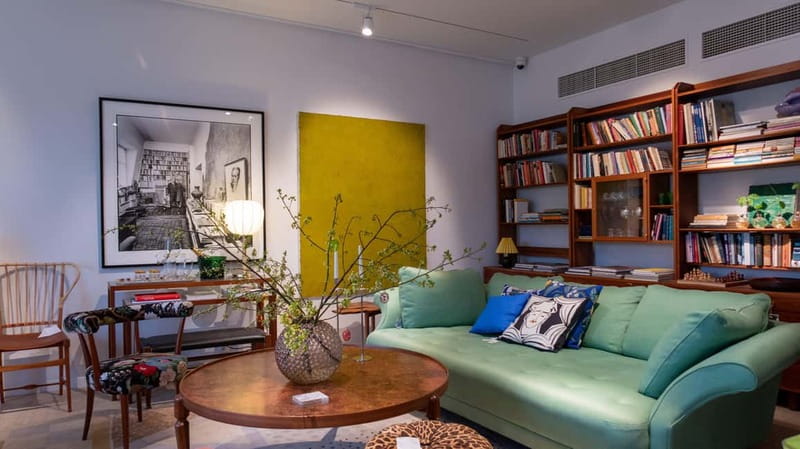
- Small group size (10 max) means you can ask real questions without yelling over others.
- A focused 3-hour route that moves through iconic façades and design landmarks without dragging.
- Östermalms Saluhallen stop for shopping and local snacks inside a classic food market hall.
- Two design-house stores (Nordiska Galleriet and Svenskt Tenn) where you can actually buy what you see.
- Landmark views built into walking: Strandvägen, the Royal Dramatic Theatre, the Royal Swedish Opera, and the National Museum area.
Östermalm: the Stockholm neighborhood built for design watching
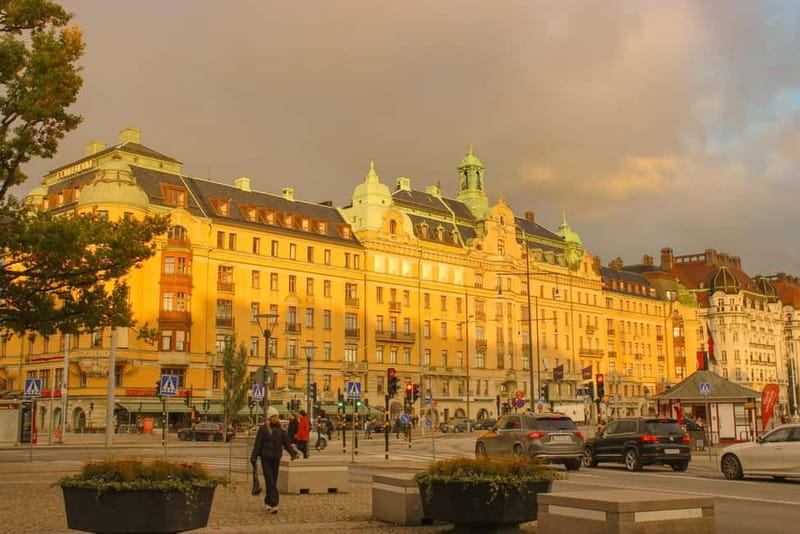
Östermalm is where you go to see Stockholm’s style dial turned up—but still with that calm, Scandinavian restraint. The tour’s theme makes sense here: you’re walking a loop of streets where architecture and everyday design vibes overlap, from elegant public buildings to shopfronts that feel like brand statements.
What I like about this tour is that it’s not just sightseeing. The guide is there to help you read what you’re looking at—why certain buildings feel formal, how design trends changed over time, and what parts of the city shaped Swedish fashion and design culture. The highlight list even points toward key institutions that shape the look of modern Sweden, like the National Museum and design households you’ll see in person at the shops.
If you’re an art-and-architecture person, you’ll probably enjoy the “time travel” feel: the route is paced to take you from older 1800s-era influences toward later, more design-forward Stockholm. If you’re not into details, the stops still work, because you’ll get plenty of photo opportunities and scenic breaks along the way.
You can also read our reviews of more tours and experiences in Stockholm.



Svampen and the pacing of a 3-hour architecture walk
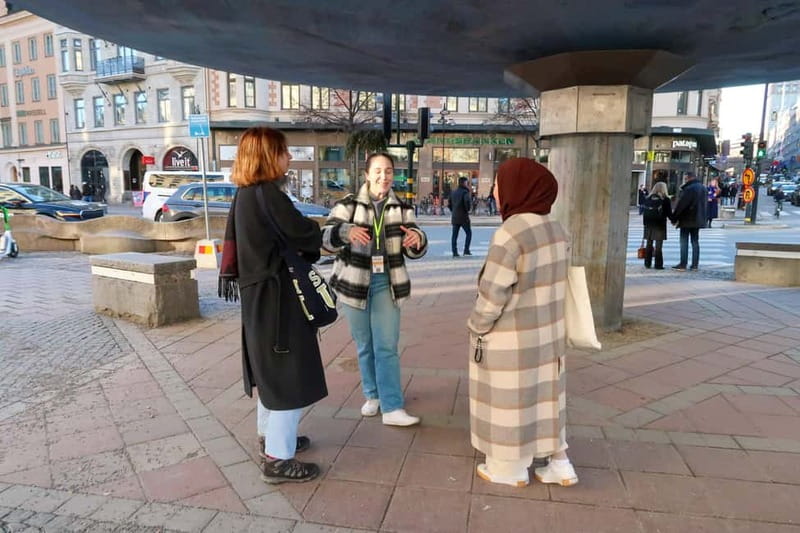
You start at Svampen, that mushroom-shaped rain cover. It’s a great meeting point because it’s easy to spot (especially if you’re hunting for a guide with a neon name tag). Plan to arrive 5–10 minutes early. Stockholm’s streets are easy to navigate, but a small group doesn’t wait long.
The pacing is built around short, clear blocks: photo stops, guided explanations, then quick transitions. You’ll spend about half an hour at Stureplan, then another 30 minutes at Östermalmshallen, and you’ll get several smaller bursts of walking and sightseeing after that. This structure works well for a first-timer because you leave each stop with something concrete—an architectural detail, a design idea, or a sense of place.
Two small timing notes to keep in mind. First: it’s a 3-hour tour, so you’re not meant to go deep inside every site you see. Second: the route includes a finish in the National Museum area, while the activity info also notes the tour ends back at the meeting point location—so don’t be surprised if the final step feels like a return walk or a nearby close-out rather than a strict one-way drop-off.
Stureplan to Danileuska Huset: how the city tells its story
Stureplan is the early highlight for a reason: it’s a recognizable Stockholm anchor, and it sets the tone for the rest of Östermalm. On the tour, this is a 30-minute section that mixes guided explanation with a photo stop. It’s also where you start learning how to look at architecture as more than pretty stone.
The theme includes Stureplan’s Danileuska Huset (spelled Danileuska in the tour info). For me, the value here is learning what to pay attention to as you walk: proportions, façade rhythms, and how different periods create different moods. The guide’s job is to connect those visual cues to Swedish design thinking—why certain styles show up again, and what changes when the city modernizes.
You also pick up a sense of the “new city” identity as you keep moving. The tour is explicitly framed to travel through time from the 1800s onward, and that lens helps you avoid the common tourist trap of seeing buildings as random postcards. Instead, you begin to notice patterns—how elegance becomes a language, and how designers and architects influenced daily life.
One practical tip: bring your phone and charged power. The stops are photo-friendly, but you’ll also hear a lot of details. When your hands are ready to take pictures fast, your brain can stay in listening mode.
Östermalms Saluhallen: design meets real life (and snacks)
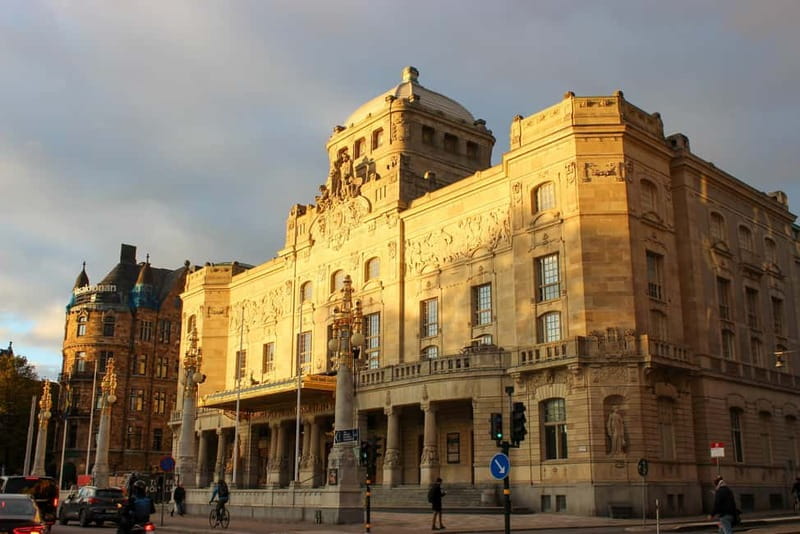
The tour’s Östermalms Saluhallen stop is one of the best value moments, because it adds a human layer to all the architecture. This is scheduled as a 30-minute block with photo opportunities, a guided component, and time for local snacks and shopping. That combination matters. Food halls are where cities reveal how they actually live—what locals buy, how they socialize, and what they consider everyday-worthy.
This is also the point where your photos will shift. Outside, you’re photographing façades. Inside the hall, you’ll capture colors, signage, textures, and the general “market energy” that makes Stockholm feel less like a designed showroom and more like a working city.
If you love design, this stop still fits perfectly. Swedish design culture isn’t only about furniture. It’s about form meeting function—bright, practical spaces; thoughtful packaging; and the calm confidence of everyday design. You’re also right to expect shopping time here. The experience is built so you can turn inspiration into something tangible.
The only drawback is that a market hall can get busy and sensory. If you have a strong dislike for crowds, go in with the mindset of a quick look and a snack, not a leisurely shopping spree.
Nordiska Galleriet and Svenskt Tenn: shopping with a design-nerd lens
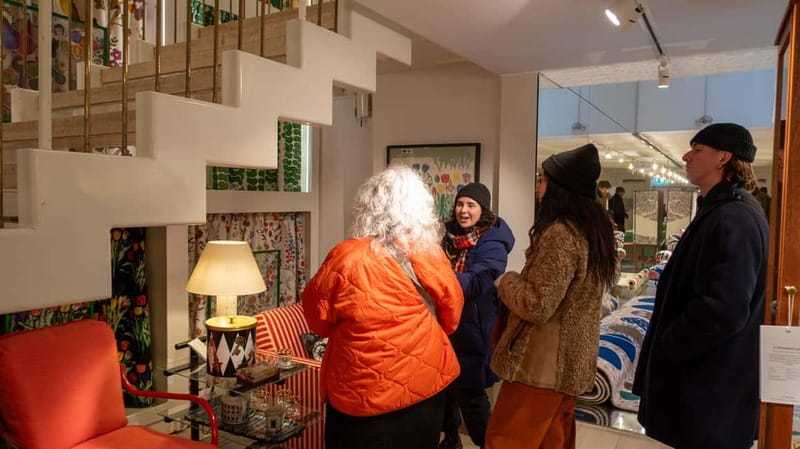
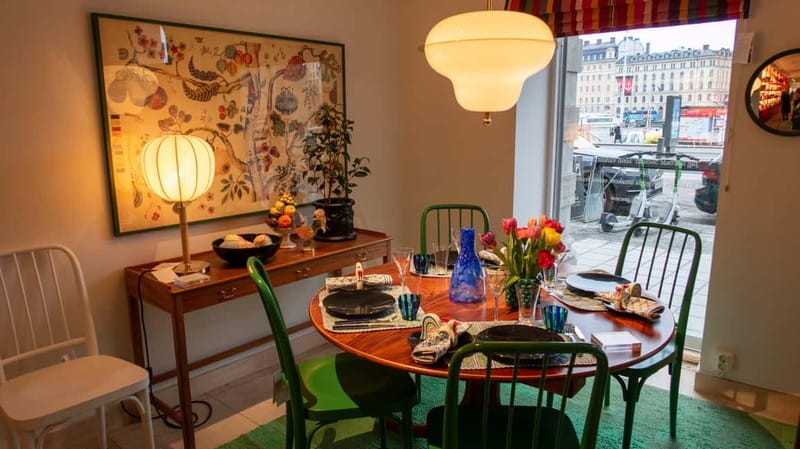
This tour includes visits to two design household-name shops: Nordiska Galleriet and Svenskt Tenn. Even if you don’t buy anything, you’ll learn how Swedish design brands think—what they show, what they repeat, and how they communicate quality through objects.
I like these stops because they give you a bridge between what you’ve been seeing outdoors and what you can understand indoors. After the architecture lessons, walking into design stores can feel like the logic finally clicks. You’ll start noticing design continuity: how materials, patterns, and craftsmanship show up in different forms—buildings outside, products inside.
Nordiska Galleriet is the kind of place where you can learn from the selection itself. Svenskt Tenn is a classic reference point for design lovers, and the tour positions it as a key part of understanding Scandinavian tastes. If you’ve ever wondered why Swedish design has that signature mix of simplicity and character, these stores are where you’ll feel it.
One consideration: shopping time can be limited. If you’re hoping to buy a specific item, arrive ready. Bring your phone for quick price checks, and keep an eye on timing so you don’t miss the rest of the route.



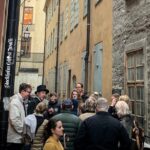

Strandvägen, the Royal Dramatic Theatre, and Opera views
After Östermalms Saluhallen, the tour turns more scenic—Strandvägen is next, with a 15-minute section that includes a break, photo stop, sightseeing, and a walk with scenic views along the way. Strandvägen is one of those Stockholm streets where the city’s waterfront personality shows up instantly. Even if you’re not a hardcore architecture person, the views make the walking feel like a reward, not a chore.
From there, you head to the Royal Dramatic Theatre, again with a photo stop plus guided tour time. The tour info links this to Ingmar Bergman, and even a short stop can sharpen your understanding of Stockholm as a cultural stage, not just a design showroom.
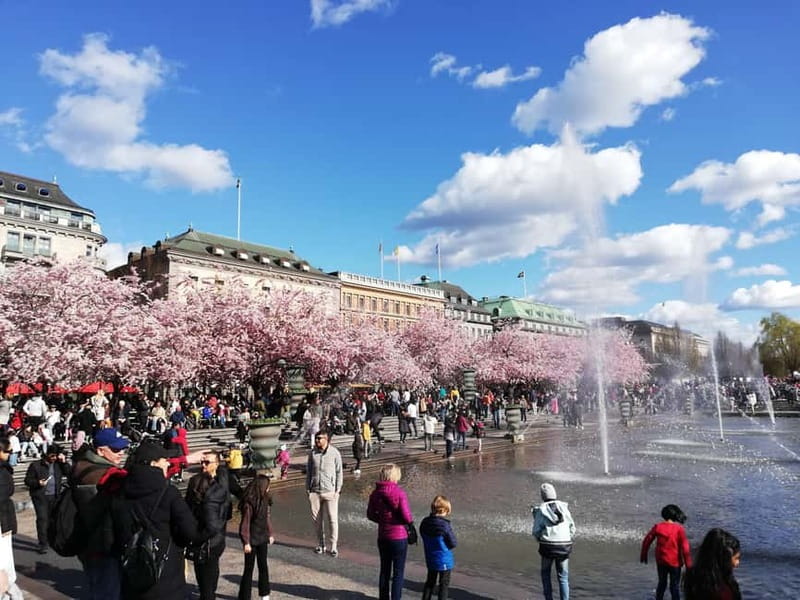
Then comes the Kungsträdgården area and the Royal Swedish Opera. Kungsträdgården is on the schedule as a 10-minute photo stop and short visit. The Opera is 15 minutes with sightseeing and walking. These sections are less about interiors and more about atmosphere—where architecture frames movement and public life.
If you want the best photo results, think timing and light. The tour includes a scenic walk element near the end at the National Museum area, and you’ll get quick windows for sunset-type views. Bring sunglasses and a hat if it’s bright, and don’t forget rain gear anyway—Stockholm loves switching weather moods.
National Museum sculpture garden finish and what to do with your last minutes
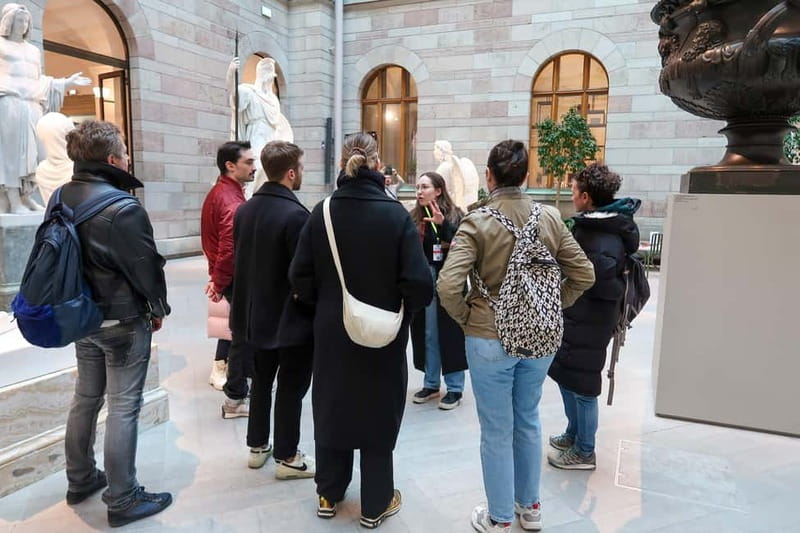
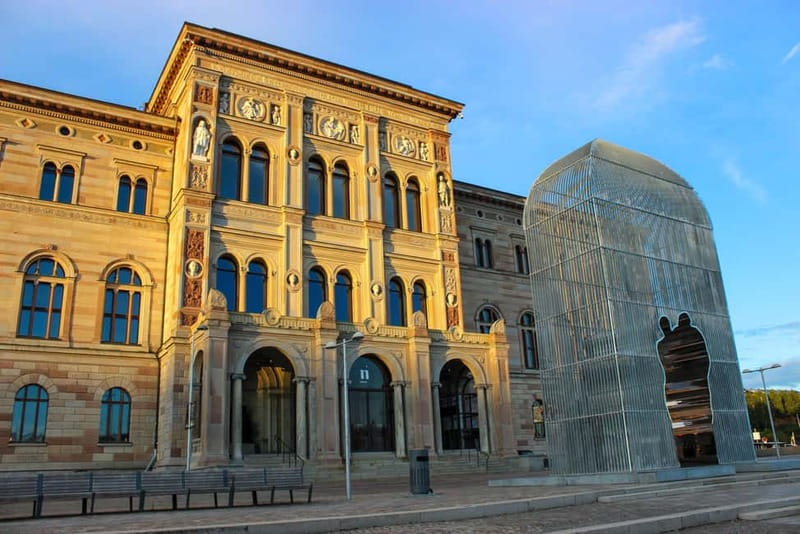
Your final stop is the National Museum area. The itinerary gives a short 5-minute segment labeled as photo stop and visit with guided tour plus a scenic walk, finishing there. Included in the experience is a visit to the National Museum’s sculpture garden, which is the part you’ll want to make time for in your own mind.
This finish is smart. After seeing design objects and landmark façades, the museum space gives you a chance to slow down and let the city’s design thinking land. Sculpture gardens are a good last stop because you get outdoors light with an art-history context—no intense interior logistics required.
A practical move: before you go in, take a quick photo of whatever façade or viewpoint you’re about to leave behind. Then when you’re in the sculpture garden, focus on textures and forms rather than one big panorama. It’s the best way to keep your architecture-and-design brain switched on without burning time.
Also, because photography rules apply on this tour (no flash, no tripods, no video recording), you’ll want to shoot naturally, handheld. Your best shots will come from steady framing, not gear.
Price ($66) and group size: what you’re really paying for
At $66 per person for about 3 hours, this tour is priced like a quality guided experience rather than a cheap bus ride. The math isn’t just about seeing famous buildings. It’s about compressing expertise into a walk that would take you longer to piece together solo.
Here’s what you get for the money:
- A local expert guide focused on art history, architecture, and Swedish design.
- Time at Östermalms Saluhallen for snacks and market-hall browsing.
- Visits to two design-house stores (Nordiska Galleriet and Svenskt Tenn).
- Access to the National Museum sculpture garden as part of the experience.
- A small group (max 10) so explanations aren’t lost in crowd noise.
- Skip-the-line via a separate entrance, plus guided stops.
The biggest value driver is the guide’s ability to connect the dots. Without that context, you can still enjoy Östermalm—but you might miss why the buildings feel the way they do, or what designers were responding to as Stockholm changed.
If you’re on a tight schedule and you want an architecture-and-design sampler that doesn’t feel like homework, this is a good fit. If you want a museum day with long indoor pacing, you’ll probably feel this is fast.
One small heads-up from practical planning: wear comfortable shoes. This is a walking tour with several short stops, and you’ll want your feet to stay happy more than you want fashion sneakers.
Should you book the Stockholm Architecture & Design Ostermalm Tour?
Book it if:
- You want a guided, design-literate walk through Östermalm in a short time.
- You like mixing famous landmarks with real-life design shopping.
- You enjoy hearing how architecture and Swedish design culture connect from the 1800s onward.
Skip it (or pair it with something else) if:
- You want long museum time or deep interior visits.
- You dislike shopping-focused stops and food-market energy.
- You prefer completely free-form wandering with no timed pacing.
I’d recommend it most to first-time Stockholm visitors who want structure, plus design lovers who’d rather spend 3 hours learning how to look than spend 3 hours guessing. The tour also works well if you’re traveling with someone who cares about aesthetics but doesn’t want a full day of museums. It’s a good balance of views, context, and a couple of places where you can bring something home.
FAQ
Where does the tour start, and where do I meet the guide?
You meet under the raincover at Svampen (it looks like a mushroom). Arrive 5 to 10 minutes early and look for the guide with a neon name tag lanyard.
How long is the tour?
The tour duration is 3 hours. Starting times vary, so you’ll need to check availability for the schedule.
Is the tour in English, and what’s the group size?
The tour is English. It’s a small group with a maximum of 10 participants.
What’s included in the experience?
Included items are a local expert guide, visits to two design shops, a visit to Östermalm’s Food Market hall (Östermalmshallen), and a visit to the National Museum’s sculpture garden. It also includes skip-the-line access through a separate entrance.
What should I bring and what can’t I bring?
Bring comfortable shoes, a charged smartphone, and weather-ready items like an umbrella/rain gear. No flash photography is allowed, and no tripods, no video recording, and no luggage or large bags are allowed.
Is there free cancellation?
Yes. You can cancel up to 24 hours in advance for a full refund. There’s also a reserve now & pay later option listed.
If you tell me your travel dates and whether you’re more into shopping or pure architecture, I can suggest a tight plan for what to do before and after this 3-hour walk.