REVIEW · STOCKHOLM
From Stockholm: Uppsala and Sigtuna Viking Sites Tour
Book on GetYourGuide →Operated by Urban Turism · Bookable on GetYourGuide
Vikings leave traces all over this route. This day trip strings together key parts of runriket, Sweden’s Viking-site trail, then adds the big “pagan to Christian” story at Gamla Uppsala and a finale at Uppsala Cathedral. You’ll move from bridges and rune-era landmarks to medieval churches, with a guide who keeps the questions coming.
I especially like the hotel pickup/drop-off—it saves real time in a city where taxis and walking can add up fast. I also like that you get an interactive, English-led experience with an audio system (the whipsers/headsets) so you can follow along even when you’re outside and looking around.
One consideration: this is a long, mostly outdoor day, and you’ll stand and walk some short stretches (a couple hundred meters) while the guide moves the story forward. If you want lots of free roaming time at every stop, this itinerary is more guided than that.
In This Review
- Key Things I’d Put on Your Radar
- A Viking-to-Christianity Day With Real Stops, Not Just Photos
- Pickup, Small Bus Energy, and How You’ll Hear the Guide
- Jarlabanke Bridge to Arkils Tingstad: Viking-Era Landmarks in Stockholm County
- Granby Farm Fika and HÖKERIET: Swedish Coffee Breaks That Actually Fit the Day
- Sigtuna’s Saint Olaf Ruins and the Town Hour You Control
- Gamla Uppsala: Burial Mounds, Midwinter Blot, and the Big Pagan-to-Christian Turn
- Uppsala Cathedral and University Areas: Seeing Sweden’s Church Power in One Stop
- Pricing and Value: What $235 Buys You in a 9-Hour Format
- Who This Tour Is Best For (and Who Might Want a Different Style)
- Should You Book This Viking Sites Tour?
- FAQ
- How long is the tour?
- Is hotel pickup and drop-off included?
- What language is the tour in?
- Do I get fika during the day?
- What sites will we visit in the region?
- How much walking is involved?
Key Things I’d Put on Your Radar
- Small group size (max 17) keeps it conversational, not lecture-style.
- Hotel pickup options reduce friction, especially if you’re staying off the center.
- Runriket stops connect Viking-era geography to specific places you can actually stand on.
- Fika and coffee breaks give you a breather without derailing the timeline.
- Sigtuna’s late Viking setting adds context for the transition toward Christianity.
- Gamla Uppsala + Uppsala Cathedral show the shift from pagan ritual spaces to Sweden’s church power.
A Viking-to-Christianity Day With Real Stops, Not Just Photos
This tour works because it treats Viking history like something you can see on the ground, not just read in a book. You’ll spend the day in Stockholm County, then move into the Uppsala region where the Viking-era “centers” and burial sites help explain why the area mattered. The story line follows people and places, including the transition from pagan practices to Christian institutions.
What makes it different from a typical “Viking highlights” excursion is the pacing. You start with Viking-era landmarks around Stockholm, pause for Swedish fika mid-morning, then shift to Sigtuna and Old Uppsala where you’re looking at long timelines. The day ends at Sweden’s modern-day cathedral scene, with a guided look at the university areas.
You can also read our reviews of more tours and experiences in Stockholm.


Pickup, Small Bus Energy, and How You’ll Hear the Guide
The most practical thing here is the door-to-door structure. Pickup is available from a long list of Stockholm hotels, and the meeting point is the Radisson Blu Waterfront Hotel on Klarabergsgatan. If you’re staying outside the center, pickup is noted near the central rail area (Radisson Waterfront), which often makes sense logistically.
Once you’re on the bus, the experience is built around not missing the narration. You get an audio system (the whipsers/headsets) that works both inside and outside the vehicle, so you’re not constantly asking where the guide is pointing. This matters when you’re at windy outdoor spots or when you’re moving quickly between viewpoints.
The group size is capped at 17 guests, and that shows. In practice, it means your guide can actually respond to questions rather than rushing through generic talking points. More than one guide has been highlighted for their storytelling style, including Olof and Urban, and you’ll feel that they’re comfortable answering follow-ups.
Jarlabanke Bridge to Arkils Tingstad: Viking-Era Landmarks in Stockholm County
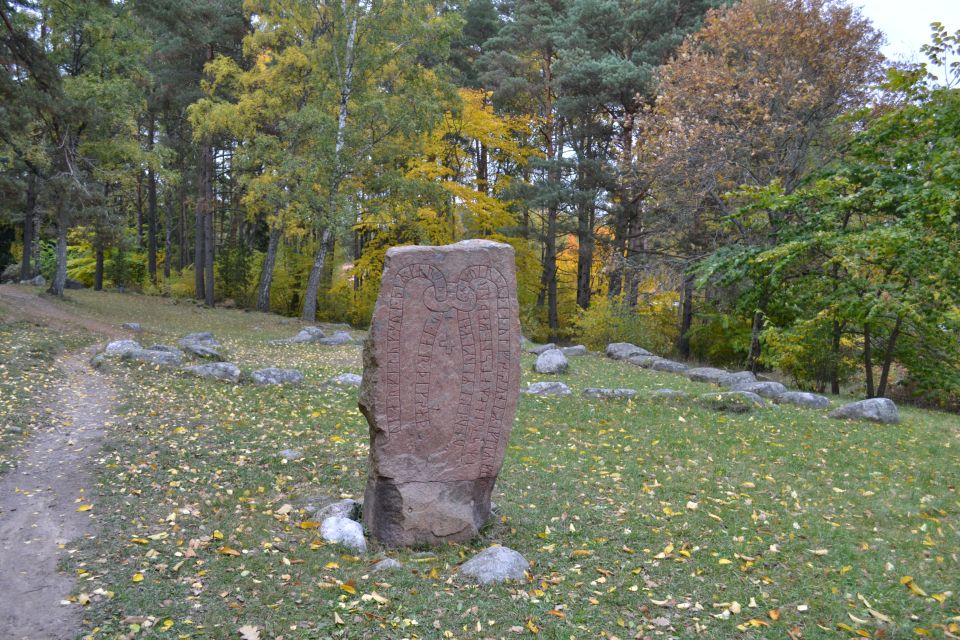
Early on, you’re in the part of the route where Viking influence is close to Stockholm, not “hours away.” The day includes a guided stop at Jarlabanke Bridge, which helps you connect the idea of Viking-era power to a physical spot you can see in the modern landscape. The guide’s job is to translate what you’re looking at into context—trade, settlement patterns, and how people used the waterways and travel corridors.
Next comes another guided landmark visit: Arkils Tingstad. The key value of these early stops is not just the site itself—it’s how they frame the rest of the day. When you understand why these areas mattered, Gamla Uppsala and the church story later don’t feel random. Instead, they feel like the logical end of a longer regional pattern.
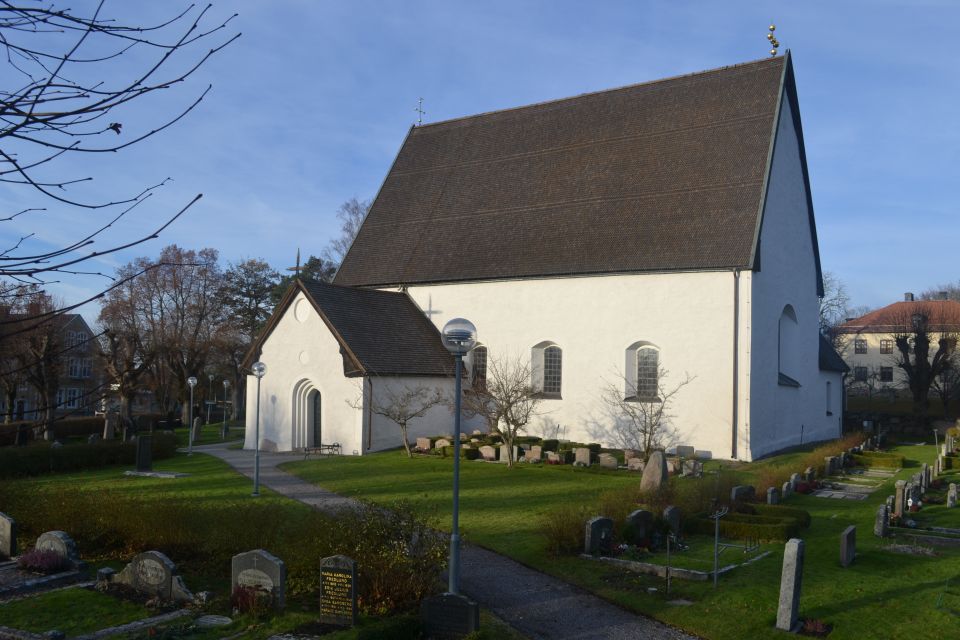
Then you’re headed to Vallentuna Church, another important shift in the timeline. A medieval church isn’t just a pretty building; it signals how Christian institutions took root in places that already had deep cultural meaning. The guide uses stops like this to show continuity and change, rather than treating Vikings and medieval Sweden like separate worlds.
One small drawback: the early parts are structured, so you’ll have less time to wander on your own between viewpoints. If you’re the type who likes to linger for photos, you’ll want to keep an eye on the guide’s timing and be ready to move when the group does.
Granby Farm Fika and HÖKERIET: Swedish Coffee Breaks That Actually Fit the Day
Mid-tour, you get a traditional Swedish fika at Granby farm (listed as homemade pastries and coffee). This isn’t just a snack break; it’s a rhythmic pause that keeps a long day from feeling like nonstop sightseeing. You also get a guided component at the HÖKERIET stop, with coffee plus a guided tour lasting about 45 minutes.
If you care about everyday culture, this part quietly does a lot of work. Viking-era history can sound distant, but fika makes modern Swedish life feel present in the same day. You’re still learning—just in a more human, slower setting.
Practical tip: since this day involves weather-dependent outdoor walking later, use the fika and coffee stops to get warm, refill your energy, and reset your legs. This is also a good moment to ask questions about what you’ll see next at Sigtuna and Old Uppsala, because the day’s big “transition” theme is coming up.
Sigtuna’s Saint Olaf Ruins and the Town Hour You Control
Then comes Sigtuna, a charming town founded in the late Viking era. This is where the story shifts into a place that reflects changing beliefs and growing Christian influence. You’ll explore the ruins of Saint Olaf church, tied to the Norwegian Viking warrior who later became a saint.
The value here is that you’re not only seeing religious architecture—you’re seeing how saints and Christianity were woven into Scandinavian identity. The guide’s discussions help you connect those dots so the site doesn’t just feel like “another church ruin.”
After the guided portion, you get free time (about 1 hour). This is your chance to choose your pace: lunch, shopping, walking the streets, or just sitting and watching people move through a small Swedish town. I like that the time is intentionally unscripted, because it balances the structured history segments.
The trade-off is that 1 hour can fly by if you’re browsing shops and eating slowly. If you want a long, relaxed lunch and a slow stroll, plan to prioritize one main activity during that hour.

Gamla Uppsala: Burial Mounds, Midwinter Blot, and the Big Pagan-to-Christian Turn
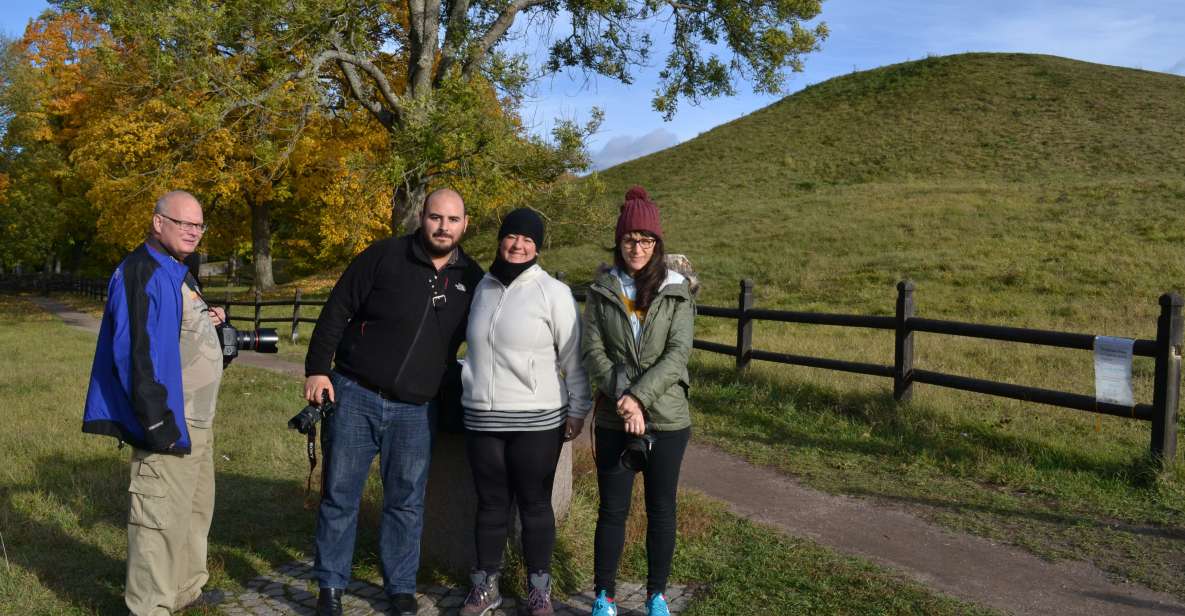
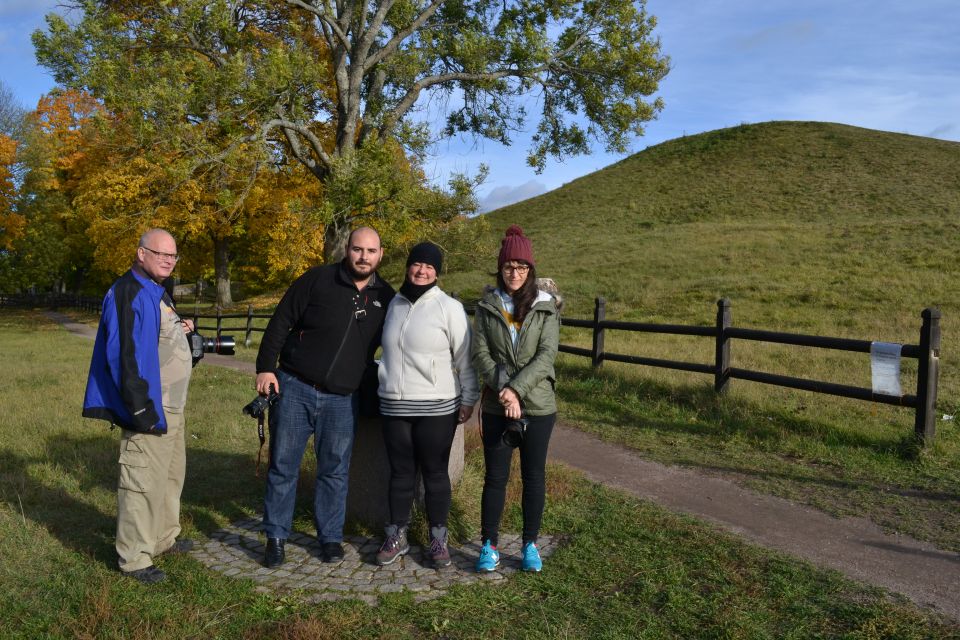
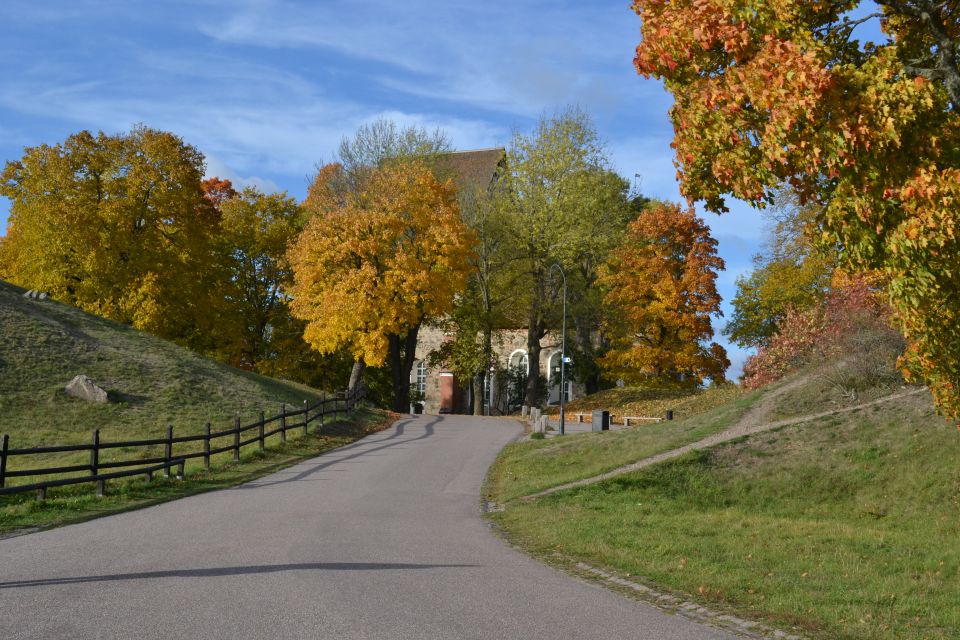
Old Uppsala (Gamla Uppsala) is the emotional core of the day. You’ll visit the famous burial mounds dating from the first centuries AD through the end of the Viking era, and you’ll learn how this area worked as a spiritual center across Scandinavia. This isn’t “Viking history” in the abstract—it’s about a place people traveled to and believed in deeply.
The guide also connects Gamla Uppsala to ritual life, including Midwinter blot festivals. That matters because it helps you understand that Viking culture wasn’t only raids and ships. It included religious gatherings, seasonal ceremonies, and community-level belief systems.
A particularly striking part of the story is the legend that a pagan temple burned down in 1087, followed by a church built on top that became central to the country and served as the seat of the first archbishop. Even if you treat legends as exactly that, the point is the same: the landscape becomes a battleground for ideas, and power moves into institutions.
One consideration: the guided time at Old Uppsala is substantial, and the outdoor setting can feel colder or windier than you expect. Wear layers and keep your hands free if you plan to take notes—standing around ruins in winter or shoulder seasons can change your comfort level fast.
Uppsala Cathedral and University Areas: Seeing Sweden’s Church Power in One Stop
The day ends in Uppsala, with a guided visit to Uppsala Cathedral. This is the moment when the transition story lands in something you can see and feel as an active religious and cultural institution. You’ll also get a brief guided look at the university areas as you head back toward Stockholm.
What I like about ending here is that it turns Viking-era places into part of a longer Swedish narrative. You’re not leaving the day only with Viking romance; you’re also understanding how the region’s leadership, education, and religious authority shaped what came next.
The cathedral stop is not just a quick exterior glance either. You’ll have guided time inside and around the main church space, with context that helps you read the building like a historical document.
As you travel back to Stockholm, you’ll have around an hour on the bus, which gives you time to ask anything left on your mind. That open-ended Q&A style can be especially useful if you’re curious about how specific legends, rulers, or religious changes fit into the bigger Scandinavian picture.
Pricing and Value: What $235 Buys You in a 9-Hour Format
At $235 per person for a roughly 9-hour day, this sits in the “mid-high” range for Stockholm excursions. The best way to judge value is to look at what’s included and what’s not.
You do get several things that cost money on their own:
- Hotel pickup and drop-off from many Stockholm locations
- A live English guide with guided stops throughout the day
- An audio system (whispers/headsets) so you can hear clearly
- Fika at Granby farm with pastries and coffee
- A small group size (max 17) that tends to improve the quality of interaction
What you don’t get is an all-in package feel for meals beyond fika. You’ll have private time for lunch in Sigtuna, but the cost of that lunch isn’t listed as included.
So the value question becomes: is your interest strong enough that you’ll benefit from the guided storytelling at every stop? If you really want Viking context tied to specific regional places—from bridges and rune-era landmarks to Gamla Uppsala and a cathedral—then the price starts to make sense. If you just want a couple of photo stops and a relaxed day with minimal guidance, you may feel the structure is more than you needed.
Who This Tour Is Best For (and Who Might Want a Different Style)
This is ideal if you like history that’s tied to geography. You’ll spend time on named Viking-era and medieval-era sites, and the guide’s job is to connect each place to people and belief changes over time. If you enjoy asking questions, this format is built for it.
It’s also a good fit if you’re traveling with limited time. A 9-hour day can feel long, but it’s efficient for seeing Stockholm County’s Viking-to-Christian arc without stitching together several separate trips.
You might want to consider another option if:
- you want lots of free wandering with no set pace
- you dislike standing outdoors for short stretches
- you’re hoping for a big meal included day rather than fika plus town free time
Should You Book This Viking Sites Tour?
I’d book it if you want a guided day that connects the dots between Viking-era sites around Stockholm County and the Uppsala region’s spiritual and religious transformation. The small group size, the headsets for clear hearing, and the hotel pickup make the practical side painless. Add fika at Granby farm and a proper guided stop at Uppsala Cathedral, and you get a full story arc in one long day.
I’d skip it if your priority is independent travel time in Sigtuna and Old Uppsala, or if you dislike structured itineraries. This tour is designed to teach, not just to transport you from place to place.
FAQ
How long is the tour?
The tour runs for about 9 hours.
Is hotel pickup and drop-off included?
Yes. Pickup is offered from a list of hotel locations when possible, and drop-off is also provided at selected Stockholm hotels. The meeting point is Radisson Blu Waterfront Hotel, upper street on Klarabergsgatan by the hotel entrance.
What language is the tour in?
The tour guide speaks English, and the audio system is also provided in English.
Do I get fika during the day?
Yes. A Swedish coffee break (fika) is included, normally at Granby farm, with homemade pastries and coffee.
What sites will we visit in the region?
You’ll visit Viking-related stops in Stockholm County (including Jarlabanke Bridge and Arkils Tingstad), a church in Vallentuna, a fika stop (HÖKERIET/Granby farm area), Sigtuna (including the ruins of Saint Olaf church), Gamla Uppsala, and Uppsala Cathedral.
How much walking is involved?
You should be able to walk a couple hundred meters and stand for a while. The tour includes outdoor activities, so dress for the weather.