REVIEW · STOCKHOLM
Private Half Day Tour: Viking History Trip from Stockholm Including Sigtuna
Book on Viator →Operated by Sweden History Tours · Bookable on Viator
A Viking history detour from Stockholm makes the day feel different. I like that it strings together runestone sites and early assembly places you usually never find on your own, then lands you in the old town of Sigtuna with its church ruins. The big bonus is the private pacing: your guide can slow down for questions instead of marching everyone along.
I also love how the tour explains the Vikings in plain terms, not as movie stereotypes. You’ll hear what people used these stones for, how power worked through local lords and meetings, and why Sigtuna’s religious remains matter. One thing to consider: lunch is on your own, and this is a tight half-day schedule with limited downtime.
In This Review
- Key highlights worth knowing
- A 5-hour Viking history escape from central Stockholm
- Broby Bro: grave field and runestones with Estrid and Jesuralem
- Täby’s Jarlabanke Runestones: power, roads, and trade networks
- Arkils tingstad: a Thing-site where Viking laws were made
- Sigtuna’s wooden town and church ruins
- St Olof’s Church Ruins and the holy well story
- Guides make or break a private tour
- Lunch planning: quick meal in Sigtuna, no surprises
- Price and value: what $532.19 per person really buys
- Who this tour suits best
- Should you book this Viking History Trip from Stockholm with Sigtuna?
- FAQ
- What time does the tour start?
- Is lunch included?
- Do I get hotel pickup and drop-off?
- Is the tour private?
- What language is the tour offered in?
- Are admission tickets included?
- What stops are included?
- What if I’m arriving by cruise ship?
- Can I cancel for free?
Key highlights worth knowing
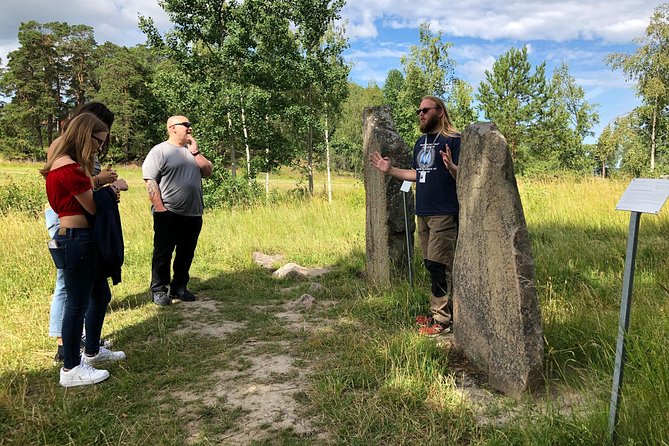
- Broby Bro runestones tied to Estrid and local stories plus a Viking grave field
- Jarlabanke Runestones in Täby on a reconstructed causeway, with talk of roads and trade
- Arkils tingstad Thing-site that helps you picture how laws and customs were carried out
- Sigtuna on foot with a street plan and Viking-era curves you can still see
- Church ruins focus including Mariakyrkan (if open) and St Olof’s ruins dating to about 1080–1120
A 5-hour Viking history escape from central Stockholm
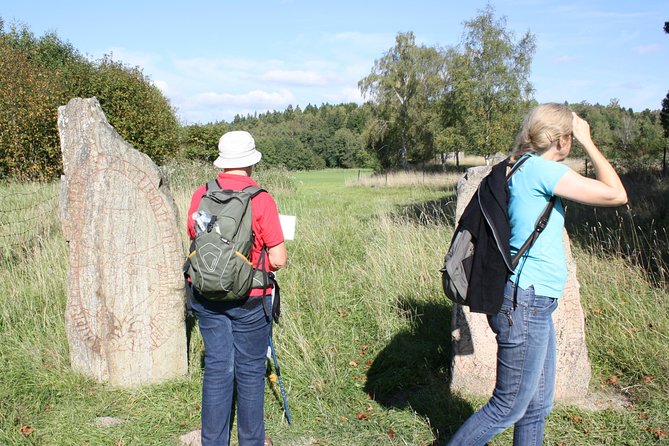
This is built for people who want Viking history without losing a full day to logistics. The tour starts at 9:30 am with pickup at your hotel or port in central Stockholm, then you ride in a private vehicle while the driver handles the roads.
You should expect about 5 hours total, with a return to your pickup point in the early afternoon. If you’re coming from a cruise ship, there are specific meeting instructions by pier, and your guide waits with a sign reading Viking Tours on an A4 paper. The setup is simple, which matters when you have limited time in port.
Because it’s private, you won’t be squeezed into a big group rhythm. Up to 16 people is still small enough for real questions, and several guides on this route are praised for being willing to answer.
You can also read our reviews of more private tours in Stockholm



Broby Bro: grave field and runestones with Estrid and Jesuralem
Your first stop is Broby Bro, and it’s the kind of place that makes “Viking history” feel tangible. You’ll visit a Viking grave field and see three mighty runestones, including one that mentions Jesuralem. The story attached to that stone also brings in Estrid, described as the woman most famous in the region.
Runestones can sound like just carved rocks until someone connects them to people and purposes. Here, you get an introduction to the Viking age, plus the why behind their reputation. The time you spend is just enough to take photos, read what you can, and still have time for guided context.
There’s also a practical upside: admission at this stop is free as part of the tour experience. The stop is listed at 55 minutes, which is a comfortable window for both walking and listening without feeling rushed.
What to watch for: outdoor stone sites can be cold or windy even in decent weather. If you tend to get chilly, bring a light layer so you can enjoy the walk instead of just enduring it.
Täby’s Jarlabanke Runestones: power, roads, and trade networks
Next you head to Täby for the Jarlabanke Runestones. This stop is shorter at about 20 minutes, but it’s packed with meaning. You’ll walk over and admire the stones on a reconstructed Viking causeway, so the setting helps you visualize how travel and settlement might have looked.
This is where the tour shifts from local stories to a bigger picture of leadership. You’ll hear about Jarlabanke, the Viking lord, and how Viking lords lived and ruled over the population. You’ll also get context on viking roads and trading networks, which is a useful counterpoint to the common idea that Vikings were only about raids.
The best part of a quick stop like this is what it does for the rest of the day. Once you understand that runestones weren’t random memorials but part of social organization, the later sites in Sigtuna land with more weight.
Again, admission is marked as free here, and the schedule is designed so you don’t lose the thread while switching locations.
Arkils tingstad: a Thing-site where Viking laws were made
If Broby Bro gives you the human scale, Arkils tingstad gives you the civic side of Viking life. This is presented as one of the best preserved assembly places (Thing-sites) in Europe, and the runestones there help reinforce the site’s importance.
You’ll spend about 55 minutes exploring and learning about the Skålhamra family and the power connected to creating an assembly place. The guide also covers Viking-era laws and culture customs, including references to kingrop society and how meetings shaped community life.
This is an especially good stop if you want your Viking story to include governance, not just battles. It also helps you interpret what you saw earlier: runestones, grave fields, and assembly sites all point to a society with structure.
One caution: sites like this can feel quiet and spread out compared to a museum. Give yourself permission to slow down for the guide’s explanation. That’s where the meaning clicks.
Sigtuna’s wooden town and church ruins
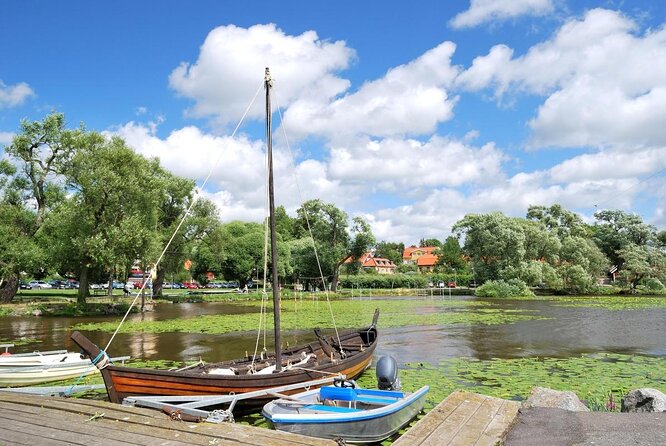
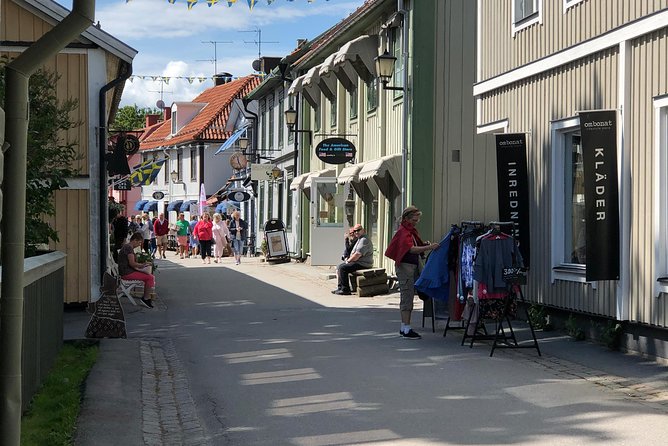
Then comes the shift in tone. The tour heads to Sigtuna, described as a cute wooden town, with a chance to walk its main street and see a Viking street curve still left in place. It’s one of those towns that feels compact, but it rewards you for looking closely.
There’s a lunch stop here, at about 40 minutes, with lunch not included. In other words, you’re free to choose what you want, but you won’t have time for a long detour or a long meal. If you’re a slow eater, plan for it: order quickly or pick something takeaway-friendly.
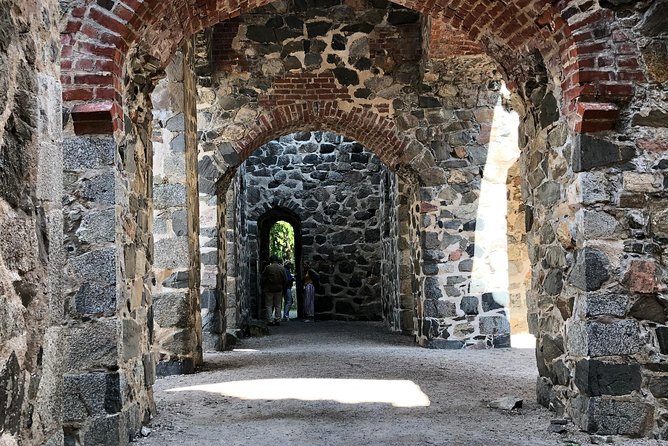
After lunch, you get another 40 minutes in Sigtuna. The tour focuses on church ruins and other historic highlights, including Mariakyrkan if it’s open. Mariakyrkan is described as the only remembrance of a powerful monastery outside the city itself, which makes it feel like a historical breadcrumb.
You’ll also see how the town’s religious past overlaps with its Viking-era identity. For many people, Sigtuna is where the day changes from rock-and-story history to a place you can picture as a living community.
Practical note: ruin visits are weather dependent. Wear comfortable shoes, because you’ll likely be walking on uneven ground.
You can also read our reviews of more historical tours in Stockholm




St Olof’s Church Ruins and the holy well story
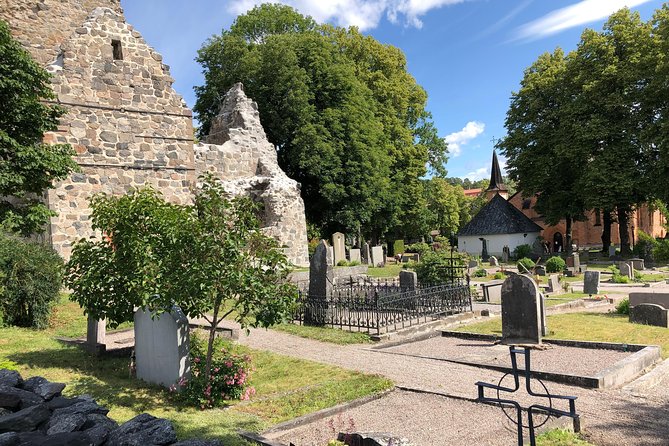
The final Sigtuna stop is S:t Olofs Church Ruins, about 10 minutes in the itinerary. It’s presented as the biggest and best preserved of the three church ruins around Sigtuna.
This one is also tied to a specific timeframe: it’s described as the oldest church built around a holy well, estimated 1080–1120. Even in a short visit, that kind of date anchor helps you understand why this place matters in the shift from Viking-era culture toward Christian institutions in the region.
Don’t think of this as a rushed photo stop. In just a few minutes, you can learn how the site fits into the story of Sigtuna’s early medieval religious life.
Guides make or break a private tour
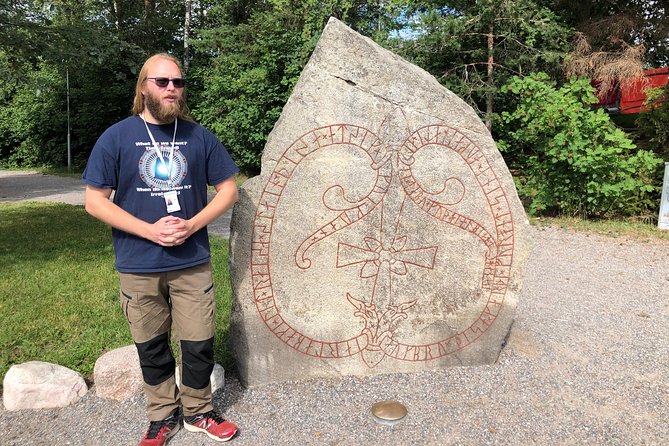
The best thing about this experience is the human factor: the guide’s storytelling turns “historical sites” into a coherent day. In particular, I’ve seen multiple guides called out by name for making the Viking era feel alive.
For example, Olof gets praised for linking original rune stones and explaining Swedish and Scandinavian folklore during the drive. Jakob is singled out for passion about the Viking era and for being open to questions. Gustav and Gabriel are praised for turning the area’s history into something you can understand, not just memorize.
Even when the day is tightly scheduled, private tours let your guide adapt. One write-up specifically mentioned customization based on what the group wanted to see, which is exactly how you maximize value when you only have half a day.
One drawback to note is communication. One account mentions hearing difficulties paired with a strong accent made it tough to catch details all day. If you’re sensitive to accents or hearing is an issue, it’s worth messaging the operator ahead of time and asking whether you can be paired with a guide whose English is especially easy to follow.
Lunch planning: quick meal in Sigtuna, no surprises
Lunch is listed as own expense. That’s not unusual for tours, but it’s important here because the schedule keeps you moving.
You’ll have around 40 minutes for the lunch stop in Sigtuna, which means you should choose a place that doesn’t require lots of decision time. If you like to wander first, consider grabbing something quick and then using the remaining guided minutes for ruins and walking.
The good news: this tour doesn’t force you into one pricey set menu. You can eat where it feels most convenient.
Price and value: what $532.19 per person really buys
Let’s talk money without the hand-waving. The price is $532.19 per person for a private half-day tour of about 5 hours. That’s not bargain-basement travel, especially if you’re used to shared coach tours.
So where does the value come from?
First, you’re paying for pickup and drop-off, a private vehicle/driver, and a private guide who can tailor pacing. The route also hits multiple sites that would take real effort to stitch together independently, especially if you want interpretation instead of just reading signage.
Second, several stops are marked as free admission. That helps the math. You’re also getting a structure that moves from runestones and grave fields to leadership, then to law and assemblies, and finally to Sigtuna’s church ruins. For a short window, that’s efficient.
Third, the “private” part matters on a topic like Viking history. The difference between seeing a runestone and understanding its social context is mostly in the guide’s explanation. If you come with questions, you’ll likely get more out of the day.
Who might feel it’s pricey: if you’re happy with broad, general stories and don’t need time for questions, you might compare it to a self-guided option. But if you want a guided interpretation across several meaningful sites, the price starts to look more like paying for time with an expert rather than just transportation.
Who this tour suits best
This tour is a strong fit if you:
- Want a Viking history day trip that doesn’t require planning a route across multiple small sites
- Like your history with names and specifics, such as Estrid, Jarlabanke, and the Skålhamra family
- Prefer a guide who can answer questions and keep the pace flexible
- Are visiting Stockholm and want more than the city center without committing to a full-day excursion
It’s also a good choice if you enjoy ruins but want the “why” behind them. This isn’t the kind of tour where you only look at stones and move on.
If you’re expecting major museum-style artifacts or huge architectural landmarks, you might find the ruins feel quieter. But that’s also the point: you’re seeing real places tied to how people lived, met, and marked identity.
Should you book this Viking History Trip from Stockholm with Sigtuna?
I’d book it if you want a tight, high-impact outing that turns Sigtuna into part of a larger Viking story. The combination of runestones, an assembly Thing-site, and church ruins gives you a timeline you can actually feel, not just a list of stops.
I’d think twice only if you know you’ll struggle with accent-dependent listening or if lunch time stress would ruin your day. Otherwise, the setup is practical: hotel/port pickup in central areas, a clear morning start, and a return early afternoon so you’re not stuck eating dinner late or missing your next plan.
If you do book, come prepared to walk a bit outdoors, and use the private format to ask your questions early. Once you start connecting runestones to leadership and law, the whole route starts to make sense fast.
FAQ
What time does the tour start?
The tour starts at 9:30 am and runs for about 5 hours total.
Is lunch included?
No. Lunch in Sigtuna is listed as own expense.
Do I get hotel pickup and drop-off?
Pickup and drop-off are included for hotels/ports within the central area (within 5 km of Stockholm central station as stated in the inclusions). There is no pickup in Nynäshamn.
Is the tour private?
Yes. It’s described as a private tour with a small group, with a maximum of 16 persons.
What language is the tour offered in?
It’s offered in English, and you receive a mobile ticket.
Are admission tickets included?
Admission ticket notes are provided per stop and marked as free for the included sights listed in the itinerary.
What stops are included?
You visit Broby Bro, Jarlabanke Runestones (Täby), Arkils tingstad, and Sigtuna (including church ruins such as Mariakyrkan, if open, and S:t Olofs Church Ruins).
What if I’m arriving by cruise ship?
Meeting points depend on your cruise pier. The tour instructions provide where to meet your guide by pier, with the guide holding a sign reading Viking Tours on an A4 paper.
Can I cancel for free?
Free cancellation is offered. You can cancel up to 24 hours in advance of the experience’s start time for a full refund.