REVIEW · STOCKHOLM
Full Day Viking Tour with Fika Swedish Coffee Break
Book on Viator →Operated by UrbanTurism OU · Bookable on Viator
Runes, farms, and cathedral bells in one day. I like the runestone translations and the fika break on the countryside farm. The day runs long, so cold rain and lots of standing are real considerations.
This is built for people who want context, not just photos. With a small max group of 17 and an audio system in the van, you should be able to follow the story even between stops.
In This Review
- Key Highlights You Should Care About
- Viking Sites North of Stockholm: A Tight Loop, Not a Slow Stroll
- Jarlabanke Runestones: Learning How to Read Messages in Stone
- Arkils Tingstad by the Lake: Viking Law in a Calm Setting
- Vallentuna Churches: From Pagan Traditions to Christianity
- Granby Farm: Fika, Then a Look at Major Viking-Era Ruins
- Sigtuna: Sweden’s First Capital, With Time to Wander
- Old Uppsala Burial Mounds: Where Viking Belief Made Its Mark
- Uppsala Cathedral: Vikings to the Archbishop Seat
- Van Comfort, Audio, and Timing: How to Make the Day Feel Easier
- Price and Value: What $241.36 Buys You in One Day
- Which Type of Person Will Enjoy This Most
- Should You Book This Viking + Fika Day Trip?
- FAQ
- How long is the Viking tour with fika?
- Is pickup offered from my hotel or apartment?
- What’s included besides the guided tour?
- Is lunch included?
- What language is the tour in?
- Does it run in any weather?
Key Highlights You Should Care About
- Jarlabanke runestones: clear explanations of the runic script and what the messages meant
- Arkils tingstad: a scenic stop tied to Viking law gatherings and court-like meetings
- Granby Farm fika: a traditional Swedish coffee break plus a look at major Viking-era ruins
- Sigtuna first-capital energy: guided orientation, then time to wander the preserved old town
- Old Uppsala + cathedral: burial mounds and the shift from Viking belief to Christianity in Uppsala
Viking Sites North of Stockholm: A Tight Loop, Not a Slow Stroll
This is a full-day route that takes you out of central Stockholm and then keeps you moving in a logical arc. You’ll bounce between Viking-era landmarks and the places where that world turned Christian and medieval. The travel segments are short enough to stay lively, but the overall day is still a long one—about 10 hours.
The upside is focus. Instead of hopping randomly, the stops connect themes: runic carving, Viking assembly and law, early churches, then Uppsala as a religious center. That makes the day feel like a storyline.
One practical note: this tour is described as requiring good weather. If the weather is awful, your plan may get changed or refunded.
You can also read our reviews of more tours and experiences in Stockholm.


Jarlabanke Runestones: Learning How to Read Messages in Stone
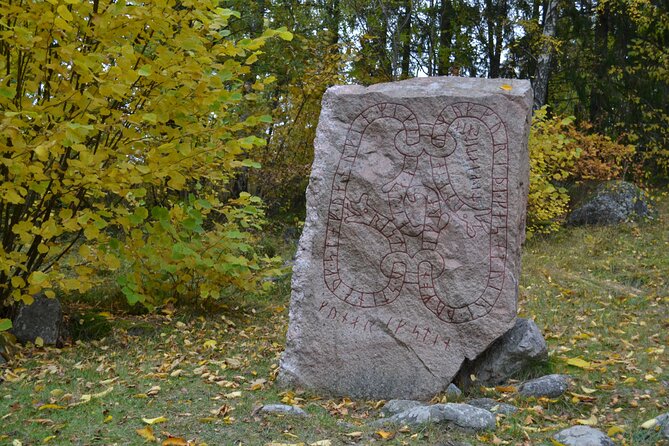
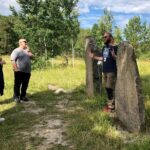
Your first real “wow” moment is Jarlabanke Runestones. You’ll see two famous stones and get a walkthrough of the runic script—what the characters are, and how to understand the message. This isn’t just name-dropping. It’s the kind of explanation that helps you look at a runestone and feel like you’re decoding something, not just standing near a rock.
You’ll also hear about what life could look like in Viking time—enough history to connect the stone to people, status, and the culture that produced it. The time here is set at about 40 minutes, with admission ticket noted as free.
What to do with this stop: take your time to look from a few angles. Runic carving can be easier to spot when you shift your position and lighting.
Arkils Tingstad by the Lake: Viking Law in a Calm Setting
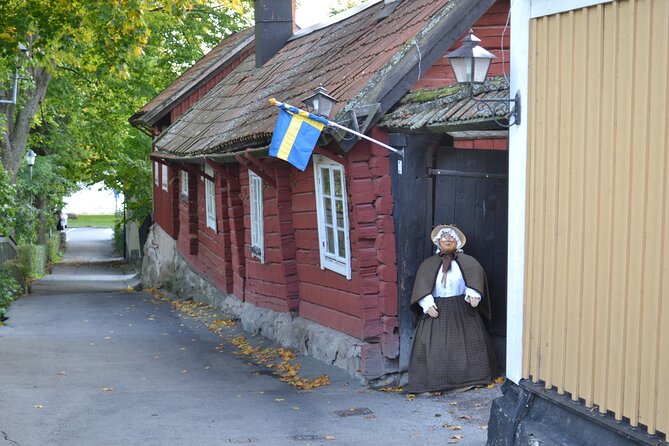
Next is Arkils tingstad, an old assembly area where Vikings met for meetings and court-like sessions. Even if you don’t picture the exact courtroom scene, the idea lands fast: this was a place where community decisions happened.
The location matters. The stop is by a scenic lake, and that calm setting is the point. Viking life wasn’t all drama and travel raids; it also involved rules, negotiation, and collective authority. You’ll get an explanation of the Viking legal system here, then move on quickly.
Timing is tight: the stop is about 30 minutes, with travel time of only around five minutes from the runestones. So don’t treat this as a long contemplative museum visit. It’s more like a guided “standing lesson” in an outdoor setting.
Vallentuna Churches: From Pagan Traditions to Christianity
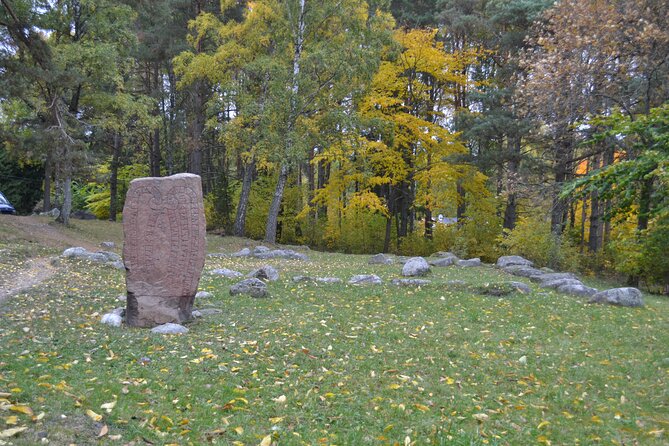
You’ll hit Vallentuna twice in different ways, starting with an older parish church from the late 12th century. This stop is your transition point—where the Viking world starts changing under Christianity. The guide’s focus is on how that shift happened, and what it meant for everyday belief and power.
This is also where you’ll hear a brief history of the Church of Sweden, which helps connect the medieval story to later Swedish religious identity. The stop is about 30 minutes and listed as free admission.
If you’re the type who only wants Viking swords and boats, this can feel slower than expected. But if you like the “how did society change” question, this is one of the most useful stops in the day.
Granby Farm: Fika, Then a Look at Major Viking-Era Ruins
The Granby Farm segment is where the day turns from purely historical to comfortably Swedish. You get fika, a traditional coffee break with pastry, usually served at the farm. This is included, and it’s genuinely a nice way to reset during a long outing.
But fika here is not a meal plan. Lunch isn’t included, and one downside mentioned in feedback is that some people found fika offerings lighter than expected. So I’d treat it as a snack-and-coffee pause, not as your full day’s fuel.
After fika, you’ll also see ruins of an old Viking settlement, including the larger runic carving described as among the largest runic script in the world. That combo is smart: you eat, then you shift back into “read and imagine” mode.
Keep in mind: Granby Farm ruins are a standing and looking type of experience, not a sit-down gallery. Wear shoes you’re happy to walk in, especially if the weather is damp.
You can also read our reviews of more tours and experiences in Stockholm



Sigtuna: Sweden’s First Capital, With Time to Wander
Sigtuna is where the day grows a different flavor. It was the first capital of Sweden and the historic area is preserved, so the streets and town layout matter. You’ll get an introduction to the town and its history, then you’ll have free time to explore.
The guided portion is shorter, but you’ll also visit the ruins of S:t Olof church. S:t Olof gives Sigtuna a layered feel: early power, Christian-era changes, and the lingering shape of the past in a modern town.
A practical tip: free time can overlap with late lunch rhythms. If you want to shop or just stay out longer, eat beforehand and don’t rely on finding full-service options on your schedule.
This stop is about 50 minutes total, including both the introduction and time on your own. The value is that you’ll experience it as a place, not just a listed landmark.
Old Uppsala Burial Mounds: Where Viking Belief Made Its Mark
Then you arrive at The Church of Old Uppsala, one of the most evocative sections of the route. Here you’ll see burial mounds and the older church site. This area is presented as a spiritual center for Vikings, and also tied to early Christian presence.
The “meaning” of the mounds is part of the explanation: old kings were buried in individual mounds. Even if you’ve seen burial sites elsewhere, the way this stop connects sacred space to political authority is what helps it stick.
This section is about 40 minutes. In a long day, 40 minutes can feel short, and some people may want more time sitting and letting the place speak. Still, it’s enough for the big picture and for understanding why Uppsala became such a long-term religious center.
Uppsala Cathedral: Vikings to the Archbishop Seat
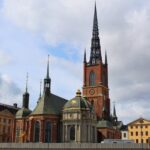
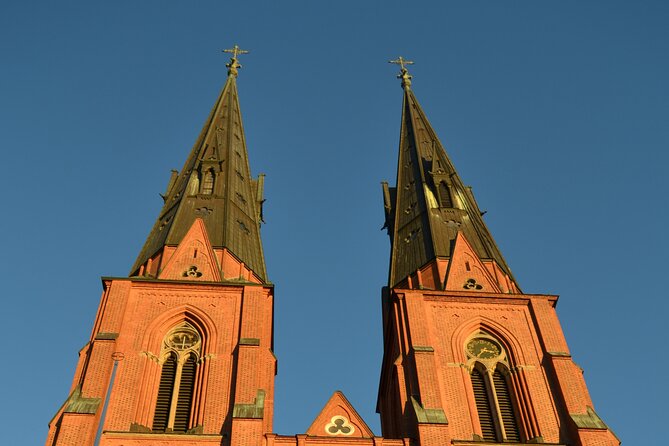
Uppsala Cathedral (Uppsala Domkyrka) is the formal payoff. You’ll get a guided tour inside as well as a brief city tour context. The cathedral is the main church for the Church of Sweden and the seat for the archbishop, which anchors why this city mattered far beyond the Viking Age.
If you’ve been thinking of Viking history as something frozen in time, the cathedral helps you see the continuity and change. Viking-era sacred ground becomes a Christian center, and the story continues.
This stop runs about 45 minutes, with admission ticket listed as free. You’ll also get bus guiding on the way out and between segments, which helps connect what you’re seeing to what the city became.
Van Comfort, Audio, and Timing: How to Make the Day Feel Easier
Transport is by comfortable van or minibus with a maximum of 17 passengers. The smaller size is part of the appeal. You’ll get an audio system for each passenger, and the driving guide is described as authorized by the Stockholm tourist board.
On paper, it’s designed to be easy to follow. In practice, the day can still be uncomfortable if you’re sensitive to cold, because there’s outdoor time at multiple stops. One report mentioned feeling very cold during the ride when it was wet and chilly. Even though the van is described as having heat/AC, I’d still plan like you might be layered for rain and wind.
My practical advice:
- Bring a light rain layer even if the forecast looks okay.
- Wear shoes that handle damp stone and uneven ground.
- If you struggle hearing audio, sit where the speaker coverage is best or move closer to the front when you can.
The pacing also matters. The stops are scheduled around short walking and standing. This isn’t a museum-only day where you can just stay seated.
Price and Value: What $241.36 Buys You in One Day
At $241.36 per person, this isn’t the cheapest way to learn Viking Sweden. So the question is value: are you getting a “lots of sites + real explanations” day, or just a checklist?
For me, the best value points are:
- Many major landmarks in one route (runestones, assembly grounds, church transition sites, Sigtuna, Old Uppsala, cathedral)
- Free admission tickets for the listed stops
- A included fika break instead of leaving you to fend for yourself immediately
- Small-group format and an audio setup designed for clear listening
Where value can dip:
- Lunch isn’t included, so your total day spend might climb unless you plan ahead.
- Some people may feel the day gets heavy on rune details, while other stops feel shorter. If your main interest is towns like Sigtuna or time in the mounds, you may want to expect less freedom for lingering.
Also, this tends to get booked. It’s listed as averaging around 40 days in advance, which suggests limited availability. If you’re traveling in a busy period, book early so you’re not gambling on last-minute openings.
Which Type of Person Will Enjoy This Most
This tour is for people with a historical interest and a willingness to stand and do short walks. It works especially well if you like explanations that connect sites to the culture behind them.
It’s a good match if you enjoy:
- Trying to understand runestones instead of treating them like background scenery
- The “how society changed” story (Viking belief shifting into Christianity)
- Seeing multiple major places outside Stockholm without needing your own car
It might feel like the wrong fit if you want:
- A relaxed pace with long free time at each location
- A focus only on Viking battle culture and daily life without the rune-heavy portion
- A day that feels warm and indoors the whole time
Should You Book This Viking + Fika Day Trip?
I’d book it if you want one day that links the Viking story to what survives in Sweden’s churches, towns, and carved stones. The runestone instruction plus the Uppsala cathedral payoff is a strong pairing, and the fika stop gives you a proper break in the middle of travel.
Skip it (or consider alternatives) if you hate long days, get cold easily outdoors, or expect lunch included. Also, if runes are not your main interest, you should know the schedule gives that theme a lot of air time.
If your dates are flexible, keep an eye on the weather requirement. This kind of outing is much more enjoyable when the ground and paths are dry and you can enjoy the scenic stops.
FAQ
How long is the Viking tour with fika?
It runs for about 10 hours (approximately a full day).
Is pickup offered from my hotel or apartment?
Pickup is offered, but it’s not always convenient for the schedule. If pickup at your stay doesn’t work, an alternative pickup address is provided.
What’s included besides the guided tour?
The tour includes a Swedish fika coffee break, typically served at Granby Farm. It also lists free admission for the visited sites.
Is lunch included?
No. Lunch is not included, so you’ll want to plan food for the day around the fika break.
What language is the tour in?
The tour is offered in English.
Does it run in any weather?
It requires good weather. If it’s canceled due to poor weather, you’ll be offered another date or a full refund.