REVIEW · STOCKHOLM
Stockholm: Must-See Attractions Walking Tour with a Guide
Book on GetYourGuide →Operated by Guydeez Tours · Bookable on GetYourGuide
Old Town moves fast when you have the right guide. This 3-hour walk stitches together Stockholm’s icons with just enough story to make the streets feel meaningful. Two things I really like are how the route hits the Royal Palace and Stockholm City Hall, and that you end with the Royal Swedish Opera instead of stopping after the old-stone photo stops.
You’ll start in the Old Town around Stortorget, then thread through famous landmarks like Mårten Trotzigs Gränd and Riddarholmen. The only drawback to consider is that walking time adds up; one past guest reported feeling the pace as roughly 16 km over three hours, so comfortable shoes matter.
If you want a guided way to understand what you’re looking at—without needing a museum ticket—this tour is a strong fit. Just go in with the right expectations: it’s a walking tour, not a slow sit-down history lesson.
In This Review
- Key highlights you’ll care about
- Getting oriented at Stortorget and the Max Burgers meeting spot
- The Royal Palace grounds: what to notice besides the big walls
- St. George and the Dragon statue: the legend you can point to
- Stockholm City Hall and the three golden crowns
- Mårten Trotzigs Gränd: walking the narrowest street moment
- Riddarholmen: 17th-century palaces on Knight’s Islet
- Royal Swedish Opera: ending with culture instead of just stone
- Price and pace: is $59 for 3 hours good value?
- Who should book this walking tour?
- Should you book this Stockholm walking tour?
- FAQ
- FAQ
- How long is the Stockholm walking tour?
- What’s the price per person?
- Where do we meet the guide?
- Which sights are included on the route?
- What languages are available for the live guide?
- Is there a private group option and is it wheelchair accessible?
Key highlights you’ll care about
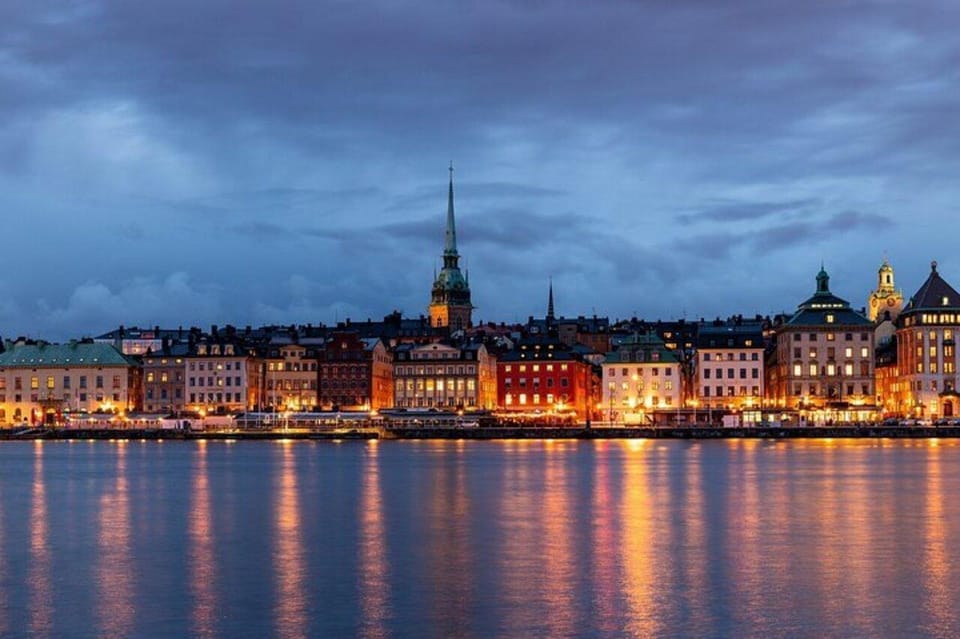
- Stortorget as the launch point, so you start with Old Town context instead of random stops
- Royal Palace and Royal Swedish Opera for big civic and cultural anchors
- A quick legend stop at the St. George and the Dragon statue so stories stay visual
- Stockholm City Hall with the three golden crowns symbol you’ll spot instantly
- A true “pay attention” street moment at Mårten Trotzigs Gränd, described as the narrowest in Stockholm
- Riddarholmen (Knight’s Islet), known for historic palaces dating back to the 17th century
Getting oriented at Stortorget and the Max Burgers meeting spot
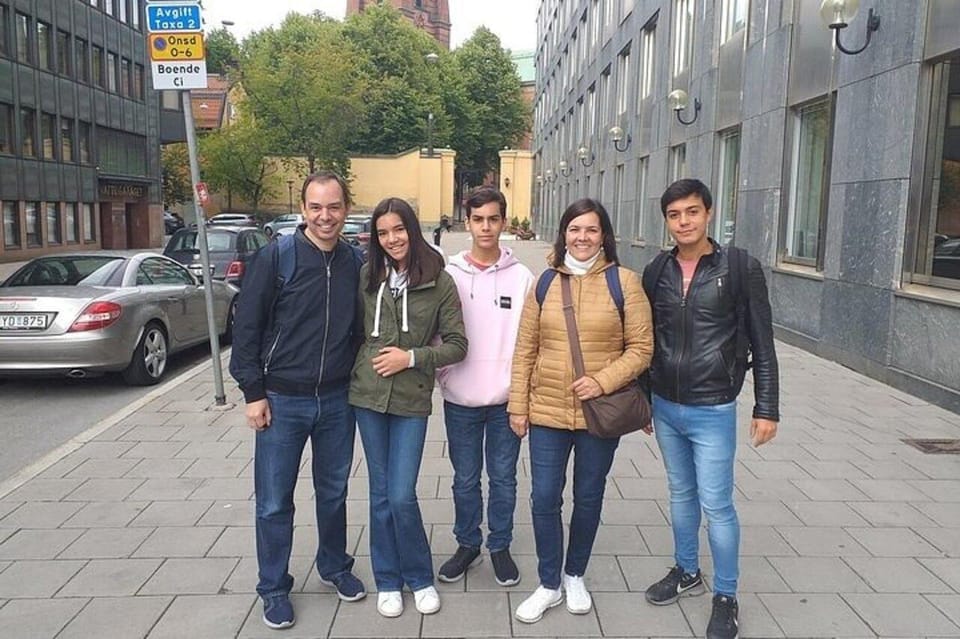
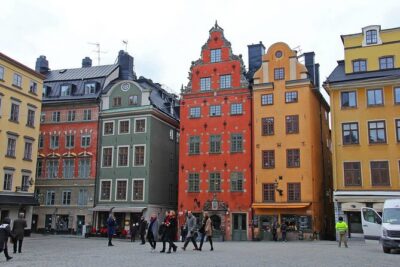
Most walking tours work best when the first minutes set the tone, and this one starts smart: you meet your guide in front of Max Burgers, then head to Stortorget, the main square in the Old Town. Stortorget matters because it gives you a baseline. Before you zoom off to the palace and official buildings, you get the colorful-square view of Old Town, plus a quick history thread that makes the rest of the walk click.
I like that the tour doesn’t waste the opening stretch. You’re guided to observe architecture and learn why the square is important. That beats showing up at landmark number one with zero context. You’ll likely do better photos too, because you know what you’re looking at and what to pay attention to.
One practical note: if you’re hoping to move quickly between stops using public transit or rideshares, this style won’t match that plan. The experience is designed as a continuous stroll through the core sights, so if your feet are fragile, plan for it.
You can also read our reviews of more walking tours in Stockholm

The Royal Palace grounds: what to notice besides the big walls
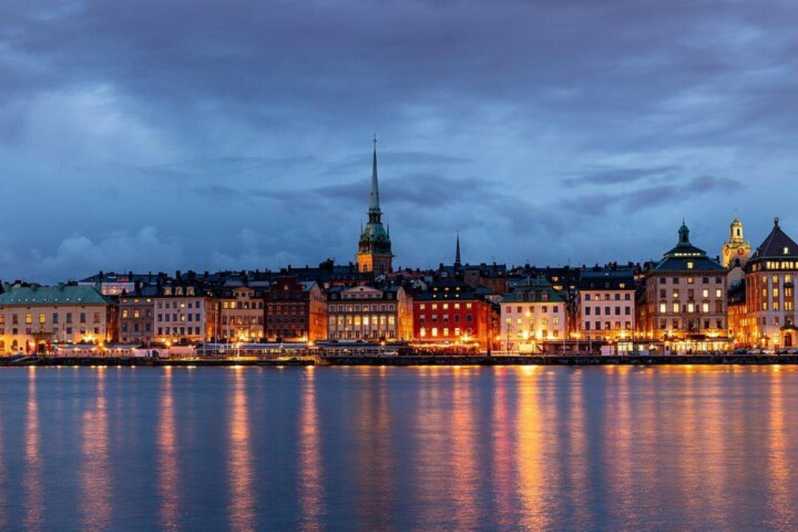
The walk moves from the Old Town square to the Royal Palace, the official residence of the King of Sweden. This is one of the easiest stops to enjoy because it’s visually dramatic, but the guide makes it more useful by giving you the significance behind what you’re seeing. Instead of just admiring the size, you learn what the palace represents in the Swedish context.
Here’s how I’d approach it as a visitor: stand back for a moment and take in the scale first. Then listen for the guide’s cues about why this particular residence matters. When a guide is doing a good job, you’ll walk away with a clearer sense of how power and tradition show up in the built environment.
A balanced expectation check: palace-focused stops can go two ways. If your guide sticks mainly to broad facts, you may feel like you’re touring a postcard. But when your guide connects details to everyday understanding—why the site is important, what it symbolizes—it becomes more than a photo break. The tour format gives you a chance to get that story, especially if you ask simple questions like what role the palace plays in Swedish identity.
St. George and the Dragon statue: the legend you can point to
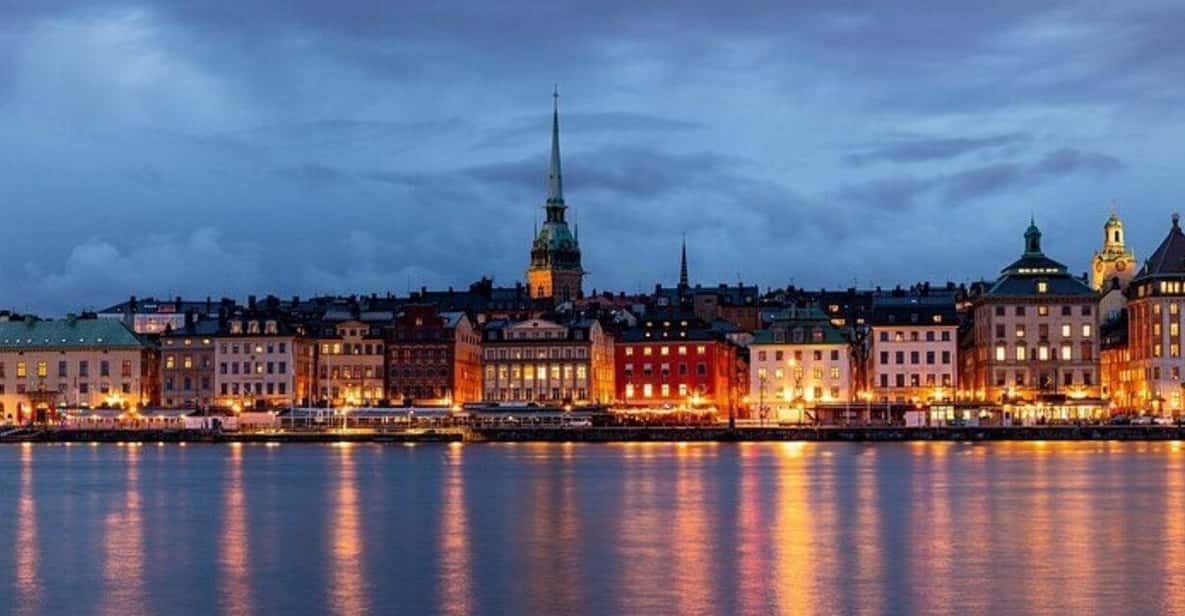
Next you’ll stop at the Statue of St. George, which commemorates a legendary battle between St. George and the dragon. This is a short stop, but it’s the kind that often becomes a memory anchor. You can see the symbol, and you can connect a myth to a real place in the city.
I like legend stops because they keep history from feeling like a timeline floating above your head. You’re not just moving from one major building to another. You get a story element—something you can point at, photograph, and then carry with you to the next streets.
The only caution: if you’re the type who needs long explanations at every single stop, this may feel like a quick beat. The tour is paced for the whole loop, so some moments are meant to be brief and vivid rather than deep and long.
Stockholm City Hall and the three golden crowns
Then comes Stockholm City Hall, capped by the three golden crowns that symbolize Sweden. This is a stop where a guide can make a real difference. The building itself is the obvious draw, but the tour adds value by explaining the architecture and the role the building has played in Swedish history.
If you’re a “look first, then learn” person, this is your match. Spend a minute focusing on the crown symbol and the overall look, then let the guide add meaning. When it works well, you stop treating the building as an impressive facade and start seeing it as a national symbol you encountered on the street.
Because City Hall is such a recognizable civic landmark, this segment can easily become the highlight of the entire walk. That said, the overall experience depends on how much your guide emphasizes context versus just describing what’s visible. A well-timed explanation turns this from sightseeing into understanding.
Mårten Trotzigs Gränd: walking the narrowest street moment

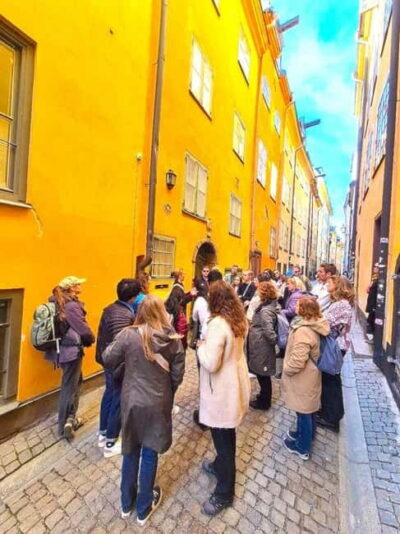
One of the coolest “you’ve got to feel it” stops on the route is Mårten Trotzigs Gränd, described as the narrowest street in Stockholm. This isn’t just another exterior view. It’s a physical experience: you move through the space and immediately understand why people talk about it.
I like this stop because it changes the sensory pace of the walk. Up to this point, you’ve been drawn to major landmarks. Here, the city compresses. The narrow alley forces you to slow down visually and pay attention to the way buildings and street geometry shape movement and sightlines.
The main practical tip: wear comfortable shoes and be ready to squeeze through the space as you walk. It’s short, but it can feel tight, especially if the street is busy. It’s also the kind of place where your guide’s narration can help you understand how the city layout grew and where older streets still matter.
You can also read our reviews of more guided tours in Stockholm




Riddarholmen: 17th-century palaces on Knight’s Islet

After the narrow street, you’ll reach Riddarholmen, often called Knight’s Islet. This is where the tour slows slightly into a more atmospheric section. You’re looking at historic palaces, including private palaces dating back to the 17th century, and the guide helps connect the setting to the architecture you see around you.
I love islet stops in cities like Stockholm because they shift your viewpoint. Suddenly you’re not only reading buildings on land—you’re reading the city as a collection of places shaped by water and separation. Knight’s Islet gives you that “city in slices” feeling, and the focus on 17th-century palaces adds a tangible time layer.
A balanced consideration: if you came for royal glamour only, this part may feel more subtle. The value here is in noticing how palaces sit within the islet character and how the guide frames their historic role. If your guide is attentive and explains social and cultural context—how Sweden’s history shows up in places like these—you’ll likely enjoy this segment the most.
Royal Swedish Opera: ending with culture instead of just stone
You’ll finish at the Royal Swedish Opera, where the guide shares its history and significance in Stockholm’s cultural scene. Ending here is smart. After a sequence of squares, palaces, and civic landmarks, you get a final push into culture—music, performance, public life.
I like that the tour doesn’t just treat the Opera as a building to pass by. You get a sense of why it matters in Stockholm’s cultural identity. When your guide ties that significance to what you’ve already seen—official buildings, symbols, and historic streets—the walk feels like a connected story rather than a checklist.
This end point is also practical. It gives you an anchor for your next move, whether you want to keep exploring nearby streets or simply stop and recover with a nearby meal. Just remember it’s still a walking tour, so your pace planning matters.
Price and pace: is $59 for 3 hours good value?
At $59 per person for about 3 hours, the value comes down to one thing: what kind of guide you get and how you like to learn while walking. For a route that covers several major landmarks—Royal Palace, City Hall, Riddarholmen, and the Opera—it’s not a bargain “drive-by” experience. It’s a focused loop designed to help you understand what each place means.
The big advantage of the price is that you’re paying for interpretation, not just access. When the guide provides context—like connecting the buildings to Swedish identity and explaining architecture—you get more than sightseeing. That’s also why you’ll want comfortable shoes: you’re buying momentum and a clear route, so your body needs to cooperate.
The potential downside is pace. One guest felt the walk stretched to about 16 km over three hours. That doesn’t mean it’s always the same for everyone, but it’s a good warning sign: treat this as an active tour. If you want slow and conversational with lots of sitting, you may find this too fast.
If you’re fit, curious, and happy to use the guide like a walking textbook, $59 for three hours feels fair. If you’re sensitive to distance or you dislike being on your feet for a long stretch, consider whether you’d rather do a shorter “highlights only” route.
Who should book this walking tour?
This tour is best for you if you want major Stockholm landmarks in one walking loop and you like learning while you move. It’s also a good option if you appreciate architecture and symbolism, because the route repeatedly reinforces that theme: Royal power at the Palace, national symbolism at City Hall, historic street character at Mårten Trotzigs Gränd, and cultural identity at the Opera.
It also suits group formats. There’s a private group available, and the tour is listed as wheelchair accessible, which matters because older city cores can be tricky elsewhere.
Skip or adjust expectations if you want extremely detailed history at every stop. Even with a great guide, the tour has to keep to a three-hour shape, so not every moment will get a long deep explanation. And as the pace can feel long, decide if you’d rather split the day into two shorter walks.
Should you book this Stockholm walking tour?
Yes, if you want a guided way to connect Stockholm’s Old Town to the stories behind its top landmarks. This is the kind of tour that works best when the guide does more than recite facts—when they explain why these places matter in Swedish society and culture.
If you’re booking as a mobility-limited traveler, it’s clearly listed as wheelchair accessible, but bring your patience for a tight historic street like Mårten Trotzigs Gränd. And if you’re booking expecting a leisurely stroll, consider your stamina first. The price is reasonable for the number of stops, but the format is still a walk.
FAQ
FAQ
How long is the Stockholm walking tour?
The tour lasts 3 hours.
What’s the price per person?
It costs $59 per person.
Where do we meet the guide?
Meet your guide in front of Max Burgers.
Which sights are included on the route?
You’ll visit Stortorget, the Royal Palace, the St. George and the Dragon statue, Stockholm City Hall, Mårten Trotzigs Gränd, Riddarholmen, and the Royal Swedish Opera.
What languages are available for the live guide?
The live guide is available in English, French, Spanish, and Italian.
Is there a private group option and is it wheelchair accessible?
A private group is available, and the tour is listed as wheelchair accessible.