REVIEW · STOCKHOLM
Stockholm Food Tour
Book on Viator →Operated by Tours of Stockholm · Bookable on Viator
Swedish food starts conversations. This 4-hour Stockholm food tour uses a walk from Östermalms Food Hall to Old Town, with seven tasting stops that explain what you’re eating and why it matters.
I love that the tastings add up to a full meal, from salty licorice to fish soup and the classic Swedish meatballs. I also like how the guide connects flavors to real Swedish life, from stories about food culture (yes, even Sweden’s “happy” reputation) to details like gourmet chocolate with royal-wedding ties.
The main thing to think about is pace and standing time. With a max group size of 20 and tastings across markets and specialty shops, you should expect a lot of walking and only limited chances to sit.
In This Review
- Key Points at a Glance
- Meet at Östermalms Food Hall, Then Walk into a Food Map
- What Swedish Culinary Culture Really Means on the Ground
- Stop-by-Stop Flavors: From Food Hall Cheese to Old Town Pastry
- Stop 1: Start at Östermalms Food Hall and Get Oriented
- The Second Food Hall Moment: Fish Soup and Swedish Sea Favorites
- Underground or Market-Style Fish Stop: When the City Feels Local
- Licorice and Candy Shop Time: Sweet, Salty, and Sometimes Bold
- Cheese, Meats, and Counter Culture: The Samples That Feel Like a Meal
- The Old Town Finish: Pastry and Coffee to Close the Loop
- Licorice, Chocolate, and Royal-Wedding Stories You Can Taste
- Who This Tour Is Best For (and Who Should Reconsider)
- If you should reconsider
- Pacing and Logistics: Walking Distance, Weather, and Staying With the Group
- Price and Value: Is $126.21 Actually Fair?
- A Small Group That Changes the Experience: Guide Matters
- Should You Book This Stockholm Food Tour?
- FAQ
- How long is the Stockholm Food Tour?
- How far do you walk and how many stops are there?
- Is the tour offered in English?
- What’s included in the ticket?
- Where does the tour start and end?
- What is the cancellation policy?
Key Points at a Glance
- Östermalms Food Hall is the launchpad: you start in one of the city’s best-known food hubs.
- 7 stops in ~4 hours: tastings are designed to add up to a real meal, not tiny bites.
- Swedish flavors you’ll actually talk about later: licorice, fish soup, meatballs, cheeses, and sweets.
- Guides with different styles but real personality: names you may meet include Cotton, Quiva, Teresa, and Fritz.
- Lots of on-your-feet time: plan for brisk walking and frequent standing sampling.
- Finish in Old Town: it’s a nice jump-off point for your next wander with a food list in hand.
Meet at Östermalms Food Hall, Then Walk into a Food Map
The tour starts at Östermalms Food Hall on Östermalmsgatan. It’s a great choice for day one in Stockholm, because you immediately get the Swedish approach to food: practical, ingredient-focused, and very “this is what we do here.”
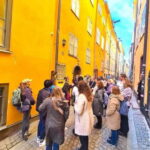
After the meet-up, you’re led on a walking route that runs about 2 miles (3.5 km), with 7 tasting stops spread across local bars, restaurants, farmers markets, and specialty shops. The end point is Kindstugatan 1, and the experience finishes in Old Town, so you don’t have to think too hard about how to continue your evening.
One practical note: the tour is offered in English and uses a mobile ticket. That helps, because you can focus on finding your guide and getting moving, not on tech headaches.
You can also read our reviews of more food & drink experiences in Stockholm


What Swedish Culinary Culture Really Means on the Ground
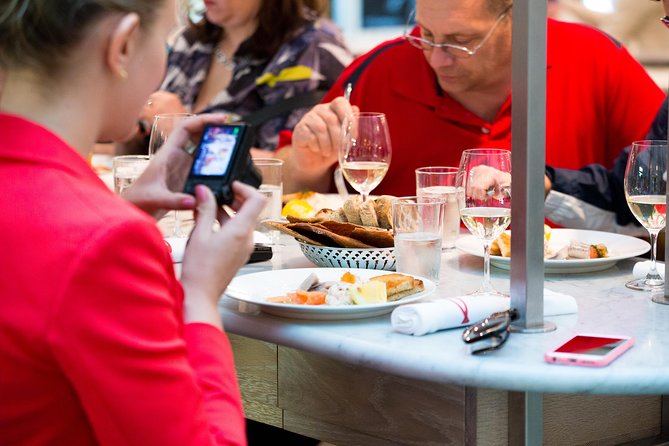
This tour isn’t just “eat this, then eat that.” The guide frames the tastings as part of Sweden’s wider food story—why Swedish food has become a destination, why certain dishes became staples, and how tradition shows up in everyday eating.
I like that the explanation isn’t stuck in a classroom. You get real context while you’re standing in the places where Swedish food culture happens. The route is built around food places—so the talk stays tied to what’s in front of you.
You’ll also hear why Sweden shows up so often in conversations about happiness. The tour connects that idea to daily life, habits, and how food fits into a slower, social rhythm—then brings it back to the plate with things you can actually taste.
Stop-by-Stop Flavors: From Food Hall Cheese to Old Town Pastry
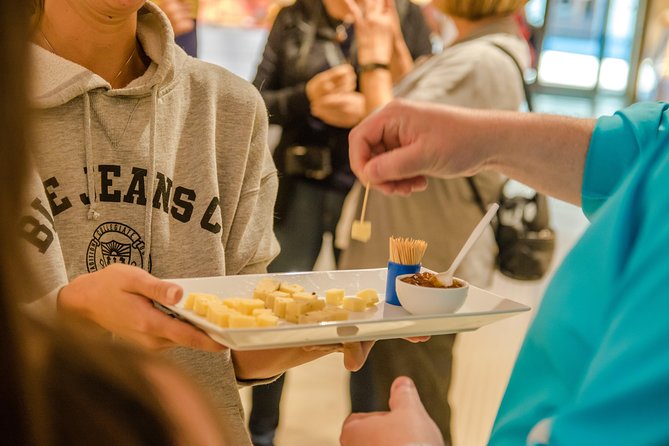
Even though the tour is described as 7 stops, the key is the variety. You’re not doing the same thing seven times. You’re moving between formats: food halls, counters, candy shops, and sit-down-style tastings where the guide helps you understand what you’re looking at.
Here’s the tour flow in the way it typically lands, plus what each moment is good for.
Stop 1: Start at Östermalms Food Hall and Get Oriented
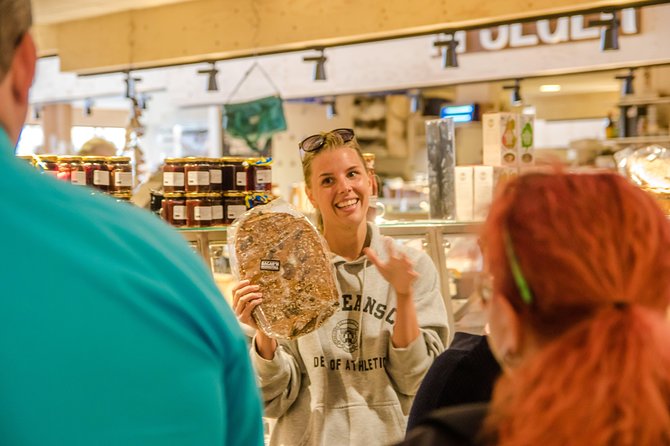
You begin in a food-hall setting, which usually means your first tastings feel welcoming and easy. Expect classic Swedish directions—cheese, cured items, and at least one “this is the Swedish comfort-food angle” moment. From the tastings people describe, meatballs often show up early in the story, along with other Swedish staples.
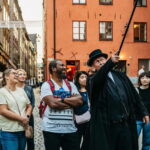
This is also where you get the tone from the guide. Guides like Cotton, Teresa, Fritz, and Quiva are repeatedly mentioned for bringing personality into the walk—some are funny, some are more warm-and-informative, but the common thread is that they connect the food to the city.
Drawback to keep in mind: food halls can be busy. If you’re the type who needs quiet, you’ll want to bring patience.
The Second Food Hall Moment: Fish Soup and Swedish Sea Favorites
One of the biggest draws is the Swedish seafood angle. More than once, people mention fish soup and multi-course fish tastings—so you’re not stuck with a single “taste of salmon” moment. The tour moves you through seafood-forward stops that show how central fish is to Swedish daily eating.
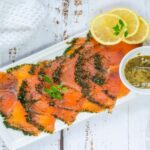
This part of the route is especially good if you’re new to Swedish food, because it gives you an easy “anchor flavor” for later. Fish soup and cured fish are the kind of dishes you can recognize in a restaurant without needing a translation.
You can also read our reviews of more tours and experiences in Stockholm
Underground or Market-Style Fish Stop: When the City Feels Local
There’s often a stop described as a fish market setting, and in at least one case it’s mentioned as being underground. That’s a fun contrast with the open-air bits later on. You’re standing in a place built around sourcing and preparation, and the guide helps you connect the food to where it comes from.
Practical tip: if you get chilly easily, bring a light layer. Market spaces can feel cooler than the street.
Licorice and Candy Shop Time: Sweet, Salty, and Sometimes Bold
You’ll definitely hit a licorice-focused tasting. Swedish licorice is famous for a reason: it’s a flavor system, not just a candy. Expect salty licorice and often different versions of black licorice candy. Some tastings include peppermint-style candy too, so you get a useful “compare and contrast” moment.
A big theme here is learning that licorice isn’t meant to be one-note candy. It can be strong, salty, and even acquired-taste for people coming from sweeter candy cultures. I like that the guide doesn’t treat it like a joke—you get a cultural explanation and then you can decide for yourself.
Cheese, Meats, and Counter Culture: The Samples That Feel Like a Meal
Between seafood and sweets, you’re likely to hit counter-style tastings with cheese and cured meats. This is where the tour can feel most “Sweden, right now.” It’s not just restaurant food—it’s the way ingredients are arranged, portioned, and presented in everyday commerce.
Game meats come up in the stories, including mentions of bear, moose, and reindeer. That’s a lot for one walk, and it’s exactly why this tour is popular: it gives you a chance to taste what you’d be hesitant to order alone.
Worth knowing: game-meat tastings aren’t the kind of thing everyone wants to repeat. But if you’re curious, this is one of the cleanest ways to try it without needing to figure it out in a menu.
The Old Town Finish: Pastry and Coffee to Close the Loop
The tour ends in Old Town territory, and it’s often described as landing with pastry and coffee. That sweet finish matters because it helps you “round out” the meal: rich, salty, and savory flavors earlier, then something warm and familiar at the end.
One detail to expect: sometimes a specific pastry (like cinnamon rolls) can be substituted if the original option isn’t available at the stop. That’s not the end of the world, but it’s a good reason to keep your expectations flexible.
Licorice, Chocolate, and Royal-Wedding Stories You Can Taste
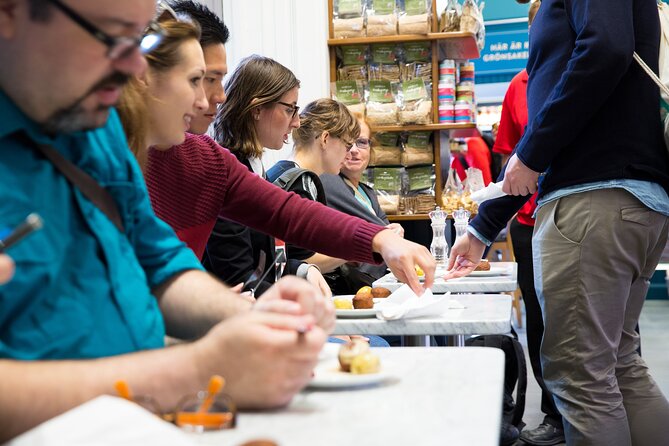
Some tours treat food as a checklist. This one treats food as folklore.
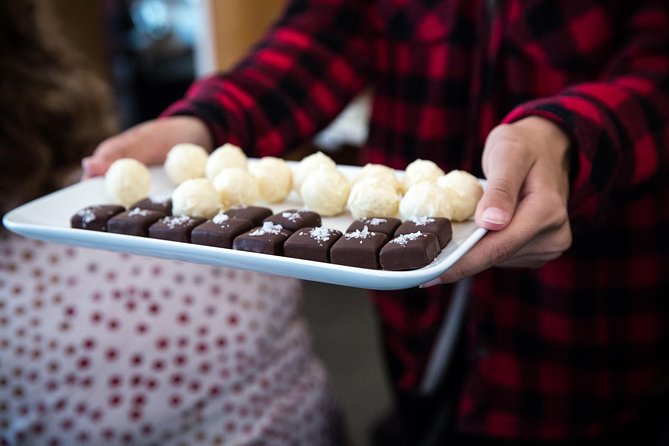
You’ll hear about Swedish licorice in a way that helps you understand why it belongs in shops across the country. You’ll also get at least one story about sweets tied to royal weddings—specifically gourmet chocolate. It’s the kind of detail that makes the tastings stick, because now you’re not just tasting sugar. You’re tasting a small piece of Sweden’s brand of tradition.
And because you’re tasting while you learn, you can make quick judgments. If you love salty-sweet contrasts, licorice can turn into a souvenir habit. If not, you still walk away with a clear sense of what Sweden’s candy culture values.
Who This Tour Is Best For (and Who Should Reconsider)
This is a strong fit if you want a fast way to:
- understand Swedish food culture in a practical way
- taste a wide range in one outing
- end with ideas for where to return on your own
It’s also a good match for people who enjoy walking and sampling, because the tour is built around a route. Even with the listed distance at about 2 miles, the walking is active, and multiple people note it can feel closer to 3 miles.
If you should reconsider
If you want lots of sitting time, this may not be your ideal format. Tastings can mean standing near counters, and seating availability seems to vary by stop. Plan your footwear like you mean it.
Also, if you have food allergies, be ready for a conversation at the start. One experience described the guide asking about allergies, and another described how a booking note didn’t always reach the guide in time. You’ll be safer if you speak up clearly at the beginning and show what you can’t eat.
Pacing and Logistics: Walking Distance, Weather, and Staying With the Group
The route is listed at 4 hours (approx.) with a walking total of about 2 miles (3.5 km). In real life, that depends on how fast the group moves between stops and how much time you spend chatting after each tasting.
A few practical things help:
- Wear comfortable shoes. You’ll be on streets and inside food venues, and the tour expects movement.
- Stay close to your guide around market entrances and escalators. One negative experience described people getting left behind when the group wasn’t fully together.
- Expect limited seating. Some tastings include reserved seating at certain points, but others are more “stand and sample.”
Weather matters too. The tour requires good weather, and if conditions aren’t right, you’ll be offered a different date or a full refund.
Price and Value: Is $126.21 Actually Fair?
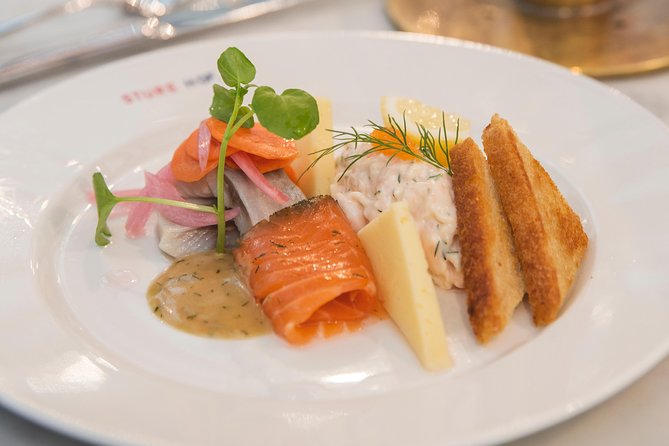
At $126.21 per person for about 4 hours and 7 tasting stops, this is not a cheap snack tour. But it can be good value if you want a curated range of Swedish foods in a short time.
Here’s why it can feel worth it:
- The tastings are described as adding up to a full meal, so you’re paying for portioned sampling, not just a few bites.
- You get variety across categories: meat, fish, cheese, candy, and sweets.
- The guide adds context. It’s easier to remember what you liked (and what you didn’t) when you know the story behind it.
It can feel expensive if you expected lots of seated dining, a slower pace, or more outdoor neighborhood wandering. The tour is first and foremost about food stops, not a sightseeing bus tour.
So my take: this is a good buy for food-first travelers. If you mainly want Old Town views, pick a different type of tour and pair it with a meal on your own later.
A Small Group That Changes the Experience: Guide Matters
The group size maxes at 20 people, which helps. Smaller groups usually mean the guide can keep the energy moving and answer questions without losing the whole schedule.
The guide names you might run into—Cotton, Teresa, Quiva, or Fritz—come up again and again. People describe them as funny, patient, and careful about accommodating the group. When a guide is in sync with the route and the tastings, the whole afternoon feels smooth.
If you’re the type who needs frequent breaks, talk with the guide early and be clear about what you need. The tour’s format depends on pacing and timing, so early communication matters.
Should You Book This Stockholm Food Tour?
I’d book this if you want a fun, food-forward way to learn Swedish cuisine fast—especially if you’re curious about licorice, seafood, cheese, and meatballs. It also helps that it ends in Old Town, so you get a natural follow-up for dinner or a dessert chase.
I’d hesitate if you hate standing, don’t like strong flavors, or want a relaxed, lots-of-seating walking tour. This experience is built for movement, and the tastings are the point—not long rests.
If you do go, go with the right mindset: walk-ready shoes, open taste buds, and a willingness to try even the things you might not order alone. That’s when the tour really pays off.
FAQ
How long is the Stockholm Food Tour?
It lasts about 4 hours.
How far do you walk and how many stops are there?
You’ll walk about 2 miles (3.5 km) and visit 7 stops.
Is the tour offered in English?
Yes, it’s offered in English.
What’s included in the ticket?
The tour includes food tasting.
Where does the tour start and end?
It starts at Östermalms Food Hall (Östermalmsgatan, 114 39 Stockholm) and ends in Old Town near Kindstugatan 1, 111 31 Stockholm.
What is the cancellation policy?
You can cancel for a full refund up to 24 hours in advance. The tour also requires good weather, and if it’s canceled due to poor weather, you’ll be offered another date or a full refund.