REVIEW · STOCKHOLM
Stockholm Fika Tour
Book on Viator →Operated by Tours of Stockholm · Bookable on Viator
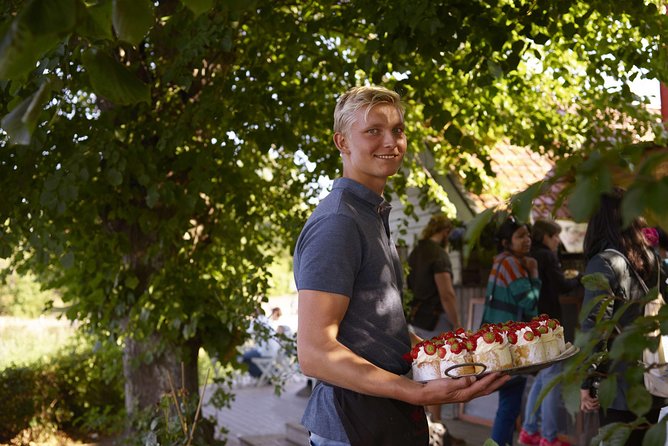
Fika is the sweet-social glue of Stockholm. This small-group Stockholm Fika Tour turns that daily ritual into a walkable, bite-sized route with coffee or tea and multiple tasting stops, so you get a feel for how locals slow down.
I especially like the small group size (max 10), which keeps the pacing friendly and the questions coming. I also like that you’re not just paying for sugar—there are 4–5 tasting stops that add up to a light meal, including coffee or tea plus snacks and bottled water.
One possible drawback: at this price point, you’ll want to be the type of person who enjoys guided food stops and small-town context. A few people felt the pastries and licorice weren’t special enough, and you’ll also want to show up at the exact meeting point on time—there have been occasional no-shows and time confusion in the past.
In This Review
- Key things to know before you go
- Fika in Stockholm: why this tour is about more than pastries
- Your 2-hour walking plan: what the route feels like
- Stop by stop: the kinds of fika you’ll taste
- 1) The fika kickoff: learning what you’re eating
- 2) Coffee and pastry pairing: the classic baseline
- 3) The bakery/pastry stop: where the sweetness varies
- 4) Chocolate and other sweet bites: for people who like options
- 5) Licorice tasting: the signature Swedish test
- Why the guides matter: what makes the experience feel worth it
- Price and value: is $98.42 actually fair?
- Meeting point at Konserthuset Stockholm: how to avoid a frustrating start
- Who should book this fika tour (and who might skip it)
- Quick FAQ
- FAQ
- How long is the Stockholm Fika Tour?
- How many tasting stops are included?
- What’s included in the price?
- What language is the tour offered in?
- Where does the tour start?
- What time does it start?
- Is cancellation free?
- Should you book Stockholm Fika Tour?
Key things to know before you go
- Max 10 people keeps the tour personal and easier to enjoy while walking
- 4–5 fika stops are designed to add up to a light meal, not just a snack
- Coffee and tea are included, plus bottled water to keep it comfortable
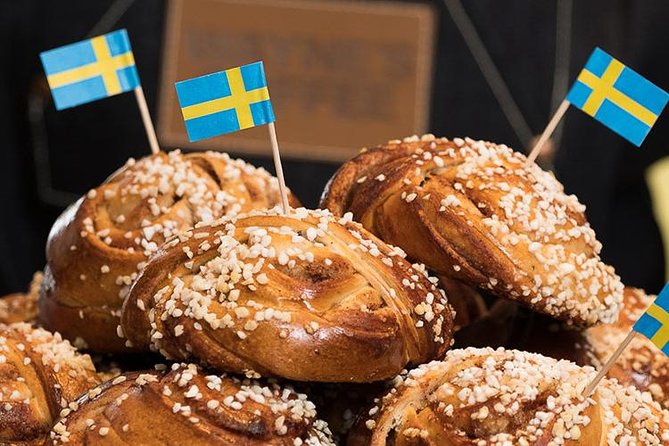
- Licorice is a feature, with tastings that can run sweet, salty, and smoked
- You’ll learn what fika means, not just where to eat
- English-speaking guides mean you can actually understand the why behind the bites
Fika in Stockholm: why this tour is about more than pastries
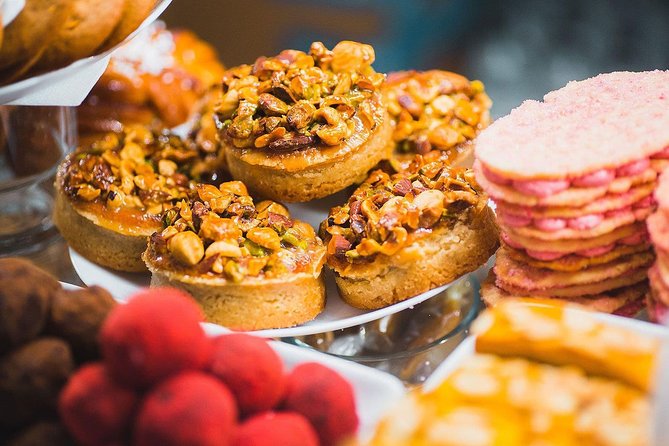
If you only think of fika as coffee plus cake, you’ll miss the point. Fika is a social rhythm: a reason to pause, a chance to talk, and a daily excuse to treat yourself without calling it a splurge. That’s exactly why this tour works well as a first activity in Stockholm. You get the story behind the ritual, then taste it right away—like learning the rules of a game and playing one round immediately.
And yes, the food is the hook. You’ll hit multiple cafes, bakeries, and pastry shops during the walk, with enough tastings to feel properly fed by the end. A number of guides mentioned in feedback—like Valentina, Dimitrious, Christel, Coton/Cotton, Demetrius, and Matt—sound like they do more than hand you a plate. They explain the tradition and answer questions about what you’re tasting, which is the difference between a random dessert crawl and a tour that teaches you something you’ll remember.
You can also read our reviews of more tours and experiences in Stockholm.



Your 2-hour walking plan: what the route feels like

This is designed to be quick and concentrated. You’re out for about two hours, which is perfect when you’re jet-lagged, traveling with kids, or simply trying to get your bearings fast without committing to a half-day tour.
You’ll make 4–5 stops, so you’re not spending the whole time in transit. It feels like a short series of mini breaks: walk, taste, sip, ask questions, repeat. The locations are in central Stockholm, and you may spend time through areas like Gamla Stan (at least some guides take groups there, especially when licorice is on the agenda). You’re also back at the starting point afterward.
One practical note: with tastings, you’ll walk a bit more than you think. Wear shoes you trust. Even a “compact” city walk can add up when you’re stopping often and moving between cafes.
Stop by stop: the kinds of fika you’ll taste
The tour is built around the idea that fika isn’t one item—it’s a system of pairings and comfort foods. Since the exact shop lineup can vary by guide and day, I suggest you think in categories, not in brand names.
1) The fika kickoff: learning what you’re eating
The start is your orientation to the Swedish habit. Expect a quick explanation of what fika is, why it matters, and how locals think about coffee breaks—less like a caffeine hit and more like a social pause. This is also where you’ll get some context on the flavors you’ll encounter next.
This matters for you because it changes how you experience the tastings. Instead of eating bites on autopilot, you’ll have a mental framework for why certain foods show up in fika culture.
2) Coffee and pastry pairing: the classic baseline
Next, you’ll likely land on a traditional coffee-and-something-sweet moment. Coffee and baked goods go together in fika the way bread goes with soup—you can’t fully understand one without the other. You’ll also get coffee and/or tea as part of the tour, plus snacks and bottled water.
This is the stop that tends to work for most travelers, including people who aren’t licorice fans. Even if you’re picky, fika basics usually feel familiar once you taste them in a Swedish context.





3) The bakery/pastry stop: where the sweetness varies
Between the coffee moment and the specialty items, you’ll visit a bakery or pastry shop type of stop. This is where you can expect things like assorted pastries and sweets. Some guides focus more on classic fika items, while others add variety.
Here’s the trade-off: a couple of people felt one shop didn’t feel like a true bakery experience. So if you’re extremely picky about atmosphere—tiny shops with traditional ovens only—have flexible expectations. The food might still be good, but your definition of authentic can be stricter than the tour’s approach.
4) Chocolate and other sweet bites: for people who like options
In addition to pastries, some feedback highlights chocolate among the tastings. That’s useful because it creates a broader flavor range across the two hours. If you like having sweet variety rather than eating one category of dessert, this stop concept is exactly what you want.
5) Licorice tasting: the signature Swedish test
The big Swedish flex on this tour is licorice. Multiple people praised the licorice tasting and learned more about black licorice than they expected to want. You may get different styles—like sweet, salty, and smoked—so you can compare how the flavor changes.
This is where the tour can either win you over or not. If licorice is your thing, you’ll probably leave grinning. If it’s not, treat it like a guided taste lab: small samples, lots of comparisons, and context to help you understand why locals keep coming back to it.
Why the guides matter: what makes the experience feel worth it
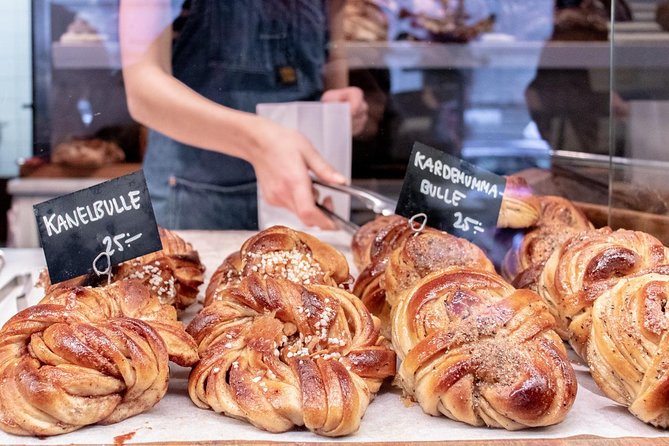
The guide is the difference between eating your way around Stockholm and understanding fika. The names that came up in feedback—Valentina, Valentina again, Dimitrious, Dimitri, Christel, Demetrius, Adam, and Matt—suggest a lot of different teaching styles, but a common thread: people appreciated friendly delivery and city insight alongside the snacks.
I’d use that to plan your expectations:
- If you want the tradition explained clearly and you like asking questions, this format should fit you well.
- If you mainly want a serious food itinerary with deep technical food talk, you may feel the context is lighter. One review criticized the cultural context and suggested the guide felt newer to Stockholm. So keep in mind that the tour experience can vary by guide day-to-day.
Also, a small but real tip from feedback: if the guide is hard to spot, it can add stress at the meeting point. When you arrive, look for someone clearly leading the group and be ready to confirm you’ve found the right tour.
Price and value: is $98.42 actually fair?
Let’s talk straight value. At $98.42 per person for about two hours, you’re paying for:
- A guided route with multiple stops (4–5)
- Coffee/tea plus snacks and water
- The explanation of fika and Swedish sweet culture
- A small group that keeps the pace manageable (max 10)
If you were to do this alone, you could likely buy coffee and a pastry for far less. But you’d lose three things: the curated sequence, the context for what you’re eating, and the convenience of tasting multiple stops without planning each one.
So who gets the best deal? People who want a structured introduction to Stockholm food culture without spending time searching. Families often like it because it’s short and snack-focused. Food-curious travelers like it because the guide helps you avoid guesswork.
Who may feel it’s overpriced? People who expect top-tier, standout pastries at every single stop or who prefer to do their own wandering and choose only the places they like. A couple of negative comments pointed to average pastries and disappointment with a licorice experience—so your personal tastes matter.
Bottom line: I’d think of this as a guided Stockholm food primer. If you want that, the price can make sense. If you only want to eat, you can probably pay less and get similar joy by walking on your own.
Meeting point at Konserthuset Stockholm: how to avoid a frustrating start
The tour starts at Konserthuset Stockholm, Hötorget 8, 103 87 Stockholm at 2:00 pm, and it ends back at the meeting point. That’s helpful because you don’t end up lost at the far end of the city.
Here’s how to protect your time:
- Arrive a little early and stand where the group would naturally gather near the venue entrance.
- Have your mobile ticket ready, since this uses a mobile ticket format.
- Double-check the start time in your confirmation message, because there have been cases where the listed time was wrong for someone.
Also pack for walking: you’ll be moving between stops and spending part of your time standing in shops while you taste. Comfortable shoes matter more than you think in a city where streets and doorways can funnel you quickly into a line.
Who should book this fika tour (and who might skip it)
This is a good match if you:
- Want an easy first Stockholm activity to understand fika
- Like tasting multiple sweet bites instead of just one dessert stop
- Enjoy guided walking tours with frequent breaks
- Don’t mind sharing a small group and chatting with fellow travelers
Skip it or be cautious if:
- You hate licorice and don’t want it as a featured tasting
- You prefer strict food-nerd depth over cultural and social context
- You want a top-dollar experience where every single stop feels like a dream bakery
If you’re in the middle—curious about Swedish sweets and coffee culture but still practical—this tour is often a strong starting point.
Quick FAQ
FAQ
How long is the Stockholm Fika Tour?
It runs for about 2 hours.
How many tasting stops are included?
You’ll have about 4–5 individual tasting stops.
What’s included in the price?
Snacks, bottled water, coffee and/or tea, and the tastings that make up a light meal. Gratuity is not included.
What language is the tour offered in?
It’s offered in English.
Where does the tour start?
It starts at Konserthuset Stockholm, Hötorget 8, 103 87 Stockholm, Sweden.
What time does it start?
The start time listed is 2:00 pm.
Is cancellation free?
Yes, you can cancel up to 24 hours in advance for a full refund.
Should you book Stockholm Fika Tour?
If you want a short, guided, sweet-and-coffee introduction to Stockholm, I’d book it—especially because the small group size (max 10) keeps it from feeling like a rushed snack factory. The best version of this tour is the one where the guide explains fika clearly, you get enough tastings to feel satisfied, and the licorice portion becomes a fun comparison rather than a forced flavor.
I’d only hesitate if you’re very licorice-averse or if you’re the type who expects every stop to be exceptional in both food and shop ambiance. In that case, you might do better with self-guided walking and choosing your own bakeries.
If you do book, show up a bit early at Konserthuset, bring comfortable shoes, and go in with the right mindset: you’re sampling a tradition, not just buying dessert.