REVIEW · STOCKHOLM
Evening Wildlife Safari with Campfire Dinner from Stockholm
Book on Viator →Operated by True Nature Sweden · Bookable on Viator
Tyresta comes alive after dark. This small-group evening safari pairs forest tracking with a real campfire meal, right outside Stockholm. You’ll follow a guide through Tyresta National Park hunting for iconic Swedish wildlife at dusk and after sunset.
I love the small-group cap of just eight people. It keeps the pace personal, and you actually get time to ask questions about what you’re seeing. I also like that the night includes round-trip transit from Stockholm plus binoculars and a guide-led meal, so you’re not piecing the evening together on your own.
The main drawback is that wildlife sightings are never guaranteed. On some nights you may spot lots of deer and other animals, while on others you might see fewer species, and the forest walk can feel tougher on snowy or icy ground.
In This Review
- Key things to know before you go
- Tyresta National Park: Why a night safari works so close to Stockholm
- The 18:00 to late-afternoon rhythm: what the evening feels like
- Getting there by minivan, and why the first scan matters
- The forest walk and frozen-lake moments you should plan for
- Fire-making and bonfire dinner: the part that makes it feel like Sweden
- Dusk safari time: how you get more than one “maybe”
- Price check: how $166.76 stacks up for what you actually get
- Who this safari is best for, and who should think twice
- Practical tips to make the most of the evening
- Should you book the Evening Wildlife Safari with Campfire Dinner from Stockholm?
- FAQ
- How long is the Evening Wildlife Safari with Campfire Dinner?
- What time does the tour start in Stockholm?
- Where is the meeting point?
- How many people are in the group?
- Is round-trip transport included?
- Is dinner included, and how is it prepared?
- Are binoculars provided?
- What wildlife might I see in Tyresta National Park?
- What if weather is poor or the tour is canceled?
- Is free cancellation available?
Key things to know before you go
- Eight-person maximum for a hands-on, question-friendly experience
- Tyresta National Park tracking focused on the Stockholm area’s forests and wildlife
- Dinner cooked over a bonfire, not just a snack stop
- Binoculars included so you can actually look at what your guide points out
- A mix of walking + dusk wildlife scouting, with the emphasis on timing
Tyresta National Park: Why a night safari works so close to Stockholm
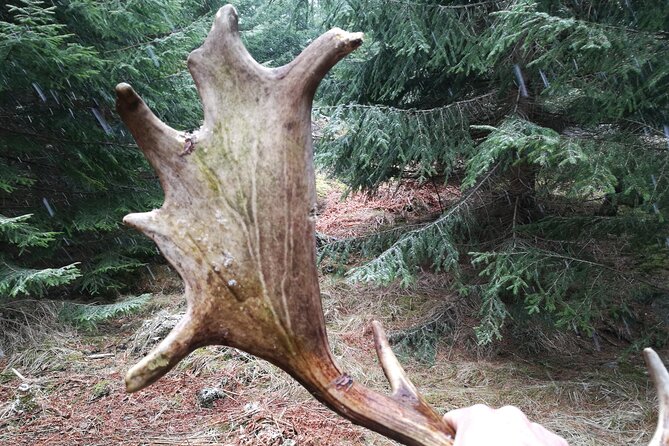
Tyresta National Park is a change of pace from the city fast. You’re still in the Stockholm region, but the forest feels properly separate once you’re on the trail. That matters, because the animals you’re hoping to see are most active at the low-light hours when human noise fades and the light shifts.
This tour is built around that timing. You’re not just driving around hoping for luck. The plan includes time for walking during the earlier evening, then a second push for wildlife after dinner and as dusk deepens. That structure gives you more than one shot at seeing animals, and it also makes the evening feel varied instead of repetitive.
If you enjoy learning while you move, the format helps. Your guide talks about how Swedish wildlife behaves and how and where you can spot it. You’ll also get tips on what to watch for along the way, which makes the forest feel less like darkness and more like a set of clues.
You can also read our reviews of more tours and experiences in Stockholm

The 18:00 to late-afternoon rhythm: what the evening feels like
The tour starts at 18:00 from Tideliusgatan 62 in Stockholm and runs about 5 hours (up to 22:00, and it can shift earlier in winter). That’s a practical length for travelers who don’t want to lose a whole day, but still want a real night experience.
The flow is simple:
- You leave Stockholm by vehicle.
- You enter the forest for tracking and a lakeside section.
- You pause for dinner cooked on a wooden fire.
- Then you scout again for wildlife later in the evening.
What I like about this rhythm is that it respects how animals behave. You get time when animals are still moving through the landscape, then you get a second window when the light changes. The evening never feels rushed, but you’re also not stuck waiting in one place for hours.
Getting there by minivan, and why the first scan matters
You’ll travel from central Stockholm by air-conditioned vehicle, with round-trip transit included. That sounds basic, but it’s actually a big part of why this outing works. Less fiddling around means you can focus on what’s ahead instead of spending the evening figuring out transport to a distant park.
The route also starts with a scouting mindset. You’ll drive through an area where your guide checks for signs and possible sightings before you start walking. This isn’t just theater. It sets expectations and helps you learn what the guide is looking for once you’re on foot.
A small-group tour also means your guide can adjust. People move differently in snow and on uneven ground. With a group capped at eight, it’s easier for the guide to manage pace and keep everyone together.
The forest walk and frozen-lake moments you should plan for
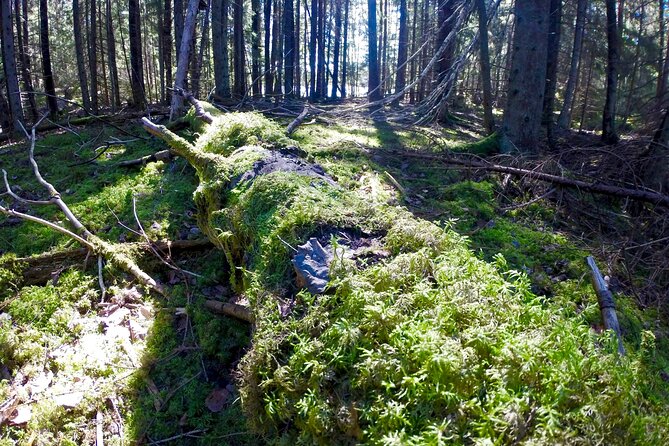
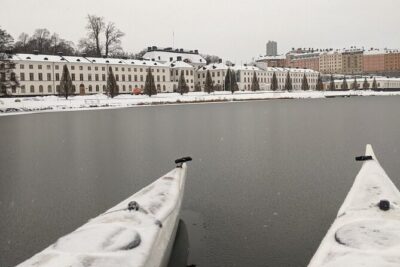
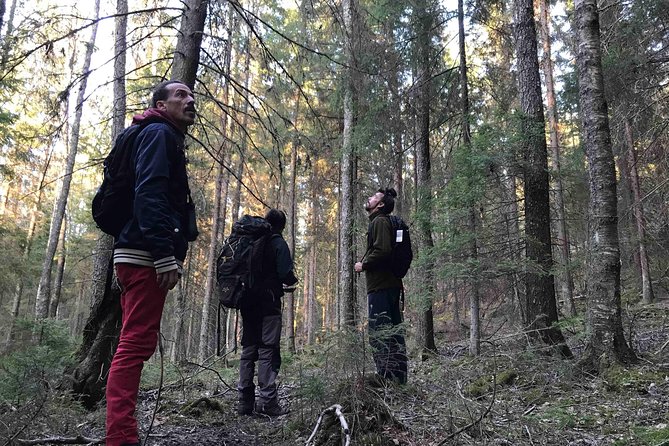
The heart of the experience is the walking part in Tyresta. You’ll hike through forest terrain, then you’ll spend time around a lake where there’s known animal activity. Depending on season, you might find the ground snowy, icy, or mixed with frozen sections. One highlight described is crossing a frozen lake during winter conditions, so you should treat this as a real walk, not a stroll.
What you’ll likely notice on the trail:
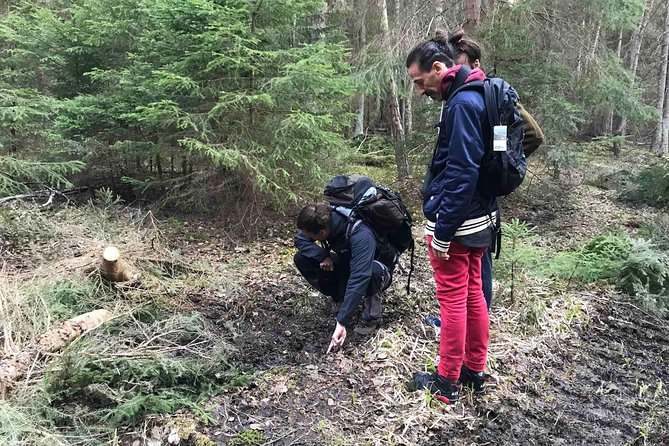
- Tracks and signs: your guide points out clues for what’s living in the area.
- Plants and foraging: some outings include learning about berries and even foraging mushrooms and berries with the guide.
- Small wildlife moments: you may spot birds, rabbits, and smaller animals while waiting for something bigger.
The hike level can vary depending on the group. Some families and adults report that it’s manageable, and others note that the terrain could be difficult for people with mobility issues. If you have knee problems, a fear of slips, or you struggle on uneven ground, be honest with yourself and consider that winter conditions can add friction.
Fire-making and bonfire dinner: the part that makes it feel like Sweden
Dinner here isn’t an afterthought. You’ll have a meal cooked over a bonfire on a wooden fire, and it’s timed to give you a break before the final wildlife scouting.
A few details make it feel more authentic than a standard tour meal:
- You get warm around the fire while still being in nature.
- You’re not locked into a dining hall or restaurant rhythm.
- The guide may include hands-on fire-making skills, with some groups learning how to start fire using flint.
One really practical benefit: dietary needs can be handled. There are reports of accommodating dietary requirements on short notice, which tells me this isn’t a one-size-fits-all meal where you’re stuck eating whatever is left.
If you’re traveling with kids, this is also where the tour becomes memorable in a different way. One family experience described a guide who made the campfire dinner fun and engaging for children, and that tone matters. For a lot of families, the dinner is what turns wildlife watching into an evening they talk about later.

Dusk safari time: how you get more than one “maybe”
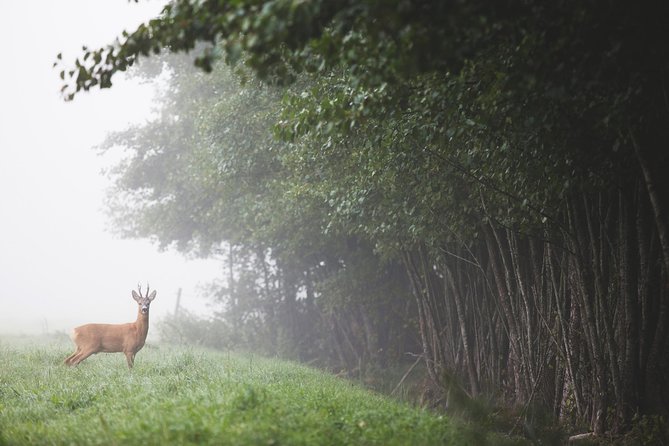
After dinner, you head out again as light drops. This is when many animals become easier to spot, simply because they’re active during low-light hours and the landscape becomes more dramatic.
Your guide’s job here is to maximize your odds without stressing wildlife. The vehicle driving is handled in a way that doesn’t spook animals, and the guide also manages timing so the group stays quiet and attentive. In some accounts, guides remembered names and kept the group moving at the right pace, including adjusting the walk when the terrain or sightings demanded it.
What you might see depends on the night, but the most commonly reported animals include:
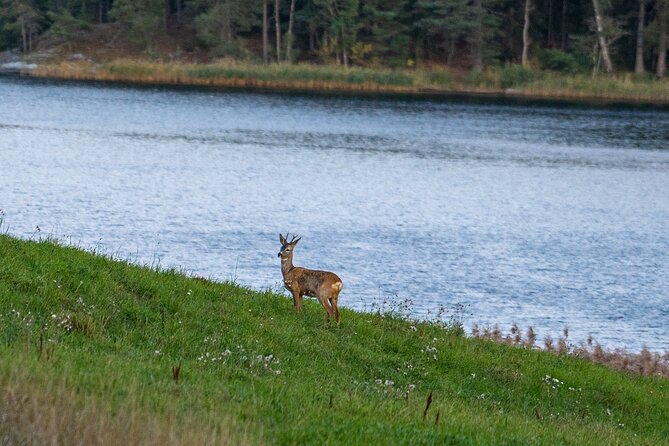
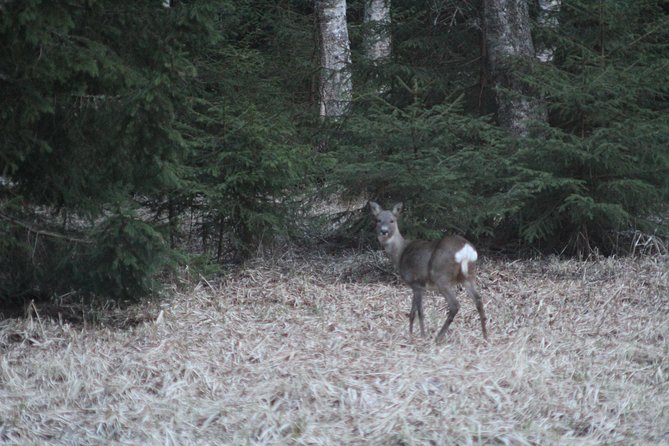
- Deer (often more than one)
- Moose (sometimes multiple sightings)
- Wild boar
- Fox
- Hare and rabbits
- Even birds like cranes and owls in some cases
If you’re lucky, you’ll get the full “Swedish wildlife” set. If you’re not, you’ll still get something valuable: the ability to read the forest and understand why the guide keeps stopping, pointing, and timing the group’s position.
And yes, some nights truly have fewer sightings. That’s the nature of wildlife watching, not a flaw in the plan. If moose is on your bucket list, treat this as a strong chance, not a guarantee.
Price check: how $166.76 stacks up for what you actually get
At $166.76 per person for about five hours, you’re paying for three things that normally cost extra if you do them separately:
- Transportation round-trip from Stockholm
- A personal guide for tracking, education, and pacing
- Dinner cooked over a bonfire, plus binoculars
The small-group cap of eight matters for value, too. Many tours in city areas feel crowded, where you spend your time waiting for others to catch up or not hearing the guide properly. Here, you’re closer to the action and more likely to get individualized help, like knowing where to look and how to interpret tracks.
Is it overpriced if you only care about wildlife outcomes? Possibly, because sightings can vary. But if you value the guided nature learning, the forest walk, and the bonfire dinner in a national park setting near Stockholm, this price feels more like a fair trade than a splurge.
Who this safari is best for, and who should think twice
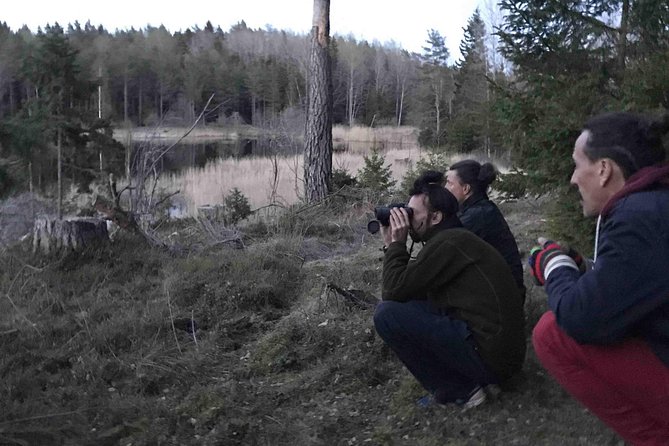
This tour is a good fit if you:
- Want an evening outside the city without losing your whole day
- Enjoy nature education and want help spotting animals
- Prefer small groups and a personal guide
- Like the idea of ending with a campfire dinner rather than rushing back to a restaurant
It can also work for families, though winter footing is the key factor. Kids around 8 and up have done well in some experiences, and guides have adjusted the route for group ability. Still, if your child gets tired easily on walks or you’re traveling with someone with limited mobility, consider that snow and ice can change the effort level.
It might be a less satisfying choice if you:
- Want wildlife guaranteed on a specific checklist
- Don’t handle cold outdoor time well
- Need fully flat, easy walking surfaces
Practical tips to make the most of the evening
Here’s how you get the best version of this safari experience:
- Bring your best outdoor attitude. This is a nighttime forest outing, not a museum visit.
- Dress for cold and wet conditions. Winter timing can mean snow and frozen ground, so plan for warmth and grip.
- Ask questions during the walk. The guide’s animal talk is part of the point, and it helps you spot things faster.
- If you have dietary needs, tell the team ahead of time and be clear. The dinner is flexible in at least some cases.
- Keep expectations realistic. Even on strong wildlife evenings, you may see fewer animals than the stories you hope for.
If you’ve ever wondered what it’s like to watch Swedish forests work as a living system, this tour is a strong way to find out.
Should you book the Evening Wildlife Safari with Campfire Dinner from Stockholm?
I’d book it if you want a genuine evening in nature that feels connected to how Swedish wildlife actually lives. The small-group format, the guided tracking, and the fact that dinner is cooked over a real bonfire make it more than a drive-and-hope safari.
I’d hesitate only if you’re extremely price-sensitive and you’ll be disappointed by uneven wildlife results. Some nights are quiet. That’s not a bait-and-switch; it’s wildlife.
If you want a night that mixes walking, learning, and a warm meal under the forest sky, this one fits the bill.
FAQ
How long is the Evening Wildlife Safari with Campfire Dinner?
It lasts about 5 hours.
What time does the tour start in Stockholm?
The tour starts at 18:00 at the meeting point.
Where is the meeting point?
The meeting point is Tideliusgatan 62, 118 69 Stockholm, Sweden.
How many people are in the group?
The tour is limited to a maximum of 8 travelers.
Is round-trip transport included?
Yes. Round-trip transit from Stockholm is included.
Is dinner included, and how is it prepared?
Yes. Dinner is prepared over a bonfire/wooden fire as part of the tour.
Are binoculars provided?
Yes. Binoculars are included.
What wildlife might I see in Tyresta National Park?
You may see Swedish wildlife such as deer, moose, wild boar, fox, and other animals, but sightings are not guaranteed.
What if weather is poor or the tour is canceled?
The experience requires good weather. If it’s canceled due to poor weather, you’ll be offered a different date or a full refund.
Is free cancellation available?
Yes. You can cancel up to 24 hours in advance for a full refund.