
REVIEW · STOCKHOLM
Vasa Museum Guided Tour in Stockholm
Book on Viator →Operated by Scandic Tours · Bookable on Viator
A shipwreck with answers waiting. This Vasa Museum guided tour turns a massive 1600s warship disaster into a plain-language story about design, failure, and the long salvage effort. You also get skip-the-line entry, which matters when you’re trying to see the best of Stockholm without wasting time.
What I like most is how the guide-focused format helps you connect the dots across exhibits, instead of just scanning labels. I also like that the experience is led by real people with names you might hear—Caoimhe, Pedro, Ben, and Daniela—many praised for keeping groups together, answering questions, and making sure everyone can hear.
One drawback to keep in mind: if you’re expecting a talk that adds a lot beyond what you can read on the wall, you might feel the value depends on your guide’s style. A small share of feedback said the tour sometimes overlaps with the signage instead of adding extra insights, so set your expectations accordingly.
In This Review
- Key highlights to look for
- Vasa Museum: why this tour works even if you hate reading plaques
- The 10:00 start at Galärvarvsvägen 14: less stress, smoother timing
- How the guided flow helps you understand the Vasa ship fast
- The engineering story: what went wrong and why it’s not just a tragedy
- 19th-century maps and salvage: turning a wreck into a recovered mission
- Skip-the-line value: when $65.12 feels fair
- Group size and hearing the guide: what you’ll feel during the tour
- Where this tour fits best (and who might pass)
- Quick logistics you’ll want to know before you go
- Should you book the Vasa Museum guided tour?
Key highlights to look for
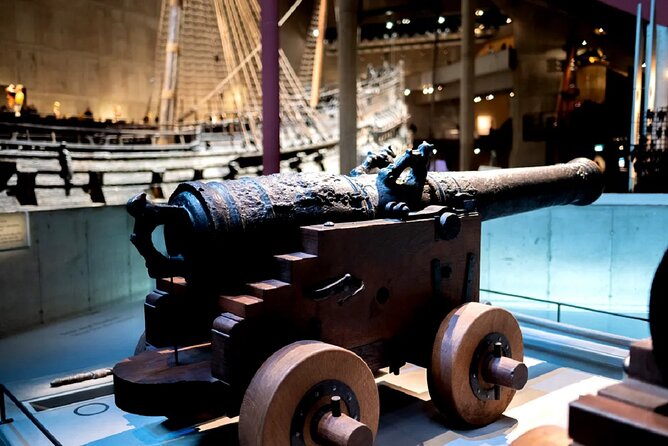
- Skip-the-line entry so you lose less time waiting and more time looking closely
- Two hours that walk the main levels without rushing you
- English guides who can explain engineering and salvage in everyday terms
- 19th-century maps and recovery stories that turn search-and-rescue into history
- Small-group feel (often 10–15) reported in feedback, which makes questions easier
- Guides that help you find them, including sharing a meeting-point picture and pin
Vasa Museum: why this tour works even if you hate reading plaques
The Vasa Museum is famous for one reason: a real shipwreck you can stand near. But the second reason is what makes a guided tour worth it—the ship isn’t just a boat on display. It’s a case study in how engineering choices, stability, and weight distribution can snowball into disaster.
On this tour, you focus on the big story while a guide steers you through what to notice. That’s the difference between walking through a museum and actually understanding why this wreck matters. You’ll learn how the Vasa warship was built, why it went wrong, and what it took to find and recover it later.
The museum can be overwhelming on your own because there’s so much detail. Having a guide helps you pick the right details first, so the rest clicks into place as you move through the galleries.
You can also read our reviews of more guided tours in Stockholm



The 10:00 start at Galärvarvsvägen 14: less stress, smoother timing
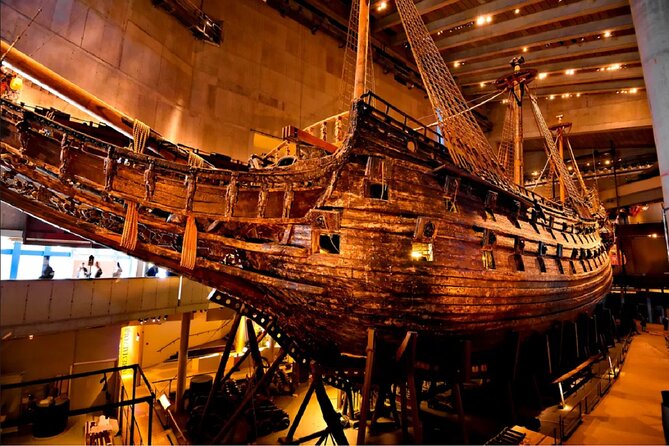
You meet at Vasa Museum, Galärvarvsvägen 14, 115 21 Stockholm, and the tour starts at 10:00 am. It ends back where you started, so you’re not juggling tram changes or a second meetup point during your museum visit.
This matters more than it sounds. If you’re doing other Stockholm stops the same day, a fixed start time makes planning easier. It also helps you avoid the classic museum problem: arriving late, missing the best parts, then feeling rushed.
One helpful detail: guides have been reported as sharing a photo and dropping a pin for the meeting spot the morning of the tour. That small touch helps if you’re not comfortable navigating on arrival day.
How the guided flow helps you understand the Vasa ship fast
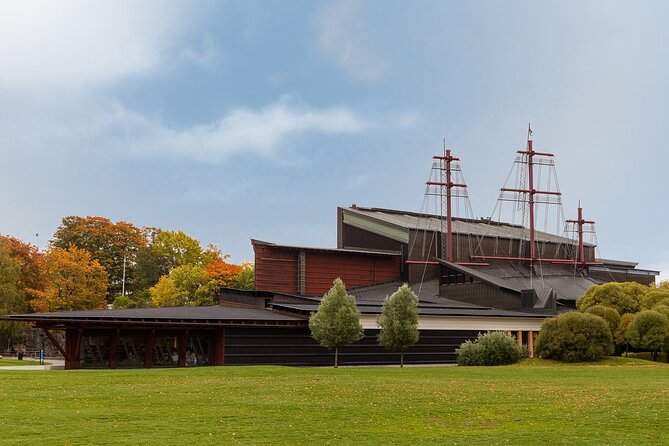
Expect a structured walk through the museum’s key levels rather than a loose drift. A good guide keeps the group together, makes sure you can hear, and explains what you’re seeing without turning it into a lecture marathon.
You’ll spend time on the ship itself and the surrounding interpretation—how the Vasa looked, how it functioned, and what ultimately went wrong. The goal is clarity: you should leave with a clear mental picture of the cause-and-effect chain.
Guides like Pedro and Ben are specifically praised for guiding people step by step through multiple levels and keeping questions welcome. Daniela is also mentioned for being thorough, which is exactly what you want here because the story has technical parts.
The engineering story: what went wrong and why it’s not just a tragedy
The Vasa is a dramatic story on the surface. But the best part is how the tour connects drama to engineering decisions. You’ll hear about the design features and stability issues that contributed to the sinking, and you’ll get the “why” behind the “what.”
That’s where a guided tour becomes practical. Instead of treating the exhibits like separate facts, you learn how they relate. You start to understand the ship as a system—weight, balance, structure, and real-world conditions all working together, or failing together.
If you like science-in-real-life stories, this is your kind of museum day. The guide’s job is to translate the technical bits into something you can picture standing right there in front of the wood and metal.
19th-century maps and salvage: turning a wreck into a recovered mission
One of the most distinctive elements of this tour is the focus on the search and recovery work. You’ll see 19th-century maps used to locate the ship, which gives the story an almost detective feel.
That alone makes the visit more than a simple “this sank” explanation. You also learn about the engineering behind salvaging the wreck—how people approached a project that was far more complex than finding a lost object. It was a technical operation with real constraints, risks, and time pressure.
This part is especially valuable if you tend to forget that history often involves problem-solving, not just battles and dates. The Vasa recovery shows how skills and methods from one era connect to another.
You can also read our reviews of more museum experiences in Stockholm






Skip-the-line value: when $65.12 feels fair
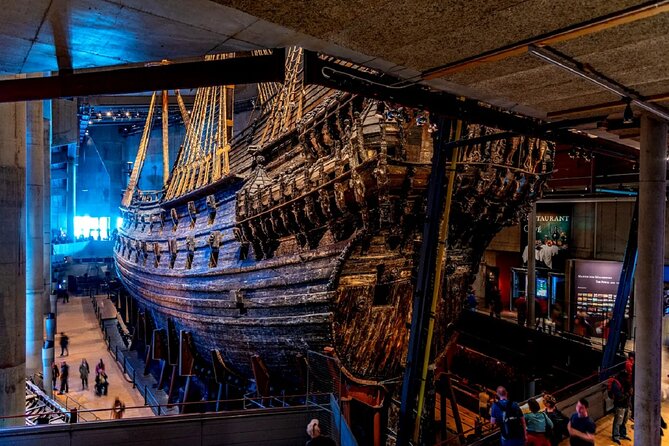
The price is $65.12 per person, and yes, that’s not pocket change. The question is whether it saves you time or improves your understanding enough to justify the cost.
Here’s the value case I see: you’re paying for (1) an admission ticket included and (2) a guided interpretation that helps you understand the engineering and salvage story. In other words, you’re not just buying entry—you’re buying context.
Skip-the-line matters because museum queues can eat up your energy and your schedule. You’re also looking at roughly 2 hours total, so you’re not committing to a half-day. If you’re on a tight Stockholm itinerary, that time efficiency is part of what you’re paying for.
A small caution: if you’re the type who enjoys reading every label slowly and prefers zero structure, you might feel you could get a similar experience for less by going independently. The tour still offers value through guidance, but your tolerance for guide talk may affect your satisfaction.
Group size and hearing the guide: what you’ll feel during the tour
This experience runs with a maximum of 96 travelers, but the practical feel is usually shaped by how the operator organizes groups. In feedback, the tour is described as intimate at times, with small groups around 10–15, which makes it easier to ask questions and actually hear the explanation.
Pay attention to one more thing: museum sound can be tricky, especially in echo-prone spaces. Good guides keep the group in a manageable cluster and make sure everyone can hear while moving you from one section to another at a sensible pace.
If you’re traveling with seniors or anyone who wants to stay engaged without craning or guessing, this tour has a track record of guides adjusting their pace and attention. That’s the sort of practical care that can turn a museum visit from frustrating to enjoyable.
Where this tour fits best (and who might pass)
I think this guided tour is strongest for people who want structure in a museum that has a lot going on. If you like learning how engineering decisions connect to real outcomes, you’ll probably find it satisfying.
It’s also a good fit if you want your day to stay simple: you get a set start time, a clear meeting point, and the tour ends back where it began. That’s helpful when you’re juggling public transportation and other sightseeing.
You might consider doing it on your own if you’re comfortable reading lots of signage and you don’t care much about guided interpretation. Also, if you’ve had experiences where you felt the guide simply repeated what the placards already say, you’ll want to go into this with the understanding that the quality can depend on the guide’s style.
Quick logistics you’ll want to know before you go
The tour is offered in English and uses a mobile ticket. It’s located near public transportation, so you’re unlikely to need a taxi just to get there.
Service animals are allowed, and most travelers can participate. That’s a nice setup for a museum visit because it keeps the day flexible.
And yes, your ticket is part of the deal: admission is included and the tour offers skip-the-line entry. That combination is what makes the experience feel efficient rather than “just another guided walk.”
Should you book the Vasa Museum guided tour?
If you want a focused two-hour museum experience with skip-the-line entry and a guide who helps you understand the ship’s design failure and the recovery mission, I’d book it. The strongest reason is not the ship by itself—it’s the guided context that helps the exhibits make sense.
I’d hesitate only if you’re expecting a lot of extra depth beyond what you can read on the walls, or if your museum style is totally self-directed. If you’re flexible and you’re ready to look closely, this tour is a high-value way to turn a famous wreck into a story you can actually remember.