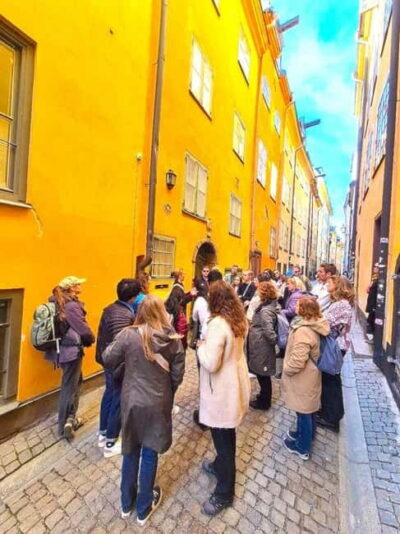
REVIEW · STOCKHOLM
Stockholm: Underground Metro Art Ride with a Local
Book on Viator →Operated by LocalBini - The go-to platform for Experiences by Locals in Europe · Bookable on Viator
Art appears where you least expect it. This 90-minute Stockholm metro art ride turns the underground into a gallery you can understand fast, with a local host guiding a small group (up to 8). I love how personalized it feels, because you can actually ask questions and get answers instead of just following a crowd.
Second, I like that the tour includes a subway ticket, so you’re not doing math on transit or hunting for the right train before you even see the art. Dan and Fayez are called out by name in feedback for a reason: the best guides make each station feel like a story with details you’d otherwise overlook.
One possible drawback: you see only a selection in 1.5 hours, and the route involves walking with steps. If knees are an issue, or if you have limited mobility, this isn’t the smoothest choice.
In This Review
- Key highlights worth your time
- Underground Metro Art in Stockholm, but With a Human Guide
- Price and value: what you’re paying for
- How the ride runs: starting point, timing, and walking reality
- Your station stops: what each theme is for
- Works by Ultvedt, Persson-Melin, and Österlin
- An underground garden by Ulrik Samuelson
- Siri Derkert’s art in the subway
- A homage to the Olympic Games
- The four elements surprise you
- Why small-group attention matters more than you think
- Practical tips so you actually enjoy it
- Who this tour suits (and who should reconsider)
- Should you book the Underground Metro Art Ride
- FAQ
- How many people are in the group?
- How long is the experience?
- Is a subway ticket included?
- What language is the tour offered in?
- Is the tour accessible for guests with impaired mobility?
- What is the cancellation policy?
Key highlights worth your time
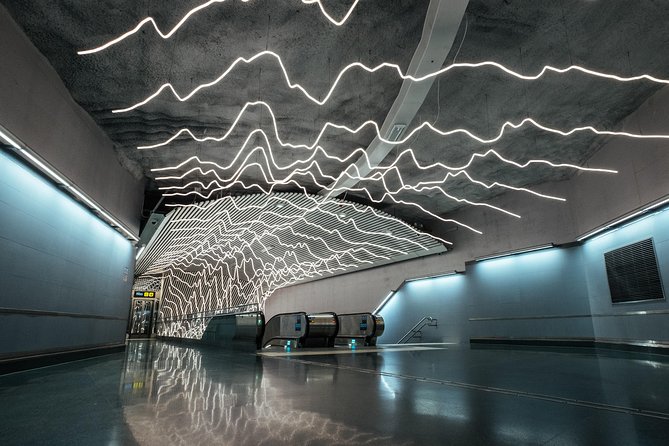
- Small-group size (max 8) means you get real attention at each stop
- Subway ticket included so you can focus on the art, not transit logistics
- Local guide context helps you read the symbolism behind works by Ultvedt, Persson-Melin, Österlin, Samuelson, and Derkert
- Station-by-station themes like an underground garden, Olympic Games homage, and the four elements
- Stops can adjust to your interests and walking pace, so the ride doesn’t feel like a rushed checklist
Underground Metro Art in Stockholm, but With a Human Guide
Stockholm’s subway isn’t just a way to get from A to B. On this tour, it becomes the main event—because someone on the ground shows you what to look for and why it was placed underground in the first place.
You’re also not stuck with the usual “stand here, look there, move on” feeling. This is hosted by an independent local, and the format stays small enough that the guide can shift pacing to match your group. That matters, because metro art is the kind of thing you appreciate more when you slow down for details instead of snapping photos and moving on.
You can also read our reviews of more tours and experiences in Stockholm.



Price and value: what you’re paying for
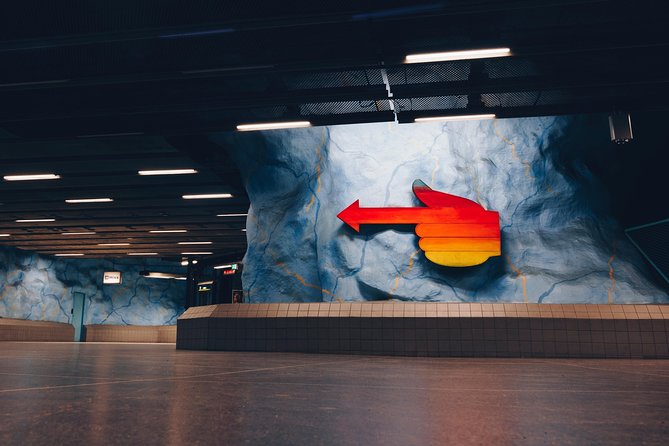
The price is $131.12 per person for about 1 hour 30 minutes, typically booked around 38 days in advance. That sounds pricey until you look at what you’re actually buying: guided access to multiple stations with a subway ticket included, plus interpretation that helps you connect the artworks to the space.
Here’s where the value can feel strong:
- You’re not paying extra for the metro ride during the tour (a subway ticket is included).
- You’re getting an English-hosted experience with a real person explaining what you’re seeing.
- You get a guided run through several distinct themes—artists and installations—so you’re compressing a lot of “what am I looking at?” into a short window.
Where it can feel weaker is if you end up with a guide who can’t answer your questions. Some feedback highlights that the guide experience can make or break the learning part of the tour. So if you care a lot about context, treat this as a chance to ask questions early—if something feels off, speak up quickly.
How the ride runs: starting point, timing, and walking reality
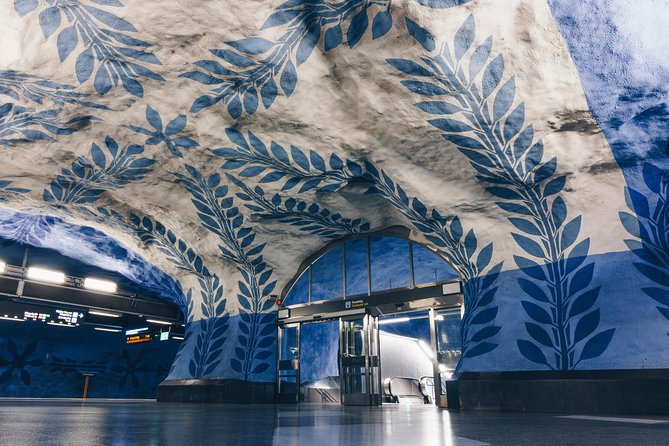
The tour starts at T-Centralen Stockholm (111 20) and ends at Tekniska högskolan (114 28). You’ll be near public transportation, and the meeting point is straightforward—good news when you’re arriving in a new city and just want to get moving.
Expect a small group of up to 8 travelers, with the route designed to fit within that 90-minute window. The pacing isn’t random. The stops are meant to give you variety—multiple artists, multiple themes—without turning into a half-day walking tour.
Do plan for feet-on-the-ground time. This is not marketed as a step-free experience, and it specifically says it’s not recommended for guests with impaired mobility. Even if you’re otherwise fine, you should still expect steps and some uneven effort. If your knees complain, bring a smart attitude—and consider whether you’ll enjoy climbing and descending repeatedly for art photos.
Your station stops: what each theme is for
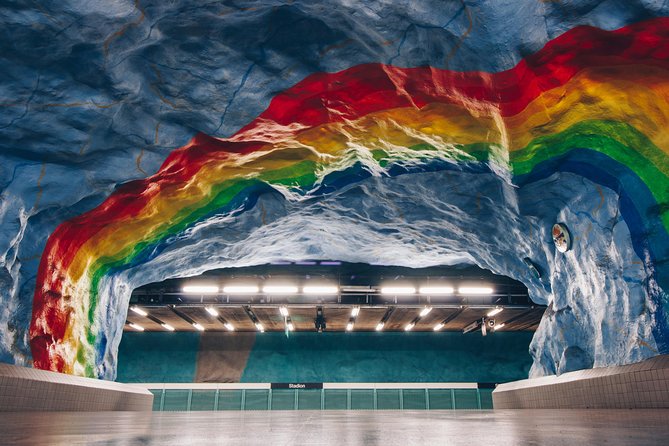
You’ll move through a series of station stops that focus on specific artists and concepts. The main purpose is to help you spot what makes each station’s art feel intentional, not decorative.
Works by Ultvedt, Persson-Melin, and Österlin
One stop focuses on works by Per Olof Ultvedt, Signe Persson-Melin, and Anders Österlin. The value of having these names attached to what you’re seeing is simple: without guidance, metro art can look like a background detail. With context, you can start noticing patterns—how the artist’s style interacts with station architecture and how the artwork guides your attention.
What I’d do as you arrive: slow down at the first moment you see the artwork. Let your guide’s explanation set the frame, then look again. This is how you avoid the “I saw it, but I didn’t really see it” feeling.
Possible drawback here: you’re still constrained by time. You’ll get the highlights, not an endless look.





An underground garden by Ulrik Samuelson
Another stop centers on an underground garden by Ulrik Samuelson. Underground gardens are the kind of concept that sounds straightforward until you’re standing there and realizing how the artwork reshapes the mood of a transit space.
This is where the tour can feel extra satisfying, because it changes what you expect from a subway ride. Instead of only thinking about getting somewhere, you start thinking about place: texture, light, and how art can make a functional space feel calmer.
Tip: if you’re the type who gets bored by “talking,” this is the stop where you’ll probably perk up the fastest, because a garden theme gives you something visual to anchor on.
Siri Derkert’s art in the subway
You’ll also discover art by Sweden’s famous artist Siri Derkert. When a tour includes a named artist like this, it’s usually because their work rewards paying attention to symbolism and composition. A local guide helps you connect what you’re looking at with the larger meaning, instead of treating it like a photo opportunity.
Why this works on a short tour: it gives you a quick “artist lens.” After a few stops, you start recognizing how different creators shape how people move and look around them.
A homage to the Olympic Games
Then comes an homage to the Olympic Games. A themed stop like this is useful because it turns art appreciation into a story. You can look for references and symbols linked to the Olympics, and you’ll likely understand the station’s artistic intent more quickly than if you were exploring solo.
This is also a good moment to test your attention span. If you’ve been skimming and speeding, this theme can pull you back into full focus.
The four elements surprise you
Finally, you’ll reach a stop themed around the four elements. Even if you know the phrase “four elements,” the fun part is seeing how the idea shows up in a subway setting. A guide helps you read those element-themed details, and it’s one of the stops that makes the whole tour feel cohesive.
In my view, this is the kind of ending that leaves you with a stronger mental map of what you saw. You walk away thinking, I get how this station’s art works, not just I saw a cool wall.
Why small-group attention matters more than you think
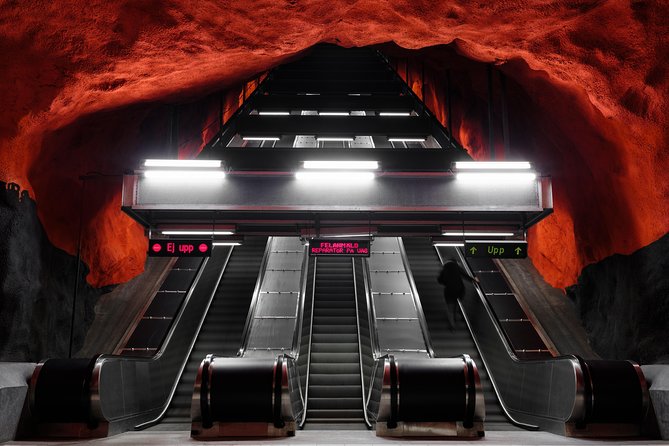
A group of up to 8 is big enough for energy, small enough for feedback. That translates into better pacing and more time at each artwork. It also makes the tour more interactive, especially if you’re a curious type who likes asking why something was placed there.
This is where guide quality shows up fast. Feedback includes standout performances by Dan and Fayez, with praise for their ability to explain what each station represents and point out details people often miss. That’s exactly what you want: not only seeing art, but learning how to look.
At the same time, there are also negative notes in the mix about guides not matching expectations. So here’s my practical advice: if you’re unsure at the start, ask a question early. If the guide can’t engage with it, you’ll know quickly whether the tour is going to click for you.
Practical tips so you actually enjoy it
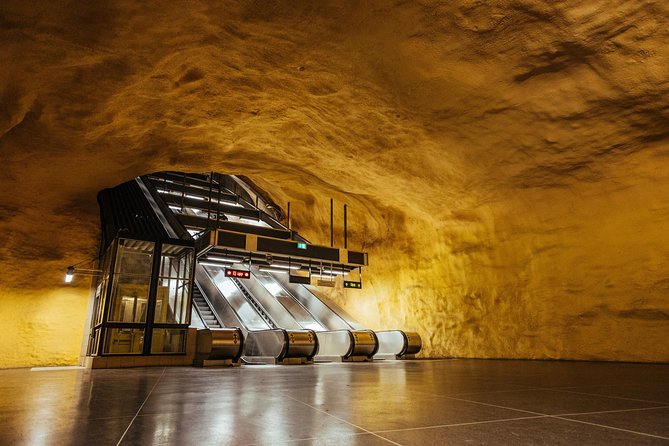
Here’s how to get the best experience out of a short 90 minutes:
- Bring a phone camera, but use it like a tool, not a distraction. Spend your first minute looking in person, then take photos once you understand what matters.
- Wear shoes you don’t mind walking in. You’ll cover multiple stops and deal with steps.
- If you care about art context, ask something specific early, like what the theme is meant to communicate. It helps the guide tailor explanations to your interests.
- Since stops can vary based on weather and the route can adapt to your walking pace, keep expectations flexible. This is more “guided experience” than “strict script.”
Who this tour suits (and who should reconsider)
This works best if you:
- Like art and want help noticing details quickly
- Want a local perspective without spending hours roaming on your own
- Enjoy short, structured experiences that still leave you time to keep exploring after
It’s less ideal if you:
- Have impaired mobility or need step-free routes
- Need a slow, fully accessible experience
- Want a deep, museum-style explanation for every single artwork (this is a highlight ride)
Should you book the Underground Metro Art Ride
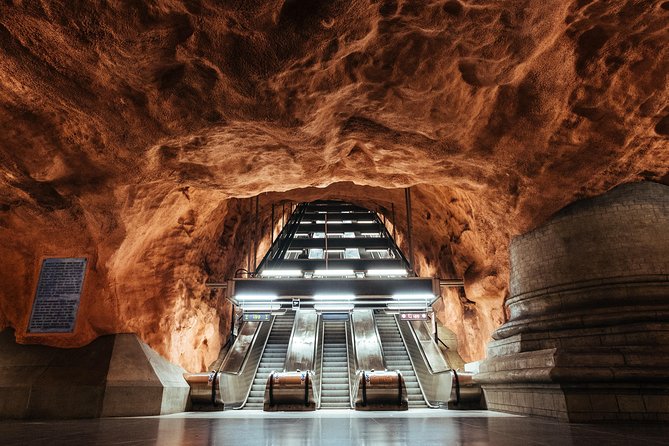
If you want an efficient, guided way to understand Stockholm’s metro art and you’re comfortable with a bit of walking and steps, I think this is a smart booking. The included subway ticket and small group size make the value feel more fair, especially for first-timers who don’t yet know how to read station art.
If accessibility is a concern or you’re hoping for a long, sit-down deep dive, you’ll likely feel rushed. But if your goal is to see the art, get the stories, and build confidence using the metro right away, this is a strong choice.
FAQ
How many people are in the group?
The tour is limited to a maximum of 8 travelers, so you get more attention than on large group city tours.
How long is the experience?
It runs for about 1 hour 30 minutes.
Is a subway ticket included?
Yes. Subway tickets are included as part of the experience.
What language is the tour offered in?
The tour is offered in English.
Is the tour accessible for guests with impaired mobility?
It is not recommended for guests with impaired mobility.
What is the cancellation policy?
You can cancel for a full refund up to 24 hours in advance of the experience start time.