REVIEW · STOCKHOLM
Stockholm: Nature Hike with Campfire Lunch
Book on GetYourGuide →Operated by True Nature Sweden · Bookable on GetYourGuide
One great way to beat Stockholm cold is outside it. This small-group hike takes you into a Swedish nature reserve where you learn what grows, what lives there, and how people have lived with the forest for ages. I like the combo of hands-on campfire time and real trail learning instead of a rush-through walk.
You start with a short drive from the city, then head into snow-covered woods where your guide helps you spot plants and animals and understand the scenery around you. There’s also a practical rhythm to the day: a warmer lunch stop, then a return hike in the fading winter light with torches. One drawback to plan for is that winter ground can be slippery, and the meeting point is outside the center—so punctuality matters.
In This Review
- Key things to know before you go
- Leaving Stockholm for a Winter Forest Lesson
- Getting There: A 15-Minute Drive That Changes the Mood
- The Walk In: Avoid the Paths and Read the Woods
- A Noon Reset: Building the Fire and Cooking Lunch
- Winter Timing: Torches for the Last Part of the Hike
- Afternoon Animal Spotting: Why This Schedule Works
- Pace, Slippery Spots, and What to Wear
- Your Guide: What English Nature Teaching Feels Like
- Transportation and Group Size: Why Max 8 Matters
- Price and Value: Is $149 Fair for 7 Hours?
- Who This Tour Is Best For (and Who Should Rethink)
- Should You Book the Campfire Lunch Nature Hike?
- FAQ
- What’s the duration of the tour?
- Where does the tour take place?
- How many people are in the group?
- Is the tour guided, and what language is used?
- What’s included in the lunch and drinks?
- Do I need to bring hiking shoes or winter boots?
- Will we walk on a frozen lake?
- Can I get a refund if my plans change?
Key things to know before you go
- Campfire lunch in the snow: you cook a warming meal over an open fire and get coffee or tea hot from the flames
- Small group, max 8: more chances to ask questions and keep pace with the group
- English guide-led nature talk: Swedish plants, Scandinavian animals, and local nature and culture themes
- Winter timing means torches: expect the sun to set during the later stretch of the hike
- Frozen lake option: you may walk on a frozen lake on the way out if conditions allow
Leaving Stockholm for a Winter Forest Lesson
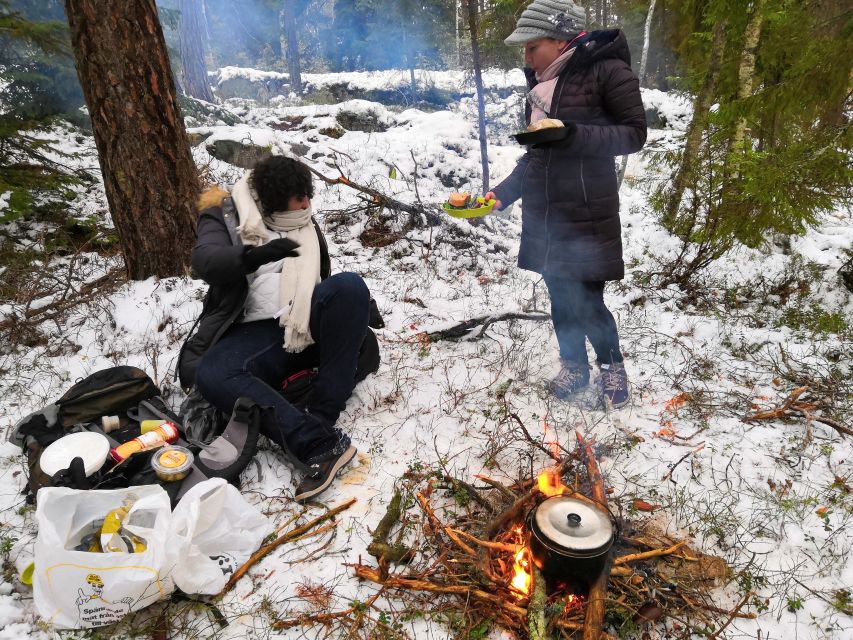
This tour works because it flips your day from city sightseeing to something more grounded: moving through a cold, quiet ecosystem with a guide who explains what you’re seeing. You’re not just taking photos in the woods—you’re learning how to look at the forest like a local.
The day is built around three “learning zones.” First is the walk-in, where your guide points out plants and wildlife signs and talks about natural scenery and even culture and history tied to how Swedes relate to the outdoors. Second is the noon break, where warmth and food make the lesson stick. Third is the return hike, when winter light changes fast and animals are often easier to spot.
You can also read our reviews of more tours and experiences in Stockholm

Getting There: A 15-Minute Drive That Changes the Mood
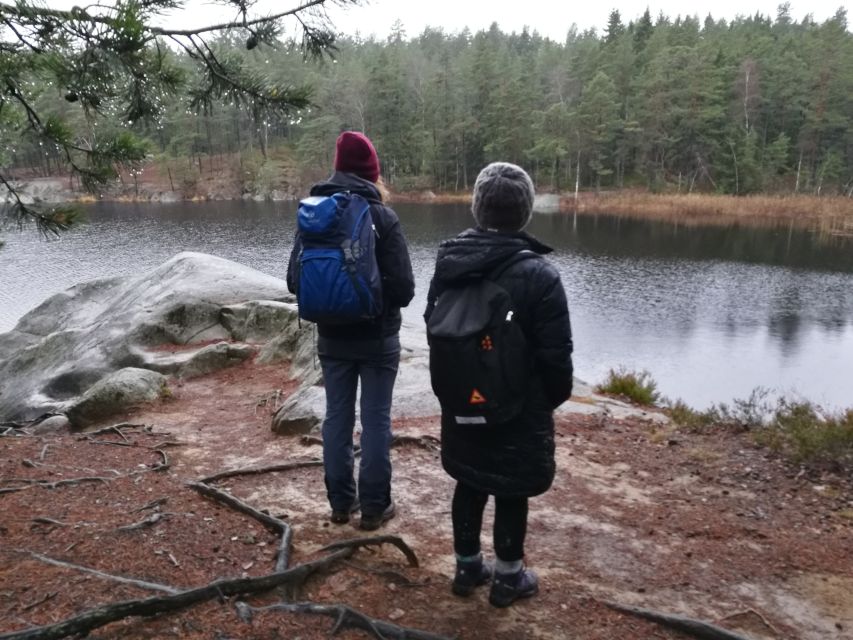
You’ll make your own way to the meeting point, then take a short 15-minute drive to a nature reserve outside the city. That short jump matters. You go from Stockholm’s streets to dense forest quickly enough that you feel the change in air, sound, and visibility right away.
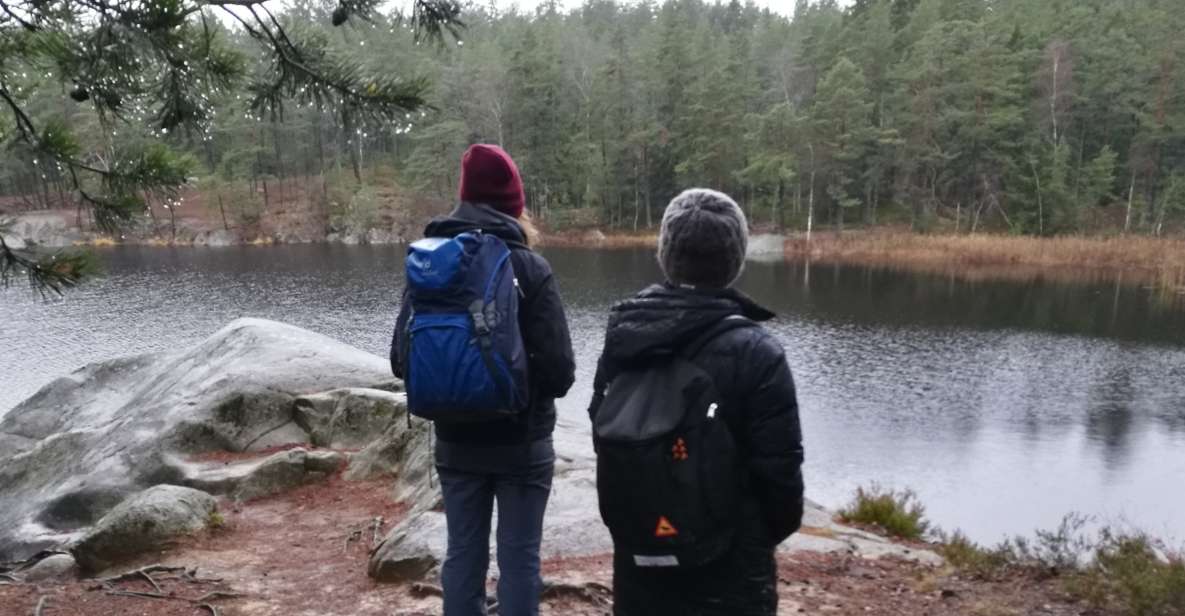
Once you arrive, you’re set up for winter walking from the first step. You’ll put on a wool hat and start your adventure into the snow-covered area. This is the moment when you’ll want to have your layers sorted—because once you’re hiking, stopping to fix clothing is not fun in cold air.
The Walk In: Avoid the Paths and Read the Woods
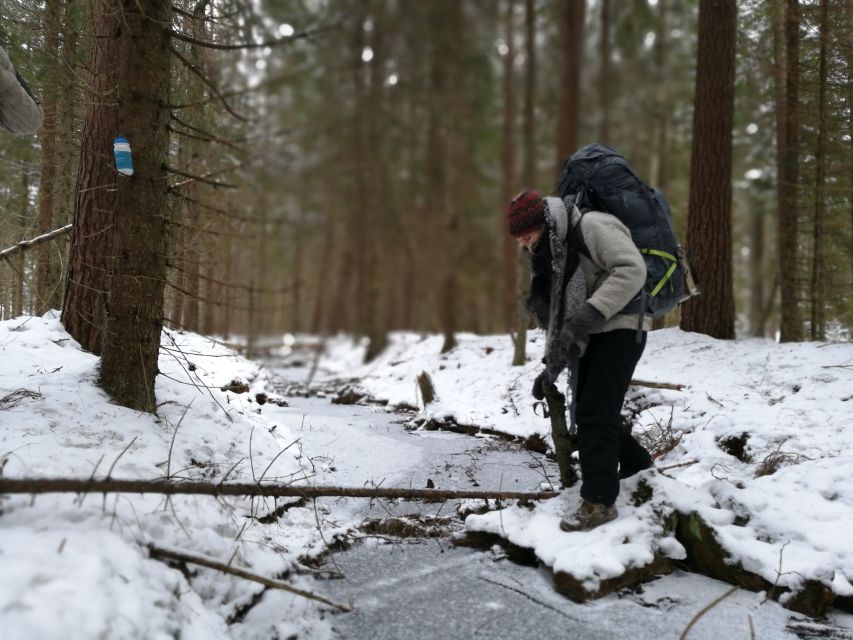
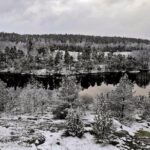
After you start, the guide steers you toward the deeper feel of the forest. You’ll be encouraged to avoid the paths as much as possible so you get a sense of the forest’s depth and its smaller, off-the-main-trail details.
This part is where the tour becomes more than scenery. Your guide teaches you about Swedish plants and Scandinavian animals—plus how to notice the signs that animals leave behind. Even when you don’t see wildlife clearly, you’ll learn to look for tracks, movement patterns, and the way certain plants grow where they do.
Winter also changes what you can notice. Snow turns the ground into a kind of record. Footprints and animal paths become easier to spot, and your attention sharpens because you’re walking more carefully than in summer.
A Noon Reset: Building the Fire and Cooking Lunch
Around noon, you stop for warmth. This is the core break that turns a winter hike into a full experience rather than just exercise.
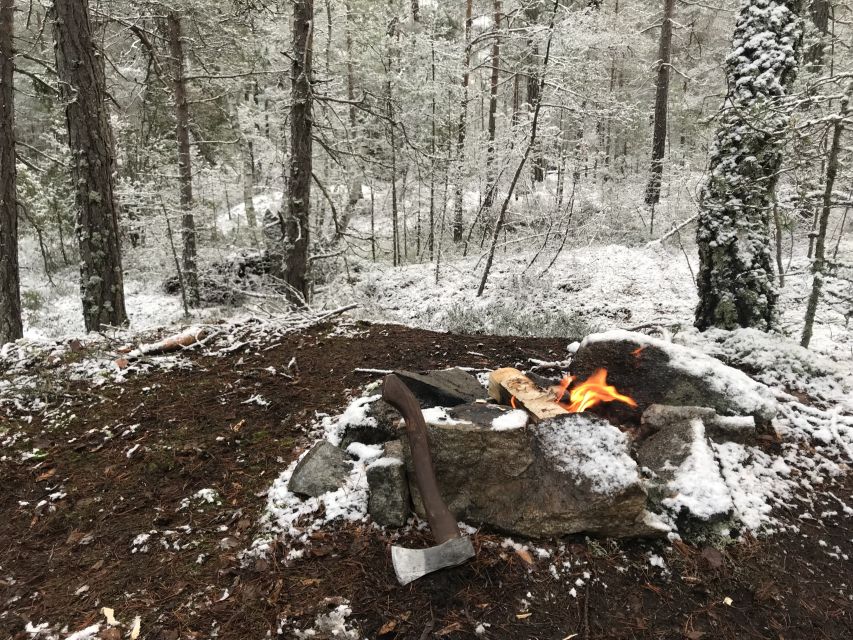
You’ll build a fire, then cook lunch over the open flames. Alongside the meal, you get a hot cup of coffee or tea also prepared with fire. That matters because it’s not only about calories. It’s about heat, timing, and the mental reset you get when your body stops fighting the cold for a while.
And yes, there’s Swedish fika in the mix—coffee or tea with snacks. If you’ve never done fika before, think of it as a break that feels cultural, not touristy. In winter woods, it’s extra satisfying.
Winter Timing: Torches for the Last Part of the Hike
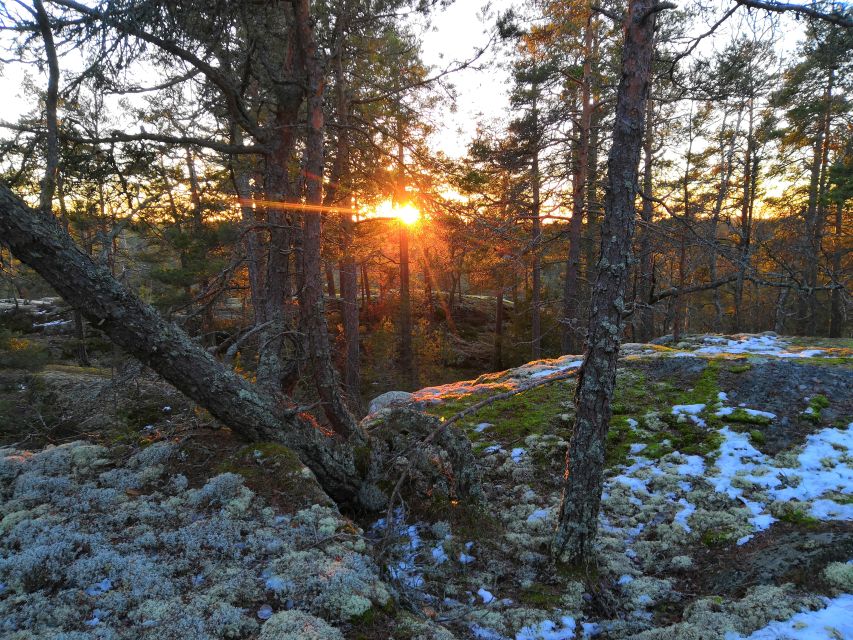
In Swedish winter, daylight shrinks fast. The experience is paced so that you’re hiking during the hours when the sun sets earlier than you expect, and torches are needed for the final stretch.
This detail is more important than it sounds. If you’re used to walking outdoors in bright daylight, your eyes need a minute to adjust when shadows lengthen and surfaces go dark. Torches help you keep footing and keep the mood safe and calm instead of frantic.
You’ll also notice how your guide keeps the group moving. A small group helps here: fewer people means it’s easier to manage pace and spacing on snowy or uneven ground.
You can also read our reviews of more hiking tours in Stockholm
Afternoon Animal Spotting: Why This Schedule Works
The afternoon is usually your best window for seeing animals. That lines up with how many animals behave in cold weather—they often become more active or visible during certain times of day, especially when people aren’t flooding the reserve.
So the schedule isn’t random. You hike, you learn, you warm up at noon, then you return during the later hours when your chances improve. When you’re moving through the reserve, you’re also getting better at noticing what counts as wildlife evidence, not just random movement in the trees.
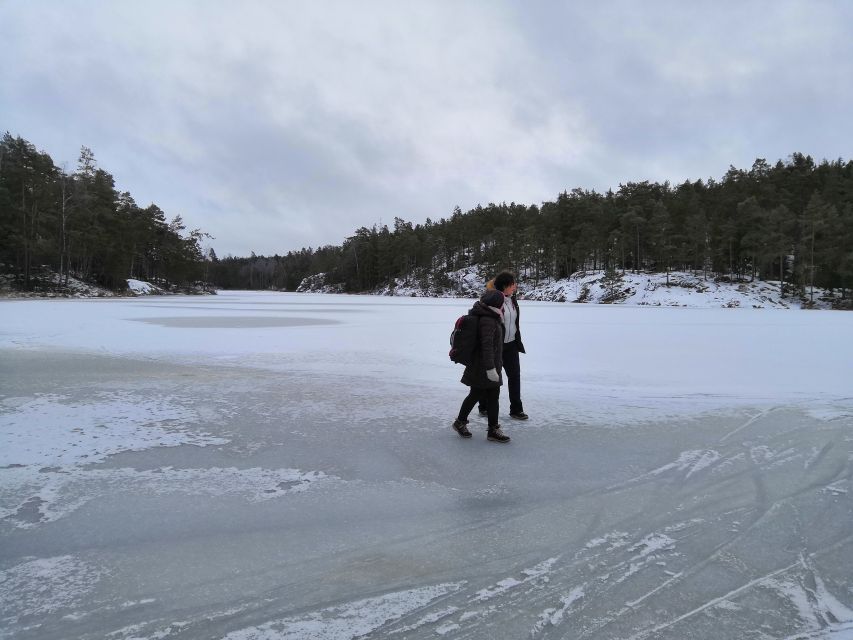
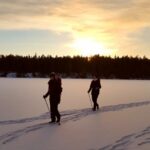
On the way out, if temperatures allow, you may walk on one of the frozen lakes. That adds a dramatic element to the route. Wide flat ice also changes how sound carries and how you read the environment—so it can feel like stepping into another world for a short stretch.
Pace, Slippery Spots, and What to Wear
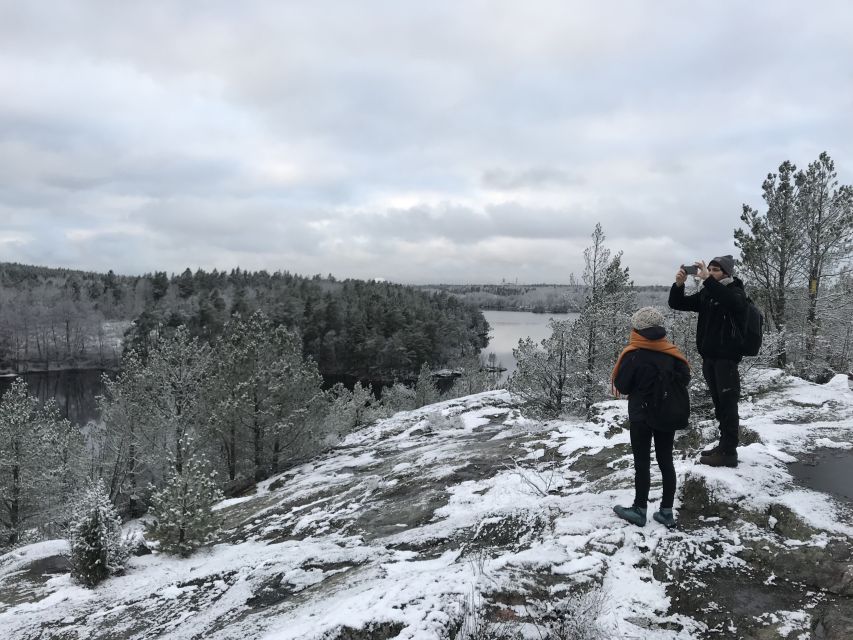
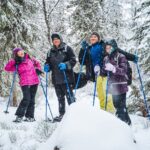
A winter hike like this needs the right kit, and this tour is clear about that. Bring warm clothing, a jacket, socks, and waterproof shoes (not just “warm boots”). Daypack and rain gear can also be smart, because weather shifts quickly outside the city.
The hiking shoes/boots matter because you’ll likely hit slippery areas. One recent experience described the hike as brisk with slippery ground where you need careful steps. That’s exactly what you should assume. This isn’t a stroll with endless photo stops. It’s an active winter walk that balances movement with guided pauses.
If you’re prone to cold feet, treat socks as a priority, not an afterthought. And if you’re the type who forgets gloves, fix that habit before you go. You’ll be outdoors long enough for small discomforts to become big problems.
Your Guide: What English Nature Teaching Feels Like
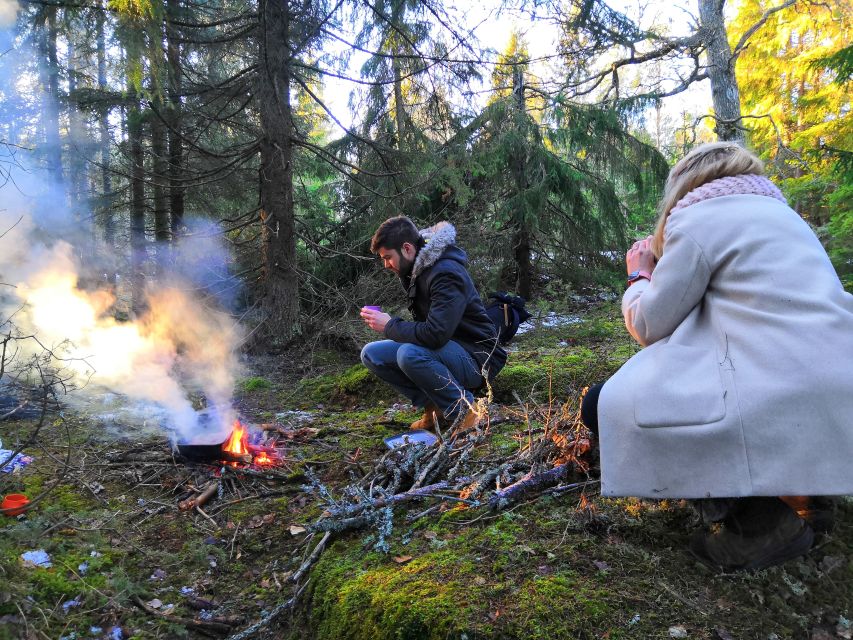
The tour runs with a live English guide, and the teaching style is part of the value. You’re not stuck listening to a lecture while you stand still. The information is tied to what you see right then—plants, wildlife clues, and natural scenery around you.
In at least one instance, the guide was Lukas, and he’s described as friendly, fun, and good at balancing information so it helps without overwhelming. That’s a sweet spot for most people: you leave knowing more, but you don’t feel like you attended a class.
If you have dietary needs, ask ahead. One account notes the group was catered for on a vegan diet. Since dietary handling isn’t always guaranteed in the way every meal is constructed, it’s worth confirming what’s possible for lunch and fika with the operator before you arrive.
Transportation and Group Size: Why Max 8 Matters
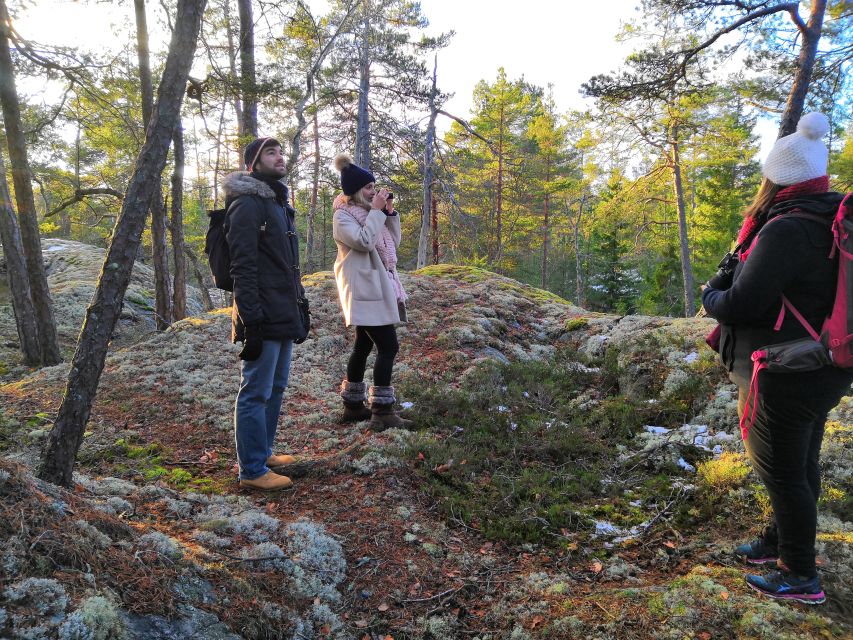
You’re limited to 8 participants, which is a big deal on winter trails. Fewer people means your guide can keep an eye on everyone’s footing, adjust the pace, and answer questions without turning the group into a traffic jam.
It also affects the feel. With a smaller group, the hike becomes more conversational. You’ll likely get time to ask about the plants you saw five minutes earlier rather than hearing a general talk that never lands.
Also included is transportation to and from Stockholm. That’s one of the less glamorous but most practical pieces of value. In winter, when public transit can feel like a chore, having the transport built in makes the day smoother.
Price and Value: Is $149 Fair for 7 Hours?
At $149 per person for a 7-hour experience, you’re paying for more than walking in a forest. You’re paying for guide time, transport, lunch cooked over a campfire, and fika.
Here’s the way I think about value for this kind of tour:
- You’re not sourcing a meal and hot drinks yourself. Campfire cooking plus coffee or tea is real work for the staff and real comfort for you.
- You’re not driving out, finding the right reserve, and figuring out winter timing. The short transfer and guided plan save you both effort and risk.
- You’re getting a small-group experience where questions are answered on the move.
That said, price is personal. One account found the price didn’t match their expectations. If you’re only looking for a light walk and a simple outdoor lunch, you might feel underwhelmed. If you want the guide-led nature learning plus the full winter camp vibe, it’s easier to justify.
Who This Tour Is Best For (and Who Should Rethink)
This hike fits best if you want a winter day that combines movement, local nature learning, and genuine warmth. It’s also a good option if you’re traveling solo or with friends and you’d rather be guided through a reserve than pick your own route in unfamiliar winter terrain.
It’s also a strong match if you care about small-group dynamics. Max 8 keeps the day friendly and manageable.
Consider rethinking if you’re very sensitive to cold or slippery footing. The hike can be brisk, and winter traction is a real factor. Also note that the meeting point is outside the city center, so you need to plan arrival carefully so you don’t arrive late.
Should You Book the Campfire Lunch Nature Hike?
If your ideal day is forest air, winter learning, and a real hot meal cooked on fire, you’ll likely enjoy this. The structure is smart: you hike out, warm up at noon, then finish while winter light is fading—plus you may get the frozen lake moment if conditions allow.
Book it if you:
- want a small-group winter experience near Stockholm
- like nature explanations tied to what you’re seeing
- are prepared with proper winter clothing and footwear
Think twice if:
- you dislike hikes that feel brisk
- you’re uncomfortable with snow and ice conditions
- you’re hoping for a flexible start if you’re running late
FAQ
What’s the duration of the tour?
The tour lasts 7 hours.
Where does the tour take place?
It operates in Stockholm County, Sweden, in a nature reserve outside Stockholm.
How many people are in the group?
The group is limited to 8 participants.
Is the tour guided, and what language is used?
Yes, it’s a live guide in English.
What’s included in the lunch and drinks?
Lunch is cooked on a campfire, and you also get hot coffee or tea. There’s also Swedish fika (coffee or tea with snacks).
Do I need to bring hiking shoes or winter boots?
Yes. Waterproof shoes and proper socks are recommended, along with warm clothing and jacket.
Will we walk on a frozen lake?
If temperatures allow, you may walk on a frozen lake on the way out of the nature reserve.
Can I get a refund if my plans change?
Yes. Free cancellation is available up to 24 hours in advance for a full refund.
If you tell me your travel month and your hiking comfort level in snow, I can help you judge whether this pace and winter setup sounds like a good match.