Private walking beats tour buses in Stockholm. This local-led experience lets you set the pace and choose the vibe, from quiet parks to older streets with stories baked in. I love the private-by-default format, meaning it’s just you and your party. The route is also flexible, so the day can shift toward your interests instead of marching you through a checklist.
What I really like is the pre-walk questionnaire and direct chat with your host. You share what you care about—Nordic design, street food, art, or off-the-beaten-path history—and your walk gets shaped around that. In practice, that turns a basic city walk into a route that feels made-for-you, with stops chosen to match your curiosity.
One consideration: it’s a walking tour, usually 2 to 8 hours. If you’re not into lots of pavement (and some hills and cobblestones), you’ll want to plan your energy—and keep some cash or card for the occasional public transport hop if your route needs it.
In This Review
- Key highlights that matter
- Why this private Stockholm walk feels different
- Starting points: NK Korv & Glass and hotel meet-ups
- How the route flexes: from Djurgården to Gamla Stan
- Djurgården: the royal-island pace
- Museums: exterior stops or full museum time
- Gamla Stan: older lanes, courtyards, and quiet corners
- Parks, water edges, and everyday Stockholm moments
- Market and street-food style stops (when your interests match)
- Museums as add-ons: Vasa and ABBA options
- Walking logistics: how to judge 2 to 8 hours
- Communication and guide style that keeps it fun
- Price and value: $87.76 per person
- Who should book this tour
- Final verdict: should you book?
- FAQ
- FAQ
- How long is the private Stockholm walking tour?
- Is it really private, or do I join other people?
- What does the tour cost?
- Where does the tour start and how do I meet my guide?
- Is it a walking tour only?
- What’s included in the price?
- What’s not included?
- Is the tour offered in English?
Key highlights that matter
- Questionnaire-led itinerary so your host builds the walk around your interests before you even meet.
- Just you and your party with a guide who can adjust on the fly when you’ve already seen something.
- Hotel pickup on foot (and a central meeting option), so you’re not wasting time hunting for a start point.
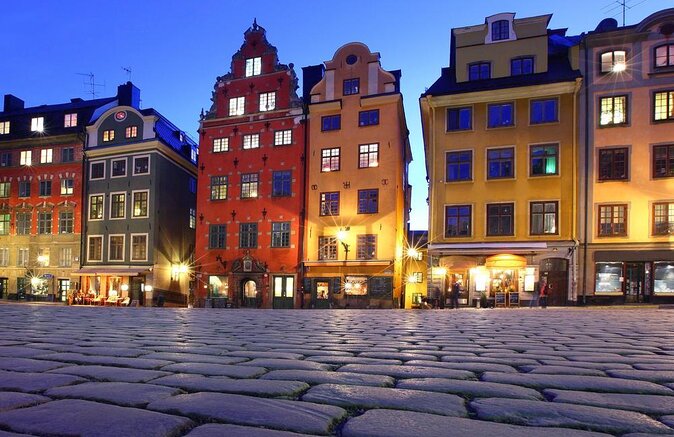
- Stockholm-area variety from Djurgården’s greenery to Gamla Stan’s older lanes and courtyards.
- Local pacing for real life like parks where people skate and picnic, plus market-style food and craft stops.
- Museums and big sights as add-ons when your route calls for them, including options like ABBA Museum and Vasa Museum.
Why this private Stockholm walk feels different
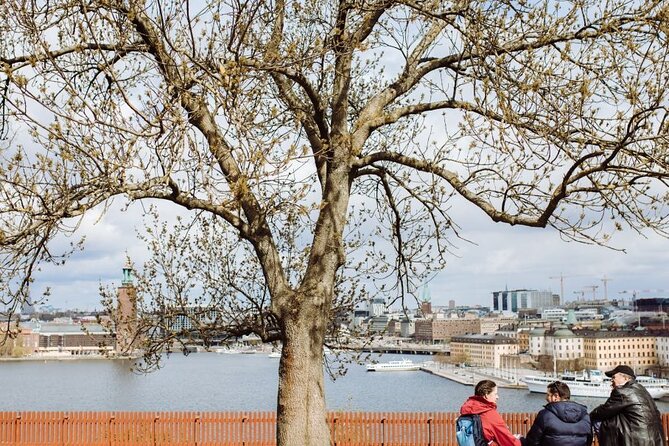
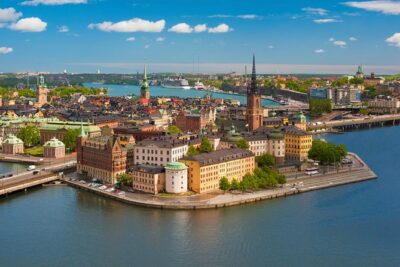
Stockholm is a city that rewards curiosity. The streets change mood fast: one minute you’re in older stone lanes, the next you’re by water with locals relaxing nearby. This tour works because it doesn’t force one script. Your guide sets the tone, then steers the day toward what you actually want to learn and see.
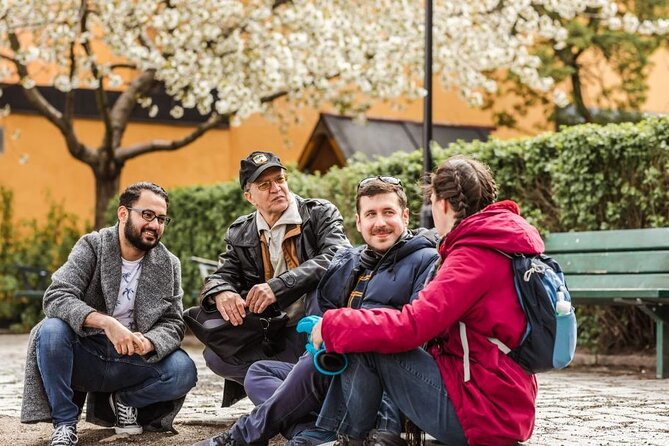
I like the private format because you can ask small questions in real time. Wondering how a neighborhood works day-to-day? Want a quick explanation before you turn a corner? You get that. Guides such as Fayez, Stefan, Zenid, Sari, Monika, Magnus, Eddine, Pelle, and Sara show up with a style that fits conversation, not speeches—plus there’s plenty of humor in the delivery.
The customization also changes what “highlights” means. On a fixed group tour, highlights are usually the same for everyone. Here, highlights can be quieter courtyards, better photo angles, or the kind of museum that matches your taste that day—photography, modern design, or something more classic.
You can also read our reviews of more private tours in Stockholm



Starting points: NK Korv & Glass and hotel meet-ups
You’ll start at a clear anchor point: NK Korv & Glass, Hamngatan 18–20 (right in central Stockholm). The experience also offers a hotel-meet option, where your host meets you at your selected hotel and the tour begins on foot.
If your hotel isn’t listed, you can switch to a central landmark meeting point. Either way, you avoid the classic Stockholm problem: not just getting lost, but getting lost without a plan. And because the tour ends back near where you started, you’re not scrambling to get yourself home after a long walk.
Practical note: this isn’t a “private car” tour. There’s no private vehicle included. For longer distances, your host may suggest public transport, and any transport costs can be handled directly on the day.
How the route flexes: from Djurgården to Gamla Stan
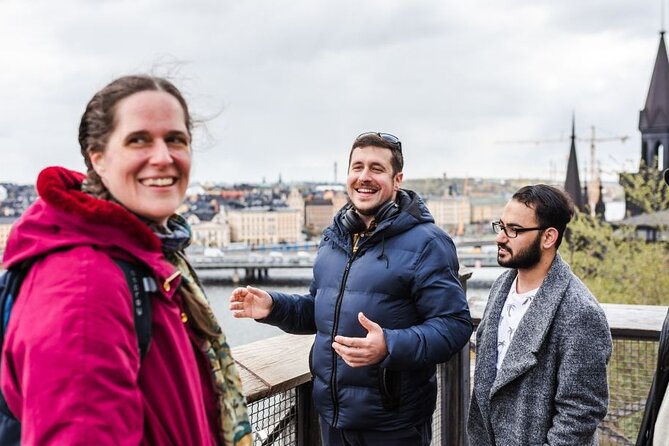
This walk is built to breathe. Before you go, you answer a questionnaire about what you want—then your host crafts an itinerary that can shift as you go. One day might lean into design and modern culture. Another day might focus on older Stockholm streets, courtyards, and the feel of different neighborhoods.
Here are the kinds of places your host might aim for, depending on your interests:
Djurgården: the royal-island pace
Djurgården is a common starting point when your goal is calmer scenery. It’s a place where you can mix culture and nature without feeling like you’re sprinting. Expect tree-lined paths, canal and water views, and the possibility to stop near museums.
If you like the idea of stepping away from crowds without leaving the city, this is one of the best zones to aim for. It also works well when you want photos that don’t look like tourist postcards—more locals-in-motion, more quiet walking lanes.
Museums: exterior stops or full museum time
Museums can show up two ways: a quick exterior view with context, or a longer look inside if that’s your priority. Your host can suggest alternatives if you’d rather focus on a specific type of museum like art, photography, or modern design.
In real life, this matters because museum time can eat a big chunk of your schedule. With a flexible guide, you can make that trade-off intentionally rather than by accident.


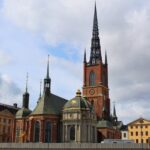

Gamla Stan: older lanes, courtyards, and quiet corners
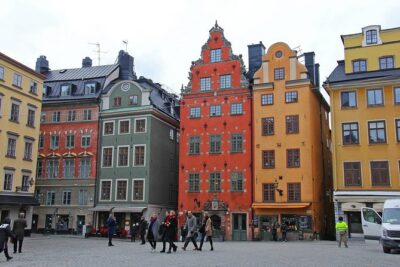
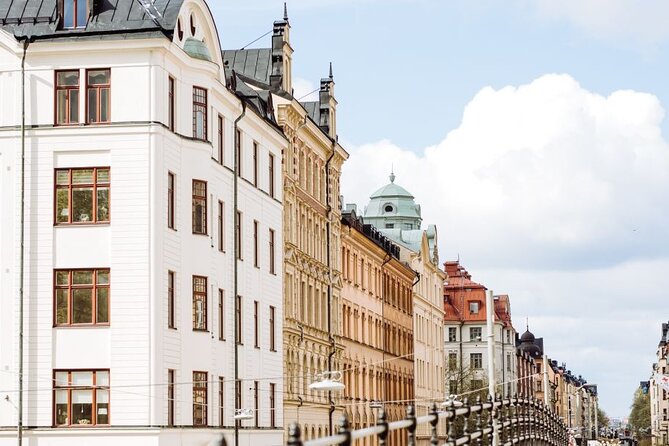
Gamla Stan (Stockholm’s old town) is often crowded, but the tour’s value is finding the quieter angles. You might wander cobblestone alleys, spot traditional Swedish façades, and get directed toward tucked-away courtyards.
What you gain here is context. Instead of just seeing buildings, you learn what to look for: the logic of street layouts, the small clues in architecture, and the kind of history that explains why the area feels the way it does. On a short route, this can be the fastest way to understand Stockholm’s “bones.”
A nice touch from real guide styles: Pelle and others have built in time for fika along the way—one of those small, Swedish-feeling breaks that helps the day stay fun, not like an exam.
Parks, water edges, and everyday Stockholm moments
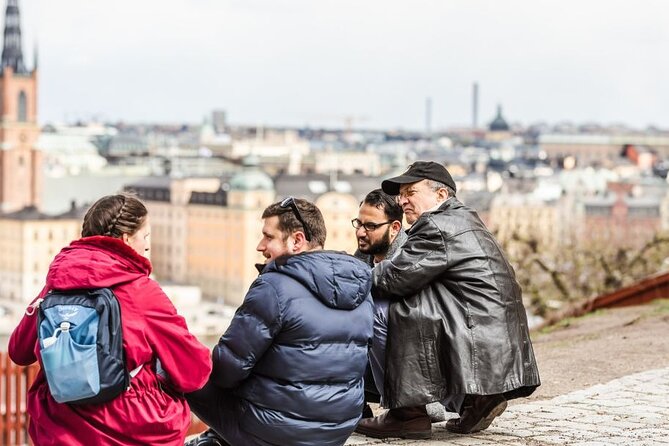
Stockholm isn’t only about museums. Some of the most “local” moments come from the spaces between attractions: parks by the water, lawns where people pause, and paths that look made for strolling.
A park-and-water walk can include spots where locals skate or picnic, then shift into slower, scenic segments along the shoreline. The payoff is mental. You stop moving long enough to actually see the city—ships on the water, bridges in the distance, and that gentle rhythm Stockholm does so well.
Why this matters: after a day of checklists, parks are where you feel the city breathe. If you’re the type who likes street-level life more than landmarks, you’ll probably love this segment.
Market and street-food style stops (when your interests match)
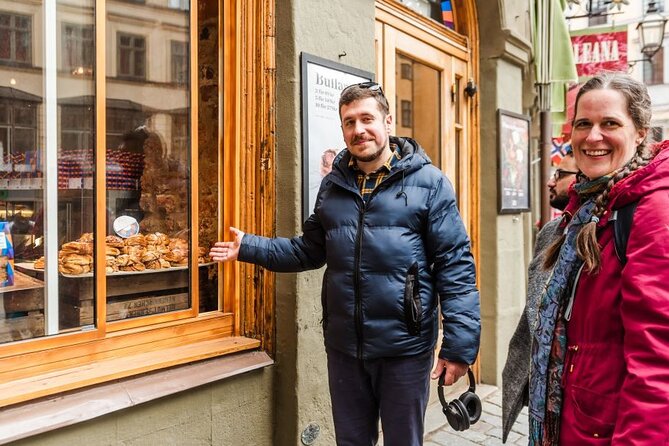
If you tell your host you’re into food culture, crafts, or shopping with purpose, you might get woven into a weekend street market vibe. Think food trucks, handmade goods, and secondhand treasures like vintage items or art prints.
This kind of stop is great because it doesn’t require tickets. You just walk, graze, and pick up what fits your tastes. Your guide may also help you decide what to try—or show you where locals tend to linger rather than where you feel herded.
One thing to keep in mind: markets are time-sensitive. Your route will depend on the day you book and what’s happening. The good news is that customization keeps this from feeling random.
Museums as add-ons: Vasa and ABBA options
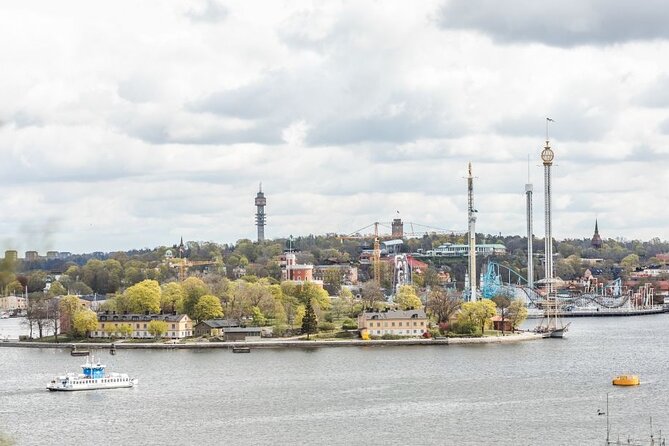
On longer walks (closer to the 4–8 hour end), routes can connect old town with big-name museums. Two that come up frequently are the Vasa Museum and the ABBA Museum.
Here’s the useful part for your planning: you’re not locked into “see everything.” If you’re more into storytelling and design than crowds, your host can steer you toward the museum that matches your style that day. If your day includes Vasa, you’ll likely appreciate it as a destination rather than a rushed stop.
One bonus detail that can make the whole experience feel more local: getting to museums by ferry rather than tram can turn the trip into part of the scenery. That also gives you a break from walking without losing time.
Walking logistics: how to judge 2 to 8 hours
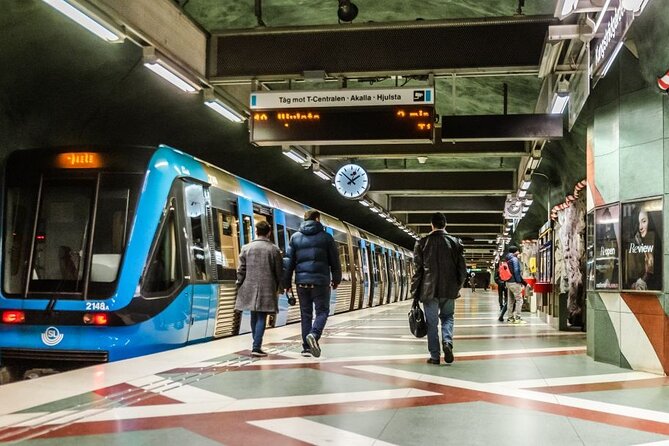
The duration range is wide—2 to 8 hours—so how you choose matters. A 2-hour route is ideal when you want orientation: the layout of neighborhoods, a sense of where things are, and a handful of stories that make later self-guided exploring easier.
A 4-hour walk often hits a better sweet spot: you can cover multiple neighborhoods and still have enough time for a fika or small detour into shops. One review style that pops up is guides adjusting the plan when you’ve already seen a place—so you’re not “paying twice” for the same thing.
For 6–8 hours, expect a more ambitious day: more ground, more stops, and likely museum time or water/transport segments. Since it’s always primarily walking, plan comfortable shoes. If you have any mobility constraints, set clear expectations during the questionnaire so your host can shape a route that works.
Communication and guide style that keeps it fun
Your guide is your main advantage here. The guides I saw highlighted by name come across as storytellers who know how to pace the information. Stefan is repeatedly described as a master storyteller, and Zenid’s style is credited with sharing facts in the right-sized chunks.
You’ll also notice a pattern: guides don’t just recite. They adapt. Fayez adjusted a program when a traveler had already visited certain places. Eddine shifted the plan to include food market moments. Sara and Shawn are mentioned for being attentive to the group’s needs, even when someone wanted to pause for coffee or shop.
If you like learning facts but hate information overload, this tour style is usually a good match.
Price and value: $87.76 per person
At $87.76 per person, this is not a “cheap group bus” option. But you’re paying for something that matters in Stockholm: private attention plus itinerary tailoring plus the local guide as a translator of city clues.
The value gets stronger when:
- you only have a short time in town and want the best orientation fast
- you care about a specific topic (design, history themes, photography, markets)
- you want flexibility—less time stuck, more time doing what you like
- you’re traveling as a family or a small group and want everyone engaged
The trade-off is that this isn’t a high-speed hop-on/hop-off plan. You’re walking, so your comfort level matters. If you’d rather minimize walking or you’re visiting with limited mobility, you may prefer a mix of walking and a private vehicle option (not included here).
Who should book this tour
Book it if you want:
- a private way to learn Stockholm’s layout fast
- a guide who can steer toward your interests
- time for small stops like cafés and markets
- the chance to mix quiet parks with older streets
It also fits solo travelers well. A solo walk often turns into a conversation, and the guide can adjust pace and focus instantly.
It may feel like too much if:
- you strongly dislike walking for hours
- you want ticket-heavy museum marathons with no planning flexibility
Final verdict: should you book?
I’d book this tour if you want a Stockholm introduction that feels personal rather than packaged. The big win is the questionnaire-driven planning and the guide’s ability to adjust—plus the route can range from Djurgården calm to Gamla Stan’s quieter corners, with parks, water, markets, and museums as the matching extras.
If you have limited energy, choose the shorter duration (closer to 2 hours) and use it for orientation and story-based direction. Then let the guide’s recommendations help you explore on your own afterward.
FAQ
FAQ
How long is the private Stockholm walking tour?
The duration is listed as 2 to 8 hours, with flexible start times you choose when booking.
Is it really private, or do I join other people?
It’s private—only your group participates.
What does the tour cost?
The price is $87.76 per person.
Where does the tour start and how do I meet my guide?
A main start point is NK Korv & Glass at Hamngatan 18–20, 111 47 Stockholm. Pickup is offered as a meet-at-your-hotel option, and you can also choose a central landmark option if your hotel isn’t listed.
Is it a walking tour only?
Yes. It’s primarily a walking experience, and no private vehicle is included. For longer distances, your host may suggest public transport and you can settle any transport costs on the day.
What’s included in the price?
Included items are a private and personalized walking experience with insider tips from your local host, flexible durations and start times, a pre-tour questionnaire, and direct communication with your host to plan your itinerary.
What’s not included?
Food, drinks, and attraction tickets are not included. Transportation is also not included, and gratuities are optional.
Is the tour offered in English?
Yes, it’s offered in English.