REVIEW · STOCKHOLM
Scandinavian Art, Architecture and Design Tour in Stockholm
Book on Viator →Operated by XperienceSthlm · Bookable on Viator
Stockholm’s design scene starts on the sidewalk. This 3-hour walk connects the city’s architecture and everyday objects, from posh Östermalm streets to food-hall culture and museum-island views. You’ll get a clear story for how Swedish style, materials, and color ideas show up in real buildings you can actually see.
I like that the pace gives you more than photos. You’re not just looking at facades—you’re guided through design streets like Stureplan, Linnégatan, Nybrogatan, and Strandvägen, then you move into spaces where the culture is lived (like Saluhall and the theaters). I also like that you’re given time to browse design shops on your own, so the tour can spark ideas you can follow up while you’re still in the neighborhood.
One consideration: this is best in good weather. If it’s rainy or rough, the experience may be rescheduled or refunded, so plan your Stockholm days with some flexibility.
In This Review
- Key Highlights You Should Care About
- Price and Logistics: Is This Walk Good Value?
- Östermalm Streets: Stureplan, Linnégatan, Nybrogatan, and Strandvägen
- Ostermalms Saluhall: A Food Hall That Feels Like a Landmark
- The Upholstery and VIP Interiors Stop: Where Design Gets Personal
- Royal Dramatic Theater: Art Nouveau Details and Real-Star Origins
- Kungsträdgården: Parks, Building Phases, and the Story of Falu Red
- Royal Swedish Opera: The Phantom Angle, Stockholm-Style
- Skeppsholmen and the National Museum Zone: Views You Can’t Fake
- Who This Tour Fits Best (And Who Might Want Another Option)
- Should You Book This Stockholm Art, Architecture, and Design Tour?
- FAQ
- How long is the Scandinavian Art, Architecture and Design Tour in Stockholm?
- What is the price per person?
- Where does the tour start and end?
- What language is the tour offered in?
- Do I need to buy tickets for the stops?
- Is the tour only outside?
- How big is the group?
- Is the tour suitable for most people?
- What if weather is bad?
- Are service animals allowed?
- What is the cancellation window?
Key Highlights You Should Care About
- Small group size (up to 10) keeps the walk feel personal rather than rushed.
- Design-shop access lets you turn inspiration into something you can touch.
- Saluhall stop combines Swedish food culture with a standout 19th-century architectural setting.
- Kungsträdgården ties parks, Swedish building phases, and the origin story behind falu red paint into one easy-to-follow route.
- Art, performance, and museums meet on the way to Skeppsholmen and the National Museum area.
Price and Logistics: Is This Walk Good Value?
At $61.62 per person for about 3 hours, this tour sits in a sweet spot for Stockholm sightseeing. You’re paying for a guided storyline—plus you’re not stuck doing everything outside in the cold for the full time. Several stops have free admission, and one key stop has entry included (Saluhall).
The group is capped at 10, which matters more than you might think. Big buses can turn architecture into background noise. Here, you’re walking at a human pace and staying focused on details—design choices, street layout, and building style—without feeling like you’re sprinting for the next photo.
Logistically, the start is at Svampen, Stureplan, Östermalm and you end in front of the Nationalmuseum. That end point is handy: you’re right where you can keep exploring on your own right after the tour.
You can also read our reviews of more tours and experiences in Stockholm.



Östermalm Streets: Stureplan, Linnégatan, Nybrogatan, and Strandvägen
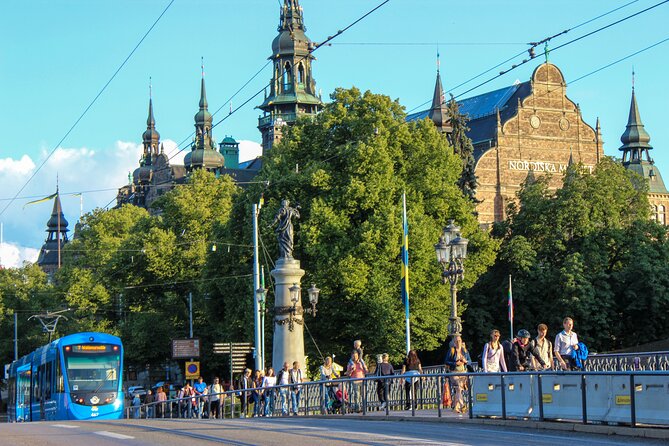
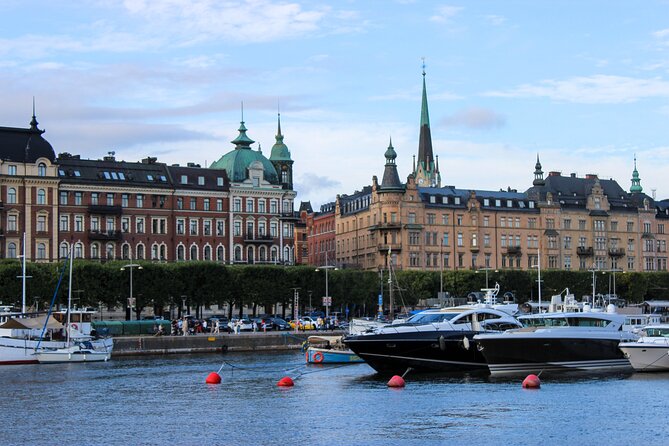
Östermalm is where Stockholm shows off its “this is what we care about” side—design, upholstery, antiques, and that polished, residential confidence. On this stop, you’ll walk the streets that shape the city’s design district identity, and you’ll hear the legacy story behind the names associated with these buildings and interiors.
What I love about this part is how it trains your eye. Instead of treating architecture as a checklist, you start noticing how style and status get expressed through materials, facades, and street character. You’ll move through key areas including Stureplan, Linnégatan, Nybrogatan, and Strandvägen—each one giving you a slightly different vibe, but all connected by the same design mindset.
The drawback? Östermalm is pretty. That can make it easy to wander off mentally and forget to look closely. If you want the most value, listen for the “why” behind design choices—not just the “what.” This stop works best when you stay present.
Ostermalms Saluhall: A Food Hall That Feels Like a Landmark
Next you step into Ostermalms Saluhall, one of Stockholm’s major food halls and an architectural landmark in the city center. This is where the tour adds a satisfying sensory layer: you’re not only learning about design and buildings—you’re also sampling Swedish food culture in a space that clearly understands atmosphere.
The timing is short—about 30 minutes—but it’s long enough to do one smart thing: pick something Swedish and eat it slowly. If you rush, you miss the point. Saluhall works because you get both function and form: stalls and lines, yes, but also a sense of 19th-century grandeur in how the space holds the crowd.
Because entry here is included, you’re not juggling tickets or budgets at the same time you’re trying to enjoy the market. I’d treat this as your “taste the story” moment. The architecture becomes real when you see how people move through it and what it feels like to stand inside.
The Upholstery and VIP Interiors Stop: Where Design Gets Personal
Between the public landmarks, there’s a stop that focuses on how Swedish design shows up in the homes and tastes of the city’s most VIP residents. The key theme here is upholstery, and you’ll learn about one of Stockholm’s famous upholstery household names—specifically tied to how the brand or craft shaped domestic style.
Even though you don’t spend hours here, this stop can be a highlight because it bridges what you see on buildings to what you touch in daily life. Stockholm’s design language isn’t only about facades; it’s also about interiors—how rooms feel, how furniture wears over time, and how craftsmanship becomes identity.
What to watch for: listen for the connection between legacy and demand. This stop is trying to show you that design reputations don’t happen by accident. They’re built through consistency, materials, and a recognizable look.
A consideration: without the full brand story in your head, the stop can feel like a quick “name drop.” If that worries you, bring curiosity and ask yourself what you’d want to own if Swedish style were your style.
Royal Dramatic Theater: Art Nouveau Details and Real-Star Origins
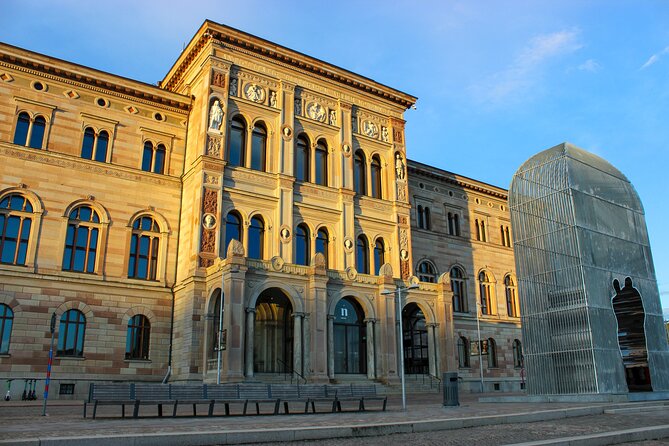
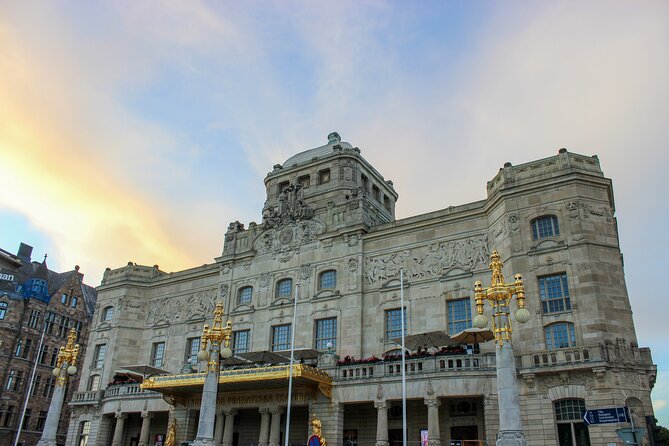
At Kungliga Dramatiska Teatern (Royal Dramatic Theater), the focus shifts from residential design to performance architecture. The building is described as a landmark of the Art Noveau period and dates back to the 18th century, and the tour uses that mix to show how architectural styles can overlap in one place as cities evolve.
This is also a place with big cultural credibility. You’ll hear that famous Swedish stars—including Greta Garbo and Ingrid Bergman (Casablanca)—had their start here. That kind of connection matters because it turns a theater from a pretty shell into a cultural engine.
You’ll only have about 15 minutes, so treat it like a quick but memorable chapter. Look up, notice decorative elements if you can, then remember: theaters are built to frame people, stories, and emotion. The architecture exists to support that.
The catch: with such a short stop, you won’t have time to become a theater expert. This is best if you want the highlight version—enough to spark your interest for later independent reading or museum time.



Kungsträdgården: Parks, Building Phases, and the Story of Falu Red
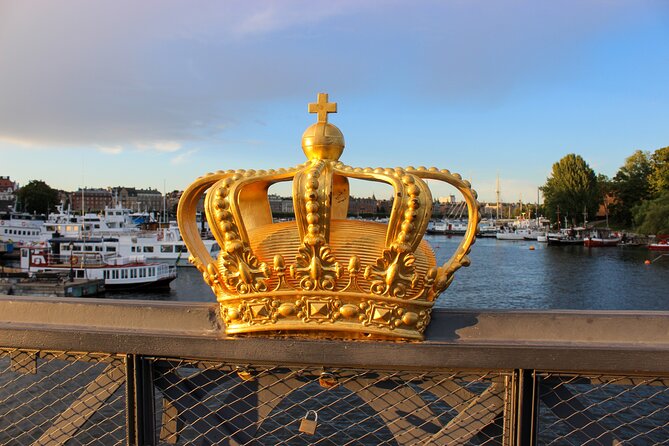
Then you move into Kungsträdgården, where the tour uses the idea of parks to explain Stockholm’s broader urban design thinking. This stop is about more than greenery. It’s a lesson in how public green spaces shape how a city feels—and how architectural phases leave visible traces over time.
You’ll explore the garden’s origins dating back to the 15th century, then learn about the garden’s many reinventions. The tour also connects this area to Swedish architectural phases running from Gothic to Baroque to modern influences, so you get a sense of time layering in the streets.
One especially cool detail: you’ll discuss the origin of Sweden’s iconic falu red paint. That matters because color is part of architecture’s grammar. It’s how buildings “speak” in a shared regional language, not just how they look as individual objects.
Practical note: this is a “stop and look” kind of place. If you like sitting for a minute to absorb what you see, take that moment. If you’re the type who walks constantly, you can still get value—just keep your eyes up and your attention on the architectural cues the guide highlights.
Royal Swedish Opera: The Phantom Angle, Stockholm-Style
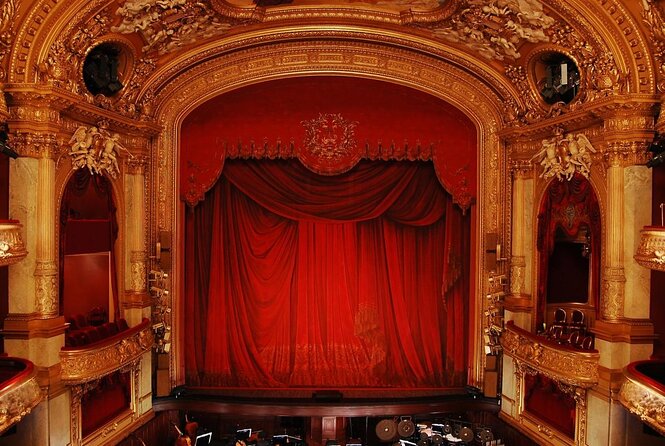
Next comes the Royal Swedish Opera, described as a late 19th-century masterpiece. Here, the tour adds a storytelling flavor by talking about the “true Phantom of the Opera,” specifically framed as a Stockholm version.
Even if you’re not deeply obsessed with opera, this stop works because it uses cultural myth to give you a reason to look closer. When a city wraps performance culture into an iconic building, people remember the building. You start to see it less like scenery and more like a living landmark.
You’ll likely use this segment to refocus your attention after a more open park setting. Opera architecture tends to be dramatic—shape, symmetry, ornament—so it’s a good contrast point.
If you’re short on time in Stockholm, this stop is also a reminder that you don’t need to sit through a show to understand why the building matters. You’re getting the meaning and context in walking form.
Skeppsholmen and the National Museum Zone: Views You Can’t Fake
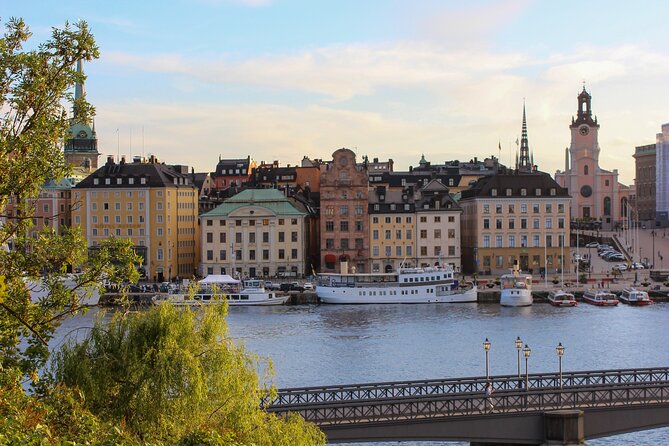
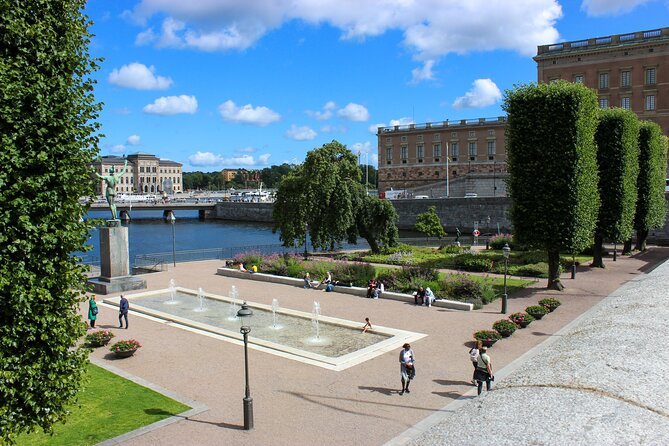
The final stretch takes you to Skeppsholmen, one of the prettiest island areas in central Stockholm. The tour frames it as a final “big look” point: you’ll get gorgeous city views of Old Town, and you’ll be in the orbit of major Swedish art institutions.
Here, the connection is art + architecture + place. Skeppsholmen is associated with important museums including the National Museum, Moderna, and ArkDes. The tour talks through how that cluster of institutions supports a certain idea of Stockholm: culture as part of the city’s daily fabric, not something you only visit on a separate day.
Even with a short amount of time, this is the stop where you’ll feel the “wow” without needing a ticket to a specific exhibition. The island view and the surrounding architecture give you a strong sense of Stockholm’s scale and layout.
Because the tour ends in front of the Nationalmuseum, you can convert that sense of place into action. If you want to keep going, you’re positioned perfectly to choose a museum visit next or simply continue walking the waterfront.
Who This Tour Fits Best (And Who Might Want Another Option)
This tour is a strong match for you if you like design and want context, not just stops. You’ll enjoy it especially if you care about how Swedish style shows up in real life: furniture-making culture (like upholstery), street identity (Östermalm), and the way buildings frame public experiences (Saluhall, theaters, opera).
It’s also ideal if you like a guide who can make things feel human. In one standout experience, the guide Olesia made the walk feel intimate and story-driven, even when the group size was very small. That kind of engagement tends to show up when you’re actually listening for details, and you’ll likely feel the same energy here with a max of 10 people.
Who might want something else? If you’re only chasing the biggest single landmark photos and don’t want design context, you may find the route more “interpretive” than “monument-heavy.” This walk is designed to help you read Stockholm, not just collect pictures.
Should You Book This Stockholm Art, Architecture, and Design Tour?
Yes—if your goal is to understand Stockholm’s design logic in a short time, this tour is a smart use of an afternoon or morning. The combination of free-admission landmarks, an included market stop, and design-shop access gives you good value per hour, not just a sequence of exterior views.
Book it if you want practical inspiration: how streets shape style, how architecture supports daily culture, and how color and craft connect to national identity. Skip it only if you want a purely ticket-based museum tour or you’re likely to be too rushed to enjoy small moments like food-hall browsing and park viewing.
If you do book, wear comfy shoes and plan for flexibility with weather. This one works best when you can walk, look, and quietly absorb the city’s design clues as you go.
FAQ
How long is the Scandinavian Art, Architecture and Design Tour in Stockholm?
It runs for about 3 hours (travel time included).
What is the price per person?
The price is $61.62 per person.
Where does the tour start and end?
It starts at Svampen, Stureplan, Östermalm and ends in front of the Nationalmuseum at Södra Blasieholmshamnen 2, 111 48 Stockholm.
What language is the tour offered in?
It is offered in English.
Do I need to buy tickets for the stops?
Some stops have free admission, and Ostermalms Saluhall has admission included. The tour also uses a mobile ticket.
Is the tour only outside?
It is a walking tour with multiple city stops. Exact indoor/outdoor time at each location isn’t broken down beyond the short admission stops listed.
How big is the group?
The maximum group size is 10 travelers.
Is the tour suitable for most people?
The tour notes that most travelers can participate.
What if weather is bad?
The experience requires good weather. If it’s canceled due to poor weather, you’ll be offered a different date or a full refund.
Are service animals allowed?
Yes, service animals are allowed.
What is the cancellation window?
You can cancel for a full refund up to 24 hours in advance. If you cancel less than 24 hours before the start time, the amount paid is not refunded.