REVIEW · STOCKHOLM
Bloody Stockholm: ghosts, horror and dark folklore 2h
Book on GetYourGuide →Operated by Sweden History Tours · Bookable on GetYourGuide
Stepping into Gamla Stan feels normal until it doesn’t. I like that this tour mixes Old Town sights with medieval Nordic folklore, then ties it to bloody Stockholm history you can actually picture on the street. It’s also taught by guides who treat horror like a subject, not just spooky wallpaper. One thing to consider: the content is intentionally dark (murders, executions, gruesome folklore), so it’s not the vibe if you want light and breezy.
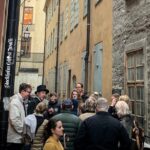
You’ll meet in central Old Town at the Nobel Prize Museum staircase by Stortorget, then follow your guide back through centuries of stories Swedes believed for real. You’ll walk, listen, and ask questions without feeling rushed. And yes, it can make you glance twice at corners you’d normally ignore.
In This Review
- Key Things I’d Watch For Before You Go
- Meet at Stortorget and Get Your Bearings in Gamla Stan
- Old Town Sights, Then the Story Takes Over
- Mylingar: Haunted Infants and the Logic of Cruel Legends
- Skogsrået and Näcken: Forest Beauty and Water Traps
- Trolls, Mountains, and the Missing People in Legends
- Stockholm Bloodbath, Castle Murders, and Executioners in the Mix
- Your Guide Matters: Horror Nerd Energy and Real Room for Questions
- Price and Value for a 2-Hour Ghost-and-Folklore Walk
- Should You Book Bloody Stockholm?
Key Things I’d Watch For Before You Go
- Stortorget meeting point: clear start location on the main square area.
- Gamla Stan route focus: you’ll pass by major Old Town highlights while the narrative unfolds.
- Folklore creatures get explained: you hear how each monster fits Swedish and Nordic belief systems.
- Mylingar, Skogsrået, Näcken, trolls: the tour uses specific legends, not vague “ghost stories.”
- Dark history has names and events: Stockholm Bloodbath, Castle murders, and executions come into the story.
- Small group or private option: more time for questions with your horror-leaning guide.
Meet at Stortorget and Get Your Bearings in Gamla Stan
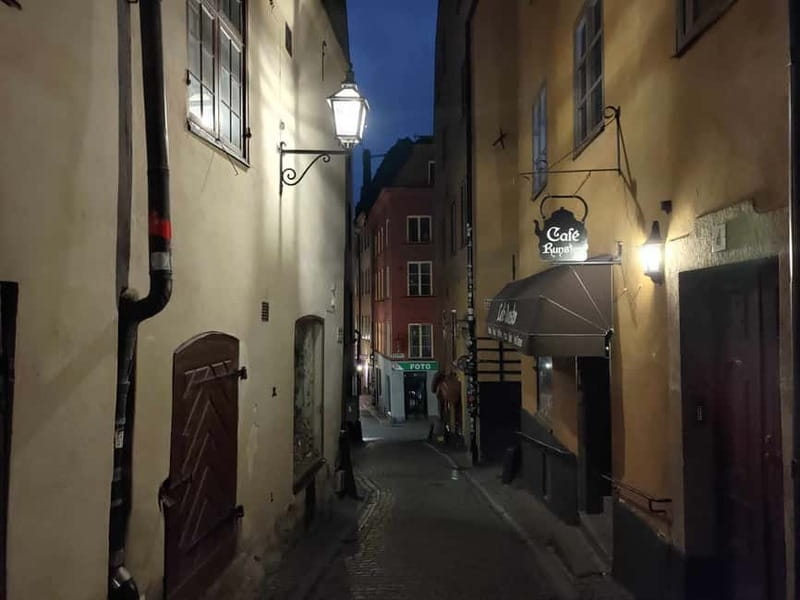
This tour starts where you can’t miss it: the right side of the Nobel Prize Museum staircase, by Stortorget in Old Town. That matters more than you’d think. When your meeting point is easy, you can arrive calm, not speed-walking with coffee and hoping you’re in the right place.
From there, you’ll head back into the world where medieval and early modern Scandinavians explained fear with story. The tone is what makes this work. It isn’t just a list of gruesome characters. Your guide connects the tales to how people thought the world worked, why certain creatures mattered, and why bloody events became the stuff of local memory.
You’ll be on your feet for about two hours, so comfortable shoes are the right call. Also, you’ll want to keep your attention split in a good way: watch the surroundings, but listen for the meaning behind the legend. The tour plays both games well.
You can also read our reviews of more tours and experiences in Stockholm



Old Town Sights, Then the Story Takes Over
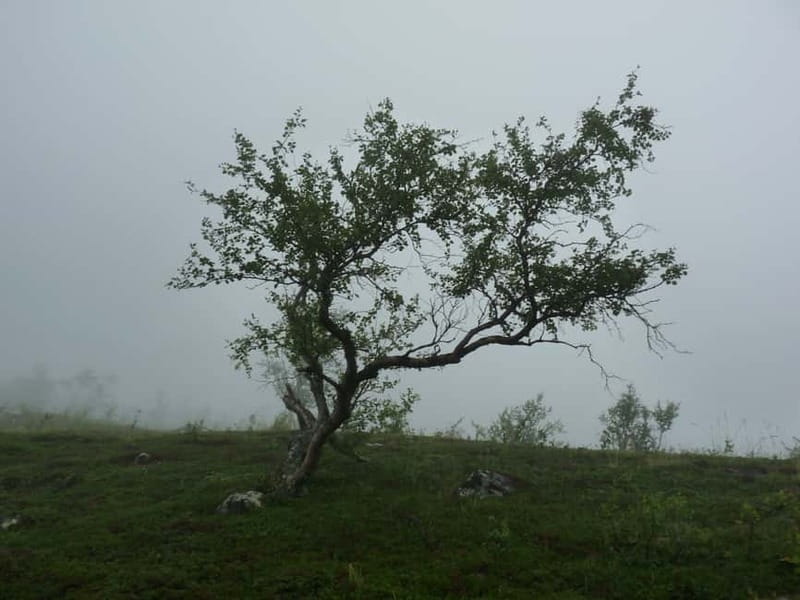
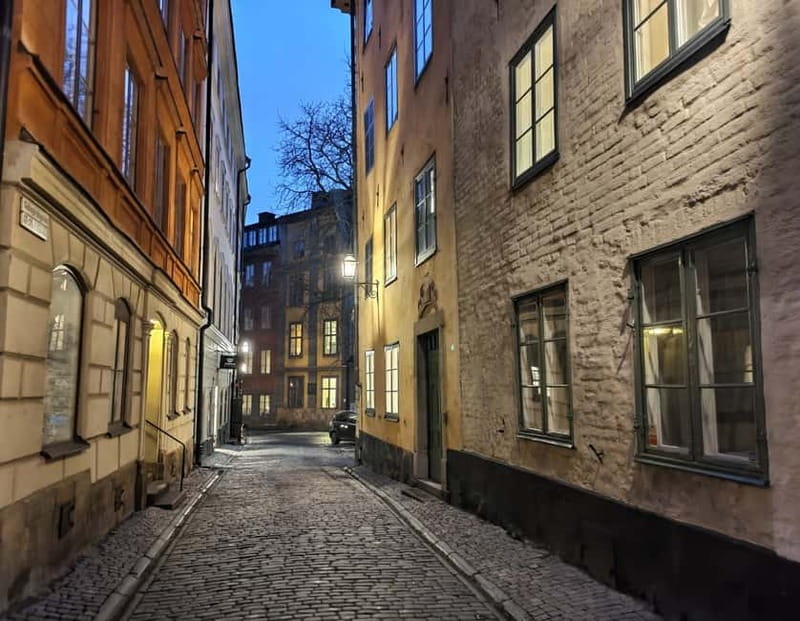
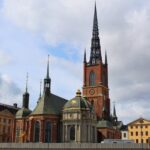
Gamla Stan is gorgeous on a normal day. Narrow streets, old stone, and that “time travel” feel visitors love. What this experience does is turn the scenery into evidence.
As you walk, you pass and admire the main Old Town sights while your guide threads in grim history and folk beliefs. That combination is the value. You’re not only looking at places; you’re learning how people used those same spaces to explain danger—fires, winters, illnesses, strangers, and sudden death. The result is a walk that feels themed, but still grounded.
I especially like how the tour doesn’t treat folklore as random scary bedtime stories. Instead, your guide frames it as social information—how communities taught caution, control, and empathy (even when the lesson arrives through a nightmare).
If you’re the type who needs clean timelines to enjoy a history walk, you might feel the pace is more story-driven than lecture-driven. The upside is that you’ll remember it, because it’s tied to characters and places you actually saw.
Mylingar: Haunted Infants and the Logic of Cruel Legends
One of the most striking sections centers on Mylingar—murdered infants who came back to haunt the living. On paper, it’s horrifying. On the tour, it becomes something else: a window into how older societies explained guilt, loss, and the unbearable.
Your guide connects this type of legend to what communities feared and what they needed to say out loud (even if they couldn’t say it directly). Mylingar stories aren’t just shock value. They’re a grim moral and emotional map. They show how fear can turn into narrative, and how narrative can become a warning that travels across generations.
This is where I noticed the guide skills most. Your stories come with explanation: where the belief sat in everyday thinking, why it took that form, and how people used folklore to make sense of violence and mystery. You’re not left guessing.
Practical tip: if you like interactive tours, bring questions. This section is a great moment to ask how folklore changes depending on the era, or why stories survive even when beliefs fade. The format is built for back-and-forth.
Skogsrået and Näcken: Forest Beauty and Water Traps
Next up, you get the forest and the water, two classic settings for Nordic fear. The tour highlights Skogsrået, described as a beautiful but deadly female creature living in the forest. Then comes Näcken, a naked male creature who wants to lure people into drowning.
I like this pairing because it flips the usual “ghost story” expectation. These aren’t just haunted houses. They’re legends about environments—what happens when you go into woods and rivers without protection, knowledge, or luck.
Your guide also makes the creatures make sense within belief systems, rather than treating them like generic monsters. You learn how these stories reinforced ideas about danger, isolation, and respect for nature. In other words, you get mythology that functions like a survival manual, even if the survival part is delivered through terror.
If you’re sensitive to drowning themes or child-related horror topics, this may feel intense. The tour leans into the dark side on purpose. It’s not a quick, cute scare. It’s a “listen, then keep walking” kind of story.
Trolls, Mountains, and the Missing People in Legends
Then the tour turns to trolls—creatures tied to mountains and kidnapping women. The troll section works well because it connects folklore to real human fears: unfamiliar landscapes, people traveling or wandering off, and the terror of not knowing what’s waiting beyond the safe area.
What makes this part worthwhile is the way your guide frames trolls as more than monsters. These stories reflect the social need to explain disappearances and the suspicion that outsiders or the unknown could bring danger. The legend becomes a way to speak about safety rules without writing them down in plain language.
And since this tour is set in Old Town, you also get a geographic effect. You’re in a place where people gathered, traded, and told stories. So it’s easier to imagine these legends circulating in real time, not trapped in books.
Also, if you’re a horror nerd—good news. The guide style is built for you. Expect narrative energy, and expect explanations that feel like someone’s actually researched the subject and cares about the details.



Stockholm Bloodbath, Castle Murders, and Executioners in the Mix
The tour isn’t only folklore creatures. It also brings in major bloody events that shaped Stockholm’s reputation.
You’ll hear about the Stockholm Bloodbath, along with murders at Stockholm Castle and stories involving executioners. This is where the walk becomes a history lesson you don’t mind staying late for, because the facts are wrapped in story rather than stacked in a timeline.
Why this works for you: grim history can feel distant and abstract. Here, it’s tied to specific places in Old Town and the Castle-era mindset. Your guide helps you connect cause and effect—how power struggles led to violence, how violence became public theatre, and how people remembered it through stories.
There’s also an educational thread about the roots and functions of folklore in Swedish society. That’s a big deal for value. You’re not only getting scary characters; you’re learning why those stories exist and what they were doing socially.
One note: the tour leans hard into the darker details. If you prefer history without the gory flavor, you may want to skip this specific “bloody” version and choose a gentler history walk.
Your Guide Matters: Horror Nerd Energy and Real Room for Questions
The best part of this tour is the guide’s tone. The reviews you can feel in the atmosphere are consistent: guides land as funny, friendly, and willing to answer questions beyond the core story.
Emma is one of the guide names you’ll hear associated with this tour, and the impression is clear—she blends humor with clear explanations. Small group luck helps too. In a smaller group, you get extra time for the dialogue, not just the monologue. If you want to ask about Swedish culture in general, this tour structure supports it.
Tour language is English (and Swedish is offered too). That’s useful because you can choose the story style that fits you best, and you won’t be stuck trying to decode key points through translation gaps.
Also, the tour is designed so interaction feels natural. This isn’t a headset-and-fly-by situation. You’re meant to talk, ask, and steer the pace a bit with your guide.
Price and Value for a 2-Hour Ghost-and-Folklore Walk
At $89 per person for a 2-hour experience, you’re paying for two things: time and expertise. For this price, you should expect more than generic “boo” stories. You’re getting an expert qualified guide, a route through Old Town sights, and a structured mix of Scandinavian folklore creatures with real events like the Stockholm Bloodbath and Castle murders.
Is it expensive? Compared to a self-guided walk, yes. Compared to other guided “themed walking tours,” it’s in the range where you want quality. The best way to judge value is to ask: do you want a guide who can explain both the folklore roots and the historical backdrop? If yes, the cost makes sense because the guide does the heavy lifting.
You also get flexibility built into how booking can work—like reserve now and pay later—and a free cancellation window up to 24 hours in advance. For a short Old Town tour, that flexibility is practical when your schedule shifts.
My advice: if you’re going to do just one themed walk in Stockholm, pick one that actually teaches. This one does, even while it chills your imagination.
Should You Book Bloody Stockholm?
Book it if you want a dark Old Town story walk that mixes medieval Nordic folklore with major historical violence in a way you can visualize. It’s a strong fit for horror fans, culture seekers, and anyone who loves walking tours where the guide explains why the stories mattered—not just what they were.
Skip it if you prefer lighter historical themes, or if graphic content will ruin your night. This is intentionally chilling, and the tour keeps the mood consistent from start to finish.
If you’re on the fence, here’s the simplest test: do you enjoy being frightened a little while learning something real? If that’s your sweet spot, Bloody Stockholm is a smart, memorable choice.