REVIEW · STOCKHOLM
3-day kayaking adventure around Vaxholm in Stockholm Archipelago – self guided
Book on Viator →Operated by Skärgårdens Kanotcenter | Kayaks & Outdoor · Bookable on Viator
Glide out from Vaxholm and trade crowds for your own stretch of water and shoreline, all within the Stockholm Archipelago. What I like most is that this is self-guided, but you’re not left guessing from day one. You get a proper safety and navigation briefing, plus you receive fully equipped sea kayak and camping gear so planning doesn’t eat your whole trip.
Two big wins for me: the kit is genuinely made for sea kayaking (spray skirt, life jacket, paddle, map/compass), and the camping setup is the kind you can actually sleep on after a day of paddling. One thing to consider is navigation confidence. Even with map and compass provided, you may still want to be comfortable reading water, bearings, and island-to-island route logic.
In This Review
- What makes this trip feel easier (and safer) than DIY
- Key things to know before you go
- Why Vaxholm and the Stockholm Archipelago Work So Well
- Meeting at Skärgårdens Kanotcenter and Getting Set Up Quickly
- Your Gear Setup: Expedition Kayaks, Camping Kit, and Trangia Meals
- The kayaking kit
- The camping and cooking kit
- Route Planning and Navigation: What You Get Before You’re On Your Own
- An important consideration
- Day-by-Day: What 3 Days of Island-Hopping Camping Can Look Like
- Day 1: Launch from Vaxholm and start your first landing
- Day 2: Island-to-island paddling and real camp time
- Day 3: The return day and your finishing line
- Camping Reality: Sleeping Comfort and Cooking Without Drama
- Cooking and staying fueled
- Price and Value: What You Really Get for $342
- Who This Trip Fits Best (and Who Might Want a Different Style)
- Practical Tips to Make Your Self-Guided Days Easier
- Pack like you’ll need things fast
- Eat and cook with the gear you have
- Build margin for decisions
- Should You Book This Self-Guided Kayaking Trip Around Vaxholm?
- FAQ
- What does the package include for kayaking and camping?
- Do I need to bring food and drinks?
- Can I choose my own travel date?
- Are double kayaks available for couples?
- Where is the meeting point and what time does the trip start?
- Is there free cancellation?
What makes this trip feel easier (and safer) than DIY
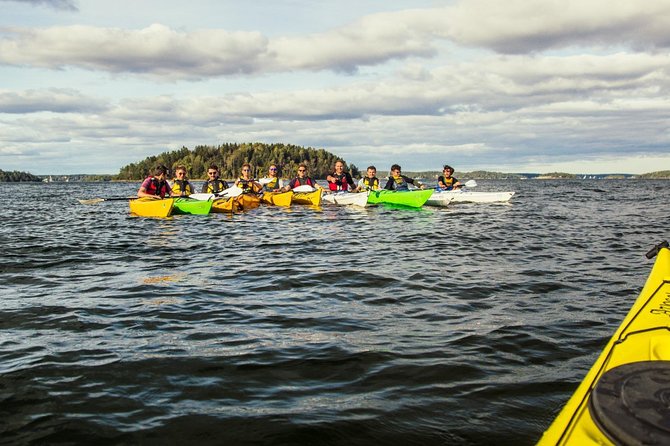
The Stockholm Archipelago can look simple on a map, then turn complex fast once wind, tides, and fog show up. This package helps you avoid the hardest part of DIY—figuring out a safe route and the gear match—by pairing you with route guidance and a starting plan. The possible drawback is that real self-guided travel means you’re responsible for pacing, weather choices, and staying on your chosen lines.
Key things to know before you go
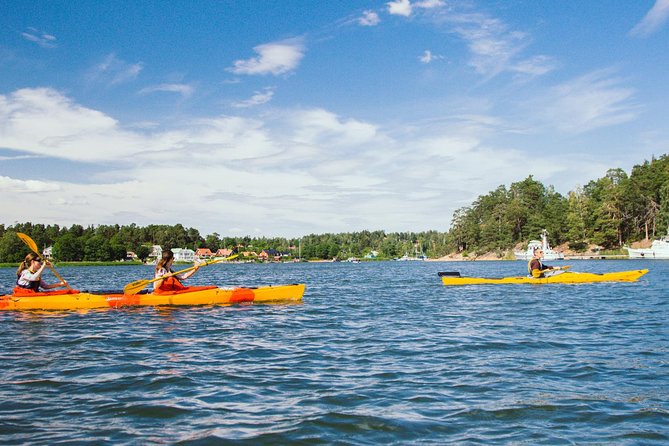
- You’re self-guided after the briefing: you pick the rhythm, but you start with safety and routing help
- Expedition sea kayaks, usually double: stable enough to carry camping kit, with single kayaks as an option
- Camping and cooking gear included: tent, sleeping bag, mattress, sheet, waterproof bags, and a Trangia cooking system
- Wild-camping style, island-hopping routes: great for avoiding the usual day-trip flow
- Max group size is 6: you’re not lost in a crowd when you get your briefing and equipment
You can also read our reviews of more guided tours in Stockholm


Why Vaxholm and the Stockholm Archipelago Work So Well
Vaxholm is a smart base because it’s close enough to Sweden’s capital region that you can do a three-day escape without turning the trip into a logistics project. And the archipelago itself is what makes sea kayaking such a good match here: it’s a huge island maze, often with sheltered pockets that reward careful routing.
On this kind of trip, you’re not trying to “cover everything.” You’re aiming for a feeling: quiet water, occasional island landings, and nights where your tent is the main event. The self-guided format helps you slow down and pick a route that fits your skill level, rather than being dragged along on a rigid schedule.
You also get the benefit of traveling off the usual tourist trail. Even if you’re only out for a few days, kayaking through smaller channels and landing on quieter shorelines can make the archipelago feel personal instead of packaged.
Meeting at Skärgårdens Kanotcenter and Getting Set Up Quickly
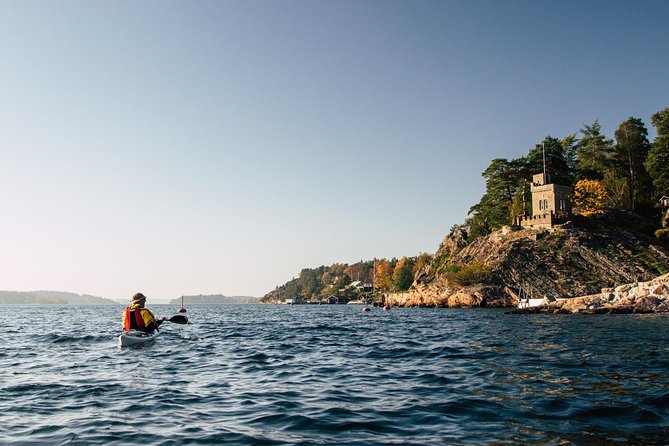
Your trip starts at Skärgårdens Kanotcenter Kayaks & Outdoor, Resarövägen 10, 185 51 Vaxholm, Sweden. The official start time is 10:00 am, but you can meet any time while the center is open: weekdays 10:00–18:00 and weekends 10:00–17:00.
That flexibility matters more than it sounds. If you’re coming in on public transportation, you want a window that matches how your day actually moves. Also, equipment pickup + briefing + loading time is easier when you’re not forcing everything into a single early morning slot.
The center is near public transportation, and the group size is capped at 6 travelers. Smaller groups tend to mean clearer handoffs: you can ask practical questions about route choice, gear packing, and how to handle the kayak with camping weight.
Your Gear Setup: Expedition Kayaks, Camping Kit, and Trangia Meals
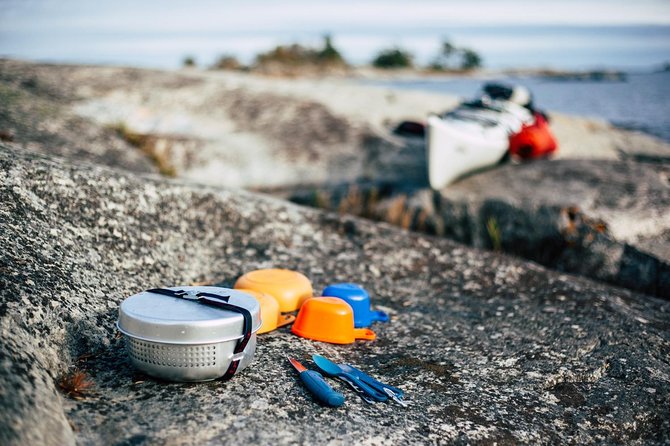
The package is built around the reality that you’re not just kayaking—you’re camping. That changes what “good gear” means.
The kayaking kit
You’ll receive a fully equipped expedition sea kayak (either single or double), plus a life jacket, paddle, and spray skirt. You also get a map and compass, along with waterproof storage tools to keep your clothes dry.
The double kayak option is a real plus for couples. It often helps one paddler focus on steering and rhythm while the other manages balance and pacing, especially when you’re carrying camping gear. If you’re solo, the single kayak option is there too—just remember that carrying camping kit usually means you’ll want a snug packing system.
You can also read our reviews of more tours and experiences in Stockholm




The camping and cooking kit
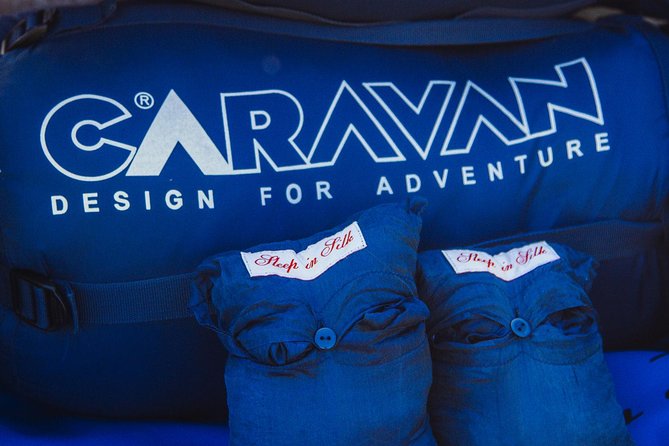
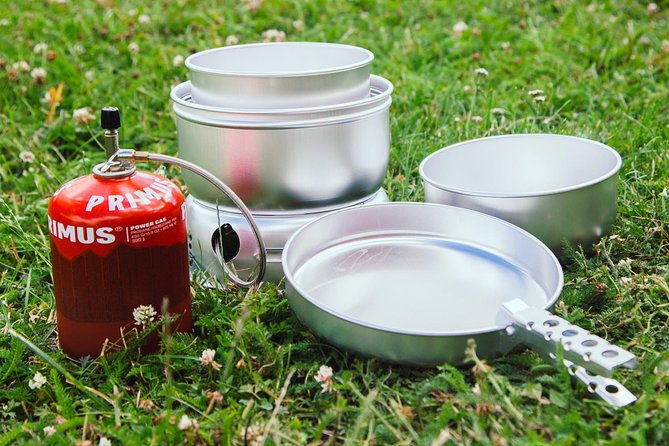
Camping gear is included: tent, sleeping bag, and a mattress, plus a fresh silk sheet (small luxury, big comfort on a sore-body trip). You’ll also have waterproof bags for clothes, a Trangia outdoor cooking system with gas, and basic eating gear like cutlery, a mug, and a plate.
They even include practical items like a water container, plus a shovel and toilet paper. That’s the stuff you don’t want to scramble for once you’re out in the islands.
One practical note: food and drinks are not included. So your success depends on how well you plan meals that are easy to cook with a gas system and easy to store between landings.
Route Planning and Navigation: What You Get Before You’re On Your Own
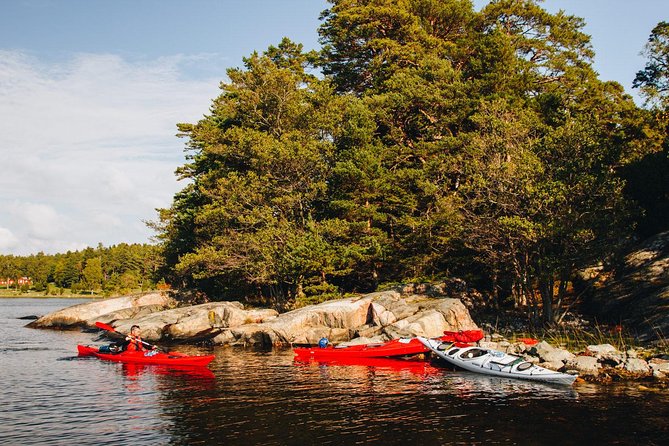
The biggest “value” in this trip isn’t the kayak price tag—it’s reducing planning stress. Without local knowledge, it can be time-consuming to set up a safe route and a camping plan. Here, the team provides guidance on the best route for your journey and conducts a safety and navigation briefing when you arrive.
After that, you’re truly self-guided. That’s a good thing if you like autonomy. It’s also why the gear list includes navigation support (map and compass), and why a solid briefing matters so much.
An important consideration
One piece of feedback suggests navigation can be a little tricky, even with what’s provided. That tells me you should be honest about your comfort level. If you’re new to reading maps in open water, you’ll want to treat the briefing like it’s your safety lifeline and ask lots of questions before you push off.
If you already have experience with bearings and island-to-island route thinking, you’ll likely feel more confident. If not, build in extra time for checking your bearings and deciding whether to land early rather than forcing a tight schedule.
Day-by-Day: What 3 Days of Island-Hopping Camping Can Look Like
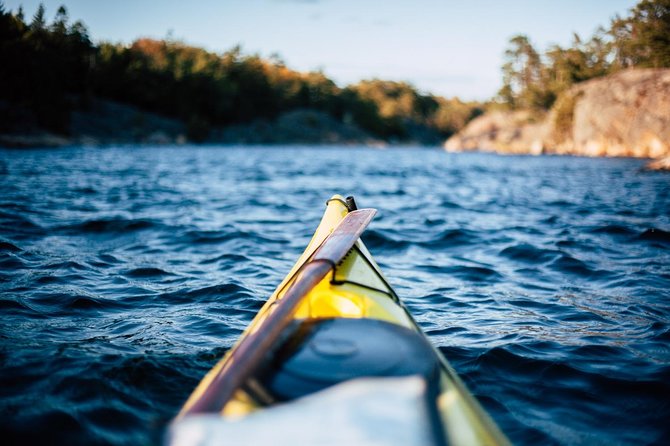
Because the route is based on the route advice you receive, your exact island sequence can vary. But the overall structure is consistent: paddle during the day, land for camp, cook, and repeat. Here’s a realistic sense of how the days often feel—plus a few route examples that come up in this area.
Day 1: Launch from Vaxholm and start your first landing
You’ll start at the kayak center in Vaxholm and head out with your camping kit loaded into the sea kayak. The expedition kayaks are designed to be stable enough to carry the camping gear, which means you’re not balancing on a knife edge while also managing a tent bag.
In many 3-day circuits, Day 1 is about getting into rhythm—finding your pace, testing how your hands and shoulders feel with paddling weight, and making an early call on where you’ll sleep. If your briefing steers you toward an island such as Norrgårdsön for an out-and-back style trip, Day 1 is often where you set up the “loop” logic: how far you want to be from your eventual turnaround.
A drawback for Day 1? You’ll likely want to be mentally ready for the fact that the day can feel longer when you’re moving with gear, not just practicing paddling.
Day 2: Island-to-island paddling and real camp time
Day 2 is where the experience becomes unmistakably “wild.” You’ll keep moving across channels and around smaller islands, with the practical goal of landing somewhere that works for your tent setup and cooking.
Routes can include island clusters like Grinda and Gallnö, which are commonly used in multi-day circuits. In plain terms: these kinds of island sequences tend to give you enough shoreline options to make camp logistics manageable, especially when you want to cook and settle without turning every landing into a negotiation.
One thing you’ll appreciate is that you have all the camp basics—mattress, sleeping bag, tent, cooking system—so you don’t just stop somewhere; you make the stop count.
Day 3: The return day and your finishing line
On the final day, you’ll paddle back toward the starting area and end the trip back at the meeting point. This day can still feel very real, because you’re finishing with the knowledge that you have to pack up camp and move efficiently.
Some trips can include a start strategy like being driven to an island such as Boda so you get straight out on the water. That kind of approach can shorten the “transfer time” feeling and get you paddling earlier in the day, but it also means you’ll want to be ready for how your day is structured once you’re dropped at the start island.
A nice bonus: by Day 3, you already know how your kayak handles with your gear and how your cooking routine works. That makes the last push smoother.
Camping Reality: Sleeping Comfort and Cooking Without Drama
“Wild camping” can mean different things depending on the kit and your expectations. Here, you’re not stuck with bare-bones gear. Your tent includes a sleeping bag, and you also get a mattress plus a fresh silk sheet, which is the kind of small comfort that matters after sea kayaking.
Cooking and staying fueled
You’ll use a Trangia outdoor cooking system with gas. That’s a simple, reliable way to make hot food when you’re out in the cold and wind. Because gas and basic cookware are included, your main job is supplying your food and deciding what you can prepare quickly.
The shovel and toilet paper inclusion is another sign that this is designed for real overnight camping, not a “nature walk with a tent.” Just plan to do it responsibly and keep your impact low.
Price and Value: What You Really Get for $342
At $342.04 per person for about 3 days, this isn’t the cheapest way to kayak in the archipelago. But it’s also not paying for vague experiences. You’re paying for a package that covers the expensive parts you’d otherwise piece together yourself.
Here’s the value math in plain terms:
- Sea kayak with safety gear (life jacket, paddle, spray skirt)
- Camping kit that includes comfort elements like mattress and sleeping bag
- Cooking system (Trangia with gas) and basic tableware
- Waterproof storage for your clothes
- Navigation and safety briefing
- End back at the meeting point, so the plan has an actual shape
What you still need to bring is also clear: food and drinks. That’s the one big gap. If you’re the kind of person who will spend time figuring out meals and packing well, your total trip cost will feel very reasonable. If you’ll likely overspend on convenience food each day, you may feel the pinch.
Who This Trip Fits Best (and Who Might Want a Different Style)
This kayaking-and-camping setup fits best if you want:
- Autonomy: a route plan and gear, then freedom after the briefing
- A couples-friendly option with double sea kayaks
- A trip that feels like more than a day rental
- Real camping nights with proper sleeping comfort and a workable cooking system
It also helps that this is capped at 6 travelers and that double kayaks are usually used, depending on your experience and preferences. For solo paddlers, single kayaks are possible, and you’ll typically be doing longer stretches with careful pacing.
If you’re brand-new to navigation, the trip can still be doable, but you should treat the briefing seriously and keep your confidence in check. You might also want to plan routes that allow you to land earlier rather than later.
Practical Tips to Make Your Self-Guided Days Easier
You’ll have the gear, but self-guided success comes from habits. Here are the habits that will make your three days smoother.
Pack like you’ll need things fast
Waterproof bags for clothes are great, but your real goal is to avoid digging through piles when you’re tired. I’d organize your loads so you can access what you need for camp and cooking without unpacking everything.
Eat and cook with the gear you have
You’ve got a Trangia outdoor cooking system with gas, so choose meals you can manage with quick steps. Keep portions realistic for paddling days. You’ll feel better if you don’t try to turn kayaking into a gourmet restaurant.
Build margin for decisions
Because you’re responsible for the day, don’t treat the plan like a rigid spreadsheet. If wind, fatigue, or visibility isn’t cooperating, it’s better to adjust. That’s the practical side of self-guided travel: your best day is the one that stays safe and sane.
Should You Book This Self-Guided Kayaking Trip Around Vaxholm?
I’d book it if you want a three-day Stockholm Archipelago trip that mixes real sea kayaking with overnight camping, without spending half your time planning routes from scratch. The strongest reasons to choose it are the full equipment kit (including sleeping and cooking comfort) and the fact that you get a safety and navigation briefing before you go independent.
Skip it, or at least think twice, if you know you struggle with navigation and you dislike making route decisions on your own. In that case, you’ll need extra preparation and confidence before you head out.
If you fall somewhere in the middle—curious, motivated, and willing to take the briefing seriously—this is a very practical way to see the archipelago in a style that feels more like an adventure than a scheduled sightseeing session.
FAQ
What does the package include for kayaking and camping?
It includes a fully equipped expedition sea kayak (single or double) with life jacket, paddle, spray skirt, map and compass. You also get camping gear (tent, sleeping bag, mattress, fresh silk sheet), waterproof bags for clothes, and a Trangia outdoor cooking system with gas plus basic eating items and a water container, shovel, and toilet paper.
Do I need to bring food and drinks?
Yes. Food and drinks are not included, so you’ll need to plan and pack your meals and beverages.
Can I choose my own travel date?
Yes. You choose the date of trip, and you arrive for equipment pickup and the safety and navigation briefing.
Are double kayaks available for couples?
Yes. The trip usually uses double kayaks, depending on your experience and preferences, and single kayaks are also possible.
Where is the meeting point and what time does the trip start?
You meet at Skärgårdens Kanotcenter Kayaks & Outdoor, Resarövägen 10, 185 51 Vaxholm, Sweden. The start time is 10:00 am, and you can meet any time during opening hours (weekdays 10:00–18:00, weekends 10:00–17:00).
Is there free cancellation?
Yes. You can cancel for a full refund up to 24 hours before the experience’s start time. If you cancel within 24 hours of the start time, the amount paid is not refunded.