REVIEW · STOCKHOLM
World War II Stockholm Old Town Walking Tour and Army Museum
Book on GetYourGuide →Operated by Rosotravel Sweden · Bookable on GetYourGuide
WWII in Stockholm feels closer than you expect. This private Gamla Stan walking tour links Swedish neutrality, Soviet bombings, and Raoul Wallenberg’s rescue efforts to real streets, monuments, and key government buildings. I really love the way the guide frames the story with expert context (politics, trade, and changing attitudes) instead of just names on plaques, and I also love how the tour keeps returning to Raoul Wallenberg’s humanitarian work.
One thing to consider: if you book the 2-hour option, you won’t visit the Army Museum, which is a big part of the experience for history buffs.
In This Review
- Key things that make this tour worth your time
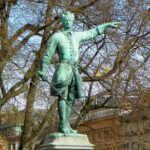
- Gamla Stan starts at the Lars Johan Hierta Monument
- Swedish neutrality under WWII: more than being “not involved”
- Royal Palace, Storkyrkan, and Parliament House: power and symbolism on the route
- Soviet bombings and the pressure of survival
- Jewish refugees, Denmark and Norway, and Operation Save Denmark
- Nobel Prize awards: wartime impact inside Sweden’s own institutions
- The Remembrance Path in Berzelii Park: a place built for reflection
- Raoul Wallenberg: the rescue story at the center
- Army Museum add-on (3-hour option): Sweden’s wartime and peacetime story
- WWII Stockholm tour value: is $205 per person a good deal?
- Who this tour is best for (and who might pass)
- Should you book this WWII Stockholm Old Town walking tour?
- FAQ
- What is the duration of the WWII Stockholm Old Town walking tour?
- Does the 2-hour tour include the Army Museum?
- What is included in the walking tour?
- Where is the meeting point?
- What languages are available for the guide?
- Is this a private group tour?
- Is the Army Museum visit included for the 3-hour tour?
- Is the tour wheelchair accessible?
- Closing note
Key things that make this tour worth your time
- Swedish neutrality, explained through shifting wartime realities (not just a slogan)
- Operation Save Denmark and the Denmark/Norway escape story, placed in context
- Raoul Wallenberg’s effort to save Jewish people, tied to the physical route you walk
- Landmarks that mattered during the war era, including Royal Palace and Parliament House areas
- A guided stop at the Remembrance Path in Berzelii Park, built for Holocaust reflection
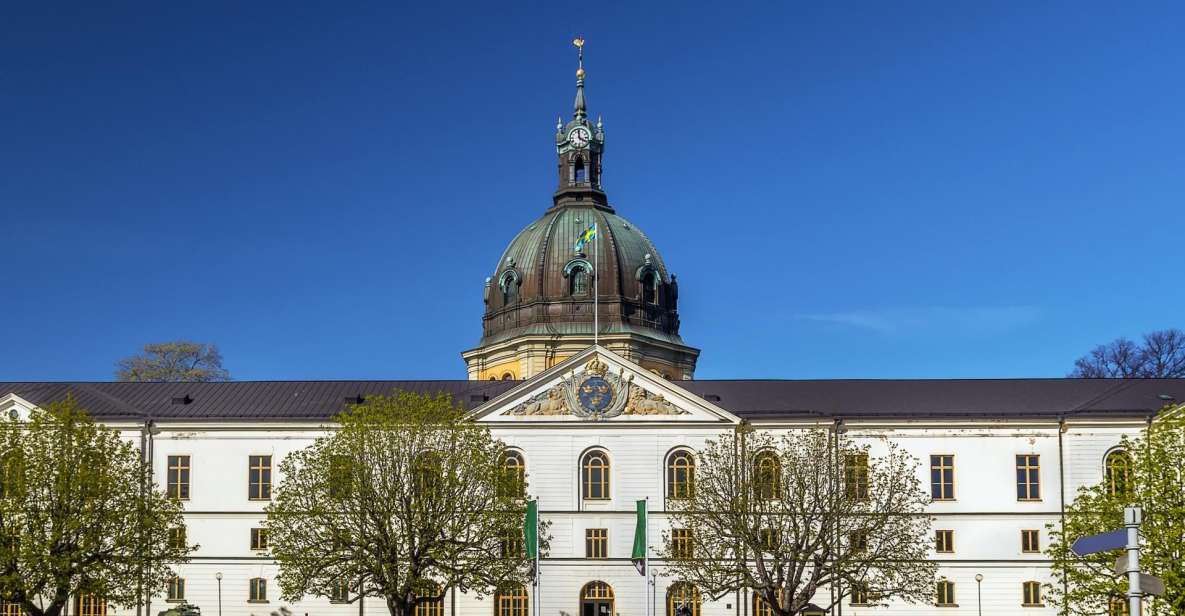
- Optional Army Museum visit with Raoul Wallenberg content and wartime artifacts
Gamla Stan starts at the Lars Johan Hierta Monument
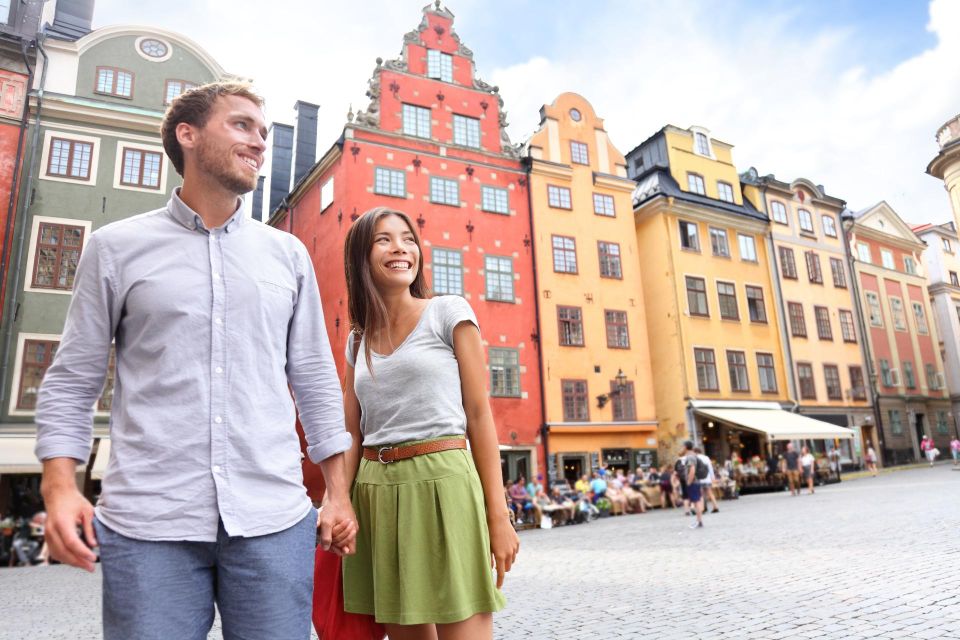
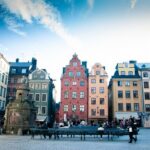
The tour meets at the Lars Johan Hierta Monument in Riddarhustorget 9. It’s a smart way to begin, because it signals that this won’t be a pure military drill; it’s about the political and social climate that shaped decisions during World War II.
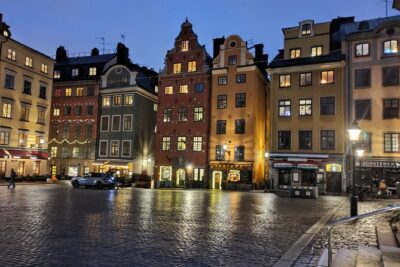
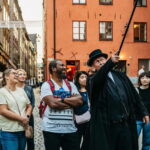
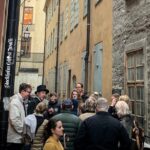
You’ll then move through Stockholm’s Old Town (Gamla Stan) with a licensed guide fluent in your chosen language—English is available, along with German, Italian, French, Spanish, Russian, and Swedish. The pacing is designed for a private group, and your group size is kept to 1–25 guests per guide. That matters here because the topics are heavy, and you want time to ask follow-ups when something doesn’t feel clear.
You can also read our reviews of more walking tours in Stockholm
Swedish neutrality under WWII: more than being “not involved”

The tour’s core theme is Sweden’s role in World War II, and it tackles a question that many visitors only skim over: how neutrality worked in practice. You’ll hear how the beginning of the war shaped Swedish decisions, and how those choices changed during the conflict.
What I appreciate is the emphasis on more than one angle. You get the domestic politics and foreign trade angle, plus the war’s direct pressure on Sweden—Soviet bombings are specifically part of the narrative. This matters because it prevents the story from becoming an oversimplified morality tale. Instead, you’re shown neutrality as something tested and reshaped by events.
You’ll also hear the uncomfortable side of the topic: how neutrality could help Germans, and how Jewish refugees fit into Swedish society during the period. The tour frames those questions around what was happening in Scandinavia as the war tightened its grip.
Royal Palace, Storkyrkan, and Parliament House: power and symbolism on the route
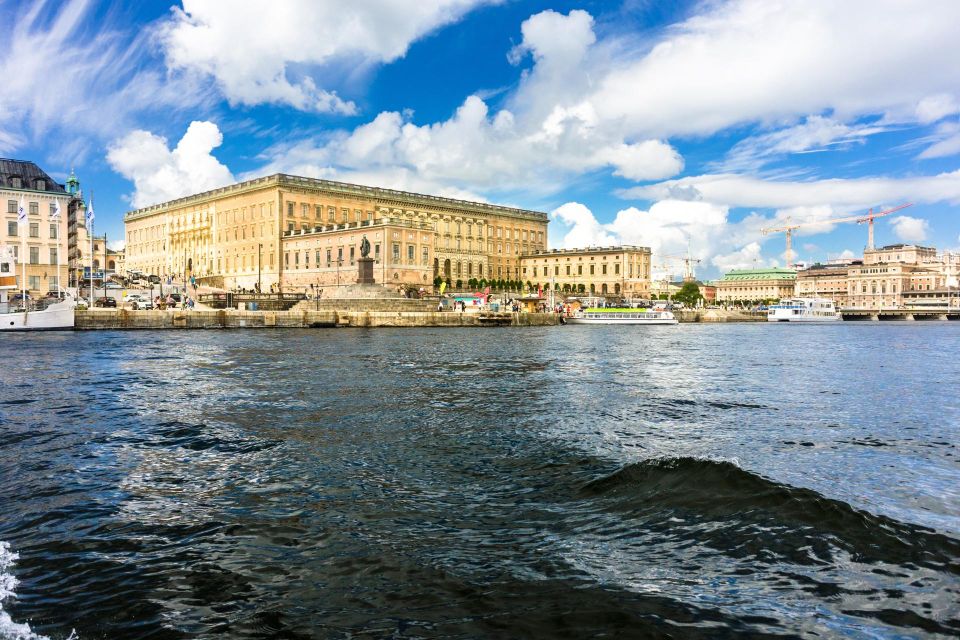
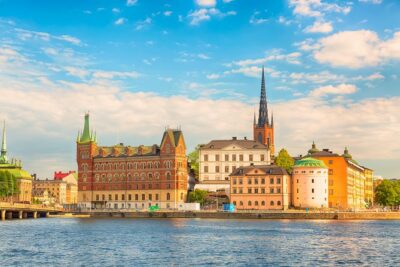
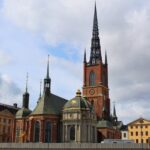
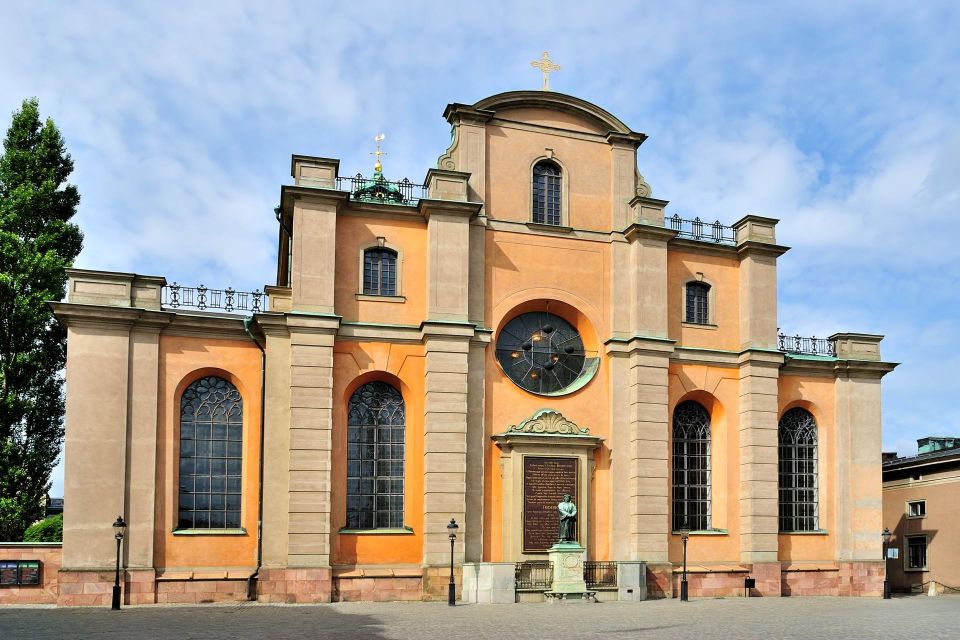
As you walk, you’ll admire major landmark stops tied to the feel of official Stockholm: the Royal Palace, Storkyrkan (the Cathedral), and Parliament House. Even if you’ve seen these buildings before, the “why” in this tour is different.
The guide uses these places to explain how Sweden’s royal family, government, and church responded to the war. That line—royal power, state decision-making, and religion—helps you understand neutrality as a whole society matter, not just a government memo.
One practical tip: since you’ll be standing and looking up, wear shoes that handle uneven Old Town pavement. Gamla Stan is charming, but it’s not built for long-distance strolling in stiff formal shoes.
Soviet bombings and the pressure of survival
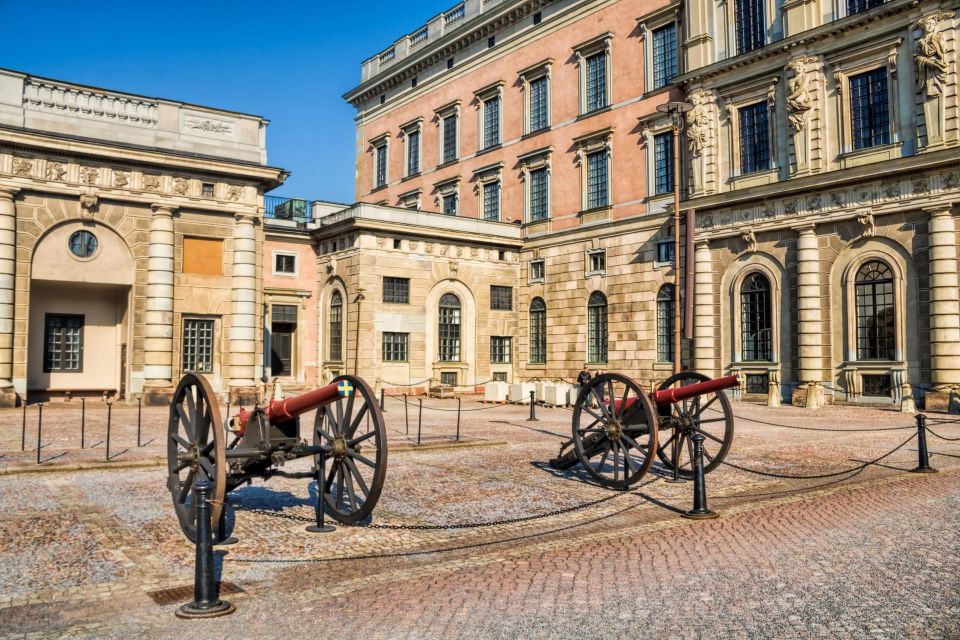
This isn’t a tour that treats Sweden as a safe spectator. You’ll learn about the Soviet bombings of Sweden and what that meant for the mood and priorities inside the country.
The key value here is that you connect “history” to feeling. Bombing isn’t just a fact to memorize; it’s a way to explain why policies can shift quickly when security is on the line. The tour also ties those pressures to how people experienced the war at home, setting you up for what comes next.
Jewish refugees, Denmark and Norway, and Operation Save Denmark
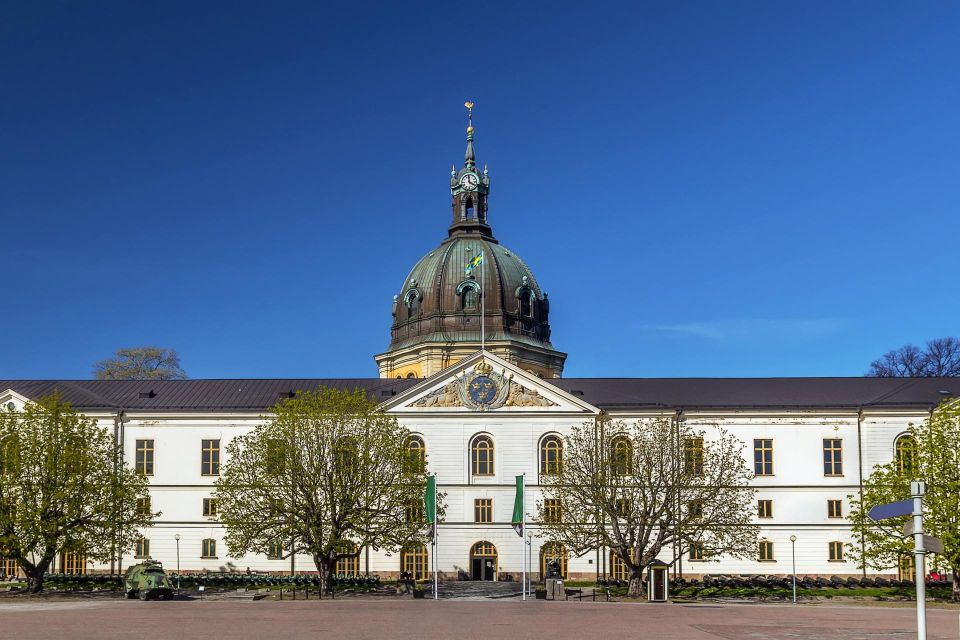
One of the most compelling themes is the humanitarian side of the story: whether Jewish refugees were welcome, and what happened to people trying to escape the German occupation of Denmark and Norway.
You’ll follow the thread from Operation Save Denmark into the broader picture of refugee flight and rescue efforts. This is where the tour becomes emotionally direct. The guide doesn’t keep the story at street-level facts; it’s aimed at helping you understand why so many lives depended on action, paperwork, help networks, and timing.
If you’re the kind of visitor who likes your history tied to real human decisions, this is one of the best reasons to take the tour.
You can also read our reviews of more museum experiences in Stockholm



Nobel Prize awards: wartime impact inside Sweden’s own institutions
Yes, the war affects everything—including a Swedish cultural milestone. You’ll learn how World War II influenced the prestigious Nobel Prize awards, and how those decisions reflected the wider wartime climate.
This stop is valuable because it breaks the idea that wartime history only happens in capitals, trenches, or at the front line. It also shows how global conflict can ripple into science, literature, and reputation—even for a country committed to neutrality.
Don’t expect this to be a lecture-heavy section. The tour uses it as a bridge, connecting international pressure to Swedish institutions and choices.
The Remembrance Path in Berzelii Park: a place built for reflection
One of the route highlights is following the Remembrance Path in Berzelii Park. This isn’t just “another park stop.” It’s part of how the tour addresses the Holocaust story and its moral weight.
The tour also includes monuments dedicated to World War II and the Holocaust. When you’re on a walking route like this, you want context so the monuments don’t feel like isolated objects. The guide supplies that context—tying remembrance to the events that led to rescue efforts and the broader tragedy.
A good move for your planning: give yourself a moment of quiet before and after the remembrance segment. If the topic hits you hard, you’ll get more out of the explanations when you let the setting sink in.
Raoul Wallenberg: the rescue story at the center
Raoul Wallenberg is the emotional centerpiece of the experience. You’ll hear the true story of his effort to save Jewish people, presented as something rooted in the realities of the war—escape routes, occupation pressures, and urgency.
The tour doesn’t treat Wallenberg as a distant “great man” only. Instead, it presents the effort as part of a larger humanitarian struggle. That focus is repeated later in the Army Museum option, where one exhibition is dedicated to Raoul Wallenberg as well.
If you want one clear takeaway from the route, it’s this: Wallenberg’s name becomes easier to understand when you learn the surrounding context first. That’s how the guide keeps the story from feeling like a standalone legend.
Army Museum add-on (3-hour option): Sweden’s wartime and peacetime story
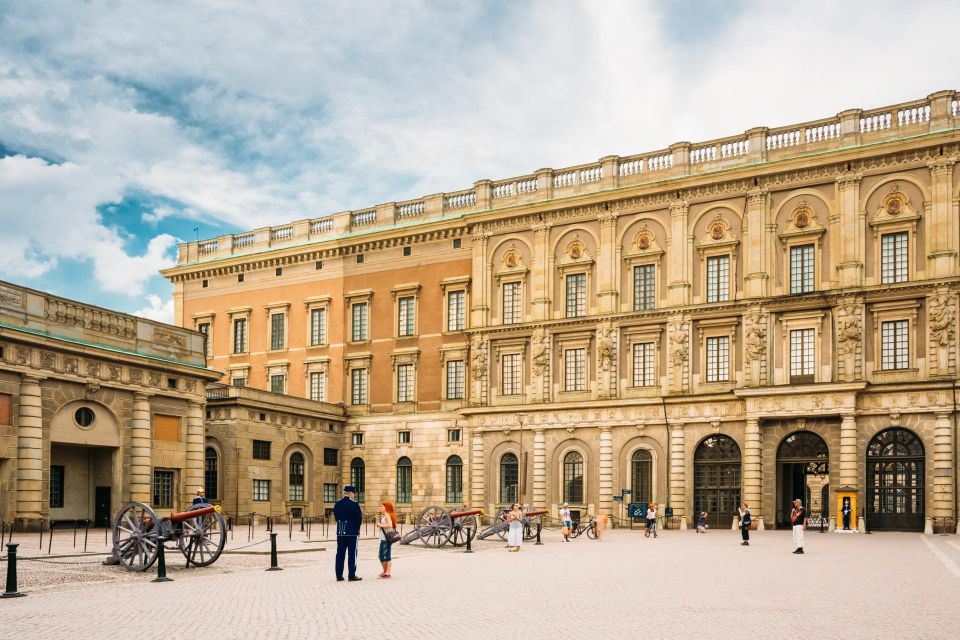
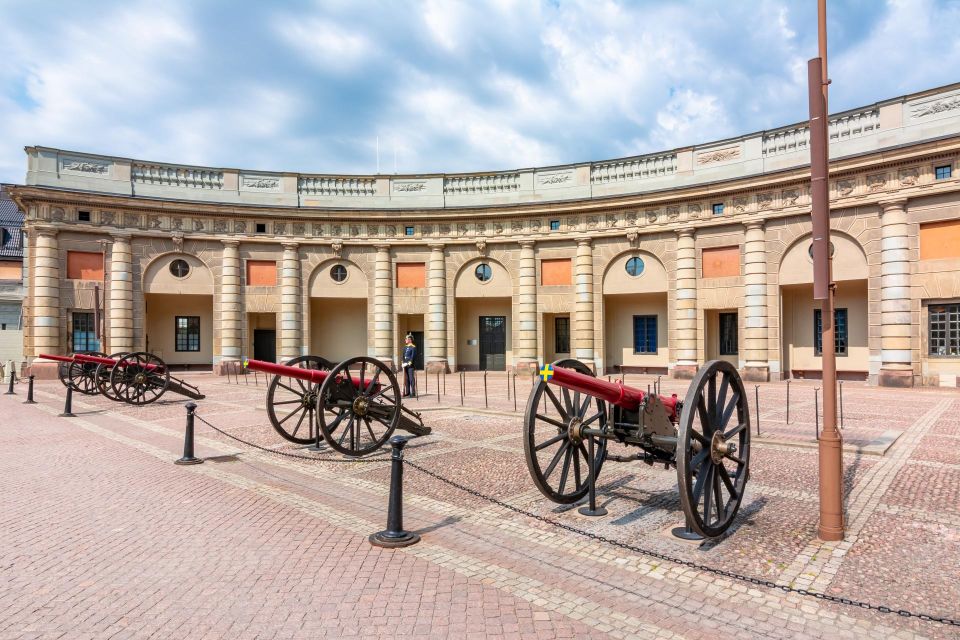
If you choose the extended 3-hour tour, you’ll visit the Army Museum, and you’ll actually get tickets included. The 2-hour option is Gamla Stan only, so you’ll miss this museum portion unless you upgrade.
The museum’s scope is a big plus: it explores more than 500 years of wartime and peacetime in Sweden. That long view helps you see that World War II didn’t just happen once and then vanish—it fit into a bigger pattern of military life, family life, and social conditions.
Inside, you’ll learn about living conditions for soldiers, their families, and the general population. That human angle matters. A lot of military exhibits focus on weapons first; this one clearly aims for the everyday side too.
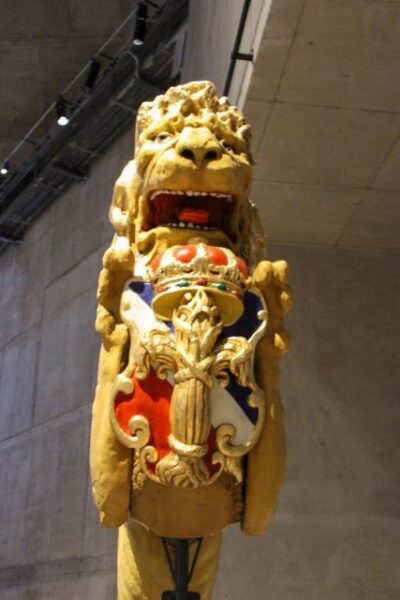
You’ll also see an exhibition dedicated to Raoul Wallenberg, plus historical documents, military uniforms, weapons, and trophies. For history buffs, it’s the kind of mix that keeps the museum from feeling like a single-theme exhibit.
WWII Stockholm tour value: is $205 per person a good deal?
At $205 per person for a 2–3 hour private experience, you’re paying for two things: a licensed guide and a route that connects the dots between politics, places, and humanitarian history.
Here’s how I think about value:
- If you book the 2-hour tour, you’re paying mainly for expert walking time through Gamla Stan and Holocaust- and WWII-focused stops and monuments. That can be worth it if you want a focused overview without museum time.
- If you book the 3-hour tour, the price becomes easier to justify because the museum visit is included and you get tickets. The Army Museum material—Raoul Wallenberg exhibition, documents, uniforms, weapons—adds depth fast.
Also, the private-group setup helps. With group sizes capped per guide, you’re less likely to feel like you’re stuck in a giant crowd while listening to detailed, sensitive material. That’s a quality-of-experience factor that often matters more than people expect.
If you’re traveling with friends or family and you want a guide who can tailor the pace, this format can feel like better value than you’d expect for the time you save.
Who this tour is best for (and who might pass)
This is best for you if you:
- care about how neutrality worked, not just what Sweden officially claimed
- want the Raoul Wallenberg story explained with real context and stop-by-stop relevance
- like combining walking landmarks (Royal Palace area, Parliament House area, remembrance spots) with an evidence-based museum visit
You might consider a different option if you:
- only want light sightseeing and photo stops with minimal political and humanitarian discussion
- are sensitive to heavy Holocaust-related content and want a more general history overview
The tone can be serious, because the topics are serious. That’s not a drawback; it’s the point. Just make sure it matches your travel mood.
Should you book this WWII Stockholm Old Town walking tour?
I’d book it if you want more than a “tourist version” of World War II in Sweden. The way this experience ties Swedish neutrality, Scandinavia’s wartime pressure, and Raoul Wallenberg’s rescue work into an actual walk through Stockholm makes it feel grounded.
If you’re torn between options, my practical advice is simple: if you’re a history buff or you love museum artifacts and documents, choose the 3-hour version so you can pair the Old Town narrative with the Army Museum’s Raoul Wallenberg exhibition and wartime material. If you want a shorter, more focused route, the 2-hour tour still gives you the key storytelling stops around Gamla Stan and remembrance.
FAQ
What is the duration of the WWII Stockholm Old Town walking tour?
The tour duration is listed as 2–3 hours, depending on the option you select.
Does the 2-hour tour include the Army Museum?
No. The Army Museum is only included in the 3-hour option, and tickets are not included in the 2-hour tour.
What is included in the walking tour?
You get a WWII-themed walking tour through Stockholm’s Gamla Stan and Holocaust/WWII-focused monuments and stops. The exact number of attractions depends on the option you choose.
Where is the meeting point?
Meet your guide in front of the Lars Johan Hierta Monument, Riddarhustorget 9, 111 28 Stockholm.
What languages are available for the guide?
The tour offers guides in German, Italian, French, Spanish, Russian, English, and Swedish.
Is this a private group tour?
Yes, it’s a private group experience.
Is the Army Museum visit included for the 3-hour tour?
Yes. The 3-hour option includes tickets to the Army Museum.
Is the tour wheelchair accessible?
Yes, the activity is wheelchair accessible.
Closing note
This isn’t just a “WWII sights” stroll. It’s a thoughtfully structured way to understand Swedish neutrality under pressure, follow the remembrance route, and connect Raoul Wallenberg’s rescue story to the places and exhibits where his work is explained. If that’s your kind of travel, you’ll likely feel satisfied with how much you learn in just a few hours.