REVIEW · STOCKHOLM
Unique walking tour Stockholm
Book on Viator →Operated by Stockholm By Me - Unique Walking Tours · Bookable on Viator
Stockholm makes more sense with the right guide. This tour gives you an insider look at famous sights and quieter corners, led in small group size (max 15) so the stories actually land. One thing to plan for: it’s mostly an outside-view experience, and a few metro moments may require you to use paid transit to see what you came for.
I love how the guide, Tomas (a 4th-generation Stockholm native), uses clear English and real-life context, not just names and dates. You start at Café Opera on Karl XII’s torg and finish near The Castle at Slottsbacken, with free viewpoints and plenty of chances to ask questions.
In This Review
- Key things I’d watch for before you go
- A Stockholm tour that teaches you how to look
- Meeting at Café Opera and ending near the Castle
- Why the walking + metro approach works in Stockholm
- Stop-by-stop: what you’ll get (and what you won’t)
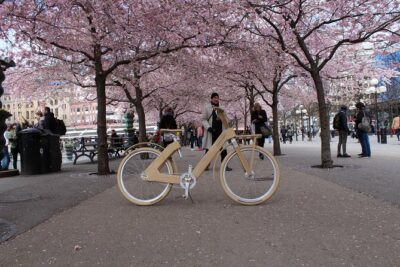
- Kungsträdgården: a smart first chapter in city trivia
- Berzelii Park: learning to read public space
- Kungstornen: the city’s skyline explained in plain language
- Outside the Stockholm Concert Hall: famous building, better context
- Olof Palme Memorial Plaque: civic memory with real-world weight
- Gallerian: modern shopping, traditional Stockholm thinking
- Mosebacke Torg and the walk toward Södermalm: local atmosphere
- Skeppsholmen: islands, perspective, and photo angles
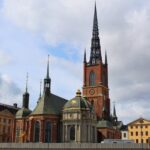
- Riddarholmen: a quick outside lesson that pays off later
- Royal Palace (outside): the flag detail that sticks
- The guide makes the difference: Tomas’s delivery style
- Price and value: is $65.69 worth it?
- Who should book this Stockholm walking tour
- Quick practical tips so you enjoy it more
- Should you book Unique Walking Tour Stockholm?
- FAQ
- How long is the Unique walking tour Stockholm experience?
- Is the tour in English?
- What is the maximum group size?
- Do you enter the Royal Palace or the Stockholm Concert Hall?
- Where does the tour start and end?
- What is the cancellation policy?
Key things I’d watch for before you go

- Max 15-person groups make it feel like a local chat, not a parade
- Metro + street-art moments add a side of Stockholm most first-timers miss
- Outside-only landmark stops keep the pace brisk and the focus on seeing and noticing
- Neighborhood variety goes beyond the postcard route into places like Södermalm
- Olof Palme and Royal Palace flag details give you history you can actually picture
A Stockholm tour that teaches you how to look
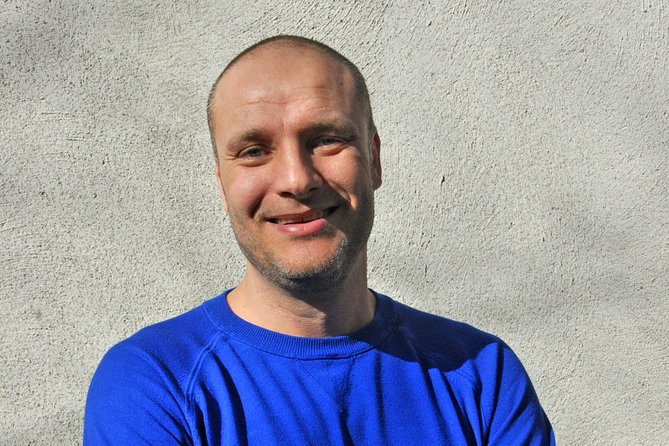
Stockholm can look complicated at first. Water everywhere. Islands. Bridges that feel like they belong in a movie set. This tour helps you read the city instead of just collecting photos.
You’ll move through classic landmarks and spots that feel more lived-in. That mix is the point. If all you do is hop between the big sights, you’ll leave with a checklist. If you take this, you’ll leave knowing what the city values—public spaces, civic memory, and how Stockholmers show pride and identity in everyday life.
And the small group size matters more than you’d think. With a max of 15, Tomas can slow down for questions. He can also tailor his delivery to the energy in your group, which is why the experience often feels interactive instead of lecture-style.
You can also read our reviews of more walking tours in Stockholm
Meeting at Café Opera and ending near the Castle
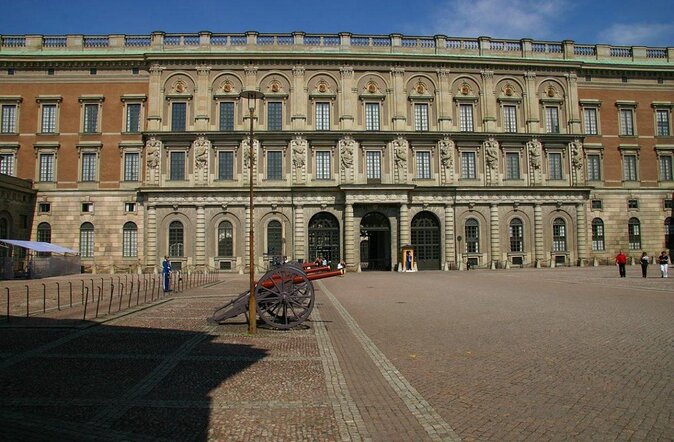
The tour’s start at Café Opera, Karl XII’s torg 5 is handy. It’s central, easy to reach with public transport, and you’re already in a part of town where Stockholm feels “proper” but not stuffy.
You end by The Castle (Slottsbacken 8), which is a smart closer. Even if you continue exploring afterward, you land near one of the biggest visual anchors in the city. It’s a good payoff: you’re not walking aimlessly to your next thing—you’re finishing where your sightseeing instincts already want to be.
Practical note: expect a steady walking pace and some transit. The tour is built for momentum, not lingering.
Why the walking + metro approach works in Stockholm
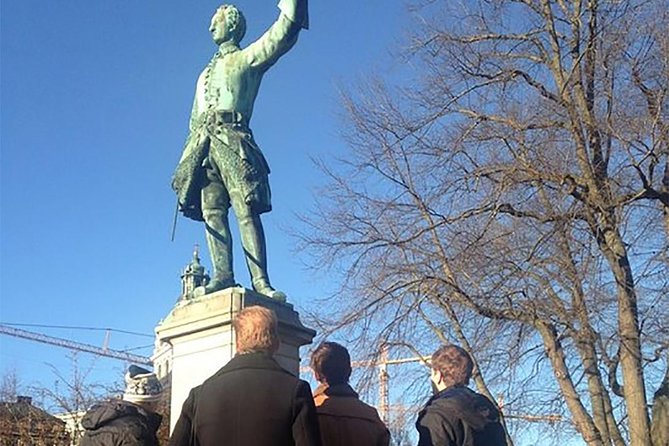
This is not a stay-in-one-neighborhood tour. You’ll cover a lot of ground in a short window, and you’ll likely use public transport along the way. That helps in Stockholm where distances feel longer than they look on a map.
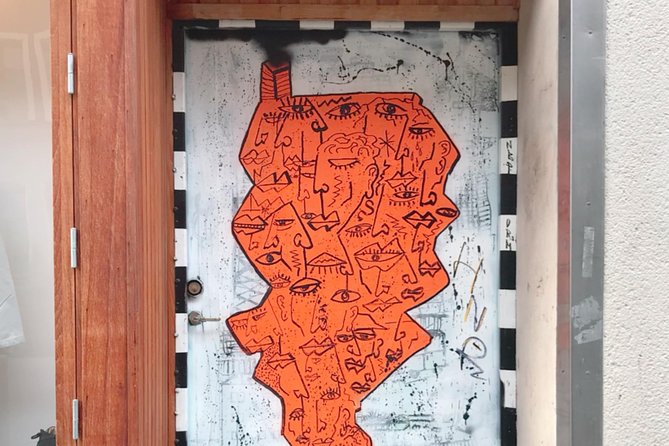
One highlight is the metro side of Stockholm—specifically art on the blue line stops. The metro isn’t just transportation here; it’s part of the city’s visual culture. If you want to enjoy this fully, plan to be okay paying for transit as needed. One past experience mentioned needing a metro ticket to access the art area, which is a good reminder: the tour doesn’t replace your responsibility for transit fares.
If you’re the type who likes to travel fast but not shallow, this format is a win. You’ll get variety without spending the whole day bouncing from place to place on your own.
Stop-by-stop: what you’ll get (and what you won’t)
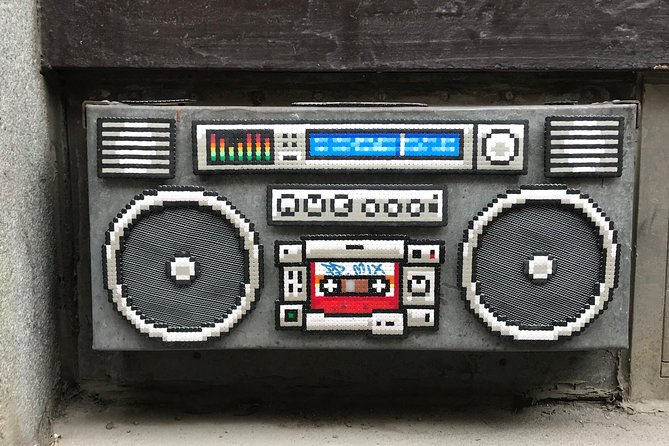
Below is the tour flow, with what each stop contributes to your Stockholm picture.
Kungsträdgården: a smart first chapter in city trivia
You begin at Kungsträdgården for about 15 minutes. This opening stop sets the tone: quick history, small details, and trivia that makes later landmarks click into place.
As a first stop, it’s useful because you’re in an area that makes Stockholm feel “central.” You get bearings fast. You also learn the kind of stories Tomas likes to tell—things tied to how locals remember the city, not just facts pulled from a sign.
Potential drawback: because it’s an early stop, it can feel brief if you’re the sort who wants to linger and photograph every angle. Still, it’s a great warm-up.



Berzelii Park: learning to read public space
Next up is Berzelii Park for about 10 minutes. Parks are an underrated classroom in Stockholm. They show how the city uses open air—where people gather, where visitors blend in, and how “outdoor life” fits into daily routines.
The tour keeps it moving, so don’t expect a long sit-down moment. Instead, think of this as a guided way to understand the role of small urban spaces in Stockholm identity.
Kungstornen: the city’s skyline explained in plain language
At Kungstornen (about 10 minutes), you’ll get more story and context tied to place. Even without going inside anything, you’re training your eye: what you’re seeing, why it matters, and how it connects to the city’s evolution.
This is where Tomas’s personality shows. He’s proud of his city, and he tells the story in a way that makes landmarks feel like parts of a living system, not museum objects.
Outside the Stockholm Concert Hall: famous building, better context
You spend around 10 minutes at the Stockholm Concert Hall and you tour outside only. You’re not going in, but that can still be worthwhile. The outside view is enough to connect architecture and culture—especially if your guide points out details you’d usually walk right past.
If you were hoping for inside access or a concert-hall visit, you’ll need to adjust expectations. This tour is about streets, symbols, and stories you can absorb on the move.
Olof Palme Memorial Plaque: civic memory with real-world weight
Olof Palme Memorial Plaque is another 10-minute stop. This is where the tour sharpens from “pretty city” into “how Sweden talks about its own history.”
You’ll hear offbeat stories and cultural context tied to Swedish public life. It’s the kind of stop that turns political history into something you can feel—because it’s connected to a physical marker in the city.
If you like history but hate boring lectures, this is a good place to be happy you booked.
Gallerian: modern shopping, traditional Stockholm thinking
At Gallerian, you’re again outside only for about 10 minutes. This is a practical shift: you’re shown how Stockholm layers modern function over older patterns of how people meet, move, and spend time.
It also breaks the rhythm. After palace-and-landmark energy, this feels like the city’s present tense.
Mosebacke Torg and the walk toward Södermalm: local atmosphere
Mosebacke Torg gets about 10 minutes, then you move into Södermalm for roughly 20 minutes. This is one of the tour’s best value sections because Södermalm isn’t just another stop—it’s a different Stockholm mood.
You’ll learn how neighborhoods shape identity, and you’ll get an on-the-ground sense of where locals tend to linger. It’s the kind of part of the city that helps you later understand which areas feel “young,” which feel “historic,” and where Stockholm’s personality shifts.
Small caution: if you’re traveling with limited mobility, factor in that you’re walking between viewpoints and neighborhoods.
Skeppsholmen: islands, perspective, and photo angles
Skeppsholmen is around 10 minutes. Island geography changes everything about Stockholm views—angles, spacing, and the way buildings frame water.
Even without a long stop, this works because it gives you perspective. It reminds you Stockholm is not one city; it’s a chain of connected spaces. You’ll feel that in how you view the skyline later.
Riddarholmen: a quick outside lesson that pays off later
At Riddarholmen you’ll tour outside only for about 10 minutes. This is a strong “quality over quantity” stop. You don’t get long photo time, but you do get guided attention: what to notice and how the location fits into the broader city story.
If you want to keep the tour pace fast, this is perfect. If you need lots of unstructured time at each site, you might feel slightly rushed—but that’s the trade-off for the full-route experience.
Royal Palace (outside): the flag detail that sticks
The final major stop is the Royal Palace for about 10 minutes, and again you tour outside only.
This is where I’d tell you to slow down mentally, even if you don’t physically. In at least one memorable moment Tomas highlighted a detail many people miss: when the King is in the office, you can see a full Swedish flag over the palace, compared with a pennant when he is not. It’s the kind of practical noticing that makes you feel like a pro in one day.
If you love symbols and how they communicate status without words, this stop is a payoff.
The guide makes the difference: Tomas’s delivery style
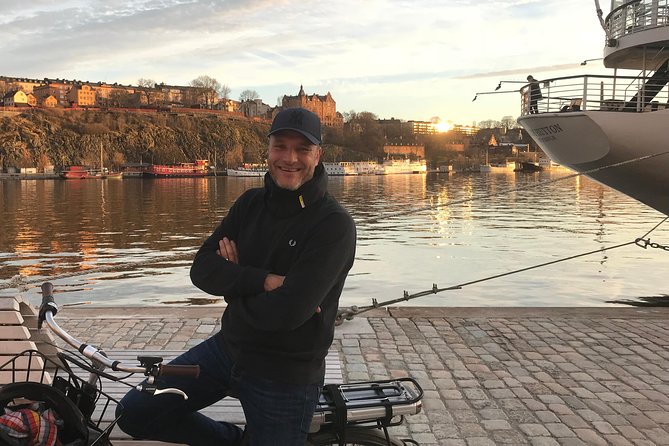
What shows up again and again in the way this tour gets praised is the guide. Tomas (and the variations of his name in past group feedback) is described as:
- prompt and clear at the meeting point
- fluent in English
- interactive, not just talking at you
- proud of Stockholm, with stories that connect facts to daily life
I also like the small “human” touches: guides who answer questions without rushing are worth more than guides who just stick to a script. If you’re new to Stockholm, or even if you’ve been once and want a more local angle, that Q&A energy matters.
There’s also a helpful practical side mentioned in group experiences: Tomas often shares restaurant recommendations, which is a smart add-on when your walking tour ends near The Castle and you still have dinner to plan.
Price and value: is $65.69 worth it?
At $65.69 per person for around 2–3 hours, the value depends on what you want from your time in Stockholm.
Here’s how I’d judge it:
This price feels fair if you want:
- a guided route that covers multiple major landmarks and different neighborhoods
- a local storytelling style, with you learning what to notice
- a group size small enough to ask questions and stay engaged
- a tour that’s efficient for first-timers or returnees who want a different angle
The value feels weaker if:
- you want lots of inside access (this tour is mostly outside)
- you hate paying additional costs for metro rides that you might want for the metro art portion
- you’re expecting a deep architecture interior experience at each landmark
In other words: if you’re buying “context and city reading,” you’re paying for that. If you’re buying “admissions and indoor time,” you might feel disappointed.
Who should book this Stockholm walking tour
This tour is a good match if you are:
- visiting Stockholm for the first time and want your bearings fast
- someone who enjoys stories tied to culture, identity, and public life
- okay with a brisk pace and a mix of walking plus transit
- traveling with a small group or as a couple who benefits from a guide that can engage
You might skip or switch plans if you:
- need long stops for photos at each site
- expect full indoor access to major buildings like the palace or concert hall
- strongly prefer a self-guided itinerary with minimal transit planning
Quick practical tips so you enjoy it more
- Arrive early at Café Opera. One missed-meeting story in the broader tour universe is a reminder that timing at the start is everything.
- Wear comfortable shoes. This is a walking-and-transport route, not a sit-down history class.
- Bring a curious mindset. The best moments here are the ones that connect small details to bigger ideas.
- Budget a bit for transit if you’re relying on metro stops for the art portion.
Should you book Unique Walking Tour Stockholm?
If your goal is to understand Stockholm beyond postcards, I’d say yes. The biggest reason to book is the combination: small group size, a local guide with strong English, and a route that balances landmark recognition with less obvious neighborhood feel. You also get teachable moments, like the palace flag detail, that make you feel like you’re “in on” how locals read the city.
Book it with the right expectations: you’re touring outside at several major sights, and you’ll get the most out of it if you’re happy to walk and use public transport when needed. If that sounds like your style, this is a solid, efficient way to see real Stockholm in a short window.
FAQ
How long is the Unique walking tour Stockholm experience?
The tour runs about 2 to 3 hours.
Is the tour in English?
Yes, the tour is offered in English.
What is the maximum group size?
The group size is capped at 15 travelers.
Do you enter the Royal Palace or the Stockholm Concert Hall?
No. For these and a few other major stops, the tour is outside only.
Where does the tour start and end?
It starts at Café Opera, Karl XII’s torg 5, 111 47 Stockholm and ends at The Castle, Slottsbacken 8, 111 30 Stockholm.
What is the cancellation policy?
You can cancel for a full refund up to 24 hours in advance of the experience start time.