REVIEW · STOCKHOLM
The Story of Stockholm and Sweden in Three Chapters, a Small Group Walking Tour
Book on Viator →Operated by Stockholm DriveAndGuide · Bookable on Viator
Stockholm tells its story in three neat chapters. This walk links early settlement, royal power, and modern Swedish ideas, with small groups capped at 10 and admissions built into the route so you spend your time learning instead of queuing.
I like that the tour moves at a friendly pace for a compact 2 hours, with short stops that still connect to big themes like independence, religion, and political change. The one thing to keep in mind: most moments are outdoors or quick glimpses, so if you want long museum time, you’ll still need to plan extra visits on your own.
In This Review
- Key takeaways before you go
- Why this tour feels like the fastest route to real Stockholm
- Price and what you’re actually paying for
- Meeting at Gamla Stan: where the story begins
- Stop-by-stop: Chapter One around Riddarholmen
- Stop 1: Riddarholmen historical marker (the ice-age to settlement setup)
- Stop 2: Riddarholmen Church exterior and Birger Jarl
- Chapter Two: from the House of Nobility to a sovereign Sweden
- Stop 3: Riddarhuset (House of Nobility) and Gustav Vasa
- Stop 4: Vasabron and the heirs after Gustav Vasa
- Stop 5: Parliament at Riksdagshuset and how voting evolved
- Stop 6 and 7: Royal Palace area and the three big “ages”
- Stop 6: Lejonbacken viewpoint and the fall from great-power dreams
- Stop 7: Old Town and Carl XIV Johan’s modern-turning point
- Stop 8: Stortorget, Nobel connections, and guard change timing
- What I’d watch for during the walk (to get the most out of it)
- Who this tour suits best
- Should you book it?
- FAQ
- How long is the Three Chapters small group walking tour?
- How many people are in each group?
- What language is the tour offered in?
- Where does the tour start and where does it end?
- Is admission included during the tour?
- Do I need to buy tickets in advance?
- What fitness level do I need?
- Can I cancel for free, and how late can I do it?
- What will I see near the end of the tour?
Key takeaways before you go
- Small group size (max 10) keeps questions in range and the pace comfortable
- Admissions are included along the way, helping you avoid ticket lines
- Three chapters of Swedish history turn scattered landmarks into one timeline
- Big-name influences get explained, including how Swedish companies like Spotify and IKEA fit the national story
- A smart finish near Stortorget can line up with changing of the guards
- Moderate walking level is manageable, but you should still plan for city walking
Why this tour feels like the fastest route to real Stockholm
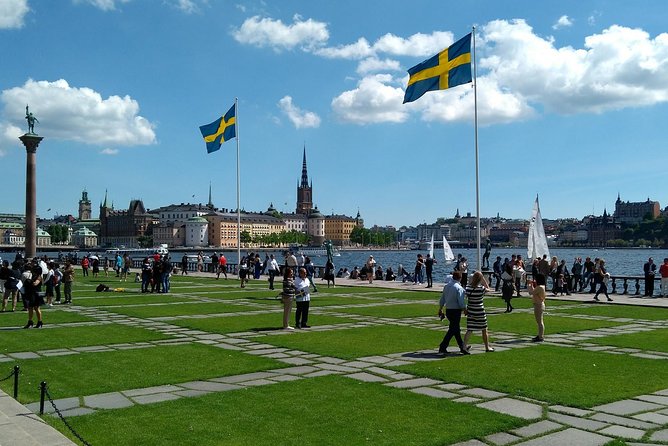
If you’ve been to Stockholm before, you know the city can feel like two places at once: pretty waterways and serious history. This tour helps you connect the dots. You’re not just looking at buildings—you’re following a story arc that starts with the earliest settlement ideas, builds through kings and institutions, and then lands in the modern era.
The format matters. The guide breaks history into three chapters as you walk from Gamla Stan toward the Royal Palace area. That structure is what turns a handful of stops into something you can remember later. And with a group capped at 10, it’s easier to hear explanations at each point and ask follow-up questions without the tour turning into a loud shuffle.
You can also read our reviews of more walking tours in Stockholm
Price and what you’re actually paying for
At $61.28 per person for about 2 hours, this isn’t a budget “wander and hope” kind of tour. You’re paying for:
- English guidance
- A tight, pre-planned route
- Admission included along the way
- A small group cap that keeps it personal
If you like history but also want efficiency—no wasted time hunting entrances—this price starts to make sense quickly. If you’re the type who only enjoys tours when you’re inside major museums for a long time, you may find the stop times short. Still, for an orientation plus context, the value is strong.
Meeting at Gamla Stan: where the story begins
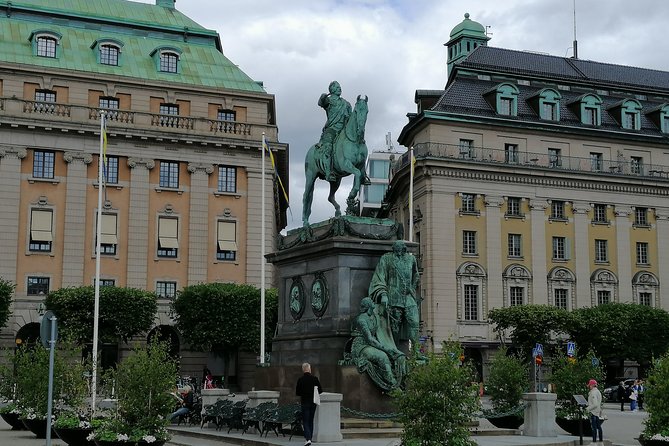
The tour starts at Gamla Stan Metro station, inside/under ground, in front of the Pressbyrån kiosk, with the meeting point address listed as Munkbrogatan 8. From there, you head into the area that sets up the whole timeline.
Why that start works: Gamla Stan is where Stockholm’s layers show most clearly. Starting by the metro also keeps it practical. You’re likely to arrive by transit without complicated navigation, and the tour is close to public transportation.
You should also plan on moderate walking. The stops are short, but the route still adds up, and you’ll be moving between key points around Riddarholmen, Parliament Square, and Old Town.
Stop-by-stop: Chapter One around Riddarholmen
Chapter One is all about origins—how Stockholm and Sweden take shape over time, from ice-age thinking to early settlement on the islands.
Stop 1: Riddarholmen historical marker (the ice-age to settlement setup)
You begin with the Riddarholmen historical marker, and the guide frames the big picture first: the era from the ice age until the first settlements on the islands. It’s a classic “start with the environment” move that makes later political stories easier to understand.
One practical plus here is time. You get about 15 minutes at this beginning point, so you’re not rushing through the foundation. Admission is marked as free here, and the broader theme is that the tour includes what you need without extra pay-at-the-door steps.


Stop 2: Riddarholmen Church exterior and Birger Jarl
Next you move to Riddarholmen itself. Outside the Riddarholmen Church, you’ll see the presumed founder of Stockholm—Birger Jarl—or at least his statue. This stop is short, but it has a key anchor date: 1252, the first mention of “Stockholm” in a written text that still survives.
That detail matters. A lot of city tours say “this place is old.” Here, you get a specific recorded moment. It helps you visualize Stockholm as a real place with a paper trail—not just a scenic old quarter.
Chapter Two: from the House of Nobility to a sovereign Sweden
Chapter Two shifts from origins to power: who controlled Sweden, how decisions were made, and what it took to keep the kingdom independent.
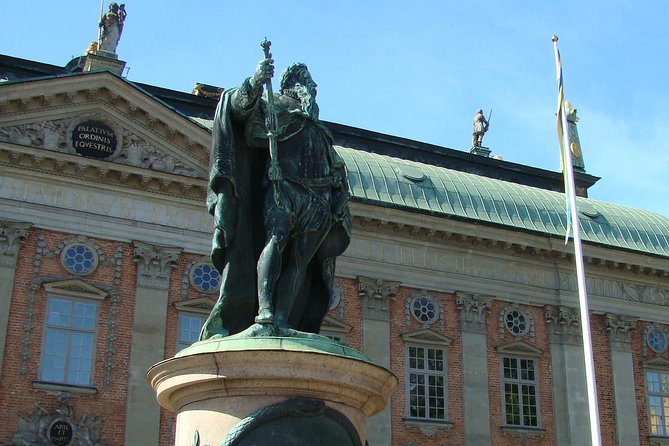
Stop 3: Riddarhuset (House of Nobility) and Gustav Vasa
You pause outside Riddarhuset, the House of Nobility, with the statue of Gustav Vasa, often described here as the father of Sweden. This is the story pivot point.
You’ll hear how Sweden’s path to sovereignty ties to the events around the Bloodbath of Stockholm. The tour describes Gustav Vasa’s role after his father’s death and the killings of about 80 to 100 other noblemen during that massacre. The message is clear: power in Sweden didn’t change quietly.
Then comes another big thread: religion. The tour notes how Gustav Vasa changed Sweden’s religion from Catholicism to Lutheran Protestantism. Whether you’re a history nerd or just trying to understand modern culture, this shift explains a lot of how Scandinavian institutions developed.
Stop 4: Vasabron and the heirs after Gustav Vasa
From Riddarhuset you cross toward Vasabron, continuing the family story—heirs and heiresses of Gustav Vasa. This stop focuses on Gustav II Adolf, Gustav Vasa’s grandson, described as the greatest warrior king in the narrative.
This is where the tour connects Swedish strength to geography. During Gustav II Adolf’s time, the Baltic Sea became almost like an inland sea, surrounded by Swedish possessions. That’s the sort of “map idea” that you’ll carry with you while you’re walking Stockholm’s waterfront later.
Stop 5: Parliament at Riksdagshuset and how voting evolved
If Chapter Two is about royal and noble power, Stop 5 is about political systems. You’ll stand outside Riksdagshuset, the parliament building, and learn what came before it.
You’ll hear about the predecessor of parliament: the Riksdag of the Estates, or Ståndsriksdagen, where nobility, clergy, burghers, and peasants met separately. Then they combined discussions to meet the king in the palace. It’s a system that sounds strange until you picture it as a patchwork of society.
The timeline keeps moving:
- Until 1866, the institution functioned as Sweden’s highest authority next to the king.
- In 1866, a parliament with two chambers was introduced, but without equal voting rights for all citizens.
- The first elections with general suffrage took place in 1921, after political struggle led by liberals and socialists.
Even if you don’t plan to memorize dates, this stop gives you a framework. You start to understand why Swedish governance feels steady today—because you’ve seen the long, staged shift from estates to modern voting.
Stop 6 and 7: Royal Palace area and the three big “ages”
After Riksdagshuset, the tour lines you up for Chapter Three around the Royal Palace.
Stop 6: Lejonbacken viewpoint and the fall from great-power dreams
At Lejonbacken on the north side of the Royal Palace, Chapter Three starts. This part moves into Sweden as a northern European power that gets tested hard.
The guide explains how Peter the Great of Russia ended Sweden’s ambitions in Northern Europe. You’ll also learn about Karl XII, described here as the last of the warrior kings, with a statue pointing east—toward where Karl and the Caroleans first scored major victories, then eventually got defeated by Peter the Great in Poltava (1709).
Then the story shifts again with the age of enlightenment. Arts and science start to matter more. Gustav III is described as an enlightened despot with major interest in theatre, and the tour notes contributions in those areas. This gives you a helpful balance: Sweden isn’t only swords and campaigns. It’s also culture and changing priorities.
Stop 7: Old Town and Carl XIV Johan’s modern-turning point
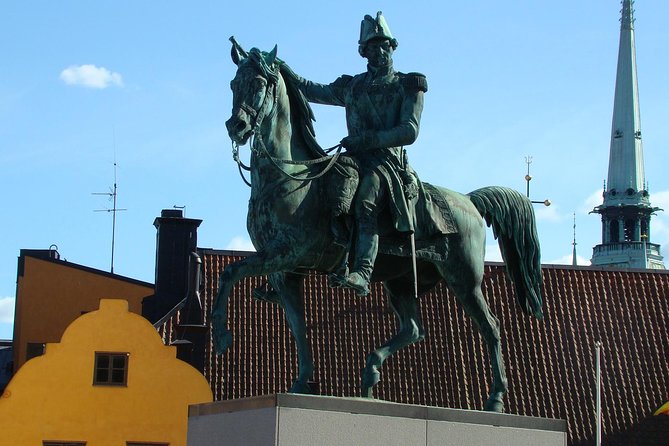
Below the statue of Carl XIV Johan in Old Town, the tour moves into the 19th-century and beyond. Carl XIV Johan is presented as the first Bernadottes, brought to Sweden from France to help regain what Sweden lost to the Russians. The twist is what he focused on after arriving: diplomacy, infrastructure, and education.
The tour also points to a longer view of modern Sweden. It mentions that in 2014, Sweden celebrated 200 years of peace. The story then links the industrial revolution, natural resources, and Swedish inventions to the foundation for a welfare state, with entrepreneurs continuing the development through the 20th and 21st centuries.
This is where those modern company references make more sense. The highlight notes learning about the origins of famous companies like Spotify and IKEA, and it’s not random name-dropping. The guide’s point is that modern Swedish business culture grew inside a longer chain of education, infrastructure, and economic change. You leave with a better sense of why those brands feel so “Swedish,” not just “Scandinavian marketing.”
Stop 8: Stortorget, Nobel connections, and guard change timing
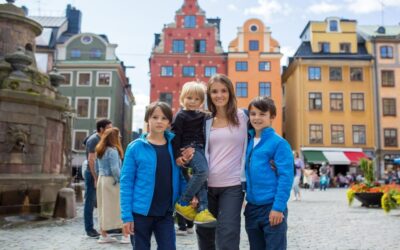
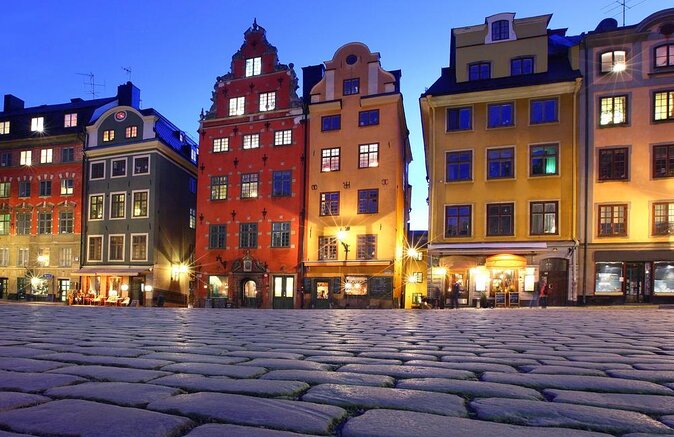
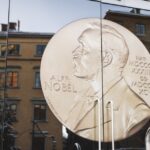
You wrap at Stortorget, close to the Royal Palace. Stortorget is where the Nobel Prize Museum sits, and the tour connects that to the Swedish Royal Academies that designate Nobel winners across major fields in science and art.
Then comes the practical win: the tour ends near the Royal Palace and aims for timing that can help you catch the changing of the guards. During summer months, the parade can march or ride with the Music Corps through up to the Outer Courtyard of the palace.
Even if you don’t catch it perfectly, you’ll be in the right neighborhood at the right moment. And because your tour already walked you through the palace story earlier, seeing the guards feels like part of the same narrative instead of a random tourist moment.
What I’d watch for during the walk (to get the most out of it)
This tour works best when you treat it like a moving textbook. Here’s how to make it pay off:
- Look for the “why” behind each monument. The guide points out founders, institutions, and turning points (like 1252, 1523, 1866, and 1921). If you remember the why, the facts stick.
- Take mental notes on the turning themes. Independence, religion, governance, and the shift from warrior kings to enlightened culture and diplomacy.
- Use the pace. Stop times are short, so if you’re interested in a specific era, ask the guide at that point. The small group size makes that realistic.
- Plan extra time afterward if you want more depth. This tour ends near major sights. If you like what you hear, you’ll have a natural list of next stops.
Who this tour suits best
This experience is a strong fit for you if:
- You want a clear storyline through Stockholm’s big eras
- You prefer guided context over solo wandering
- You like history but want it delivered in a compact format
- You care about how the old world connects to modern Swedish identity and business
It may be less ideal if:
- You want long indoor museum time at each stop
- You hate walking between multiple city points within a short overall duration
Should you book it?
If you’re visiting Stockholm for the first time, or if you’ve been once but didn’t really connect the landmarks to the bigger story, I think this is a smart use of time. The price reflects guidance plus included admissions, and the small group size makes it easier to hear and understand. The three-chapter structure is the real value: you don’t just see places, you learn a timeline you can reuse.
If your dream day is mostly indoor museums or slow wandering, you might feel a bit rushed by the short stop rhythm. Still, even then, the finish near Stortorget and the possible guard change timing can make the day feel complete.
If you want to get your bearings fast and come away with the “how Sweden became Sweden” story, this is an excellent call.
FAQ
How long is the Three Chapters small group walking tour?
The tour lasts about 2 hours.
How many people are in each group?
The group is capped at a maximum of 10 travelers.
What language is the tour offered in?
The tour is offered in English.
Where does the tour start and where does it end?
It starts at Munkbrogatan 8, 111 27 Stockholm, Sweden (near Gamla Stan Metro station, in front of the Pressbyrån kiosk) and ends at Stortorget, 111 29 Stockholm, Sweden.
Is admission included during the tour?
Yes. Admission is included along the way, and several stops note admission ticket free.
Do I need to buy tickets in advance?
You get a mobile ticket, and the tour includes admissions as part of the route, so you should not need to line up for those included stops.
What fitness level do I need?
You should have a moderate physical fitness level, since it’s a walking tour with multiple stops.
Can I cancel for free, and how late can I do it?
You can cancel for a full refund up to 24 hours in advance of the experience start time.
What will I see near the end of the tour?
The tour ends at Stortorget, near the Nobel Prize Museum, and it’s timed to help you see the changing of the guards near the Royal Palace.