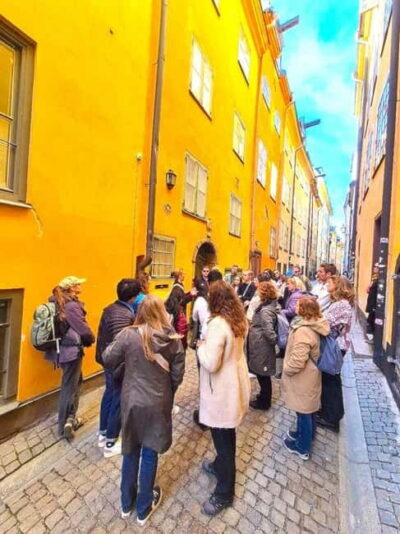
REVIEW · STOCKHOLM
Stockholm: Underground Metro Art Ride with a Local Guide
Book on GetYourGuide →Operated by LocalBini AG (EU) · Bookable on GetYourGuide
Stockholm’s art hides under your feet. This is a small-group metro ride where Swedish creativity from the 1950s to today shows up in the most unexpected place: the Stockholm subway.
I really like two things about this experience. First, you get a guided way to read the stations like a museum, with stories tied to 150+ artists and major public works you’d likely walk past without noticing. Second, you also leave with practical local ideas for where to eat and drink, not just art facts.
One drawback to plan around: it’s not suitable for mobility impairments, and you’ll be on the move in a busy underground setting. Comfortable shoes are not optional here.
In This Review
- Key highlights you’ll feel right away
- Where You Start: T-Centralen by Nils Ericson
- Why Stockholm’s Subway Feels Like an Art Museum
- How the Tour Flows Through Swedish Art from 1950s to Later Decades
- What you might notice in the most memorable stations
- The Art Forms: What Each Type Does to the Station Experience
- Paintings and mosaics
- Sculptures and reliefs
- Changing or more install-like works
- Archaeology Bonus: Ancient Columns Underground
- Meeting Local Stockholm Taste Immediately After the Art
- Price and Value: Is $128 Worth 1.5–2 Hours?
- Comfort, Timing, and What to Bring (So the Tour Feels Easy)
- Who Should Book This Metro Art Ride
- A Note on Guides and the Personal Touch
- Should You Book This Tour?
- FAQ
- Where do we meet for the tour?
- How long is the Stockholm metro art tour?
- Is the subway ticket included?
- How big is the group?
- What languages is the guide available in?
- What should I bring?
- Is the tour suitable for people with mobility impairments?
- Can I cancel, and is there a pay-later option?
Key highlights you’ll feel right away
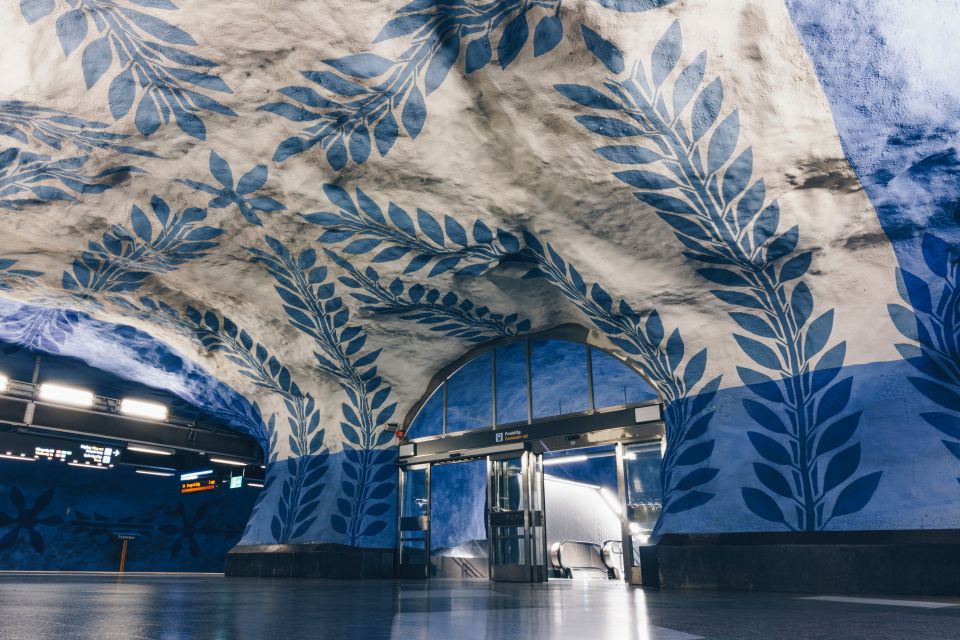
- Small group (up to 8 people) with a local guide who can slow down or speed up for your pace
- Subway ticket included, so you’re not juggling transit purchases mid-trip
- Art across decades: installations tied to the post-1950 era through later Swedish art
- More than murals: paintings, mosaics, sculptures, reliefs, and changing installations in multiple stations
- Archaeology extras: you’ll also spot historical elements like ancient columns underground
- Food-and-drink tips aimed at helping you plan the rest of your Stockholm days
Where You Start: T-Centralen by Nils Ericson
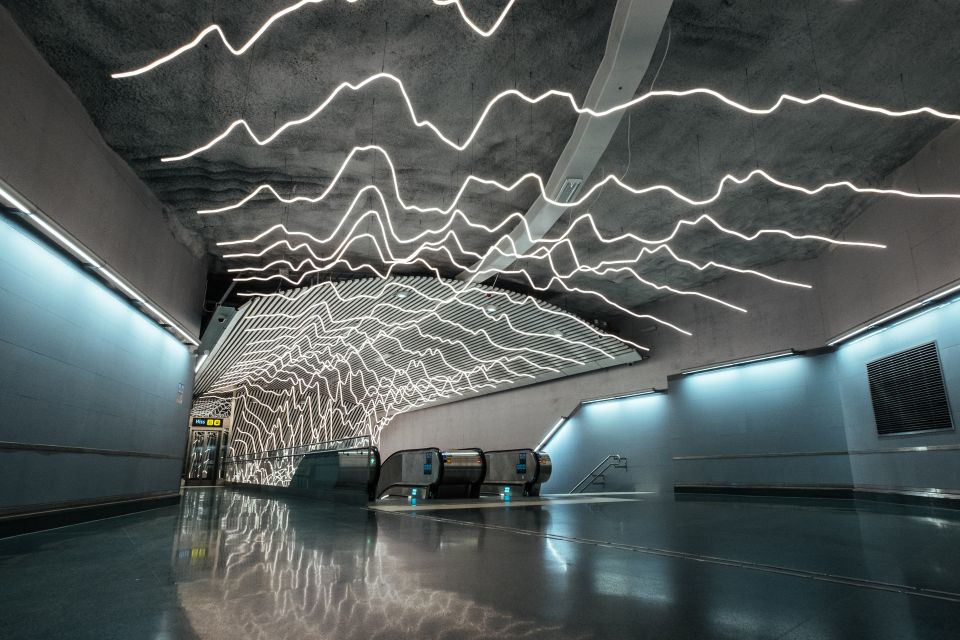
The meeting point is easy to remember: right next to T-Centralen metro station, in front of the Nils Ericson statue. That matters because you’re not trying to hunt for a start time underground. You show up, meet your guide, and you’re off.
This is a tour that works best when you’re ready to walk a bit and keep your phone handy. You’re going to be moving between stations and spending time looking up, reading details, and listening to the guide’s context. Think of it as a focused sightseeing sprint, not a slow wander.
You can also read our reviews of more guided tours in Stockholm



Why Stockholm’s Subway Feels Like an Art Museum
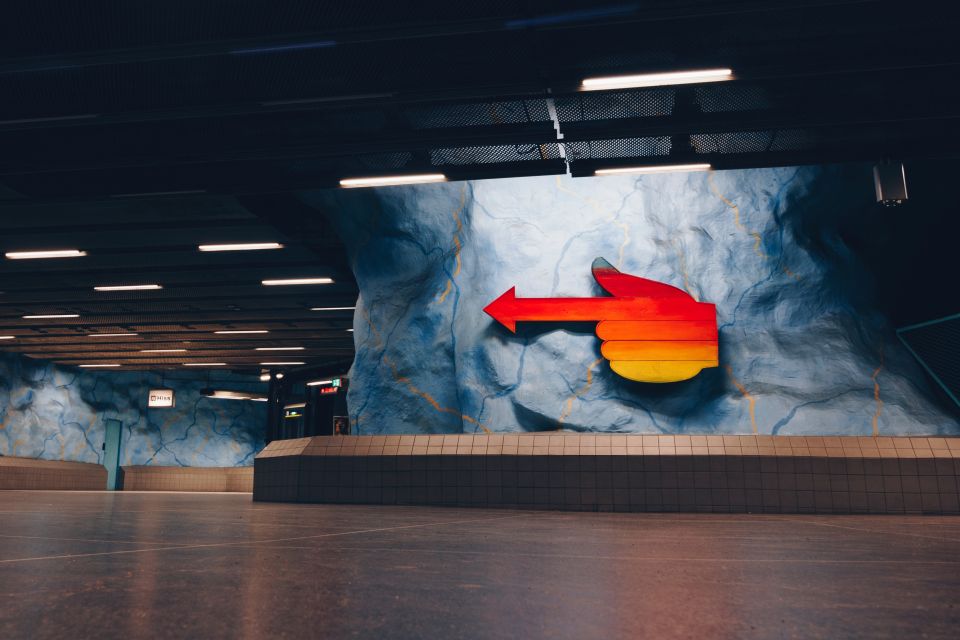
Stockholm’s subway is famous for a reason: it’s not just transportation, it’s public art on a daily route. You’ll be stepping into a place where art lives where people actually go—work, school, errands—so the experience feels grounded, not staged.
Here’s what makes the whole thing click:
- There are 90+ unique art installations spread across 110 stations
- The guide connects the artwork to Swedish artistic development from roughly the 1950s through later decades up to the 2000s
- The design includes multiple art forms—so it’s not only paintings on walls
Your guide helps you notice patterns: how styles change, how materials differ, and how each station tries to shape the feeling of passing through it. Even if you’re not a “museum person,” the subway format makes it accessible. You’re not standing in a gallery hoping to understand something—you’re walking through it, repeatedly, on purpose.
How the Tour Flows Through Swedish Art from 1950s to Later Decades
You’re not going to see everything Stockholm offers. That’s the point of doing it with a guide: you get the best selections, tied to stories that make the art easier to understand quickly.
Expect the tour to unfold in a way that feels chronological, even if the exact stations vary. You’ll start with early-to-mid modern Swedish art themes and then move forward through later styles. Your guide’s job is to help you “read” what you see without drowning you in art-school terms.
A practical way to think about it: the subway is your moving timeline. Instead of flipping through labels, you’ll carry ideas with you from one station to the next—like how public art can reflect identity, not just decorate space.
What you might notice in the most memorable stations
Your guide points out artwork types that many people miss because they assume the subway is only practical. Depending on which stations are chosen for the day, you’ll spend time on:
- Paintings with strong visual storytelling
- Mosaics with details that reward stopping for a closer look
- Sculptures that change the way a platform feels
- Reliefs where texture matters more than distance
- Installations that can feel more temporary or changing in mood
This variety is valuable for two reasons. One: it keeps the tour from getting repetitive. Two: you start to understand that “art in the subway” can mean lighting, structure, and placement—not only what’s on the wall.
The Art Forms: What Each Type Does to the Station Experience
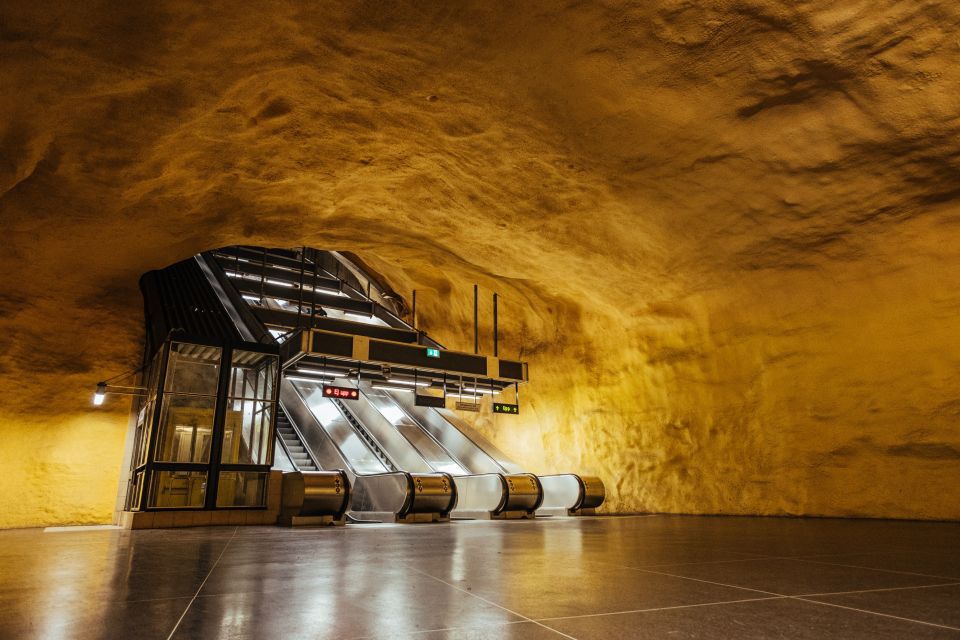
Part of the fun is learning how different art styles affect what it feels like to wait for a train. The guide helps you connect the “look” with the “function” of the space.






Paintings and mosaics
These usually make you slow down first. Paintings tend to grab you from across a platform; mosaics reward a closer approach. Either way, you’ll learn where to look—corners, edges, and details that don’t register when you’re just commuting.
Sculptures and reliefs
Three-dimensional pieces change the whole geometry of the station. A sculpture can turn a simple pause point into a little moment of theater. Reliefs are the opposite: they teach you to stop thinking in flat images and start looking at depth.
Changing or more install-like works
These can feel like the subway version of rotating exhibitions. You’ll likely spend less time staring and more time absorbing an overall atmosphere.
One small caution: because stations can be active and sometimes crowded, you won’t always have unlimited viewing space. That’s normal. Your best move is to follow your guide’s direction about where to stand and when.
Archaeology Bonus: Ancient Columns Underground
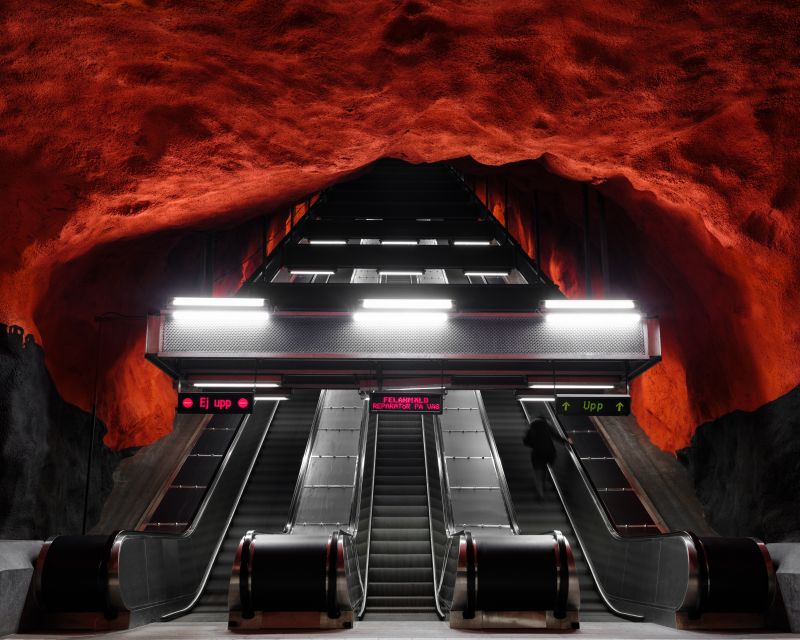
Here’s a piece that surprised me in the best way: the tour includes archaeological elements alongside the art. The idea is that the subway isn’t only a modern canvas; it can also reveal older layers of place.
You’ll learn about underground “finds” like ancient columns that add a historical angle to what you’re seeing. It gives your brain a new question to ask: not just what year this art was created, but what time layers are literally underfoot.
That historical depth is one of the reasons this tour feels more substantial than a quick photo stop. You end up with a sense of Stockholm as a city that keeps building over itself—and sometimes bringing the past back into view.
Meeting Local Stockholm Taste Immediately After the Art

The art is the headline, but your guide’s local recommendations are the practical payoff. You’ll get tips for bars, cafés, and restaurants, plus suggestions for lesser-known places depending on what you like.
This part matters because Stockholm can feel polished in the tourist center. A local guide helps you:
- match food choices to your energy level (quick snack vs. sit-down meal)
- pick spots that fit your day plan
- avoid spending your limited time chasing the most obvious listings
If your schedule is tight, this is especially useful. You’ll start turning the tour’s observations into your next stops—where to go after you resurface.
Also worth noting: small-group format means questions aren’t awkward. If you want something specific, like a calm café vibe or a lively bar evening, you’ll generally be able to ask.
Price and Value: Is $128 Worth 1.5–2 Hours?
At $128 per person for a 1.5 to 2 hour small-group tour, this isn’t a cheap “walk-and-photos” activity. You’re paying for three things:
- a local guide who connects the artwork to meaning
- access to subway use via a ticket included in the price
- curated time in a place that’s visually rewarding but easy to misread alone
If you love art but hate complicated museum logistics, this is a strong match. You’re getting high value from interpretation. If you’re only in Stockholm for a short visit and want a memorable way to see more than one station, it can also be efficient.
That said, there is a real “price sensitivity” factor. One clear theme from the experience feedback is that some people feel it’s too expensive. If you’re on a strict budget, you might prefer doing a self-guided route using the subway on your own time.
But if you’re the kind of traveler who enjoys explanations and wants your time to feel intentional, the cost can make sense quickly—especially because the subway ticket is included and the group stays small.
Comfort, Timing, and What to Bring (So the Tour Feels Easy)
This tour is not suitable for mobility impairments, so plan around stairs and walking in an active public transit environment. Even without mobility issues, you’ll want to be ready for uneven crowds and underground movement.
Bring:
- Comfortable shoes
- A charged smartphone
The charged smartphone isn’t about “tech magic.” It’s simply practical. You’ll likely want it for photos and for keeping your bearings while you move between stations and listen.
Time-wise, plan for 1.5 to 2 hours. Stops can vary depending on weather conditions, and the itinerary adapts to interests and walking pace. That flexibility is good, but it also means you shouldn’t schedule this tour as the only item right before something time-critical like a late dinner reservation.
Who Should Book This Metro Art Ride
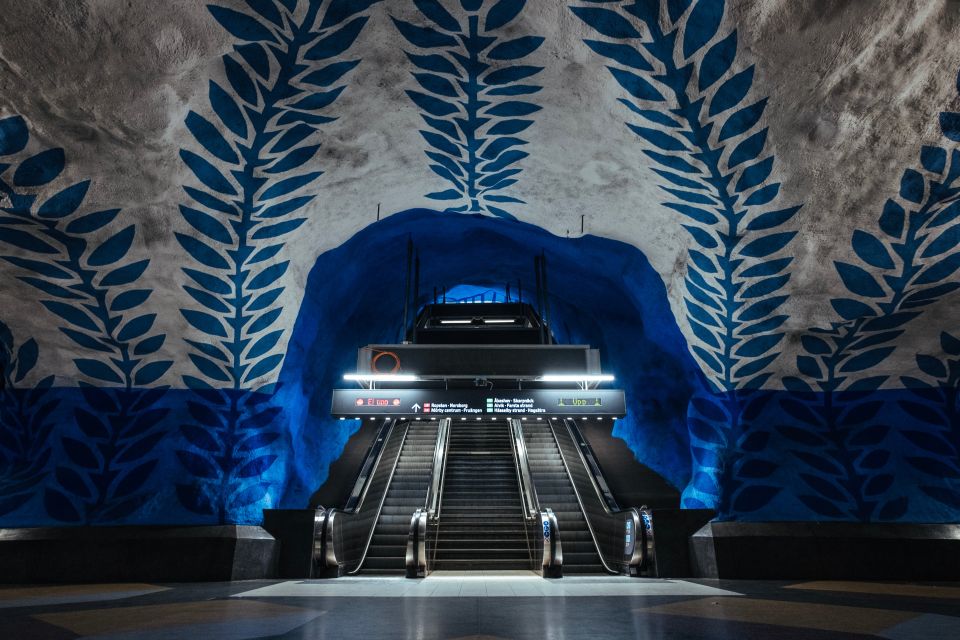
This is a great fit if you:
- want a guided introduction to Stockholm’s public art without museum fatigue
- enjoy seeing how culture changes over time, not just admiring one style
- like practical takeaways, like where to eat and drink after sightseeing
- prefer small-group tours where you can ask questions
It’s also a solid choice if you’re traveling solo or as a couple. You’ll meet up at a clear location and get a structured experience without feeling like you’re stuck in a large crowd.
It might not be your best option if you:
- are strongly price-sensitive
- want a fully accessible route
- dislike walking and standing for short periods while waiting for viewing space
A Note on Guides and the Personal Touch
This tour is hosted by an independent local, with English or Swedish live guiding. You’ll be in a group of up to 8 travellers.
Guides can significantly shape how much you enjoy the artwork. For example, English-speaking groups have been guided by people like Agneta and Rikta, and their style is described as engaging and attentive. One standout detail: in one case, a guide went beyond the planned time to show an additional station, and another guide arranged pickup at a hotel lobby. That’s not guaranteed, but it tells you the guiding can be personable and flexible.
Should You Book This Tour?
I’d book it if you want your Stockholm subway experience to be more than commuting. The best reason is the pairing of art interpretation with local recommendations. You’ll walk away with both a stronger understanding of Swedish public art and a short list of places to eat and drink.
I would hesitate only if:
- $128 feels too high for your budget
- you need a fully mobility-friendly outing
- you’d rather spend your time doing self-paced exploring without guidance
If you fall in the first group, this is one of those Stockholm activities that turns a regular part of the city into something memorable.
FAQ
Where do we meet for the tour?
Meet right next to T-Centralen metro station, in front of the Nils Ericson statue.
How long is the Stockholm metro art tour?
The tour runs about 1.5 to 2 hours.
Is the subway ticket included?
Yes. The subway ticket is included, and you don’t need to buy one for the tour.
How big is the group?
You’ll be part of a small group of up to 8 travellers.
What languages is the guide available in?
The live guide speaks English and Swedish.
What should I bring?
Bring comfortable shoes and a charged smartphone.
Is the tour suitable for people with mobility impairments?
No, it is not suitable for people with mobility impairments.
Can I cancel, and is there a pay-later option?
You can cancel up to 24 hours in advance for a full refund, and you can reserve now and pay later.