REVIEW · STOCKHOLM
Stockholm: Secrets of Gamla Stan Guided Tour w/ Fika Option
Book on GetYourGuide →Operated by Story of a City · Bookable on GetYourGuide
Cold streets, warm stories in Gamla Stan. I especially like how the guide turns Gamla Stan legends into something you can picture, and I love the option to add fika for coffee-and-pastry comfort. The only real catch is the walk happens on cobblestones, so in winter you’ll feel the cold unless you dress for it.
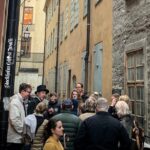
This is built for an easy-going stroll with a real human guide in English, in a small group (10 people max). You start at the Postmuseum entrance in Gamla Stan and finish at Mynttorget 1, so it’s simple to plan the rest of your day. If you need wheelchair access, this one isn’t set up for that.
In This Review
- Key takeaways before you go
- Gamla Stan secrets in 2 hours: pace, group size, and where it starts
- Postmuseum to Mynttorget: how the walk flows through Old Town
- Royal Palace, Blood Bath, and the stories behind the stones
- A cannonball in the wall and St George’s Swedish legend
- Fika option: what Swedish hospitality tastes like
- Value check: is $16 for 2 hours actually good?
- Best for winter curiosity (and small groups who like questions)
- Should you book this Gamla Stan guided tour?
- FAQ
- How long is the Stockholm Gamla Stan guided tour?
- Where do I meet the guide?
- Is the tour in English?
- How big is the group?
- Does the tour include fika?
- What should I wear for the walk?
- Is the tour wheelchair accessible?
Key takeaways before you go
- Start at a clear landmark: Postmuseum entrance (Lilla Nygatan 6) makes the meeting point easy to spot
- Small group energy: up to 10 people means more questions and a more personal pace
- High-impact stories: you’ll cover major Gamla Stan moments like the 17th-century Baroque Royal Palace and the Stockholm Blood Bath
- You’ll see the old walls up close: including a cannonball that’s literally frozen in time on an ancient facade
- Optional fika fits the mood: Swedish coffee-and-pastry tradition helps you warm up and slow down
- Cobblestones, easy walk: casual pace, but you should still wear weather-appropriate shoes and layers
Gamla Stan secrets in 2 hours: pace, group size, and where it starts
If you want the short version of Stockholm’s Old Town, this tour is a smart choice. It runs for 2 hours and moves at an easy, casual walking pace, which matters in a place built on cobblestones. The group stays small, limited to 10 participants, so the guide can actually work the crowd instead of reading a script into the wind.
English is the main language, so you won’t have to decode your way through pronunciation or complicated context. And because this is a walking tour, you get the real street-level view of Gamla Stan, not just postcard angles.
Practical tip: dress like you expect to be outside the whole time. One of the strongest themes from guide-led experiences in Gamla Stan is that the pace stays lively, but winter weather will still bite. Layers win.
You can also read our reviews of more guided tours in Stockholm


Postmuseum to Mynttorget: how the walk flows through Old Town
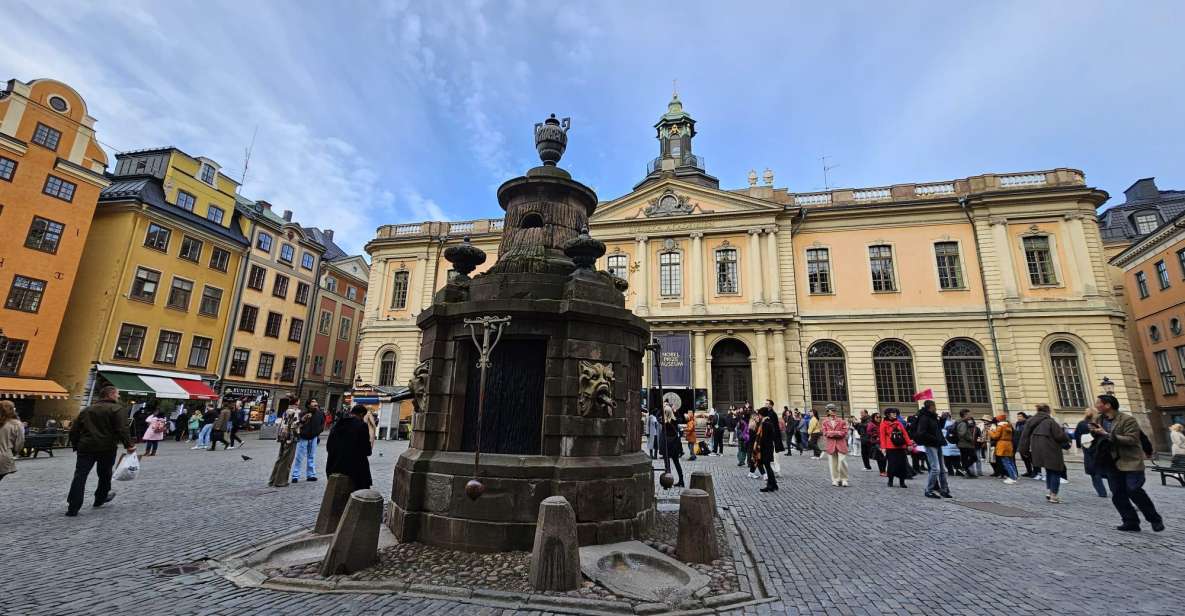
You meet at the Postal Museum (Postmuseum) entrance, Lilla Nygatan 6, in Gamla Stan. The big advantage of meeting here is that it’s a recognizable landmark, not a vague corner that could be three blocks away. The nearest subway station is Gamla Stan, which makes it easier to arrive without stress.
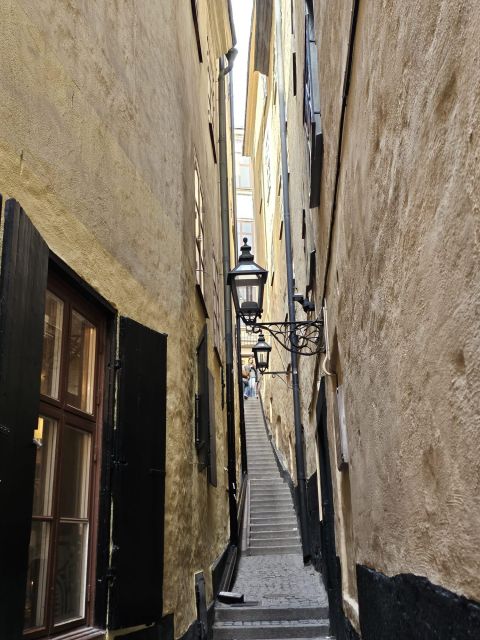
From that starting point, the walk takes you through the lanes where Stockholm’s story is written in stone and brick. You’ll get a photo stop along the way, then keep moving from sight to sight with the guide’s storytelling threaded through the streets. That structure helps you connect places that look similar at first glance. Gamla Stan can feel like one long maze until someone gives it a route and a narrative.
You finish at Mynttorget 1. That’s helpful because you’re ending in a central Old Town area, so you can keep exploring right after the tour while the stories are still fresh.
Royal Palace, Blood Bath, and the stories behind the stones
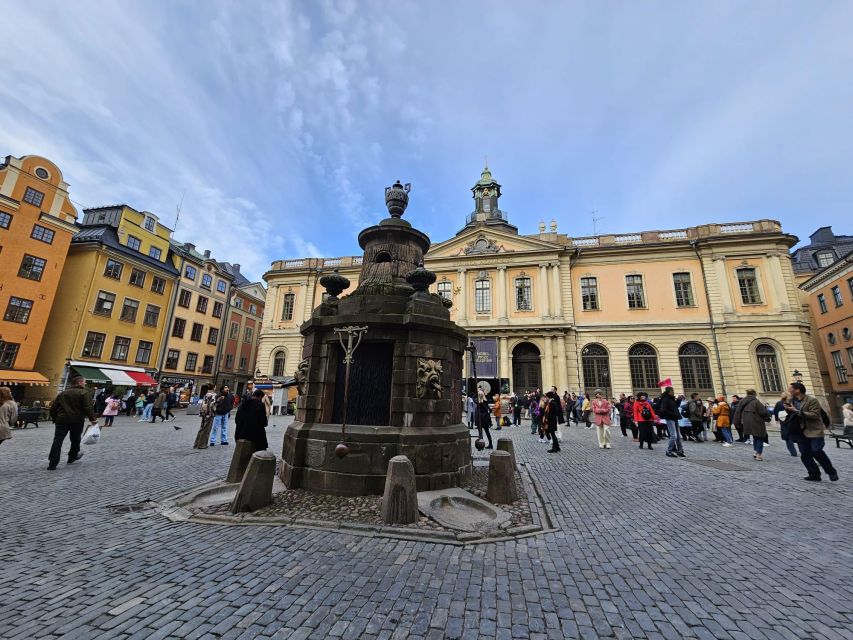
The centerpieces are classic Gamla Stan moments, explained in a way that’s easy to follow. One highlight is the 17th-century Baroque Royal Palace presence in the district. Even if you don’t plan to go inside, seeing where the palace sits in the neighborhood gives the whole area a different meaning. You start realizing Gamla Stan isn’t just pretty streets; it’s political power, daily life, and national identity all packed into a small geography.
Then the tour turns more dramatic with the tale connected to the Stockholm Blood Bath. This isn’t presented as a dry date on a sign. You’ll be guided through the why and the how, which is what makes the story stick. When you’re standing in the same city blocks where the legend takes place, the details land harder.
One thing I like about this tour style is that it doesn’t treat history like a museum exhibit. It treats it like something people argued about, feared, celebrated, and survived. That’s how you go from seeing buildings to understanding why they matter.
A cannonball in the wall and St George’s Swedish legend
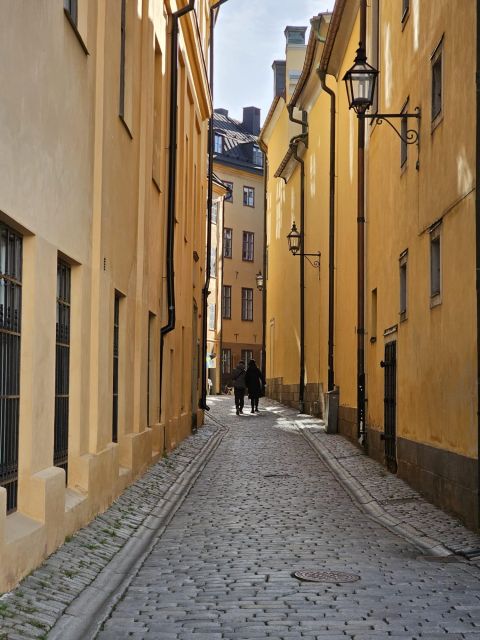
Gamla Stan has a talent for leaving clues behind, and this tour uses that. You’ll stop to look at a cannonball that’s frozen in time on an ancient facade. Seeing that kind of physical evidence makes the past feel real fast. It’s not just a story you heard; it’s an object you can point at.
Another cool stop involves the legend of St. George and the Dragon, including the Swedish version of the tale. It’s the sort of moment where folklore and symbolism show how ideas traveled and were reshaped locally. The guide’s job here is to connect the legend to what you’re seeing in the streets around it, so you don’t leave with a random myth floating in your head.
The practical payoff: these are the exact kinds of stops that help you remember Gamla Stan later when you’re back at your hotel looking at maps. You’re not only collecting photos. You’re collecting mental anchors.
Fika option: what Swedish hospitality tastes like
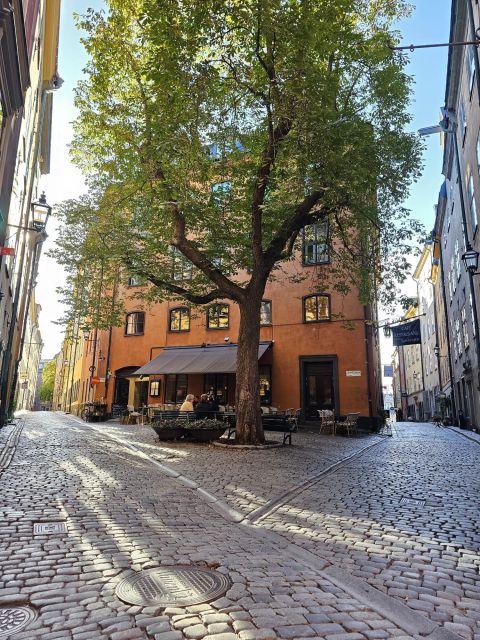
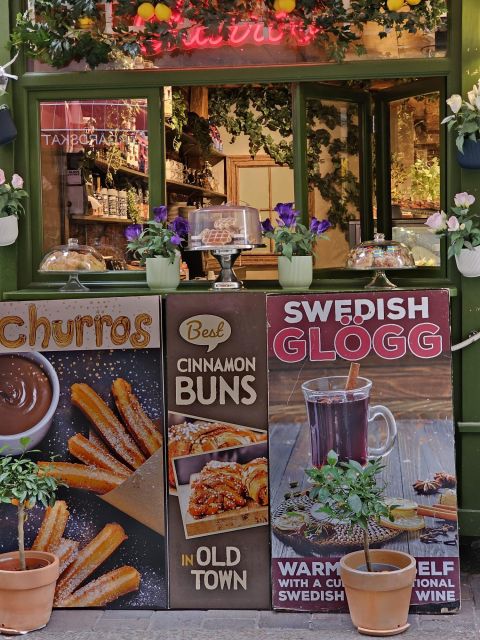
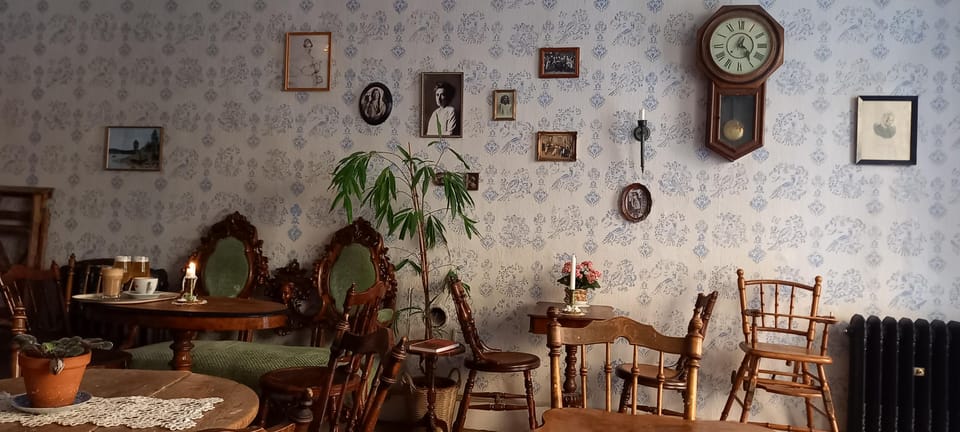
Here’s the big mood shift: after exploring cobbled streets and serious stories, you can add fika—a Swedish tradition of slowing down with coffee and pastries. The tour includes a fika experience if you choose the add-on, and it’s set up as a cozy break at a local cafe.
Why this matters for you: fika turns the tour from pure sightseeing into a full sensory experience. When it’s cold outside, warm drinks and something buttery to eat can be the difference between enjoying the end of the walk and feeling done early. It also gives you a chance to chat a bit—Swedish hospitality isn’t just words, it’s the rhythm of how people share time.
A tip if you don’t choose the add-on: ask the guide for a nearby bakery/cafe recommendation. One well-rated experience described an excellent bakery on the east side of Old Town, near the water, and the pastries were the kind you remember after you’ve gone home. If you’re staying in Gamla Stan, that area is a good place to look.




Value check: is $16 for 2 hours actually good?
At $16 per person for a guided walking experience lasting 2 hours, the value is strong—especially because the tour is small group and includes a guide, plus fika if you add it. In this part of Stockholm, “seeing Old Town” can be done without paying for a guide. But the real cost you’re avoiding is time and confusion: Old Town can be tricky to interpret, and it’s easy to miss the stories that make the streets feel alive.
You’re paying for three things that don’t happen when you wander alone:
- A guided route that connects landmarks instead of scattering them
- Explanations that give meaning to what you’re looking at
- The ability to ask questions and get straight answers on Swedish culture and what you’re seeing
If you’re the type who reads every sign and already knows the big legends, you might feel the tour is less necessary. But if you want a guided “starter pack” for Gamla Stan that you can build on later, this pricing is hard to beat.
Best for winter curiosity (and small groups who like questions)
This works well for:
- First-time visitors who want Gamla Stan context without a full-day commitment
- People who enjoy stories about power, conflict, and folklore
- Anyone who likes a small-group pace where questions don’t get lost
It may not be your best fit if:
- You need wheelchair access (this tour isn’t suitable for wheelchair users)
- You’re extremely time-crunched and won’t have the patience for a 2-hour walk on cobbles
One more reality check: in very cold weather, you’ll keep moving. That’s fun for some people, but it can be uncomfortable for others. I’d rather you over-dress than under-dress. If you run hot, cool. If you don’t, plan for it.
Should you book this Gamla Stan guided tour?
I’d book it if you want a focused way to understand Gamla Stan in two hours, with a guide who can connect the big sights—like the Royal Palace area and the Blood Bath story—to the smaller details you’ll otherwise miss, like the cannonball on a facade. The optional fika is also a practical win, because it turns a cold walk into a complete experience rather than just a race from stop to stop.
Skip it if your priority is pure independent wandering, or if cobblestone walking in colder seasons sounds miserable. Also, if you need a fully accessible route, this one doesn’t fit.
If you’re trying to decide, here’s the simplest test: if you’d rather know what you’re looking at than just look, this tour is worth your time.
FAQ
How long is the Stockholm Gamla Stan guided tour?
The tour lasts 2 hours at an easy, casual walking pace.
Where do I meet the guide?
Meet your guide at the Postal Museum (Postmuseum) entrance at Lilla Nygatan 6, Stockholm, in Gamla Stan.
Is the tour in English?
Yes. The live tour guide speaks English.
How big is the group?
The group is limited to 10 participants.
Does the tour include fika?
Fika is included if you select the add-on. If you don’t add it, you’ll still tour Gamla Stan with the guide.
What should I wear for the walk?
Bring weather-appropriate clothing. The walking is on cobblestone streets.
Is the tour wheelchair accessible?
No. The tour is not suitable for wheelchair users.
If you want, tell me your month of travel and your tolerance for cold walking, and I’ll help you pick whether to book the fika add-on.