REVIEW · STOCKHOLM
Stockholm: Nordiska Museet Entry Ticket
Book on GetYourGuide →Operated by Nordiska museet · Bookable on GetYourGuide
A museum you can feel in your bones. Nordiska Museet sits in Royal Djurgården, and the building alone makes the visit worth planning. Inside, I especially like the way the Nordic Life exhibition connects people to homes, nature, and belief—using real objects and clear stories. One thing to keep in mind: this museum runs on cashless payment, and you’ll want your own headphones for the audio guide.
If you want a Sweden-and-Nordics overview that doesn’t feel like a lecture, this ticket is a strong fit. You’ll move through lifestyles from the 1500s to the present, and you’ll see themed sections like The Arctic, Table Settings, and a 1940s apartment setup. The main drawback is simple: rules on what you can bring in (no large bags or food), so plan light and store things before you start.
In This Review
- Key things you’ll notice at Nordiska Museet
- Why this ticket is a smart way to understand the Nordics
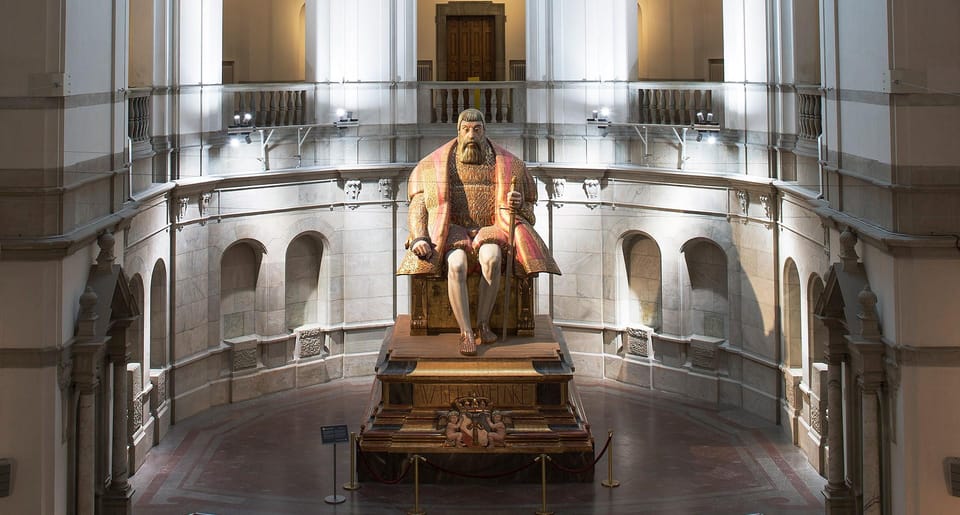
- Walking in: the Royal Djurgården setting and the iconic building
- Nordic Life: the exhibition that drives the whole visit
- Time travel without chaos: 16th century to today
- The Arctic: climate pressure made personal
- Table Settings: feasts across five centuries
- Ever so Nordic and fashion with a twist
- The 1940s Flat and Dollhouses: home as a story engine
- The museum shop and restaurant: how to keep the day practical
- Audio guide and phone text: options for different learning styles
- What you can bring (and what you can’t) inside
- How long to plan for and how to structure your time
- Who this museum ticket is best for
- Budget and value: is $19 worth your time?
- Should you book Nordiska Museet entry?
- FAQ
- Is this ticket just entry, or does it include a guide?
- How long can I spend at Nordiska Museet with this ticket?
- What languages are available for the audio guide?
- Can I read Nordic Life exhibit text without using the audio guide?
- Is the museum cash-free?
- Are large bags or food allowed inside?
- Is Nordiska Museet wheelchair accessible?
Key things you’ll notice at Nordiska Museet
- Nordic Life is the museum’s biggest exhibition and it frames Nordic culture through people, nature, and climate
- Royal Djurgården location means you can pair the museum with a proper walk in Stockholm’s green side
- Standout themed areas include The Arctic and Table Settings across centuries
- Real objects and stories make the past feel practical, not abstract
- On-phone text access for Nordic Life helps you keep pace at your own speed
Why this ticket is a smart way to understand the Nordics
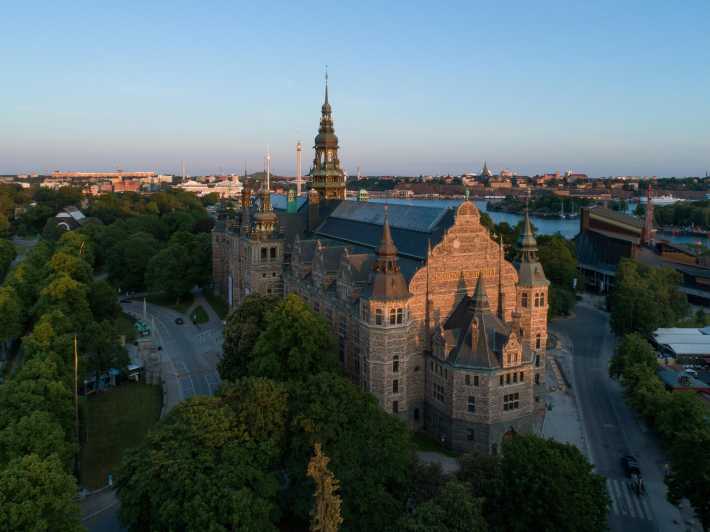
A lot of Stockholm museum tickets either zoom in on art or cover history in broad strokes. This one works differently. Nordiska Museet is set up around daily life—how people lived, what they valued, and what they built into home and routine. That focus is a big deal. It turns “history” into stuff you can picture: families, meals, clothing, beliefs, and how nature and climate shape what people do.
I also like how the museum stretches from the 16th century all the way to the present day. You’re not stuck in one time period. The result is a smoother sense of continuity: you can see what changed, what stayed, and why the Nordic way of life evolved rather than just happening.
One more practical plus: you get a full day for your ticket. Even if you’re not trying to rush, you can take breaks, skim where you want, and slow down where something grabs you.
You can also read our reviews of more tours and experiences in Stockholm



Walking in: the Royal Djurgården setting and the iconic building
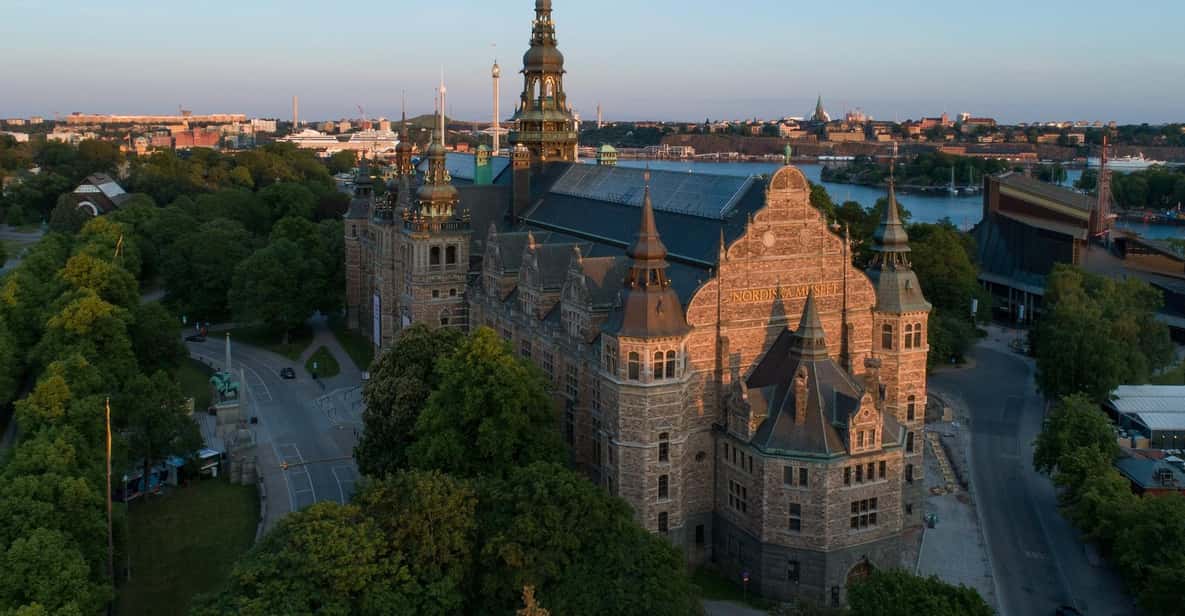
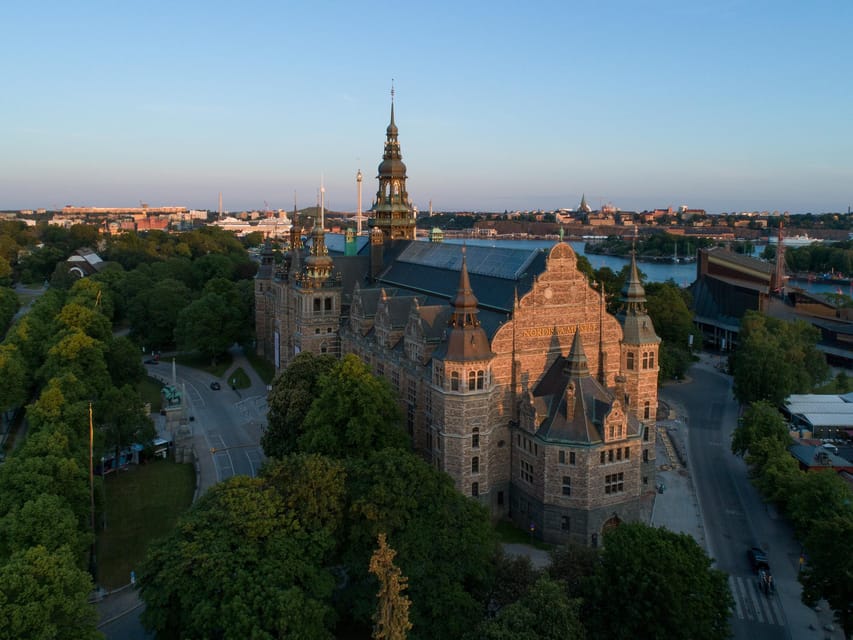
Nordiska Museet is on Stockholm’s Royal Djurgården, and the building is part of the story. From the outside, it looks like the kind of landmark that makes you pause before you even buy your ticket. Then inside, the museum’s approach feels consistent with that first impression: it’s about lived experience, not just display cases.
When you arrive, show your entry ticket to the entrance staff at the front desk. That’s the entire “meeting point” moment. No complicated pickup. Just get in and start moving.
Because the museum is located in an area known for greenery, you can plan your day around a walk before or after. If the weather cooperates, it makes the museum feel less like a trapped indoor block and more like part of a normal Stockholm day.
Nordic Life: the exhibition that drives the whole visit
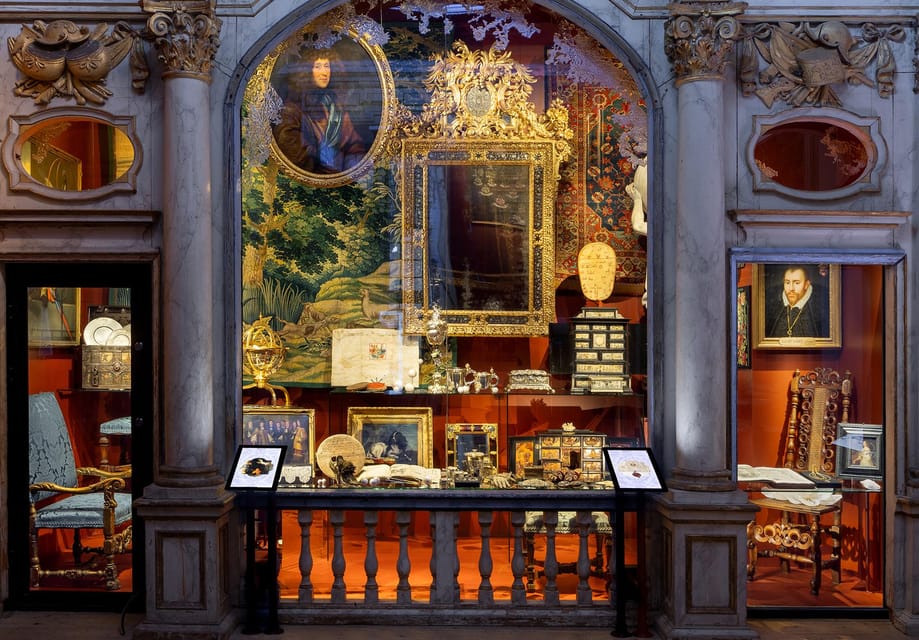
The heart of this experience is Nordic Life, described as the largest exhibition ever in the museum. This matters because it shapes what you’ll prioritize once you enter. Instead of random galleries, Nordic Life acts like a roadmap.
What I find useful is the exhibition’s framing. It looks at how Nordic culture and daily life have been shaped and reshaped through interactions between people, nature, and climate. That’s a big idea, but the museum keeps it practical. You’ll learn how nature connects to people’s sense of meaning, what families and homes look like, and what Nordic people believe.
If you like exhibits that explain the “why” behind everyday things, you’ll probably enjoy this section most. It’s also where the museum helps you connect separate topics into one story: environment influences living patterns, living patterns influence beliefs, and beliefs show up in how people dress, eat, and build homes.
You also get optional audio support in selected exhibitions, plus text access on your phone for Nordic Life (guide.nordiskamuseet.se). That combination lets you pace yourself without losing context.
Time travel without chaos: 16th century to today
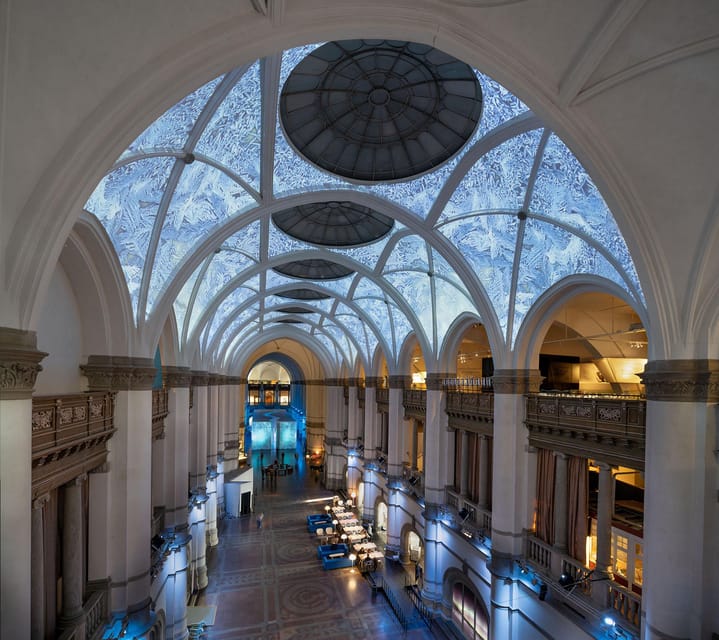
The museum’s coverage runs from the 16th century to the present day, which can be intimidating in theory. The good news is that Nordiska Museet doesn’t make you sprint through centuries like a checklist. The exhibition structure breaks things into themes that you can understand step-by-step.
You’ll see current lifestyles and then move backward through earlier living forms. As you go, you can start noticing patterns: household needs that don’t disappear, changes in what people eat, how homes are organized, and how “home” reflects belief and identity.
If you’re someone who likes museums that don’t overwhelm you, this is a good day plan. You can focus on the biggest exhibition first, then branch out to themed sections.
The Arctic: climate pressure made personal
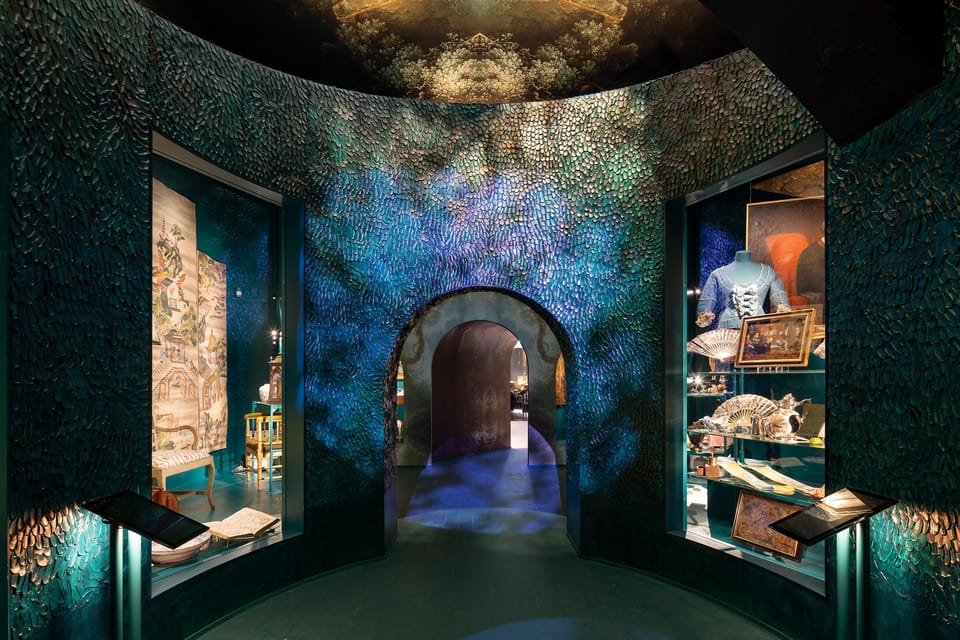
One of the standout themed areas is The Arctic. The setup focuses on a very clear point: while the ice is melting, the region and its people are changing too.
Even without getting lost in technical explanations, this exhibit works because it ties environment to real life. Climate isn’t presented as a distant news headline. It’s presented as a force that reshapes where people live and how they think about the world.
If you’re visiting in winter or shoulder season, this part can hit extra hard. You’ll likely walk through it feeling the contrast between Nordic cold imagery and the message about change.
Practical tip: don’t just skim The Arctic. Take a minute. The emotional impact comes from the way the exhibit makes the Arctic feel connected to Nordic life rather than a separate, faraway region.



Table Settings: feasts across five centuries
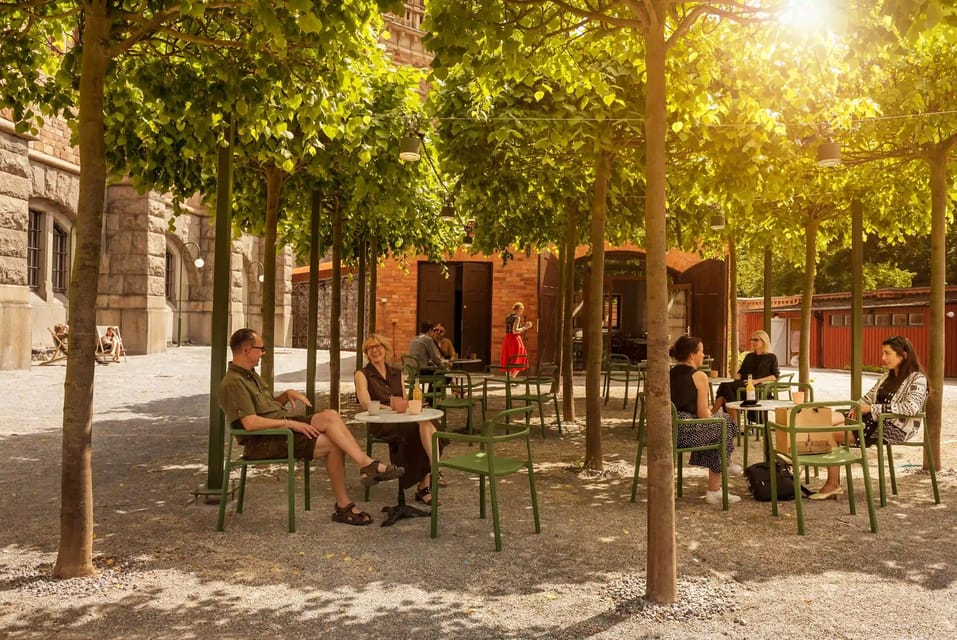
Table Settings is another highlight on the list of themed areas. It focuses on feasts from five centuries, with a British angle included in the presentation.
This is a great stop if you like culture that shows up in everyday rituals. Food and dining habits are one of the easiest ways to read a society: what people consider special, what’s practical, what’s a marker of status, and how traditions travel.
You don’t need to be a foodie historian to enjoy it. The exhibit helps you notice how meals act like social time machines. Even when technology changes, the idea of hosting, celebrating, and gathering still looks familiar.
If you’re visiting with someone who isn’t obsessed with museums, Table Settings often keeps attention better than pure timeline displays, because it feels immediately human.
Ever so Nordic and fashion with a twist
Ever so Nordic is about Nordic fashion and lifestyle, and it includes British patterns. That combination is interesting because it suggests influence doesn’t move in one direction only. Styles cross borders. People borrow and adapt. Identity gets expressed in clothing and daily choices, not just in myths or politics.
This section is a good complement to the more environment-centered exhibits like The Arctic. It shifts the focus to culture and appearance—how people signal belonging and taste, and how everyday choices become part of a regional story.
If you like photo-like displays, costumes, or the visual side of history, spend extra time here. It can be the most “you can picture it” part of the museum.
The 1940s Flat and Dollhouses: home as a story engine
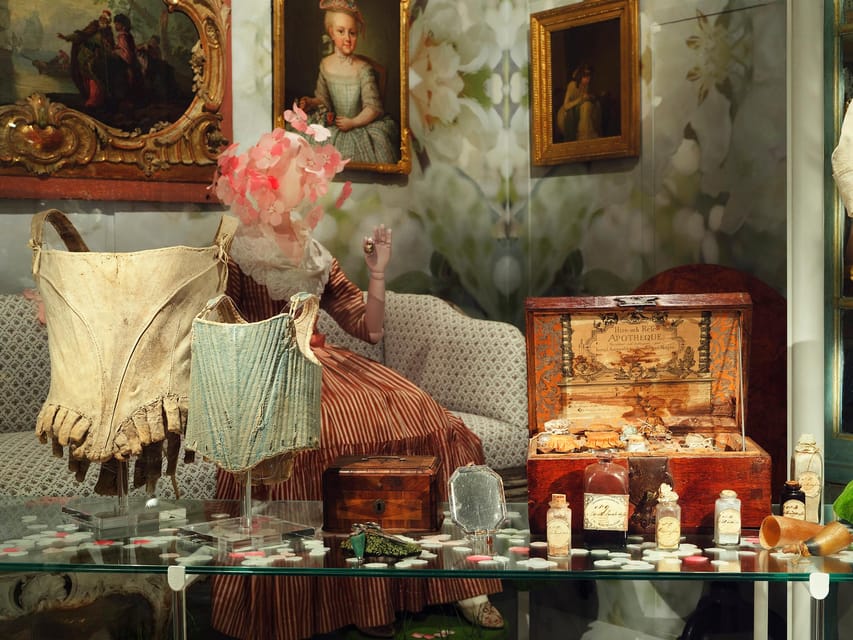
If you want a museum experience that feels almost like stepping into someone’s routines, check out The 1940s Flat. It’s a home from 1947. That kind of staged setting helps you understand how daily life was organized—rooms, objects, and layout—without needing a textbook.
Next to that, Dollhouses presents eight homes in miniature. Miniature rooms can sound gimmicky, but in this kind of museum they work because they force you to look closely. You notice patterns faster. You also get a quick sense of how families and households were structured.
These sections are especially useful if your brain learns through visual cues. They’re also a nice break from more text-heavy displays. You can spend time looking, not just reading.
The museum shop and restaurant: how to keep the day practical
You don’t have to leave the museum to make the experience feel complete. The museum shop offers everyday goods and crafts from Nordic countries. It’s the kind of place where you can pick up small items you’ll actually use, not just souvenirs that end up forgotten in a drawer.
Then there’s the restaurant with lunch courses every day, plus Swedish fika and drinks. This matters because “fika” isn’t just a snack; it’s part of Swedish daily rhythm. If you plan your visit well, you can structure your museum time around real breaks instead of feeling forced to rush.
Best approach: plan for one main meal and one fika moment, then use the rest of your time to keep exploring. If you go in hungry, the restaurant is there. If you go in full, you can treat fika like a reward halfway through.
Audio guide and phone text: options for different learning styles
Nordiska Museet offers an audio guide in Swedish and English in selected exhibitions. The catch is important: you need to bring your own headphones. That’s not negotiable, so pack them before you leave your hotel.
There’s also a smart tech option for Nordic Life. You can read all the exhibition texts and screens on your phone using guide.nordiskamuseet.se. That can be a lifesaver if you don’t want to carry headphones, or if you prefer reading at your own pace.
For some people, audio helps with flow. For others, reading helps with precision. With both options available, you can mix and match depending on the exhibit.
What you can bring (and what you can’t) inside
Before you go, note the museum rules: oversize luggage is not allowed. Food and drinks are not allowed either. Also, luggage or large bags aren’t permitted.
This affects the start of your day more than you might expect. If you have a big bag, you could lose time figuring out storage before you enter. Plan light, or make sure your bag situation is handled before you head in.
One more practical note: this is a cash-free museum. You’ll pay by credit or debit card in the museum shop and restaurant. If you only carry cash, sort that out before arrival.
How long to plan for and how to structure your time
Your ticket is valid for 1 day. The museum doesn’t give you a single “you must see everything” route, which is good. Instead, you can build a plan around the things that matter most to you.
Here’s a simple structure that usually works well:
Start with Nordic Life, since it’s the largest exhibition and it gives you the frame for the rest. Then branch to your favorite themed sections—The Arctic, Table Settings, Ever so Nordic, The 1940s Flat, and Dollhouses. Finish with the shop and food break.
If you try to do it all at full speed, you’ll end up skimming. If you pick Nordic Life plus two or three themed areas, you’ll likely leave with a stronger sense of what you saw.
Who this museum ticket is best for
Nordiska Museet entry is a good match for people who want culture through everyday life. If you care about how societies work—how homes reflect values, how food shows social change, how climate affects routine—this ticket makes that easy.
It’s also a solid choice for mixed interests in a group. Someone who likes design or clothing can gravitate to Ever so Nordic. Someone who wants climate themes can spend longer in The Arctic. Someone who likes “real spaces” can focus on The 1940s Flat and the miniature dollhouse rooms.
If you’re visiting Stockholm with a limited number of museum hours, this one can still work because Nordic Life gives you a main storyline.
Budget and value: is $19 worth your time?
At about $19 per person, the price is straightforward for a full-day museum ticket. The value comes from how much you get without needing extra add-ons. Entry includes access to the museum and the Nordic Life exhibition, plus the themed sections.
Also, the museum’s format reduces “wasted time.” You’re not buying into a single niche. You’re covering daily life themes across centuries in one building. If your goal is understanding rather than only collecting pretty images, this price-to-content ratio tends to feel fair.
The only potential cost creep is personal: you’ll want headphones for the audio guide, and you might choose to buy fika, lunch, or shop items. Still, those are optional. The ticket itself gets you a full day of structured exhibits.
Should you book Nordiska Museet entry?
Book it if you want a Stockholm museum day that teaches you life in the Nordics through real objects, themed exhibits, and a main anchor show like Nordic Life. It’s a strong option for first-time visitors to Stockholm who want more than “big city highlights.”
Skip it if you only have very limited time and you prefer a museum focused on one narrow topic. Also skip it if you know you’ll struggle with the rules around bags and food, or if you hate cash-free payment setups.
FAQ
Is this ticket just entry, or does it include a guide?
This entry ticket includes access to Nordiska Museet. A guide is not included.
How long can I spend at Nordiska Museet with this ticket?
The ticket is valid for 1 day, so you can plan a full day at your own pace.
What languages are available for the audio guide?
The audio guide is available in Swedish and English in selected exhibitions.
Can I read Nordic Life exhibit text without using the audio guide?
Yes. For Nordic Life, you can read the exhibition texts and screens directly on your phone using guide.nordiskamuseet.se.
Is the museum cash-free?
Yes. Nordiska Museet is a cash-free museum, and you can pay by credit or debit card in the museum shop and the restaurant.
Are large bags or food allowed inside?
No. Oversize luggage isn’t allowed, food and drinks aren’t allowed, and luggage or large bags are not permitted.
Is Nordiska Museet wheelchair accessible?
Yes, it is wheelchair accessible.