REVIEW · STOCKHOLM
Nordic Ice Skating on a Frozen Lake in Stockholm
Book on Viator →Operated by Lake Life Stockholm · Bookable on Viator
Skating on a frozen lake near Stockholm is magic. I like this outing because it turns winter chores into a simple, scenic adventure: you glide on ice with an experienced guide, then slow down for fika and cozy food outdoors. It’s Nordic-style Stockholm in the best way, not a museum stop.
My favorite parts are the beginner-friendly support and the breaks that feel truly Swedish. There’s a big emphasis on safety and comfort on the ice, so you do not get shoved into the deep end. One drawback to consider: the tour is not recommended if you have vestibular problems, so if motion or balance issues are a concern, skip it.
In This Review
- Key highlights
- Meeting at Centralplan 15: Timing and What to Do First
- From the City to the Frozen Lake: Why the “Just Outside” Part Matters
- Skating for Beginners: Support, Safety, and Real Pacing
- The Halfway Picnic: Swedish Sandwiches, Hot Chocolate, and Fire-Time Marshmallows
- Guide Style in Real Life: Communication and Staying Calm on the Ice
- Gear and Clothing: What You’ll Want to Know Before You Go
- Price and Value: What $179.86 Buys in a 5-Hour Winter Adventure
- Who This Tour Fits Best (and Who Should Skip It)
- Should You Book Nordic Ice Skating on a Frozen Lake in Stockholm?
Key highlights
- Max 8 travelers in a beginner group, so you get real attention on the ice
- English-speaking guide with clear pre-meeting contact (text/WhatsApp is mentioned)
- All the gear you need for skating, plus help getting onto the ice
- Almost 8 km of skating around the lake, with a stop halfway for a picnic
- Swedish fika outdoors, including hot chocolate that people call some of the best ever
- Marshmallows by a fire as part of the break, not just a snack thrown in
Meeting at Centralplan 15: Timing and What to Do First
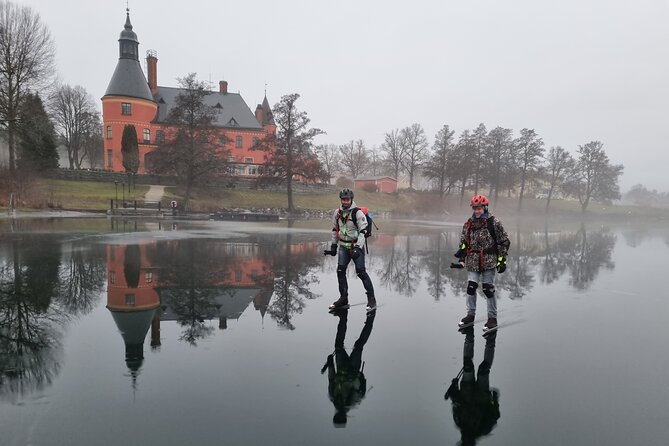
This tour runs about 5 hours, starting at 9:00 am. You meet at Centralplan 15, 111 20 Stockholm, and it ends back at the same meeting point, so you can plan your day without stress about where you’ll be dropped off.
Because it’s offered in a small group of up to 8, the morning matters. The earlier start gives you enough daylight for skating and for the outdoor food break. It also helps the guide manage everyone at a steady pace, especially the first-timers.
You’ll also appreciate the practical setup: it’s listed as near public transportation, and you’ll have a mobile ticket. Confirmation comes at booking, so you’re not stuck guessing. If you like having your plan locked in, this is the kind of activity that does that well.
You can also read our reviews of more tours and experiences in Stockholm.



From the City to the Frozen Lake: Why the “Just Outside” Part Matters
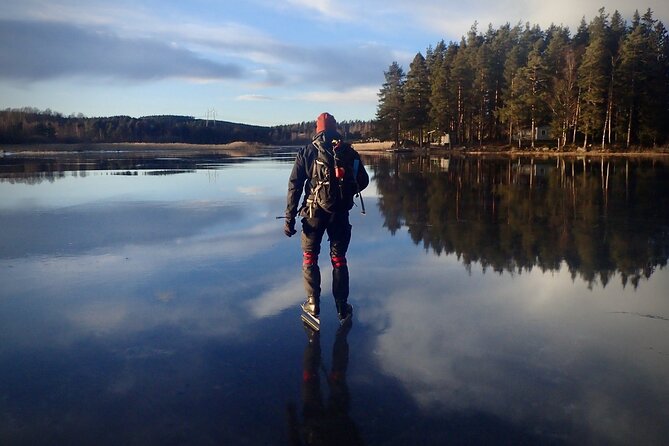
The big idea is simple: you get out from Stockholm’s streets into open winter air, then skate on a frozen lake. That “just outside the city” distance is more than convenience—it changes the whole vibe.
In the city, winter can feel quick and busy. On the ice, it feels slow. You trade crowds for open space, and you get those wide, quiet winter views that make Stockholm in January (or February) feel worth the cold. The reviews also highlight that guides find a good spot even early in the season, so you’re not just rolling the dice and hoping.
What you’re doing is also not only about exercise. It’s about learning a new way to move while the environment does the storytelling for you: the lake, the crisp air, and the sense that you’re doing something that locals actually do.
Skating for Beginners: Support, Safety, and Real Pacing
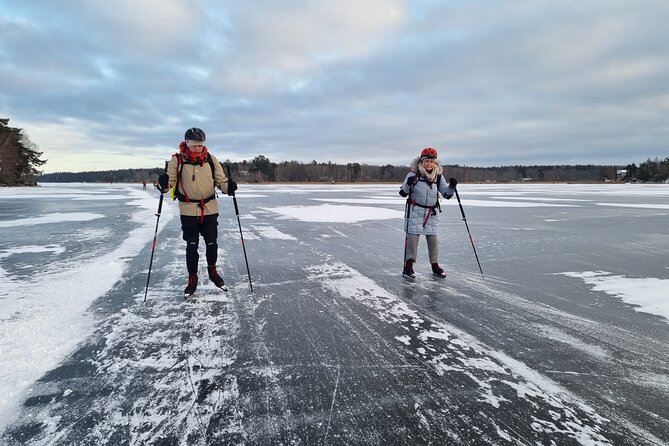
This is the part that makes the tour work for most people: it’s built around a beginner group. I like that the experience is structured so you get help before you’re expected to perform. Reviews repeatedly mention support getting onto the ice and not feeling rushed.
Here’s what that means for you:
- You should expect clear basic safety instructions before you go out.
- You’ll have patience if your first steps are wobbly.
- You can take the skating at a human pace and still feel like you accomplished something.
In one account, the group covered almost 8 km total around the lake, with a break halfway. Even if you’re new, that distance sounds big, but the way it’s paced matters. The halfway stop is your mental reset. It also keeps the group together without turning the skating into a timed race.
If you’re an experienced skater, you’ll still benefit from the guided route and the check-ins. If you’re not confident yet, that beginner structure is the main reason this is consistently rated so highly.
The Halfway Picnic: Swedish Sandwiches, Hot Chocolate, and Fire-Time Marshmallows
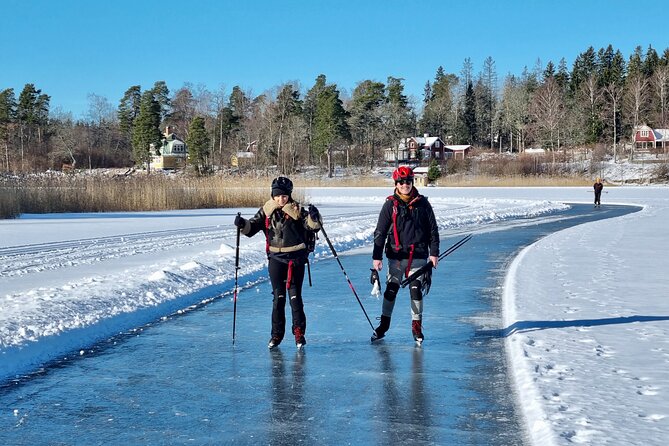
The outdoor food break is not an afterthought here. It’s a full part of the experience, and it’s one of the most praised elements.
Expect a fika-style break outdoors plus picnic-style food. Reviews mention homemade sandwiches (including favorites like cinnamon bread), and people specifically call out hot chocolate as exceptional. There are also mentions of coffee and tea, so you’re not limited to one warm drink while you cool off on the ice.
And then comes the part that turns a snack into a memory: marshmallows roasted over a fire. That’s the kind of detail that makes the tour feel like winter travel instead of a simple activity. It also helps you warm up in a way that’s more effective than standing around with your hands in your pockets.
If you’re deciding whether this is worth it, this is one of the reasons it feels like real value: you’re not paying just for skating. You’re paying for the whole winter rhythm—move, rest, warm up, and share a small fire moment with your group.
Guide Style in Real Life: Communication and Staying Calm on the Ice
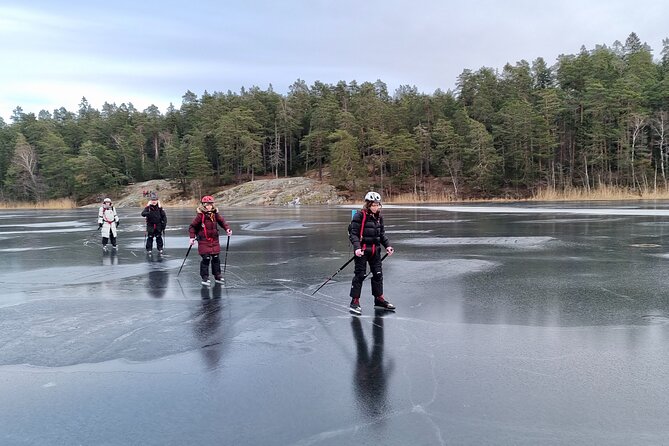
Guides are a make-or-break factor for winter activities, especially when you’ve never skated outdoors. What stands out in the feedback is how guides handle beginners and how calmly they set expectations.
One review mentions Simas and highlights patience for a slow skater. Another describes a guide who communicated via text or WhatsApp ahead of meeting, which is genuinely useful when you’re traveling in a different language environment. Clear contact reduces anxiety. Less anxiety usually means you take instructions better—and you enjoy the ice more.
There’s also an emphasis on safety first. That doesn’t need to be dramatic to be effective. It tends to look like: clear explanations, practical reminders, and support if you need help getting started.
In short, you’re not just receiving skating instructions. You’re getting a guide who manages the pace and the comfort level of the group, which is why beginners keep feeling relaxed rather than pressured.





Gear and Clothing: What You’ll Want to Know Before You Go
You’ll have gear provided. Reviews explicitly mention being given everything they need, which matters because outdoor skating is not the same as tossing on rented skates and calling it done.
Still, you should show up thinking like it’s winter outdoors—because it is. Layers are your friend. Expect wind. Plan for wet or icy moments around the fire break and picnic. Even with provided gear, your own clothing choices can change how the day feels.
If you tend to run cold, bring warm base layers. If your hands get stiff easily, pay attention to gloves or mittens. The goal is simple: stay warm enough that you can focus on learning rather than thinking about how cold your body feels.
One more practical note: the tour depends on good weather. If conditions are poor, you’ll be offered another date or a full refund. That’s a fair trade in winter, and it’s also a sign they’re not forcing the experience when it shouldn’t happen.
Price and Value: What $179.86 Buys in a 5-Hour Winter Adventure
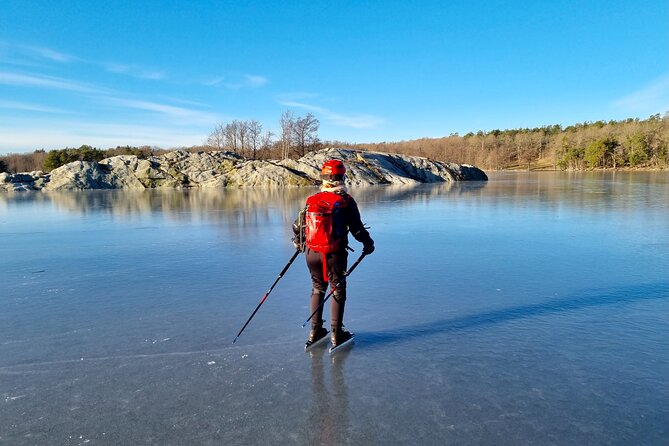
At $179.86 per person for about 5 hours, this isn’t a cheap “walk up and try it” activity. But when you break it down, the value is easier to justify.
What you’re paying for:
- A small group (max 8), so you’re not lost in a crowd
- Skating support for beginners, including help getting onto the ice
- Guide-led winter experience, not just equipment rental
- Provided gear
- Food and warm drinks outdoors (fika elements plus picnic-style items)
- Marshmallows at a fire, which is part of the included experience
For many people, the included food and hot drinks are the difference between “I skated” and “I had a winter day.” If you’re already thinking about spending money on a warm meal plus a guided activity, this bundle starts to look more reasonable.
Also, the pacing and safety approach reduce the risk of showing up unprepared. That alone can save you time, frustration, and sore days.
Who This Tour Fits Best (and Who Should Skip It)
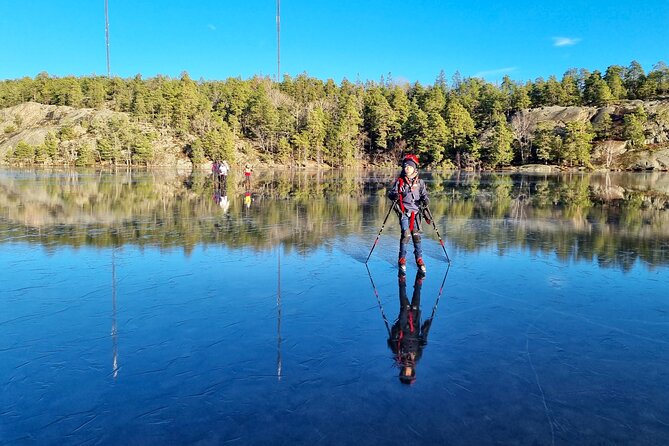
This fits best if you want a calm, scenic winter activity with real support. You’ll likely enjoy it if:
- you’re a beginner or a cautious skater
- you want a guided route so you feel steady on the ice
- you care about outdoor fika and warm drinks
- you like small-group travel, not mass tours
It’s also a solid choice if you want a nature moment that still feels close to the city. Stockholm in winter can be gorgeous, but it’s easy to spend days bouncing between indoor stops. This gives you a reason to go outside and actually enjoy the cold.
It’s not for everyone. The tour is not recommended for travelers with vestibular problems. If balance or motion sensitivity is an issue for you, I’d listen to that and pick something else.
Should You Book Nordic Ice Skating on a Frozen Lake in Stockholm?
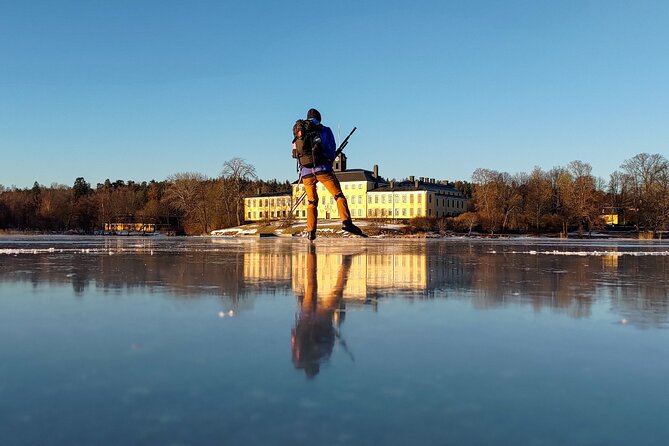
Book it if you want an authentic winter day that mixes easy beginner support, real time outside, and a food-and-fire break that feels genuinely Swedish. The small group size and the focus on comfort on the ice are the big reasons this experience earns top marks.
Skip it if vestibular issues could be triggered by ice movement or balance demands. Also be honest with yourself about cold comfort: dress for winter and you’ll enjoy the fika more, not less.
If you’re in Stockholm during the winter season and you want one activity that feels like a story you’ll talk about later, this is an excellent bet.