REVIEW · STOCKHOLM ARCHIPELAGO
Island Hopping by Kayak & Wild Camping – Archipelago Escape
Book on GetYourGuide →Operated by Skärgårdens Kanotcenter KAYAKS & OUTDOOR · Bookable on GetYourGuide
Kayak mornings beat city life. In Stockholm County, this self-guided trip pairs sea kayaking with wild camping on remote islands so you can choose your own pace.
I especially like how the trip starts with a thorough pre-departure setup: route consultation, navigation basics, and gear tuned to how you actually paddle. The second thing I really value is the way you wake up in the archipelago, not a campground parking lot, with space for swims, short hikes, and star-filled nights.
Do note one key consideration: this is for people who can swim and handle a moderate fitness level. If that’s not you, or if you’re above the 110 kg weight limit, this won’t be a good fit.
In This Review
- Key points at a glance
- Stockholm Archipelago island hopping: why it works
- Getting started at Skärgårdens Kanotcenter (and what you’ll do first)
- The Vaxholm factor: trading a bit of civilization for sea time
- First night under stars: what wild camping feels like here
- Day 2 onward: pace, weather checks, and choosing your stops
- Gear you actually use: what’s included (and why it matters)
- Safety and fitness: the non-negotiables
- Price and value: what $326 buys you
- Who should book this kayaking and wild camping escape
- FAQ
- How long is the kayaking and wild camping trip?
- Where do I meet the operator?
- Do I need to bring my own food?
- What kayaking and camping gear is included?
- Is there a guide with you during the trip?
- Who is this trip not suitable for?
- Should you book this kayak-and-camp archipelago escape?
Key points at a glance
- Expert briefing before you paddle: route consultation plus a personalized equipment and navigation walkthrough, so you can go self-guided without second-guessing.
- Wild camps with real solitude: you set up on remote islands and get sunrise views without city lights.
- Smart packing system: the move from suitcase/backpack to kayak’s waterproof storage helps you bring a few comforts without turning it into a back-ache.
- Flexibility when you arrive under-stocked: if you haven’t bought food yet, you can borrow a bike to reach a grocery store 2.5 km away.
- Practical gear for cold-to-warm use: Trangia stove setup, tents, sleeping bags with silk liners, head torch, and even the stuff for bathroom needs.
Stockholm Archipelago island hopping: why it works
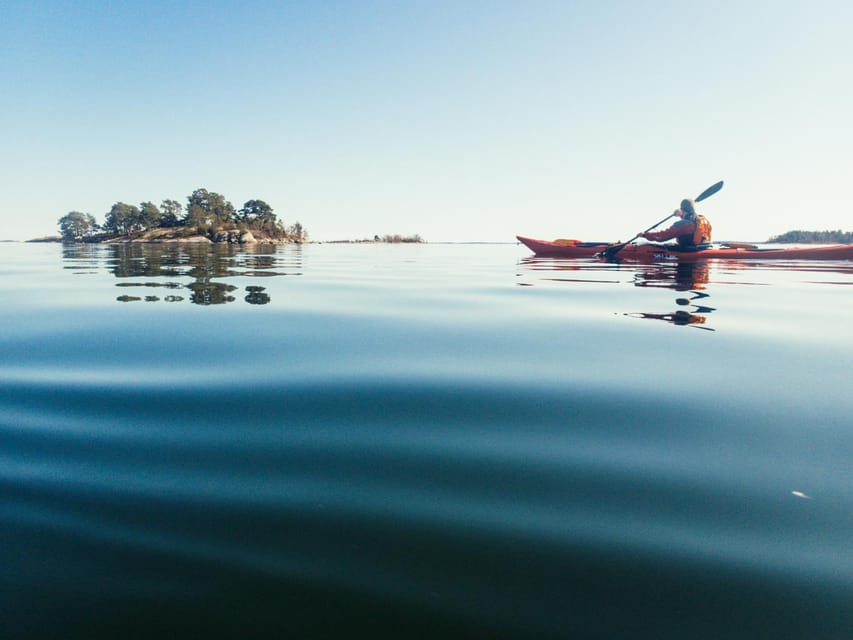
The Stockholm Archipelago is famous for its sheer number of islands, and that matters on a kayak trip. With about 30,000 islands in the region, you’re not stuck with one route and one viewpoint—you can build a day around sheltered water, a swimming stop, a short trail, or just a quiet stretch of beach time.
What makes this trip feel different from a basic “rent a kayak and go” is the balance between freedom and preparation. You’re self-guided, yes, but you start with enough navigation support and safety grounding to make you feel confident while still enjoying the real outdoors.
You’ll also be moving at a pace that suits exploration. Sea kayaks typically go around 4–5 km per hour, and with long summer daylight, you don’t need to rush to justify the trip. That means you can stop for lunch, cool off with a swim, and still have time to wander.
Getting started at Skärgårdens Kanotcenter (and what you’ll do first)
Your meeting point is Skärgårdens Kanotcenter Kayaks & Outdoor. If you’re coming by bus, get off at the Engarn stop. Once you’re there, the day is about getting you properly “loaded” for the sea—not just handing you a kayak and wishing you luck.
You’ll review the route and get introduced to the Right to Public Access. In plain terms, it’s the foundation that makes wild camping and outdoor use possible in Sweden, so knowing how it works helps you paddle with the right mindset.
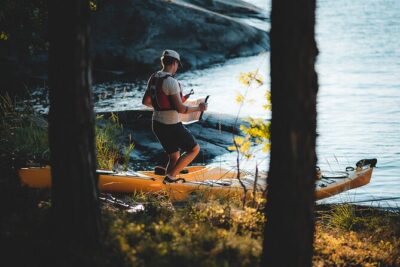
Then comes the part that makes the trip smoother: safety briefing, adjusting the kayak to your body, and time to repack your gear. The shift from a suitcase or backpack to kayak waterproof storage compartments is a big deal. If you’ve never packed for a kayak before, this is where your trip can either feel organized or chaotic—here, they set you up to get it right.
If you forgot or didn’t plan food, you’re not stuck. One of the practical touches is that you can borrow one of their bikes to ride to the nearest grocery store, about 2.5 km away. That flexibility matters because food logistics often decide whether a trip feels relaxed or stressful.
The Vaxholm factor: trading a bit of civilization for sea time
Before you fully disappear into the archipelago, you pass through Vaxholm. It’s your last easy taste of town life—use it.
If you want a break before paddling hard, grab a fika with a warm cinnamon bun. That moment is more useful than it sounds. You’re about to spend days with your day measured in wind shifts, shoreline turns, and your next campsite setup. A simple café stop gives you a reset, and it beats trying to run on nerves and hunger.
Then you’ll load the kayak, head out, and let the coastline set your rhythm. As the sun starts to drop, that first planning shift hits: you’re not just paddling anymore—you’re also thinking about where you’ll camp.
First night under stars: what wild camping feels like here
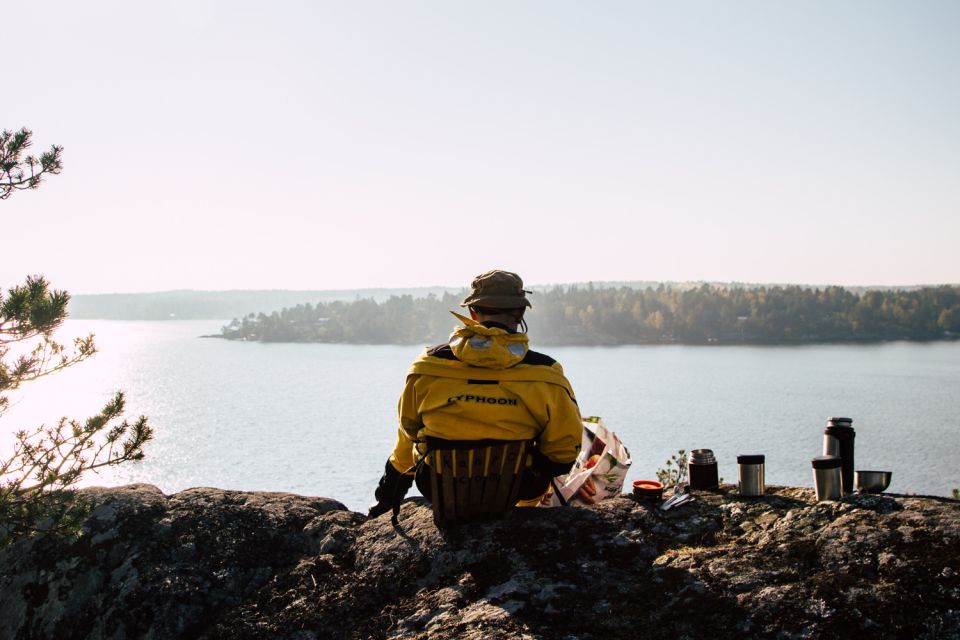
Night one is about finding a scenic island and setting up your first wild campsite. No city lights means the sky turns serious. You’ll cook a simple meal over your camp stove, take a refreshing swim if conditions allow, and settle in for sunset-to-stars quiet.
This is also where the kayaking mindset clicks. You’re not trying to “beat” the day with miles. Instead, you’re learning how the archipelago changes as evening approaches—light, wind, and the way shorelines protect (or don’t protect) you.
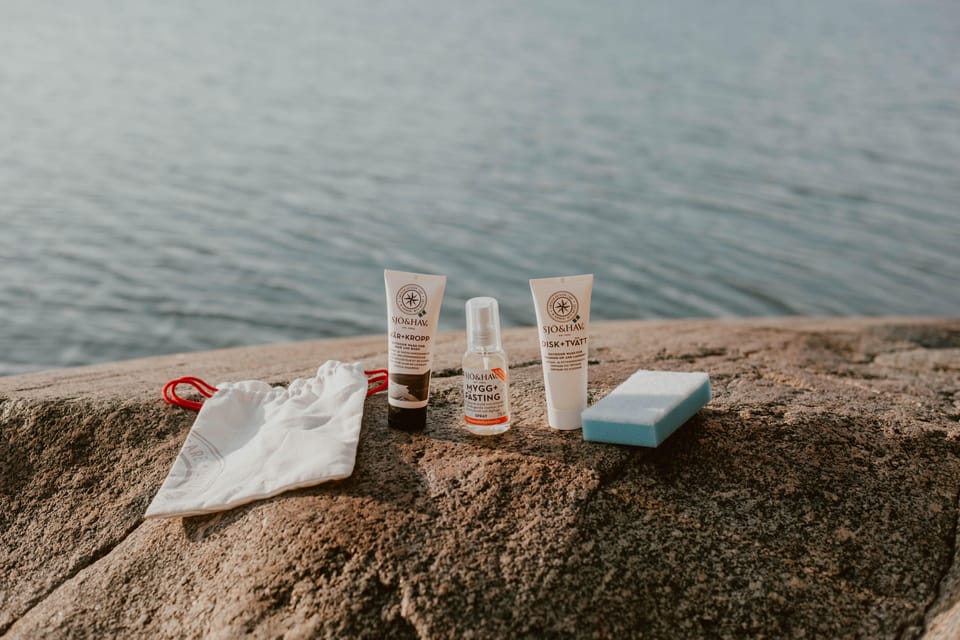
Dinner tends to be straightforward on a Trangia setup, and you’ll have camp cooking gear included: pots, pans, cutlery, cooking utensils, lighters, and even a dishwashing kit. You’ll also get garbage bags and toilet paper, plus a shovel for bathroom needs. That last detail is small until you need it, and then it becomes a big comfort.
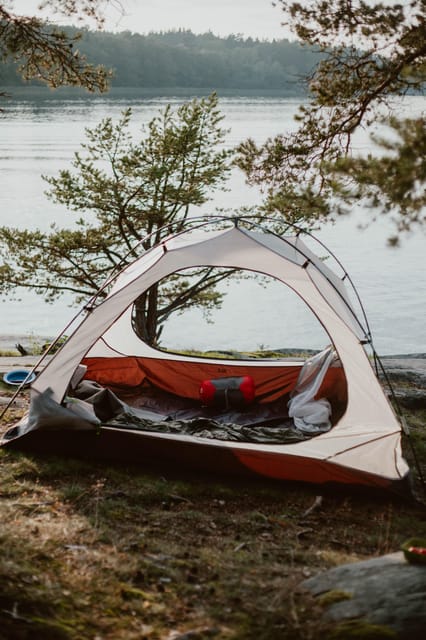
The tent system is also built for practicality. You get a two-person expedition tent, plus sleeping bags with silk liners and a camping mattress. If you’ve camped before, you’ll appreciate how this kit reduces the guesswork around what you need to bring.
Day 2 onward: pace, weather checks, and choosing your stops
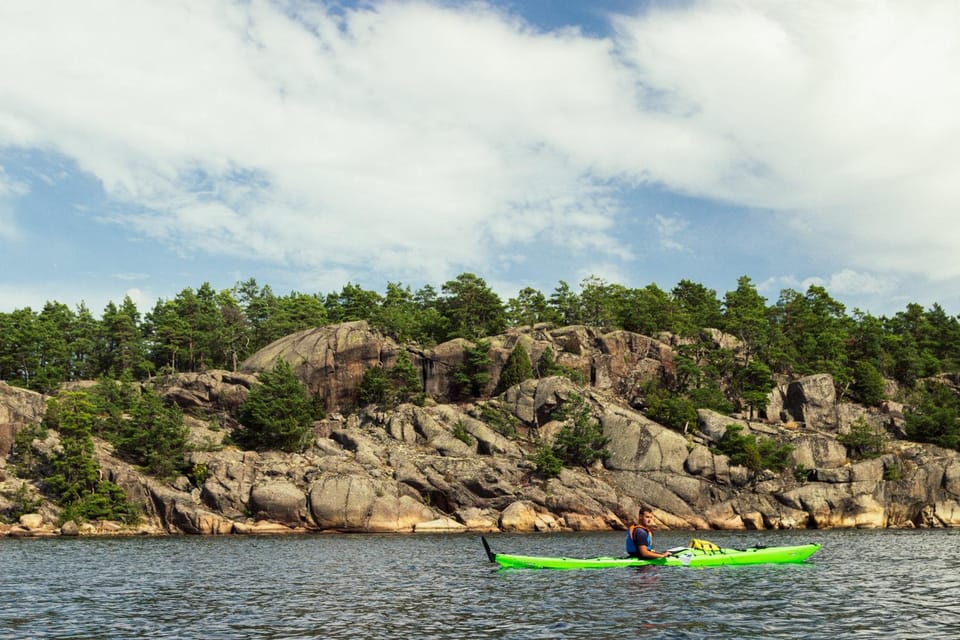
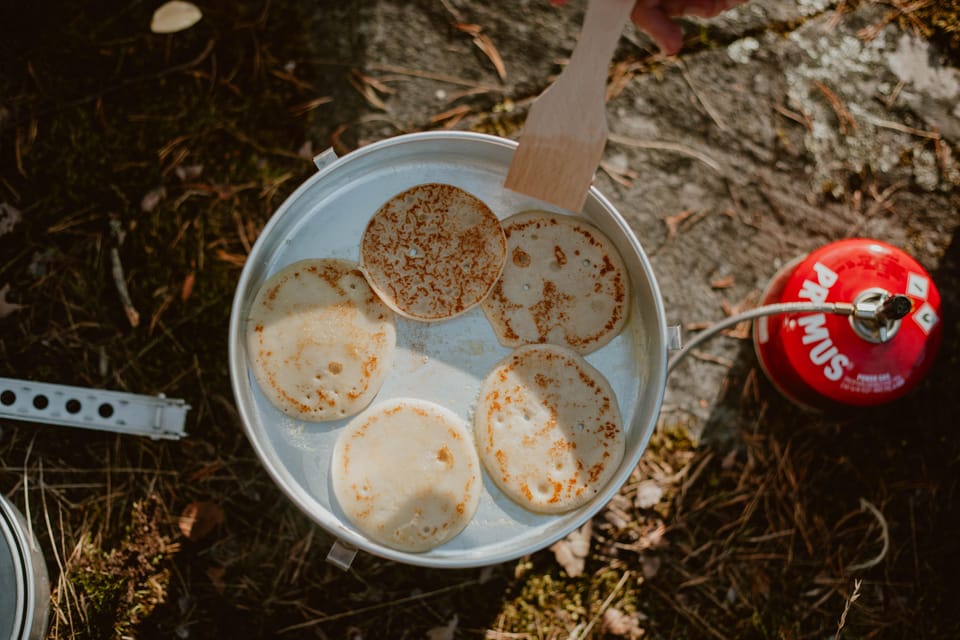
The following mornings are your routine: wake up to nature sounds, make a hearty breakfast, and check conditions. Breakfast options include oatmeal with berries or scrambled eggs, made easily on the lightweight Trangia stove.
A big part of making this type of trip enjoyable is not overpacking your expectations. Here, you can keep things simple: eat, check weather updates, repack, and then decide where to go next.
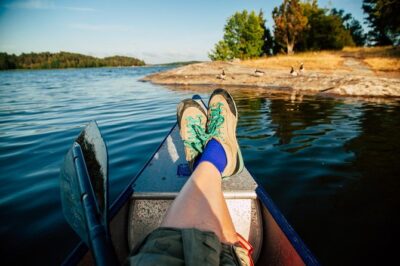
Paddling is typically around 4–5 km per hour, so your day can be shaped by your stops, not just by distance. Lunch might happen on an island, followed by a midday swim. If you’re feeling active, you might do a short hike along trails. If you’re feeling gentle, you can pick wild berries or just sit and watch.
One nice note for your planning: you’re paddling in a time of year with long summer daylight, so you’re not forced into a strict “arrive before dark” panic. You still need good common sense with weather, wind direction, and visibility, but the schedule is naturally more forgiving in summer.
By afternoon, you’ll find another island to call home for the night. Each day brings different coastlines and different moods. Sometimes that means more swimming and wandering. Other times it means adjusting your plan because wind or shelter changes the feel of the water.
Gear you actually use: what’s included (and why it matters)
This is not a trip where you should show up with random borrowed gear and hope it works out. You get a full kit that supports both kayaking and camping, including details that prevent common problems.
On the water, you’ll have:
- Single or double kayak options
- Life jackets, paddles, and spray decks
- Dry bags, plus sponges (useful for keeping things tidy)
- First aid kit
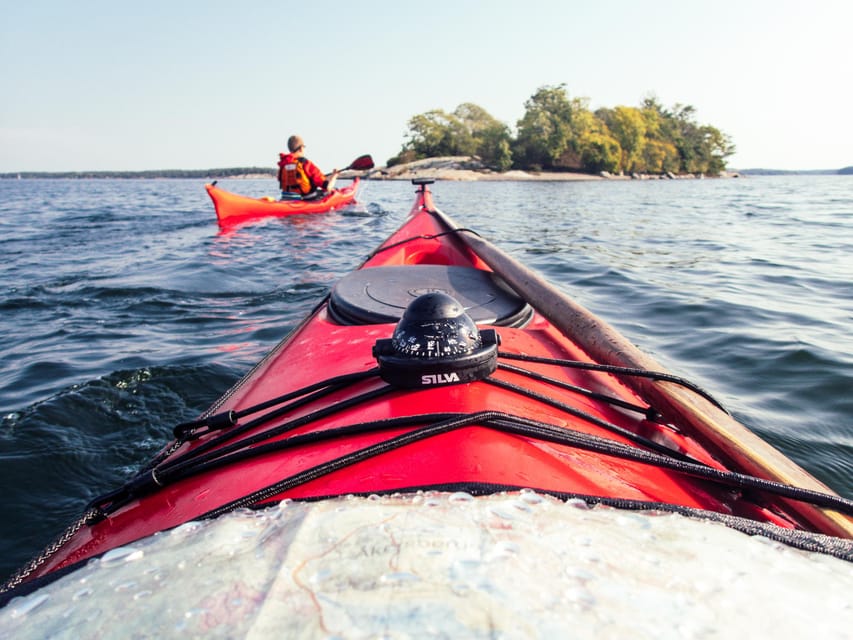
- Sea chart, hand compass, and route consultation
In terms of confidence, the combination of chart/compass and route consultation matters. GPS can fail, and signal can vary. A basic skill set plus a briefing is what keeps you from feeling lost.
For camp, you’ll have the essentials and the annoying extras:
- Expedition tent, sleeping bags with silk liners, and a camping mattress
- Trangia stove with gas, plus pots/pans and cooking tools
- Head torch for night tasks
- Water canteens
- Hiking maps
- Garbage bags, toilet paper, and a shovel for bathroom needs
You’ll also have an Ikea bag included. It’s the kind of carry solution that makes packing and organizing easier than improvising with whatever you bring. And since kayak storage is waterproof, you can bring a few comforts without turning the day into a burden.
Things you might pack for comfort, based on the trip style: a book, binoculars, or a small hammock. Weight isn’t a problem in the same way it is on backpacking trips, because you’re not carrying everything on your back the whole time—you’re paddling with gear stowed.
Safety and fitness: the non-negotiables
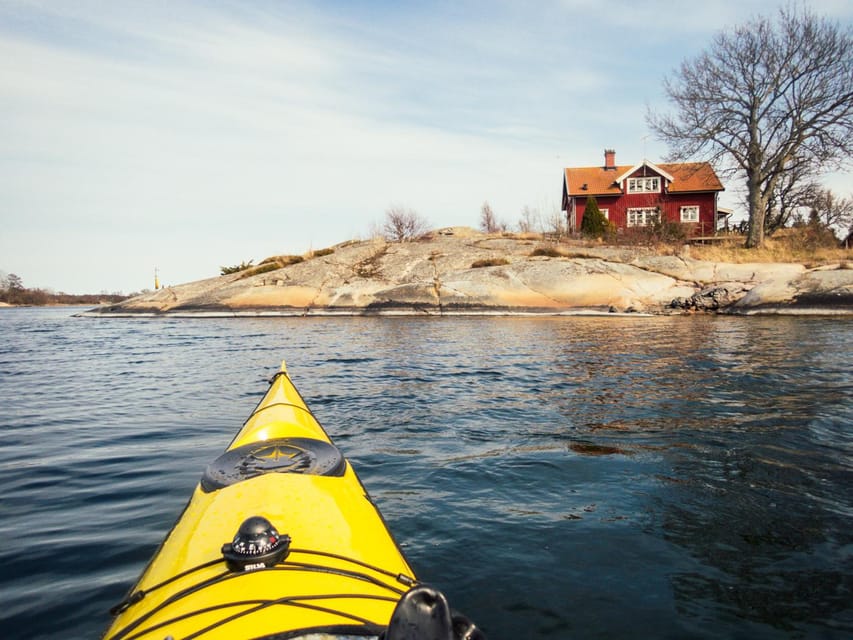
This trip clearly states a few hard limits, and you should respect them.
You must be able to swim and have a moderate level of fitness. You’re also working with wind and water conditions, and even a relaxed pace still involves steady paddling and balance in a sea kayak.
There’s also a weight limit of 110 kgs per person (243 lbs). If you’re close to that, double-check with the operator before booking.
It’s not suitable for:
- Pregnant women
- People with mobility impairments
- Wheelchair users
- Non-swimmers
- People over 243 lbs (110 kg)
One more practical note: you’ll need to bring comfortable clothes and your own food and drinks. On a kayaking-and-camping trip, that means thinking about easy meals and snacks you can tolerate while you’re warm, damp, and moving.
Price and value: what $326 buys you
At $326 per person for a 2–5 day window, the value comes from what’s bundled, not just the kayak rental.
You’re paying for:
- Kayaks plus safety basics like life jackets and spray decks
- Waterproof storage and practical cleanup items
- Navigation materials: sea chart, hand compass, and route consultation
- A personalized, detailed briefing on equipment and navigation
- Camping gear: tent, sleeping bags with silk liners, mattress, stove, cookware, and all the little camp helpers like head torch and bathroom items
In other words, you’re not just buying a vessel. You’re buying reduced decision fatigue. That’s what makes self-guided trips feel safe and enjoyable instead of improvisational.
Even the review feedback points in the same direction: the setup is well thought out, the equipment quality stands out, and the staff provides guidance in the amount you want. One reviewer even mentioned receiving an extra tent, and thanks were given to Theo for handling the details and making sure they got going.
If you want an “experience” in the real sense—equipment that works and a start that doesn’t leave you guessing—this is where the cost starts to make sense.
Who should book this kayaking and wild camping escape
This trip is a strong match if you want:
- Freedom to choose your pace and stops
- Wild camping experience without the full logistics of planning everything from scratch
- Sea kayaking as the main activity, not a side quest
- A calm, outdoors-first trip where swims, short hikes, and berry picking can happen naturally
It’s also a good fit if you like structure at the beginning. You don’t just get a quick talk—you get a detailed equipment and navigation briefing, plus route consultation. After that, you’re trusted to make decisions.
Choose something else if you want a fully guided day-to-day experience with a leader on the water. A guide isn’t included. You’ll be going self-guided, relying on the preparation you receive before you start.
FAQ
How long is the kayaking and wild camping trip?
It runs for 2 to 5 days. Exact starting times depend on availability.
Where do I meet the operator?
You meet at Skärgårdens Kanotcenter Kayaks & Outdoor. If you arrive by bus, get off at the Engarn stop.
Do I need to bring my own food?
Yes. Food and drinks are not included, so plan to pack what you want to eat. If you haven’t stocked up, you can borrow a bike to ride to the nearest grocery store, about 2.5 km away.
What kayaking and camping gear is included?
Kayaking gear includes a kayak (single or double), life jackets, paddles, spray decks, dry bags, a first aid kit, plus navigation tools like a sea chart and hand compass. Camping gear includes a two-person expedition tent, sleeping bags with silk liners, a camping mattress, a Trangia stove with gas, cookware, a head torch, and items for waste and bathroom needs.
Is there a guide with you during the trip?
A guide is not included. You’ll get an in-depth personalized briefing on equipment and navigation and route consultation before you set off, and then you paddle self-guided.
Who is this trip not suitable for?
It’s not suitable for non-swimmers, people with mobility impairments, wheelchair users, pregnant women, and anyone over 110 kg (243 lbs).
Should you book this kayak-and-camp archipelago escape?
Book it if you want the Stockholm Archipelago experience with the right mix of freedom and support. The standout value is the combination of top gear plus a detailed start—especially the route consultation, navigation basics, and careful gear prep before you head into open water.
Think twice if you’re not comfortable swimming or your fitness level is limited. Since it’s self-guided, your comfort with water and independent decision-making matters.
If you’re the type who loves long summer daylight, shoreline breaks, and sleeping under stars, this is a very practical way to turn that impulse into a trip that actually runs smoothly.